Dr. Rath Research Institute, 5941 Optical Ct., San Jose, CA, 95138, USA.
Sci Rep. 2022 Nov 9;12(1):19114. doi: 10.1038/s41598-022-23880-9.
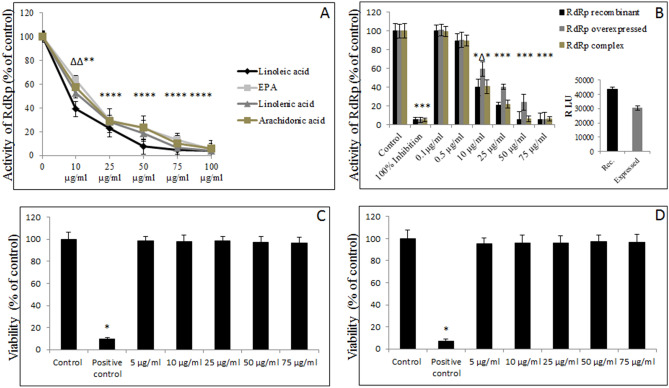
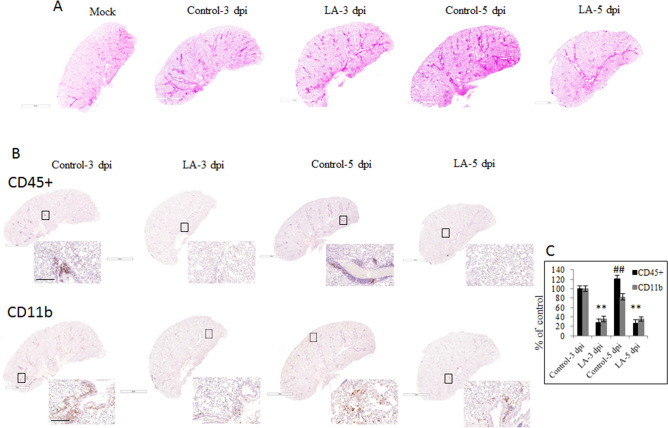
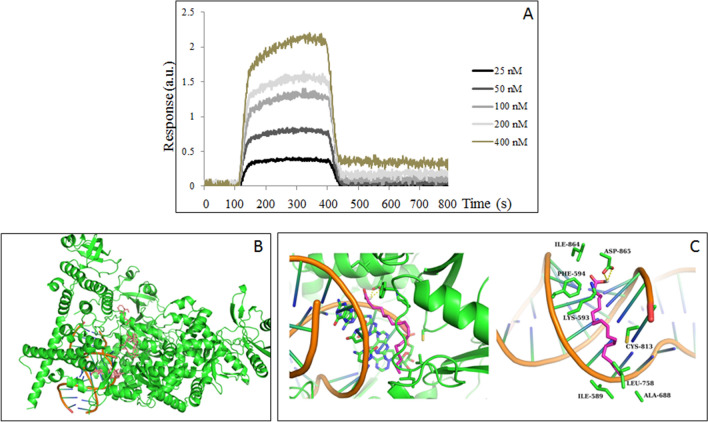
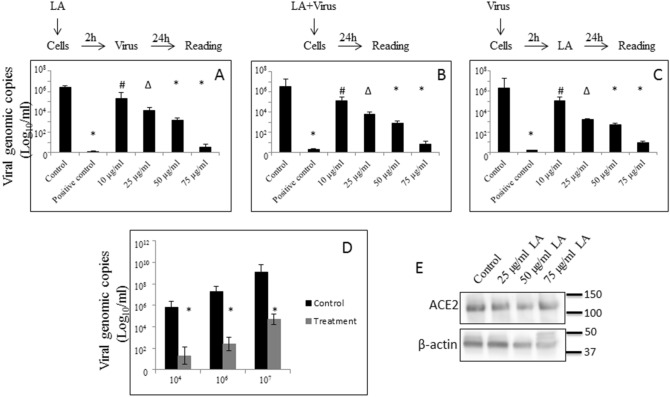
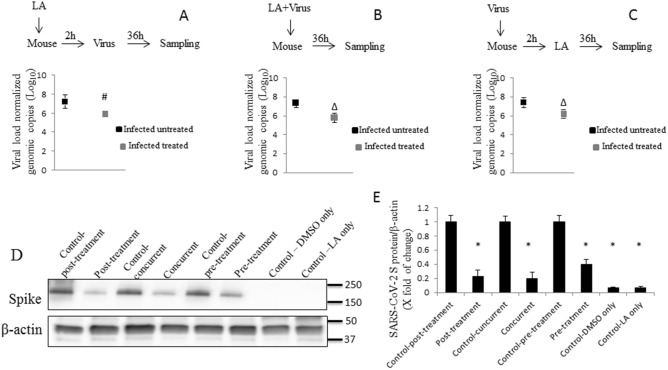
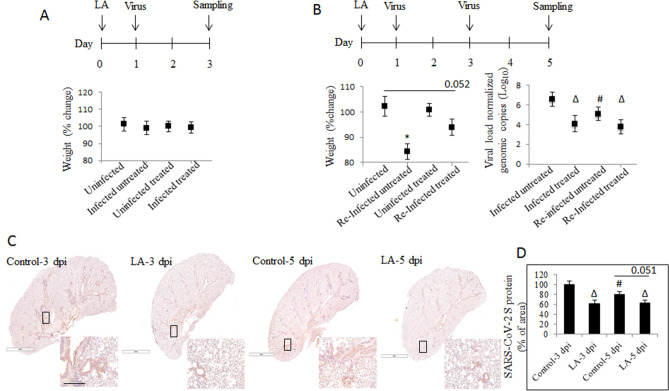
Fatty acids belong to a group of compounds already acknowledged for their broad antiviral efficacy. However, little is yet known about their effect on replication of human coronaviruses. To shed light on this subject, we first screened 15 fatty acids, three lipid-soluble vitamins, and cholesterol, on SARS-CoV-2 RdRp, and identified the four fatty acids with the highest RdRp inhibitory potential. Among them, linoleic acid was found to have the greatest interaction with SARS-CoV-2 RdRp, with its direct binding to the cavity formed by the RNA double helix and protein. Linoleic acid forms hydrophobic interactions with multiple residues, and at the same time forms electrostatic interactions including the hydrogen bond with Lys593 and Asp865. In line with these results, a dose-dependent inhibition of HCoV-OC43 replication in vitro was observed, additionally strengthened by data from in vivo study, which also confirmed anti-inflammatory potential of linoleic acid. Based on these results, we concluded that our study provides a new understanding of the antiviral properties of fatty acids against human coronaviruses including the SARS-CoV-2 strain. Particularly, they lays down a new prospect for linoleic acid's RdRp-inhibitory activity, as a candidate for further studies, which are warranted to corroborate the results presented here.
脂肪酸属于一类已被广泛认可具有广谱抗病毒功效的化合物。然而,人们对其在人类冠状病毒复制过程中的影响知之甚少。为了阐明这一问题,我们首先筛选了 15 种脂肪酸、3 种脂溶性维生素和胆固醇对 SARS-CoV-2 RdRp 的作用,确定了具有最高 RdRp 抑制潜力的 4 种脂肪酸。其中,亚油酸与 SARS-CoV-2 RdRp 的相互作用最大,其直接与 RNA 双链和蛋白质形成的腔结合。亚油酸与多个残基形成疏水相互作用,同时形成静电相互作用,包括与 Lys593 和 Asp865 的氢键。与这些结果一致,我们观察到亚油酸在体外对 HCoV-OC43 的复制具有剂量依赖性抑制作用,体内研究数据进一步加强了这一结果,同时也证实了亚油酸的抗炎潜力。基于这些结果,我们得出结论,我们的研究为脂肪酸对包括 SARS-CoV-2 株在内的人类冠状病毒的抗病毒特性提供了新的认识。特别是,我们为亚油酸的 RdRp 抑制活性奠定了新的前景,作为进一步研究的候选药物,有必要证实这里提出的结果。