Zhang Jing, Xie Shujun, Chen Yujia, Zhou Xin, Zheng Zhuanfang, Yang Lingling, Li Yan
The Second Clinical Medical College, Guangzhou University of Chinese Medicine, Guangzhou, China.
Department of Internal Medicine Teaching and Research, The Third Affiliated Hospital of Guangzhou University of Chinese Medicine, Guangzhou, China.
Front Psychiatry. 2022 Oct 24;13:1008124. doi: 10.3389/fpsyt.2022.1008124. eCollection 2022.
Major depressive disorder (MDD) is a life-threatening, debilitating mental health condition. An important factor in the development of depression is endoplasmic reticulum stress (ERS). However, their roles in MDD have not yet been established. The goal of this study was to examine ERS and its underlying molecular mechanisms in MDD.
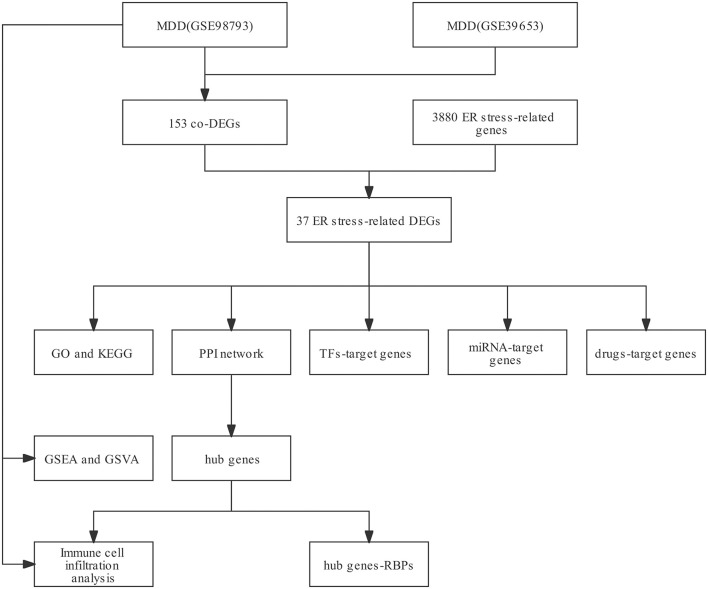
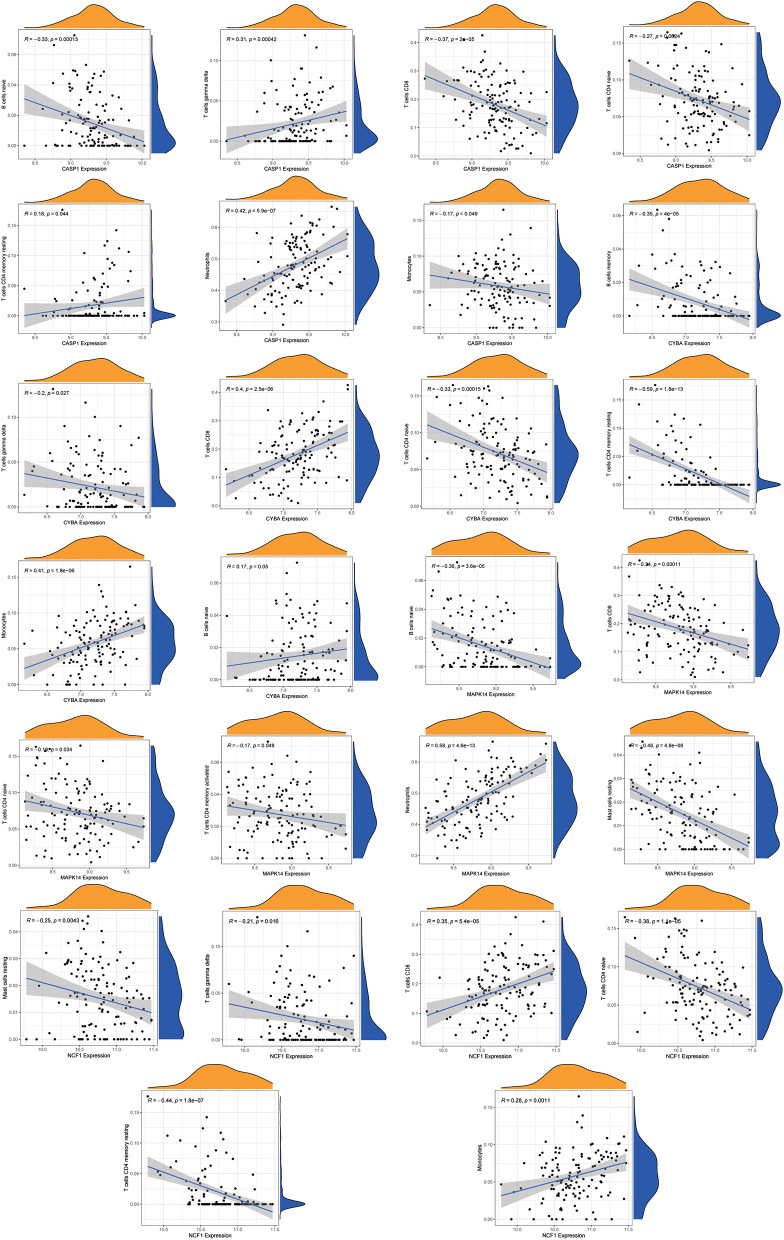
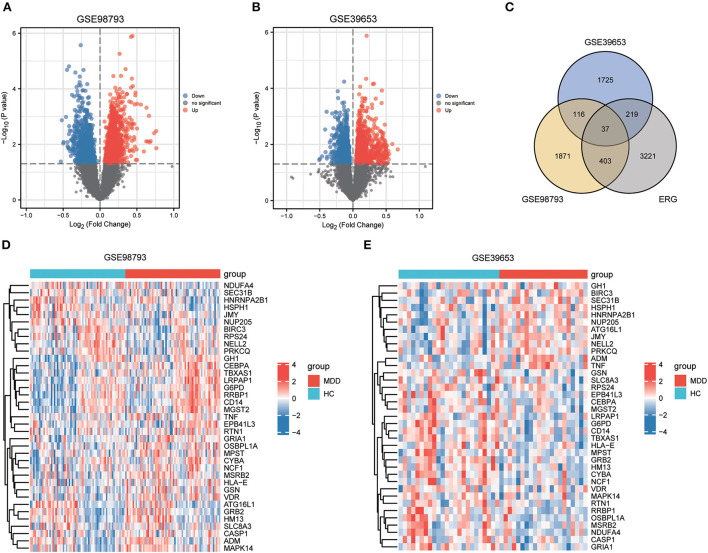
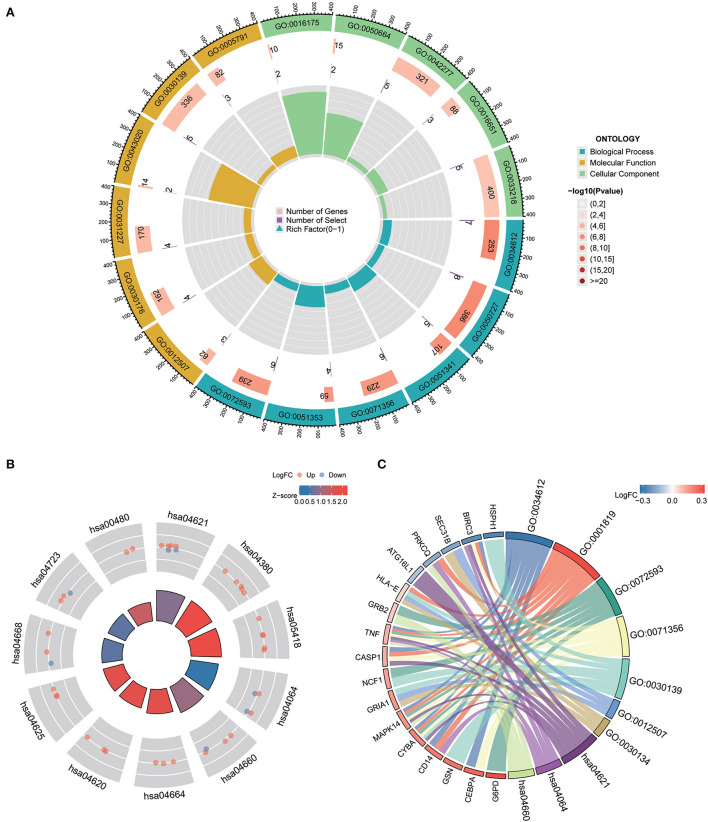
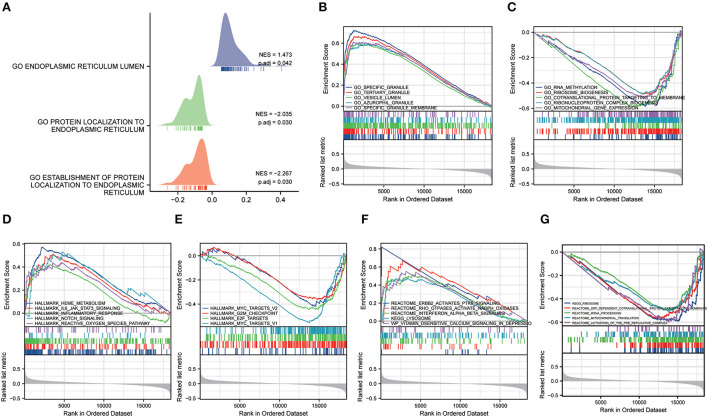
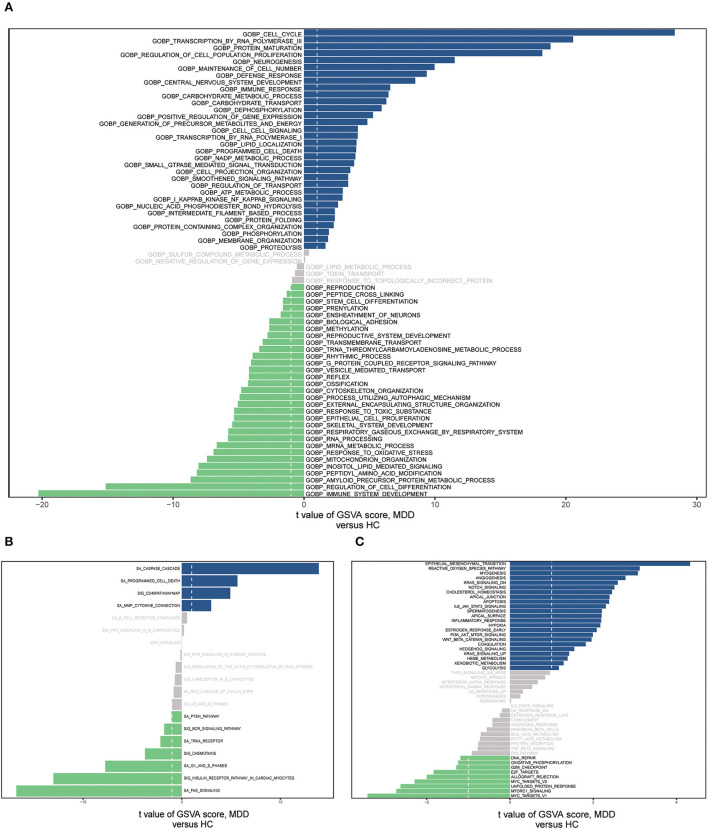
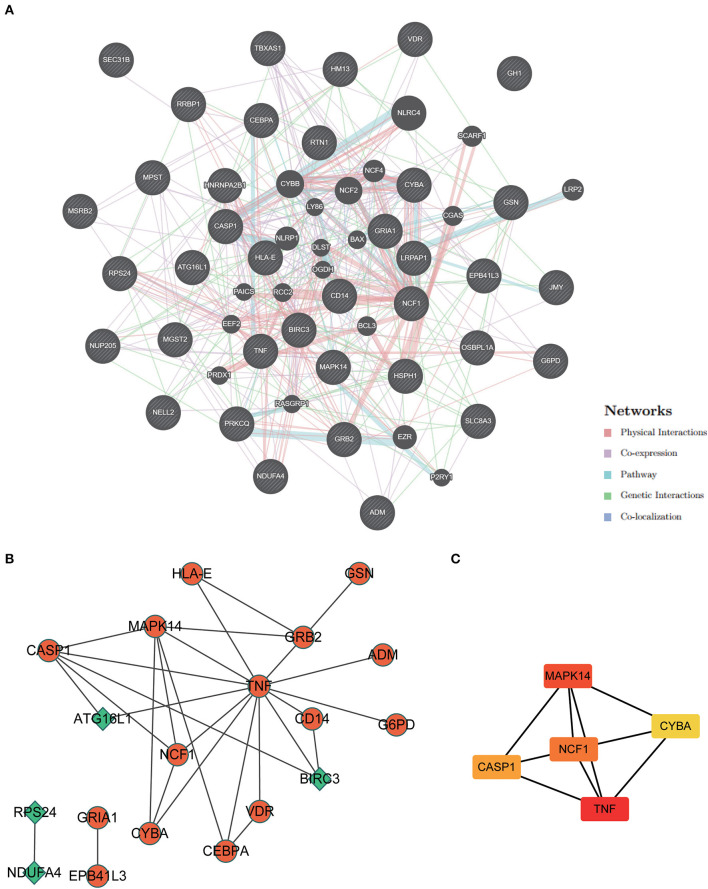
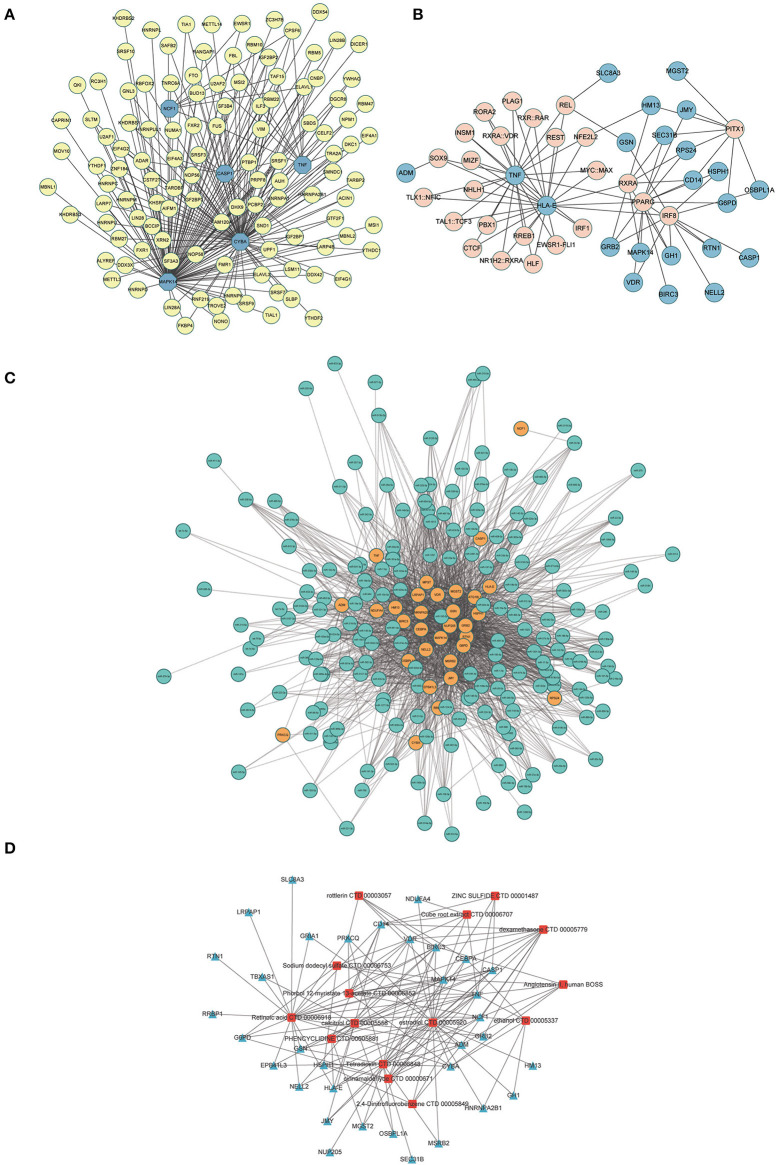
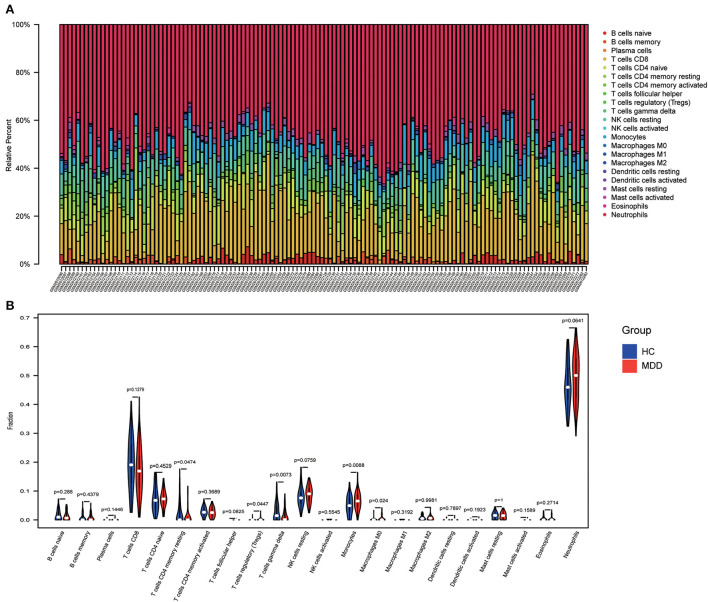
We used data from two microarray datasets (GSE98793 and GSE39653) and the GeneCards database to examine the reticulum stress-related differentially expressed genes (ERSR-DEGs) associated with MDD. Gene Ontology (GO), Kyoto Encyclopedia of Genes and Genomes (KEGG), Gene Set Enrichment Analysis (GSEA), and Gene Set Variation Analysis (GSVA) were used to further investigate the function and mechanism of ERS in MDD. Moreover, we constructed protein-protein interaction (PPI) networks to identify hub genes as well as the regulatory network of microRNAs (miRNAs), transcription factors (TFs), and potential drugs related to ERSR-DEGs. CIBERSORT was then used to evaluate the immune activity of MDD samples and conduct a correlation analysis between the hub genes and immune cells.
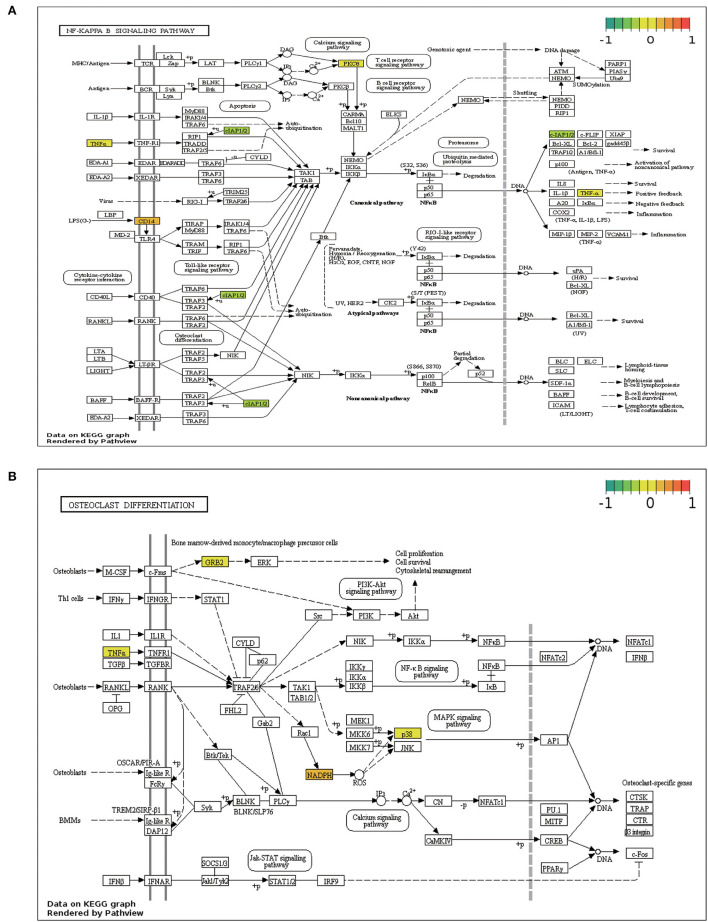
In total, 37 ERSR-DEGs and five hub genes were identified (NCF1, MAPK14, CASP1, CYBA, and TNF). Functional enrichment analysis revealed that ERSR-DEGs were predominantly enriched in inflammation-and immunity-related pathways, such as tumor necrosis factor signaling, NF-κB signaling, and Toll-like receptor signaling pathways. Additionally, 179 miRNAs, 25 TFs, and 15 potential drugs were tested for their interactions with the ERSR-DEGs. CIBERSORT found high proportions of Tregs, monocytes, and macrophages M0 in the MDD samples. Among these, hub genes showed a significant correlation with immune cell infiltration in patients with MDD.
NCF1, MAPK14, CASP1, CYBA, and TNF are potential ERS-related biomarkers for the diagnosis of MDD. Our research has revealed a significant correlation between immune cells and ERS-related genes with MDD. Not only did our study contribute to a better understanding of the regulatory mechanisms of ERS in underlying MDD pathology, but it also established a paradigm for future studies on ERS.
重度抑郁症(MDD)是一种危及生命、使人衰弱的心理健康状况。内质网应激(ERS)是抑郁症发生发展的一个重要因素。然而,它们在MDD中的作用尚未明确。本研究的目的是探讨MDD中的ERS及其潜在分子机制。
我们使用来自两个微阵列数据集(GSE98793和GSE39653)的数据以及基因卡片数据库,来研究与MDD相关的内质网应激相关差异表达基因(ERSR-DEGs)。基因本体论(GO)、京都基因与基因组百科全书(KEGG)、基因集富集分析(GSEA)和基因集变异分析(GSVA)被用于进一步研究MDD中ERS的功能和机制。此外,我们构建了蛋白质-蛋白质相互作用(PPI)网络,以识别枢纽基因以及与ERSR-DEGs相关的微小RNA(miRNA)、转录因子(TF)和潜在药物的调控网络。然后使用CIBERSORT评估MDD样本的免疫活性,并对枢纽基因与免疫细胞进行相关性分析。
总共鉴定出37个ERSR-DEGs和5个枢纽基因(NCF1、MAPK14、CASP1、CYBA和TNF)。功能富集分析表明,ERSR-DEGs主要富集于炎症和免疫相关途径,如肿瘤坏死因子信号通路、NF-κB信号通路和Toll样受体信号通路。此外,还检测了179个miRNA、25个TF和15种潜在药物与ERSR-DEGs的相互作用。CIBERSORT发现MDD样本中调节性T细胞、单核细胞和M0巨噬细胞的比例较高。其中,枢纽基因与MDD患者的免疫细胞浸润显著相关。
NCF1、MAPK14、CASP1、CYBA和TNF是诊断MDD潜在的与ERS相关的生物标志物。我们的研究揭示了免疫细胞和与ERS相关基因与MDD之间存在显著相关性。我们的研究不仅有助于更好地理解ERS在MDD潜在病理中的调控机制,还为未来关于ERS的研究建立了一个范例。