Hamandi Farah, Goswami Tarun
Department of Biomedical, Industrial and Human Factors Engineering, Wright State University, Dayton, OH 45435, USA.
Department of Orthopedic Surgery, Sports Medicine and Rehabilitation, Wright State University, Dayton, OH 45435, USA.
Bioengineering (Basel). 2022 Nov 10;9(11):677. doi: 10.3390/bioengineering9110677.
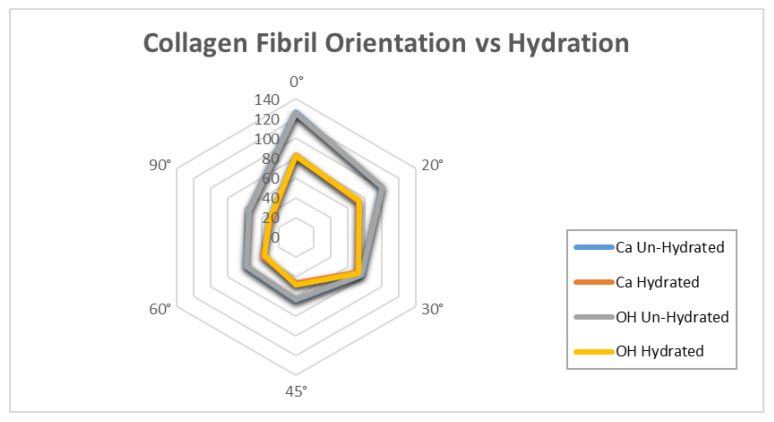
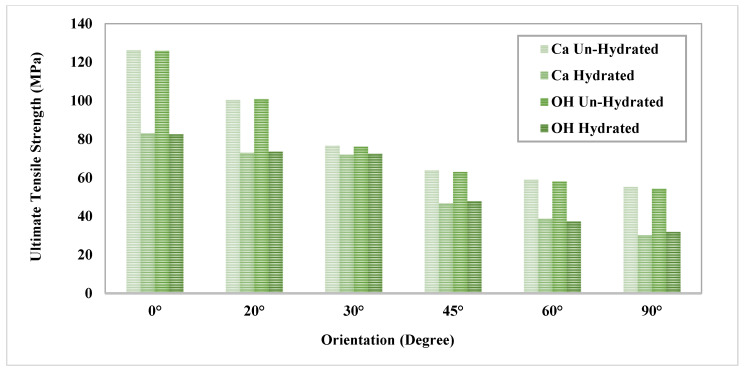
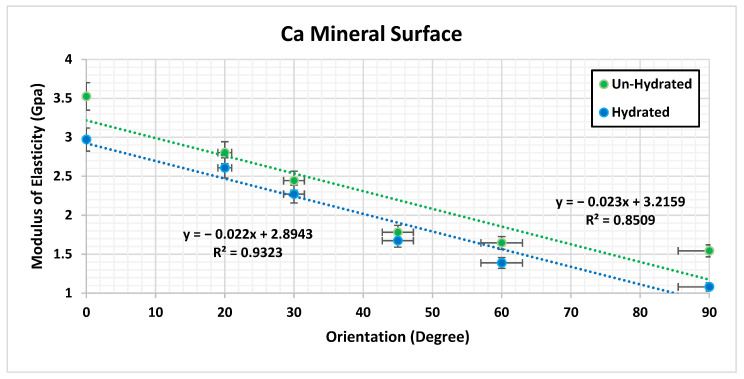
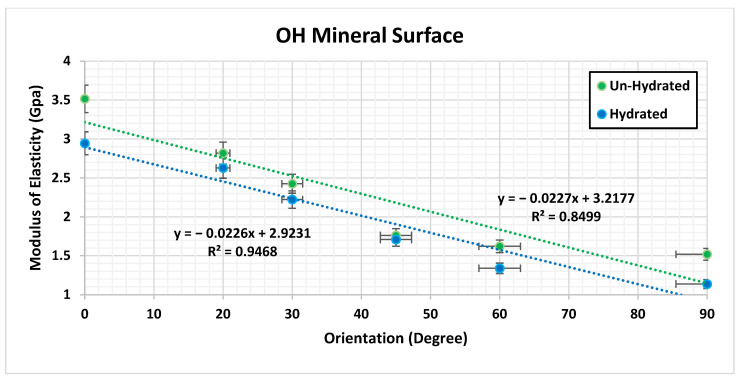
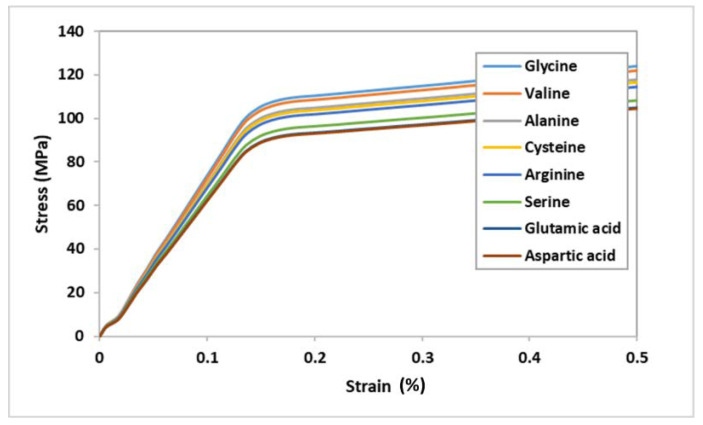
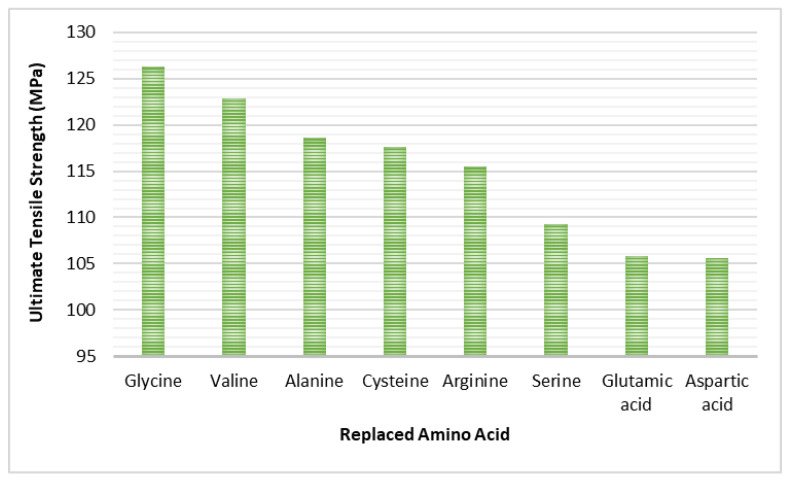
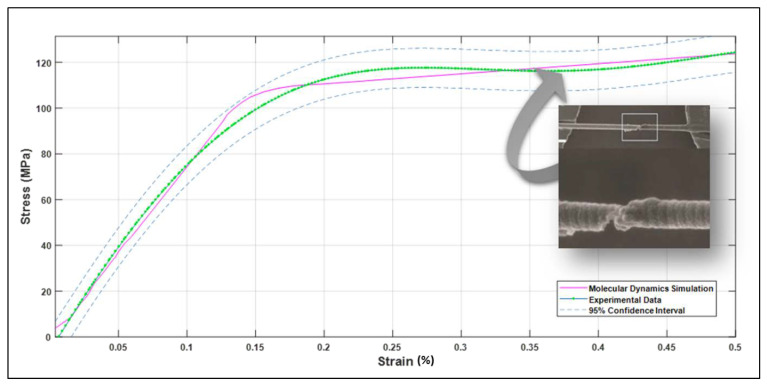
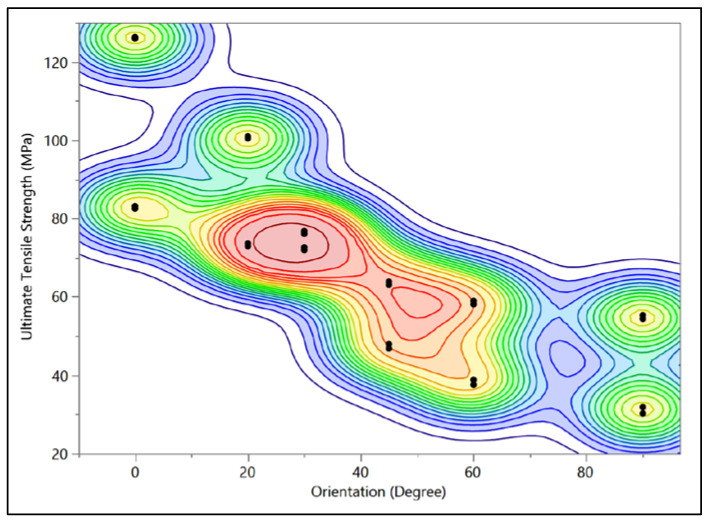
Bone is a highly hierarchical complex structure that consists of organic and mineral components represented by collagen molecules (CM) and hydroxyapatite crystals (HAC), respectively. The nanostructure of bone can significantly affect its mechanical properties. There is a lack of understanding how collagen fibrils (CF) in different orientations may affect the mechanical properties of the bone. The objective of this study is to investigate the effect of interaction, orientation, and hydration on atomic models of the bone composed of collagen helix (CH) and HAC, using molecular dynamics simulations and therefrom bone-related disease origins. The results demonstrate that the mechanical properties of the bone are affected significantly by the orientation of the CF attributed to contact areas at 0° and 90° models. The molecular dynamics simulation illustrated that there is significant difference (p < 0.005) in the ultimate tensile strength and toughness with respect to the orientation of the hydrated and un-hydrated CF. Additionally, the results indicated that having the force in a longitudinal direction (0°) provides more strength compared with the CF in the perpendicular direction (90°). Furthermore, the results show that substituting glycine (GLY) with any other amino acid affects the mechanical properties and strength of the CH, collagen−hydroxyapatite interface, and eventually affects the HAC. Generally, hydration dramatically influences bone tissue elastic properties, and any change in the orientation or any abnormality in the atomic structure of either the CM or the HAC would be the main reason of the fragility in the bone, affecting bone pathology.
骨骼是一种高度分层的复杂结构,由分别以胶原分子(CM)和羟基磷灰石晶体(HAC)为代表的有机和矿物质成分组成。骨骼的纳米结构会显著影响其力学性能。目前尚不清楚不同取向的胶原纤维(CF)如何影响骨骼的力学性能。本研究的目的是使用分子动力学模拟研究相互作用、取向和水合作用对由胶原螺旋(CH)和HAC组成的骨骼原子模型的影响,并由此探究与骨骼相关的疾病起源。结果表明,由于0°和90°模型中的接触面积,CF的取向对骨骼的力学性能有显著影响。分子动力学模拟表明,水合和未水合CF的取向在极限拉伸强度和韧性方面存在显著差异(p < 0.005)。此外,结果表明,与垂直方向(90°)的CF相比,纵向(0°)受力时能提供更大的强度。此外,结果表明,用任何其他氨基酸取代甘氨酸(GLY)会影响CH、胶原 - 羟基磷灰石界面的力学性能和强度,并最终影响HAC。一般来说,水合作用会显著影响骨组织的弹性性能,CM或HAC的取向变化或原子结构异常将是骨骼脆性的主要原因,影响骨骼病理学。