Deledda Andrea, Palmas Vanessa, Heidrich Vitor, Fosci Michele, Lombardo Mauro, Cambarau Giulia, Lai Alessio, Melis Marietta, Loi Elisabetta, Loviselli Andrea, Manzin Aldo, Velluzzi Fernanda
Obesity Unit, Department of Medical Sciences and Public Health, University of Cagliari, 09124 Cagliari, Italy.
Department of Biomedical Sciences, University of Cagliari, 09042 Monserrato, Italy.
Metabolites. 2022 Nov 10;12(11):1092. doi: 10.3390/metabo12111092.
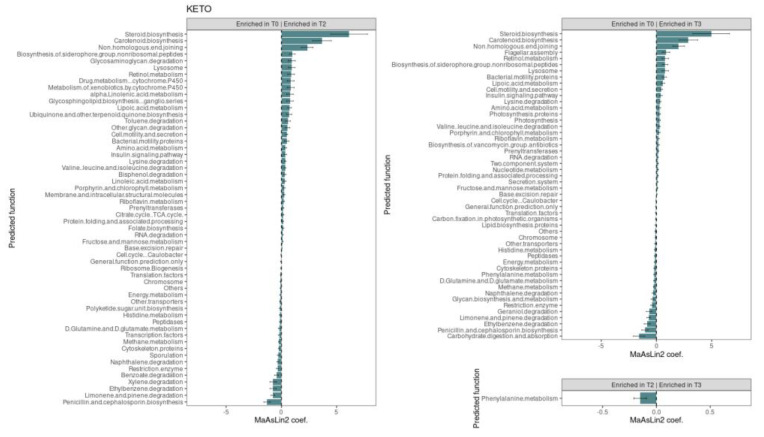
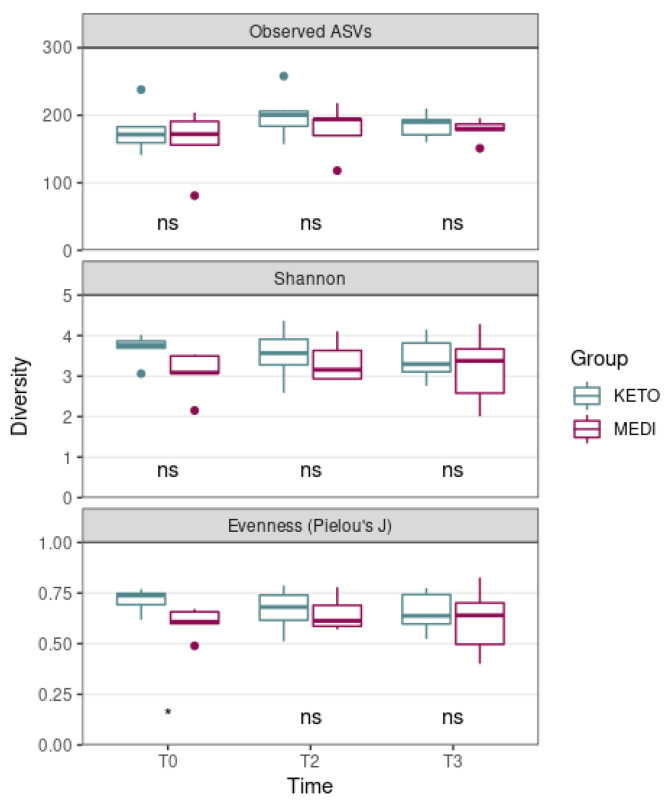
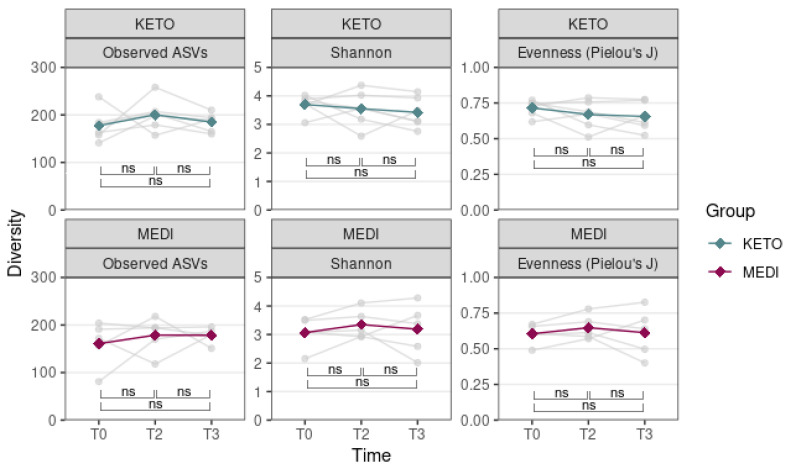
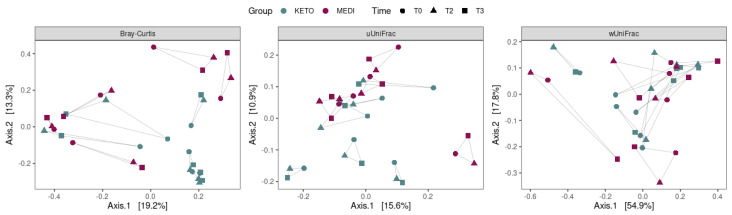
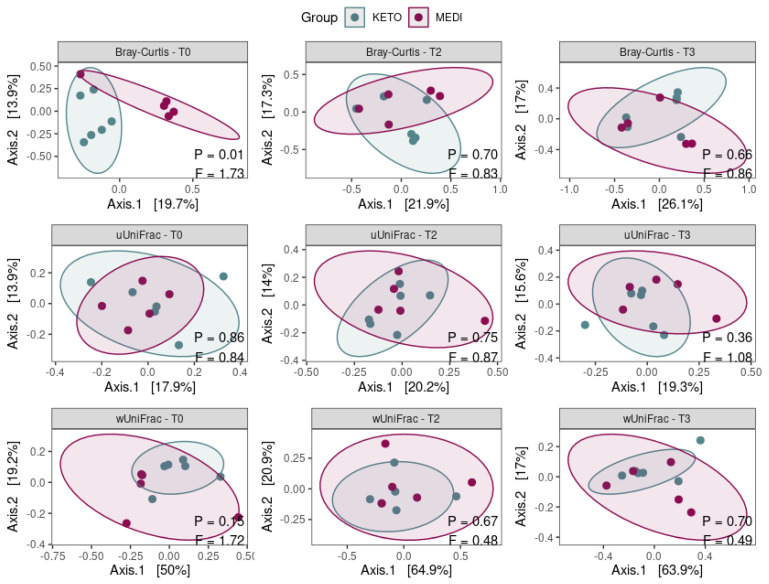
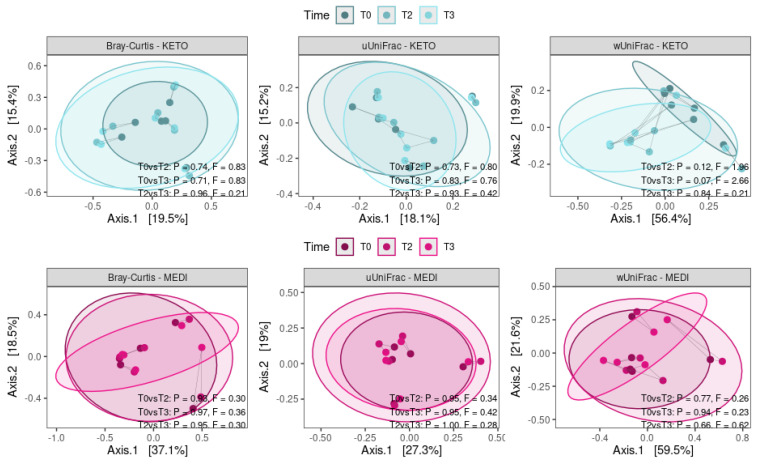
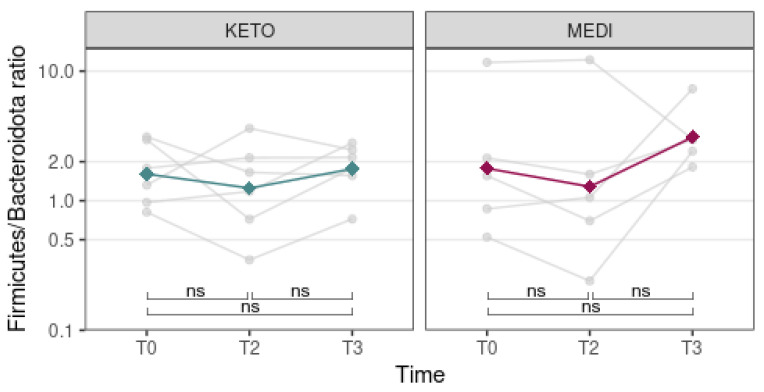
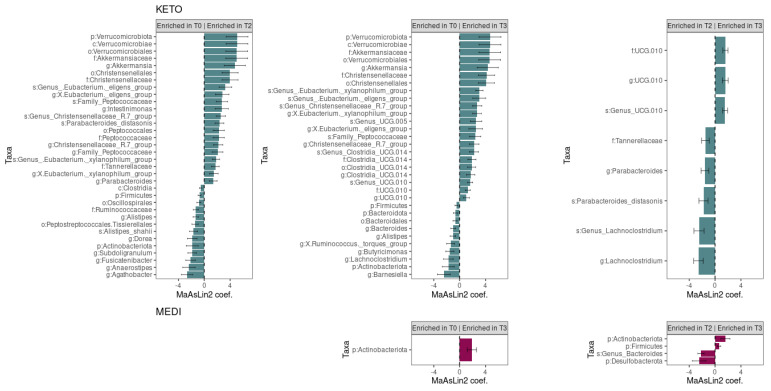
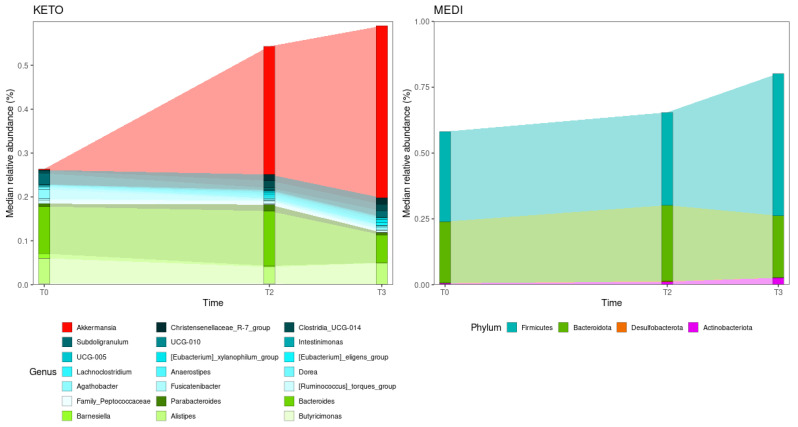
Type 2 diabetes mellitus (T2DM), the most common form of diabetes, is a progressive chronic metabolic disease that has increasingly spread worldwide, enhancing the mortality rate, particularly from cardiovascular diseases (CVD). Lifestyle improvement through diet and physical activity is, together with drug treatment, the cornerstone of T2DM management. The Mediterranean diet (MD), which favors a prevalence of unprocessed vegetable foods and a reduction in red meats and industrial foods, without excluding any food category, is usually recommended. Recently, scientific societies have promoted a very low-calorie ketogenic diet (VLCKD), a multiphasic protocol that limits carbohydrates and then gradually re-introduces them, with a favorable outcome on body weight and metabolic parameters. Indeed, gut microbiota (GM) modifications have been linked to overweight/obesity and metabolic alterations typical of T2DM. Diet is known to affect GM largely, but only a few studies have investigated the effects of VLCKD on GM, especially in T2DM. In this study, we have compared anthropometric, biochemical, lifestyle parameters, the quality of life, and the GM of eleven patients with recently diagnosed T2DM and overweight or obesity, randomly assigned to two groups of six and five patients who followed the VLCKD (KETO) or hypocaloric MD (MEDI) respectively; parameters were recorded at baseline (T0) and after two (T2) and three months (T3). The results showed that VLCKD had more significant beneficial effects than MD on anthropometric parameters, while biochemical improvements did not statistically differ. As for the GM, despite the lack of significant results regarding the alpha and beta diversity, and the Firmicutes/Bacteroidota ratio between the two groups, in the KETO group, a significant increase in beneficial microbial taxa such as Verrucomicrobiota phylum with its members Verrucomicrobiae, Verrucomicrobiales, Akkermansiaceae, and , Christensenellaceae family, spp., and a reduction in microbial taxa previously associated with obesity (Firmicutes and Actinobacteriota) or other diseases () was observed both at T2 and T3. With regards to the MEDI group, variations were limited to a significant increase in Actinobacteroidota phylum at T2 and T3 and Firmicutes phylum at T3. Moreover, a metagenomic alteration linked to some metabolic pathways was found exclusively in the KETO group. In conclusion, both dietary approaches allowed patients to improve their state of health, but VLCKD has shown better results on body composition as well as on GM profile.
2型糖尿病(T2DM)是最常见的糖尿病类型,是一种进行性慢性代谢疾病,已在全球范围内日益蔓延,增加了死亡率,尤其是心血管疾病(CVD)导致的死亡率。通过饮食和体育活动改善生活方式与药物治疗一起,是T2DM管理的基石。通常推荐地中海饮食(MD),这种饮食有利于未加工蔬菜类食物的普遍摄入,并减少红肉和工业食品的摄入,且不排除任何食物类别。最近,一些科学协会推广了一种极低热量生酮饮食(VLCKD),这是一种多阶段方案,限制碳水化合物摄入,然后逐渐重新引入碳水化合物,对体重和代谢参数有良好效果。事实上,肠道微生物群(GM)的改变与T2DM典型的超重/肥胖和代谢改变有关。已知饮食对GM有很大影响,但只有少数研究调查了VLCKD对GM的影响,尤其是在T2DM患者中。在本研究中,我们比较了11例新诊断的T2DM合并超重或肥胖患者的人体测量学、生化、生活方式参数、生活质量和GM,这些患者被随机分为两组,一组6例,另一组5例,分别遵循VLCKD(生酮组,KETO)或低热量MD(地中海饮食组,MEDI);在基线(T0)、两个月后(T2)和三个月后(T3)记录参数。结果显示,VLCKD在人体测量学参数方面比MD有更显著的有益效果,而生化指标的改善在统计学上没有差异。至于GM,尽管两组之间在α和β多样性以及厚壁菌门/拟杆菌门比例方面缺乏显著结果,但在生酮组中,在T2和T3时均观察到有益微生物类群显著增加,如疣微菌门及其成员疣微菌纲、疣微菌目、阿克曼氏菌科以及克里斯滕森菌科、属等,并且与肥胖(厚壁菌门和放线菌门)或其他疾病()相关的微生物类群减少。在地中海饮食组中,变化仅限于在T2和T3时放线菌门显著增加,在T3时厚壁菌门显著增加。此外,仅在生酮组中发现了与某些代谢途径相关的宏基因组改变。总之,两种饮食方法都使患者的健康状况得到改善,但VLCKD在身体成分以及GM谱方面显示出更好的效果。