Zakaria Zaida, Othman Zaidatul Akmal, Suleiman Joseph Bagi, Mustaffa Khairul Mohd Fadzli, Jalil Nur Asyilla Che, Ghazali Wan Syaheedah Wan, Zulkipli Ninie Nadia, Mohamed Mahaneem, Kamaruzaman Khaidatul Akmar
Department of Physiology, School of Medical Sciences, Universiti Sains Malaysia, Kubang Kerian 16150, Kelantan, Malaysia.
Unit of Physiology, Universiti Sultan Zainal Abidin, Kuala Terengganu 20400, Terengganu, Malaysia.
Antioxidants (Basel). 2022 Nov 5;11(11):2190. doi: 10.3390/antiox11112190.
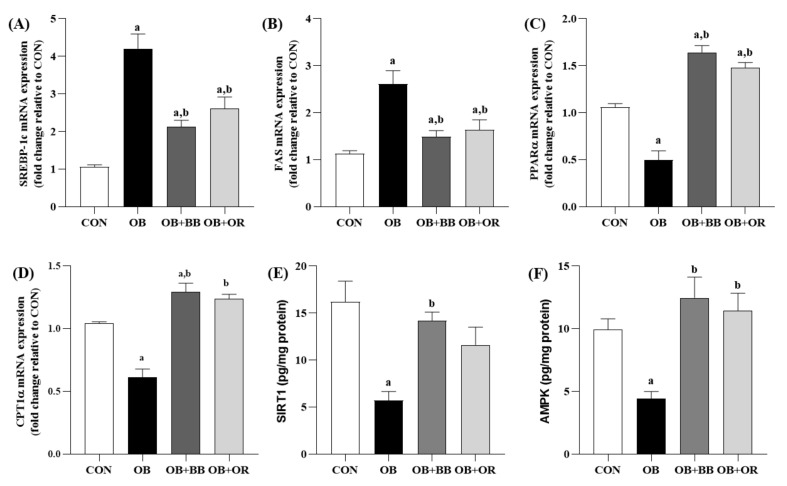
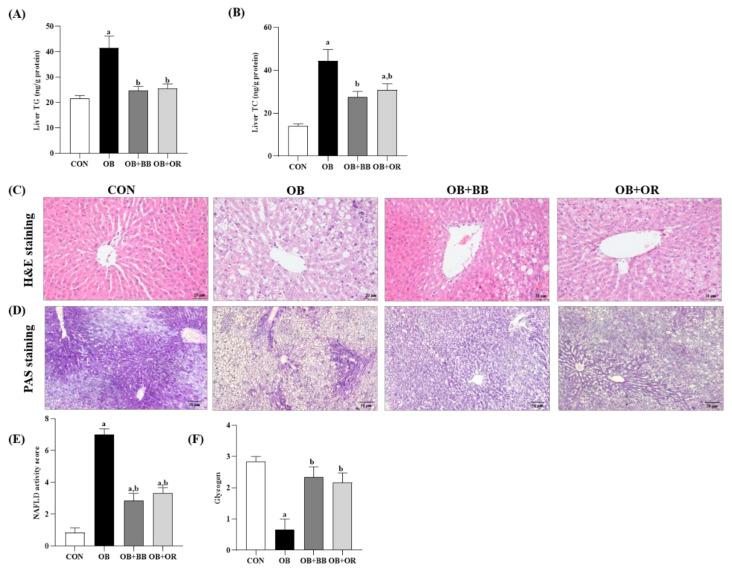
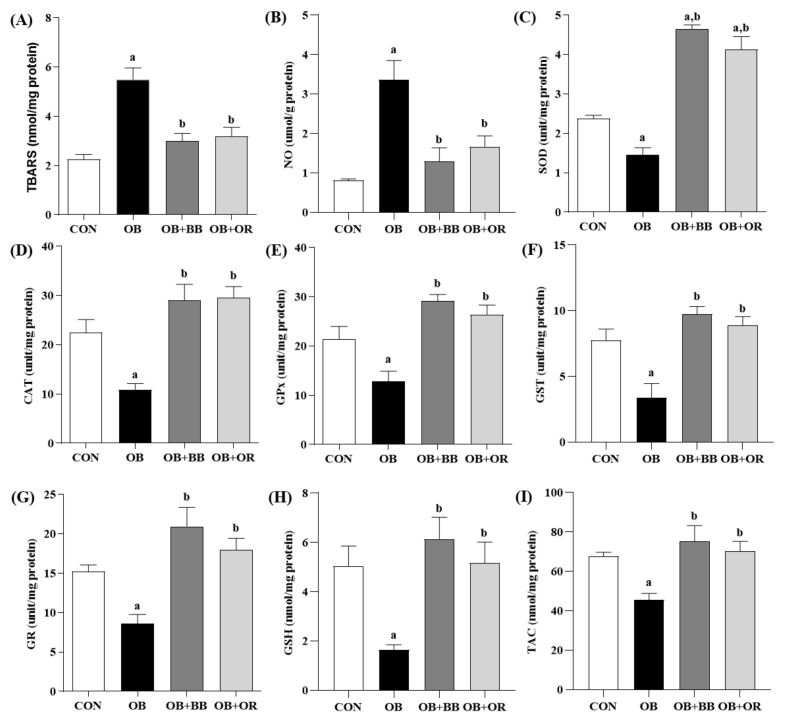
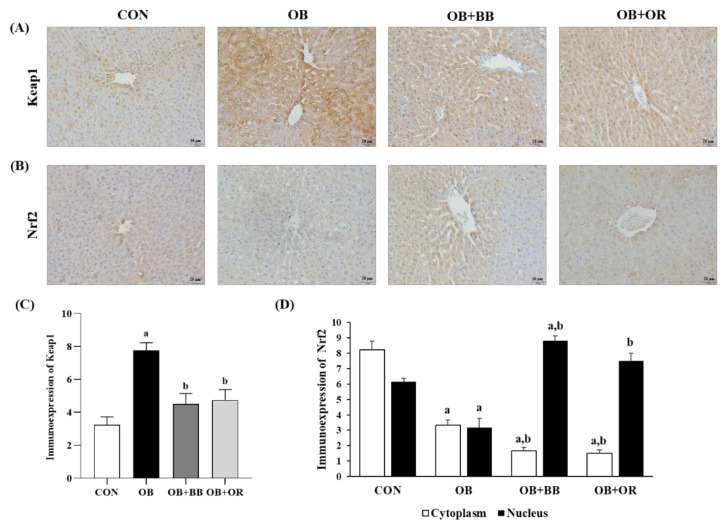
Bee bread (BB) has traditionally been used as a dietary supplement to treat liver problems. This study evaluated the therapeutic effects of BB from Malaysia on obesity-induced hepatic lipid metabolism disorder via the regulation of the Keap1/Nrf2 pathway. Male rats were fed with either a normal diet or high-fat diet (HFD) for 6 weeks to induce obesity. Following 6 weeks, obese rats were treated either with distilled water (OB group), BB (0.5 g/kg body weight/day) (OB + BB group) or orlistat (10 mg/kg body weight/day) (OB + OR group) concurrent with HFD for another 6 weeks. BB treatment suppressed Keap1 and promoted Nrf2 cytoplasmic and nuclear translocations, leading to a reduction in oxidative stress, and promoted antioxidant enzyme activities in the liver. Furthermore, BB down-regulated lipid synthesis and its regulator levels (SIRT1, AMPK), and up-regulated fatty acid β-oxidation in the liver of obese rats, being consistent with alleviated lipid levels, improved hepatic histopathological changes (steatosis, hepatocellular hypertrophy, inflammation and glycogen expression) and prevented progression to non-alcoholic steatohepatitis. These results showed the therapeutic potentials of BB against oxidative stress and improved lipid metabolism in the liver of obese rats possibly by targeting the Keap1/Nrf2 pathway, hence proposing its role as a natural supplement capable of treating obesity-induced fatty liver disease.
蜂粮(BB)传统上被用作治疗肝脏问题的膳食补充剂。本研究通过调节Keap1/Nrf2信号通路,评估了马来西亚产蜂粮对肥胖诱导的肝脏脂质代谢紊乱的治疗效果。雄性大鼠分别给予正常饮食或高脂饮食(HFD)6周以诱导肥胖。6周后,肥胖大鼠分别用蒸馏水(OB组)、蜂粮(0.5 g/kg体重/天)(OB + BB组)或奥利司他(10 mg/kg体重/天)(OB + OR组)与高脂饮食同时处理6周。蜂粮处理可抑制Keap1并促进Nrf2在细胞质和细胞核中的转位,从而减轻氧化应激,并提高肝脏中的抗氧化酶活性。此外,蜂粮下调肥胖大鼠肝脏中的脂质合成及其调节因子水平(SIRT1、AMPK),并上调脂肪酸β-氧化,这与脂质水平降低、肝脏组织病理学变化改善(脂肪变性、肝细胞肥大、炎症和糖原表达)以及预防非酒精性脂肪性肝炎的进展一致。这些结果表明,蜂粮可能通过靶向Keap1/Nrf2信号通路,对肥胖大鼠肝脏的氧化应激和脂质代谢改善具有治疗潜力,因此表明其作为一种能够治疗肥胖诱导的脂肪性肝病的天然补充剂的作用。