Simon Sohail, Sibuyi Nicole Remaliah Samantha, Fadaka Adewale Oluwaseun, Meyer Samantha, Josephs Jamie, Onani Martin Opiyo, Meyer Mervin, Madiehe Abram Madimabe
Department of Science and Innovation (DSI)/Mintek Nanotechnology Innovation Centre (NIC), Biolabels Research Node, Department of Biotechnology, University of the Western Cape, Bellville 7535, South Africa.
Nanobiotechnology Research Group, Department of Biotechnology, University of the Western Cape, Bellville 7535, South Africa.
Biomedicines. 2022 Nov 2;10(11):2792. doi: 10.3390/biomedicines10112792.
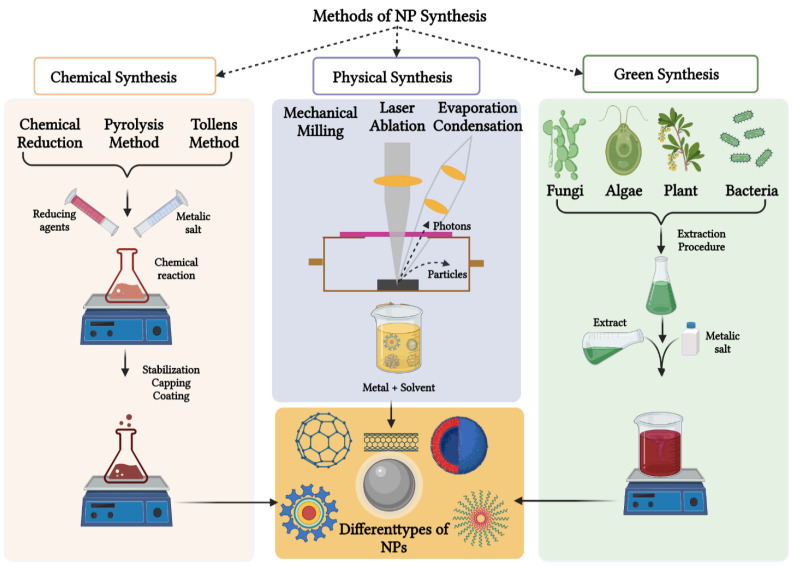
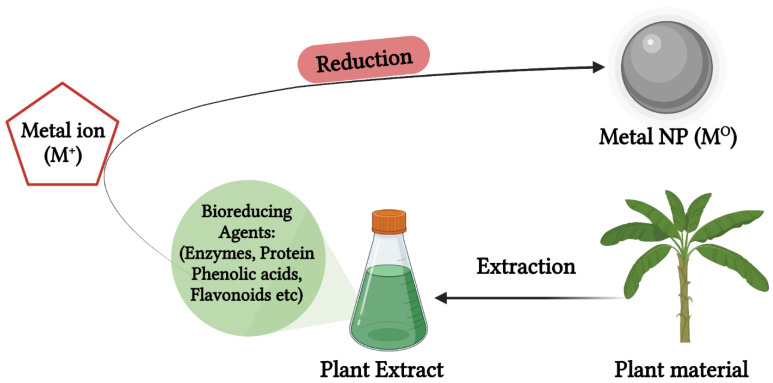
Silver nanoparticles (AgNPs) have attracted a lot of interest directed towards biomedical applications due in part to their outstanding anti-microbial activities. However, there have been many health-impacting concerns about their traditional synthesis methods, i.e., the chemical and physical methods. Chemical methods are commonly used and contribute to the overall toxicity of the AgNPs, while the main disadvantages of physical synthesis include high production costs and high energy consumption. The biological methods provide an economical and biocompatible option as they use microorganisms and natural products in the synthesis of AgNPs with exceptional biological properties. Plant extract-based synthesis has received a lot of attention and has been shown to resolve the limitations associated with chemical and physical methods. AgNPs synthesized using plant extracts provide a safe, cost-effective, and environment-friendly approach that produces biocompatible AgNPs with enhanced properties for use in a wide range of applications. The review focused on the use of plant-synthesized AgNPs in various biomedical applications as anti-microbial, anti-cancer, anti-inflammatory, and drug-delivery agents. The versatility and potential use of green AgNPs in the bio-medicinal sector provides an innovative alternative that can overcome the limitations of traditional systems. Thus proving green nanotechnology to be the future for medicine with continuous progress towards a healthier and safer environment by forming nanomaterials that are low- or non-toxic using a sustainable approach.
银纳米颗粒(AgNPs)因其出色的抗菌活性而在生物医学应用方面引起了广泛关注。然而,人们对其传统合成方法,即化学和物理方法,存在许多对健康有影响的担忧。化学方法被广泛使用,这导致了AgNPs的整体毒性,而物理合成的主要缺点包括高生产成本和高能耗。生物方法提供了一种经济且生物相容的选择,因为它们在合成具有特殊生物学特性的AgNPs时使用微生物和天然产物。基于植物提取物的合成受到了广泛关注,并已被证明可以解决与化学和物理方法相关的局限性。使用植物提取物合成的AgNPs提供了一种安全、经济高效且环境友好的方法,可生产出具有增强特性的生物相容性AgNPs,用于广泛的应用。该综述重点关注植物合成的AgNPs在各种生物医学应用中作为抗菌、抗癌、抗炎和药物递送剂的用途。绿色AgNPs在生物医学领域的多功能性和潜在用途提供了一种创新的替代方案,可以克服传统系统的局限性。因此,绿色纳米技术被证明是医学的未来,通过采用可持续方法形成低毒或无毒的纳米材料,朝着更健康、更安全的环境不断迈进。