Leder Johannes, Koßmann Lisa, Carbon Claus-Christian
Institute of Psychology, University of Bamberg, Bamberg, Germany.
Bamberg Graduate School of Affective and Cognitive Sciences (BaGrACS), Bamberg, Germany.
Front Neurosci. 2022 Nov 4;16:988546. doi: 10.3389/fnins.2022.988546. eCollection 2022.
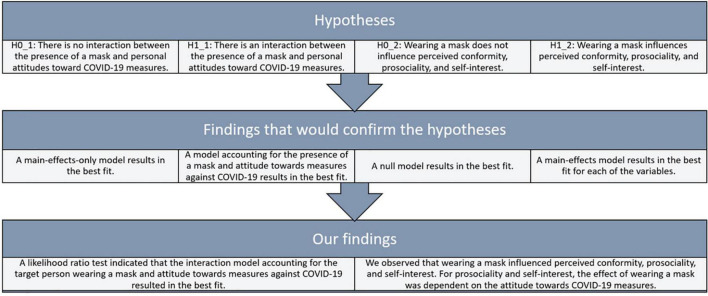
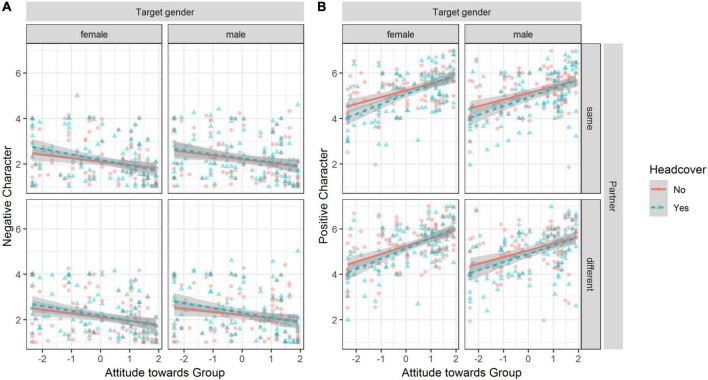
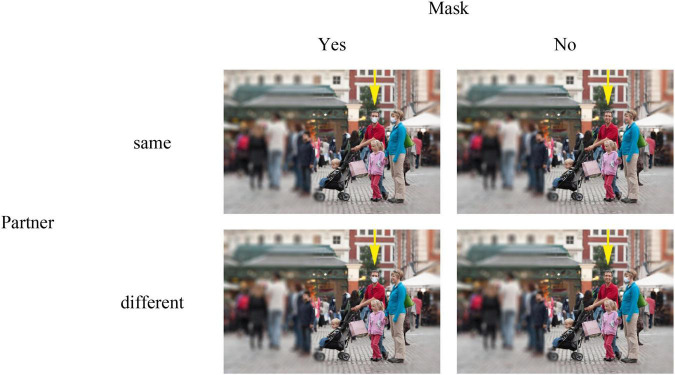
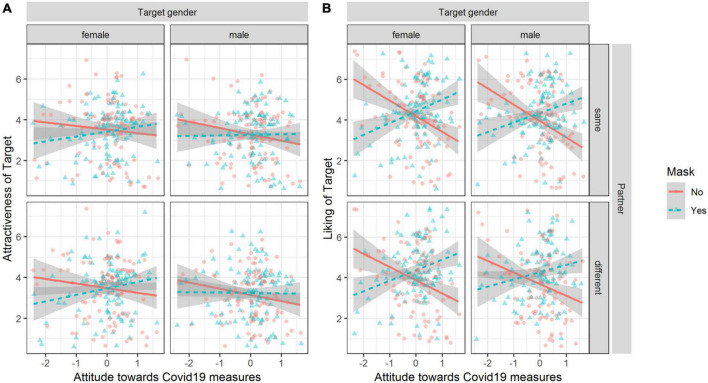
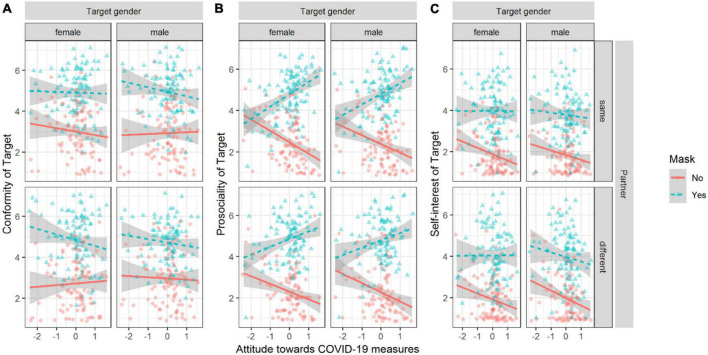
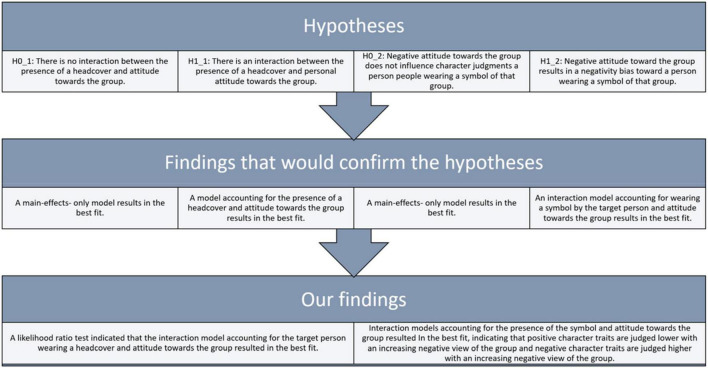
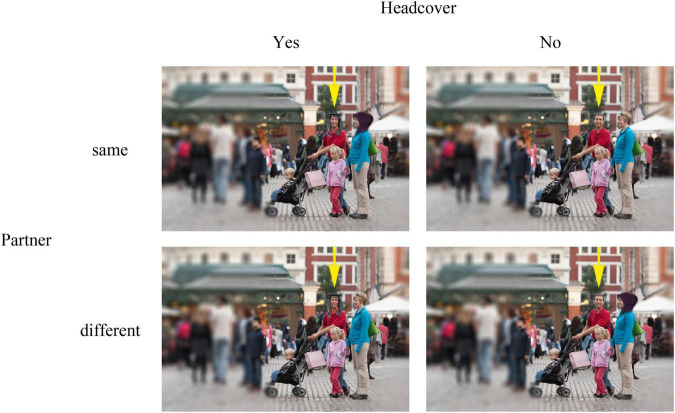
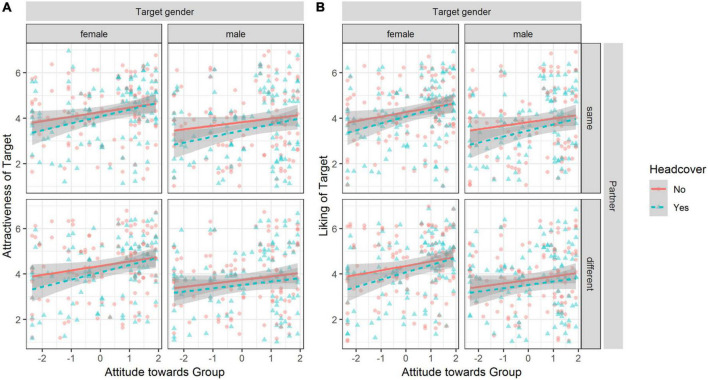
We examined if the effect of facial coverings on person perception is influenced by the perceiver's attitudes. We used two online experiments in which participants saw the same human target persons repeatedly appearing with and without a specific piece of clothing and had to judge the target persons' character. In Experiment 1 ( = 101), we investigated how the wearing of a facial mask influences a person's perception depending on the perceiver's attitude toward measures against the COVID-19 pandemic. In Experiment 2 ( = 114), we examined the effect of wearing a head cover associated with Arabic culture on a person's perception depending on the perceiver's attitude toward Islam. Both studies were preregistered; both found evidence that a person's perception is a process shaped by the personal attitudes of the perceiver as well as merely the target person's outward appearance. Integrating previous findings, we demonstrate that facial covers, as well as head covers, operate as cues which are used by the perceivers to infer the target persons' underlying attitudes. The judgment of the target person is shaped by the perceived attitude toward what the facial covering stereotypically symbolizes.
我们研究了面部遮盖物对人物感知的影响是否受感知者态度的影响。我们进行了两项在线实验,在实验中,参与者多次看到同一个人,有时戴着特定衣物,有时不戴,然后必须对目标人物的性格进行判断。在实验1(n = 101)中,我们研究了佩戴口罩如何根据感知者对新冠疫情防控措施的态度影响对一个人的感知。在实验2(n = 114)中,我们研究了佩戴与阿拉伯文化相关的头巾如何根据感知者对伊斯兰教的态度影响对一个人的感知。两项研究均预先注册;两项研究都发现有证据表明,对一个人的感知是一个由感知者的个人态度以及仅仅是目标人物的外在外表所塑造的过程。综合先前的研究结果,我们证明面部遮盖物以及头巾作为线索,被感知者用来推断目标人物的潜在态度。对目标人物的判断受到对该面部遮盖物典型象征意义的感知态度的影响。