Markova Dragomira N, Ruma Fatema B, Casola Claudio, Mirsalehi Ayda, Betrán Esther
Department of Biology, University of Texas at Arlington, Arlington, TX, USA.
Department of Ecology and Conservation Biology, Texas A&M University, College Station, TX, USA.
Mob DNA. 2022 Nov 30;13(1):28. doi: 10.1186/s13100-022-00282-2.
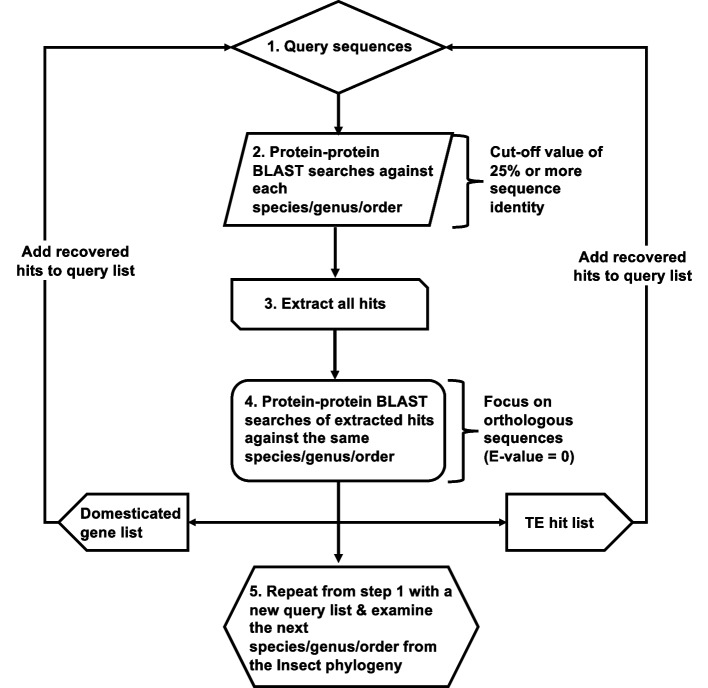
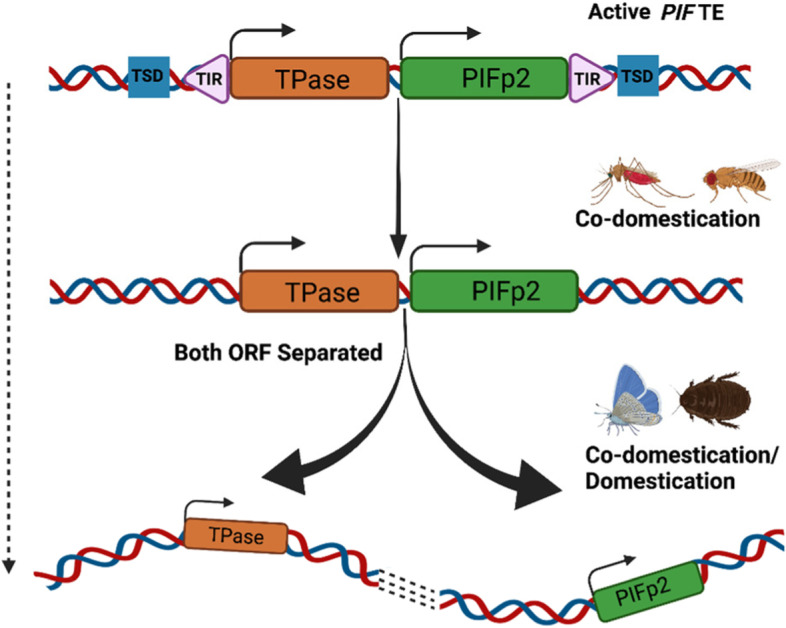
Transposable elements (TEs) are selfish DNA sequences capable of moving and amplifying at the expense of host cells. Despite this, an increasing number of studies have revealed that TE proteins are important contributors to the emergence of novel host proteins through molecular domestication. We previously described seven transposase-derived domesticated genes from the PIF/Harbinger DNA family of TEs in Drosophila and a co-domestication. All PIF TEs known in plants and animals distinguish themselves from other DNA transposons by the presence of two genes. We hypothesize that there should often be co-domestications of the two genes from the same TE because the transposase (gene 1) has been described to be translocated to the nucleus by the MADF protein (gene 2). To provide support for this model of new gene origination, we investigated available insect species genomes for additional evidence of PIF TE domestication events and explored the co-domestication of the MADF protein from the same TE insertion.
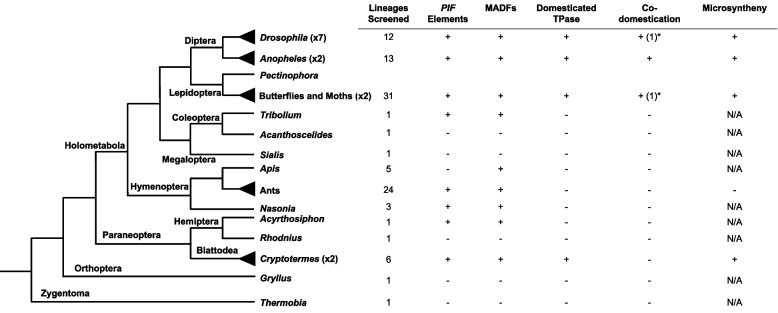
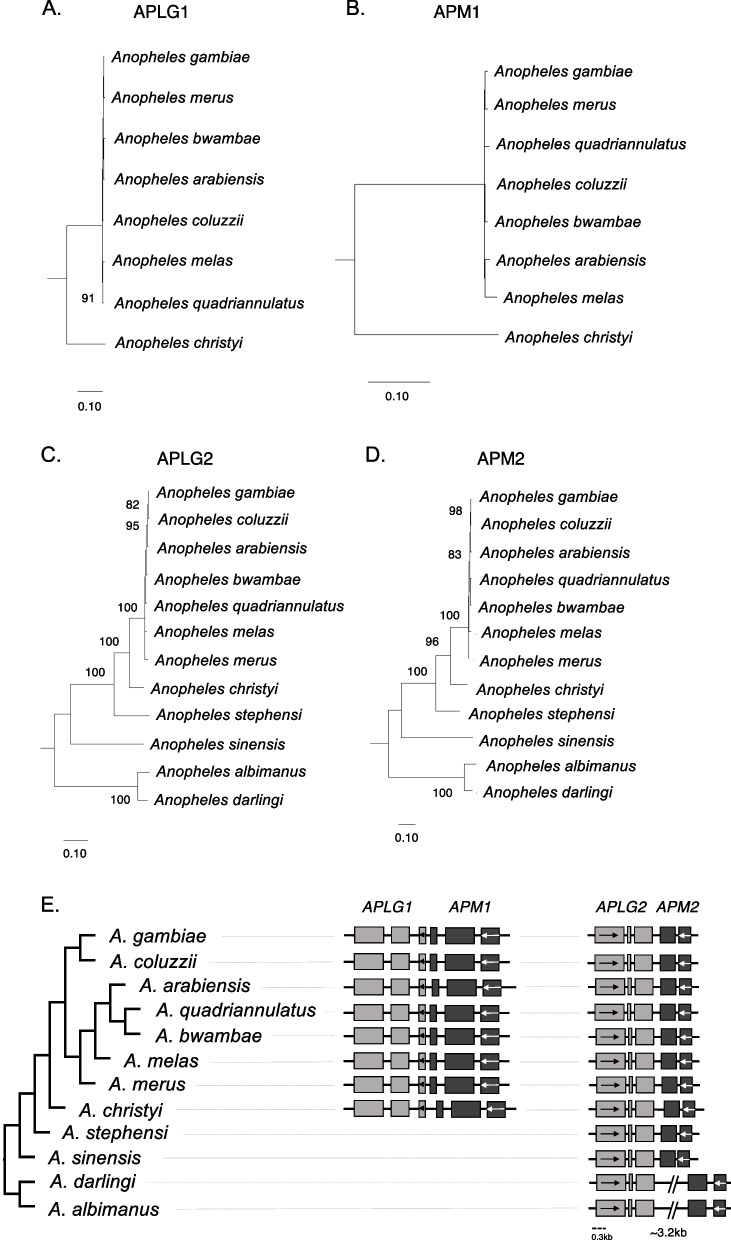
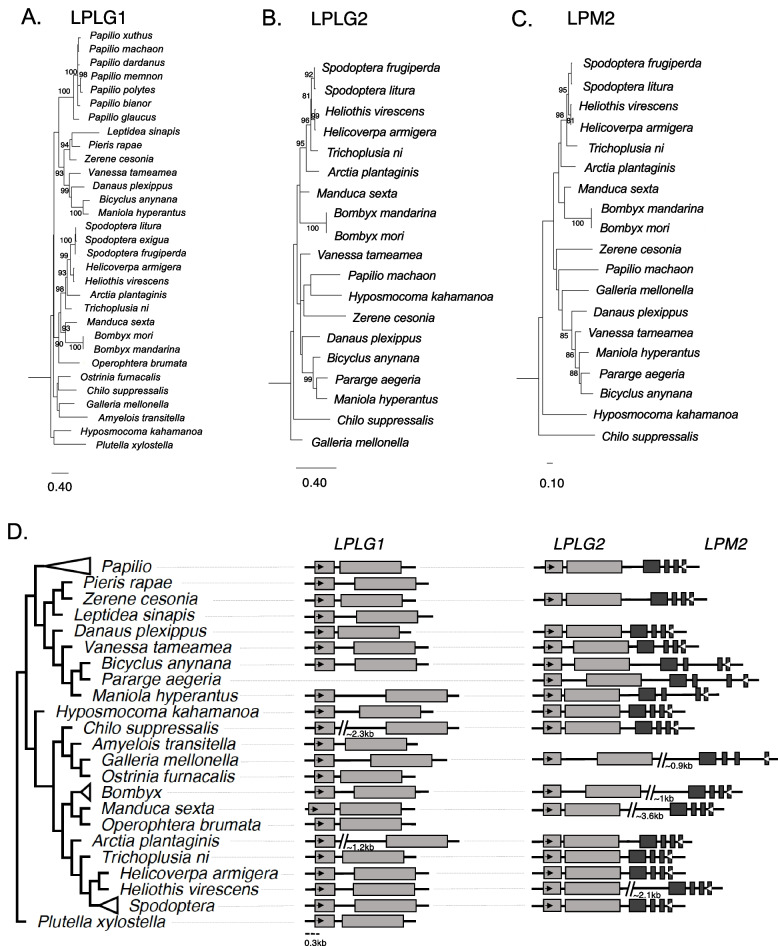
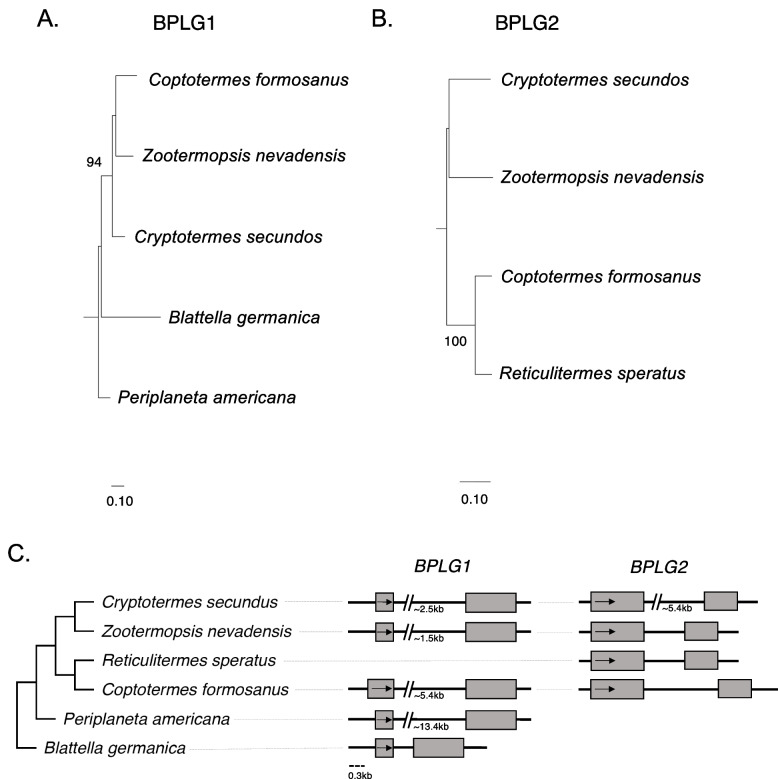
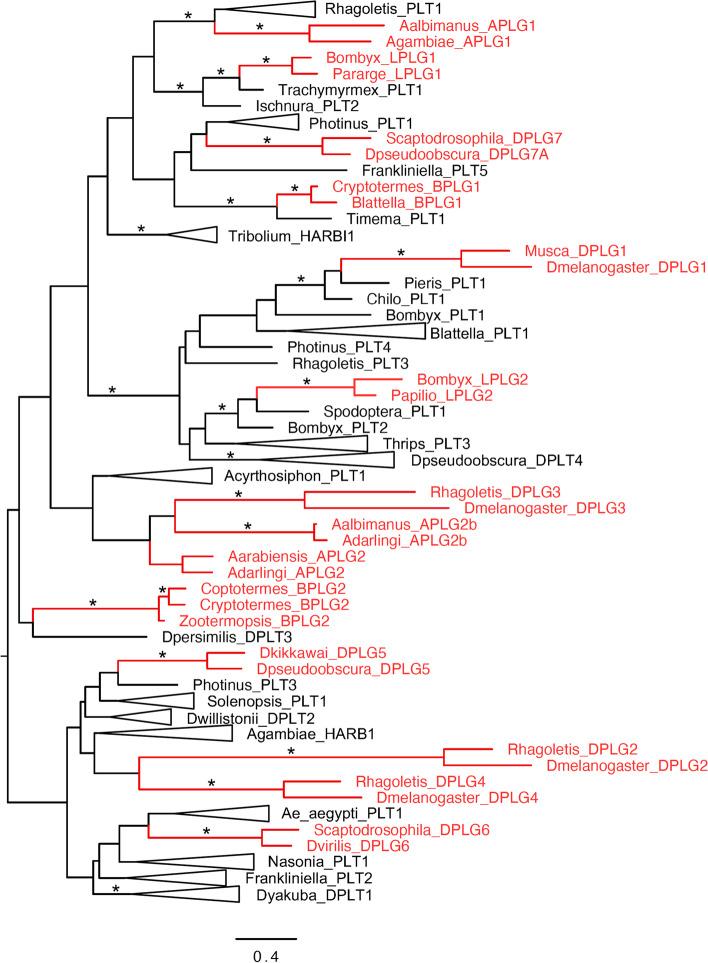
After the extensive insect species genomes exploration of hits to PIF transposases and analyses of their context and evolution, we present evidence of at least six independent PIF transposable elements proteins domestication events in insects: two co-domestications of both transposase and MADF proteins in Anopheles (Diptera), one transposase-only domestication event and one co-domestication in butterflies and moths (Lepidoptera), and two transposases-only domestication events in cockroaches (Blattodea). The predicted nuclear localization signals for many of those proteins and dicistronic transcription in some instances support the functional associations of co-domesticated transposase and MADF proteins.
Our results add to a co-domestication that we previously described in fruit fly genomes and support that new gene origination through domestication of a PIF transposase is frequently accompanied by the co-domestication of a cognate MADF protein in insects, potentially for regulatory functions. We propose a detailed model that predicts that PIF TE protein co-domestication should often occur from the same PIF TE insertion.
转座元件(TEs)是自私的DNA序列,能够以宿主细胞为代价进行移动和扩增。尽管如此,越来越多的研究表明,TE蛋白通过分子驯化成为新型宿主蛋白出现的重要贡献者。我们之前描述了来自果蝇中PIF/先驱者DNA转座元件家族的7个转座酶衍生的驯化基因以及一次共同驯化。动植物中已知的所有PIF转座元件都因含有两个基因而有别于其他DNA转座子。我们推测,同一转座元件的两个基因常常会发生共同驯化,因为转座酶(基因1)已被描述为由MADF蛋白(基因2)转运至细胞核。为了支持这种新基因起源模型,我们研究了现有昆虫物种基因组,以寻找PIF转座元件驯化事件的更多证据,并探索同一转座元件插入产生的MADF蛋白的共同驯化情况。
在对昆虫物种基因组中PIF转座酶的命中情况进行广泛探索并分析其背景和进化后,我们提供了昆虫中至少6次独立的PIF转座元件蛋白驯化事件的证据:按蚊(双翅目)中转座酶和MADF蛋白的两次共同驯化、蝴蝶和蛾(鳞翅目)中的一次仅转座酶的驯化事件和一次共同驯化,以及蟑螂(蜚蠊目)中的两次仅转座酶的驯化事件。其中许多蛋白预测的核定位信号以及某些情况下的双顺反子转录支持了共同驯化的转座酶和MADF蛋白的功能关联。
我们的结果补充了我们之前在果蝇基因组中描述的一次共同驯化,并支持通过PIF转座酶驯化产生新基因的过程在昆虫中常常伴随着同源MADF蛋白的共同驯化,这可能具有调控功能。我们提出了一个详细模型,预测PIF转座元件蛋白共同驯化通常应源自同一PIF转座元件插入。