Department of Molecular Biology and Genetics, Cornell University, Ithaca, New York 14853, USA.
Genes Dev. 2019 Sep 1;33(17-18):1098-1116. doi: 10.1101/gad.327312.119.
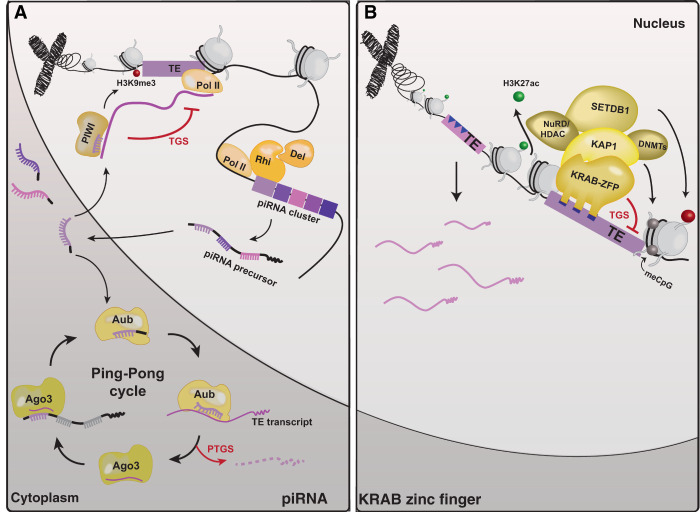
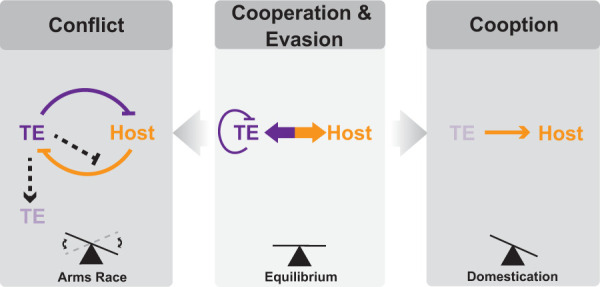
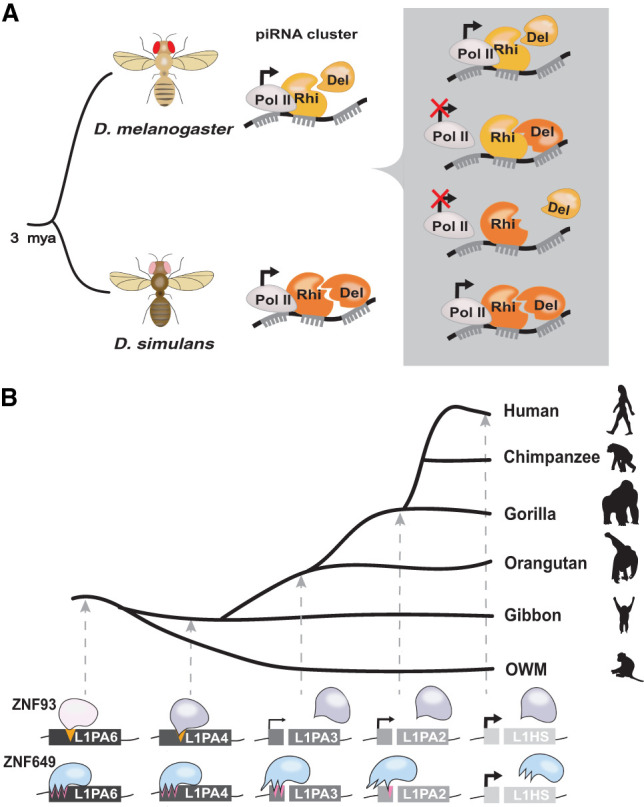
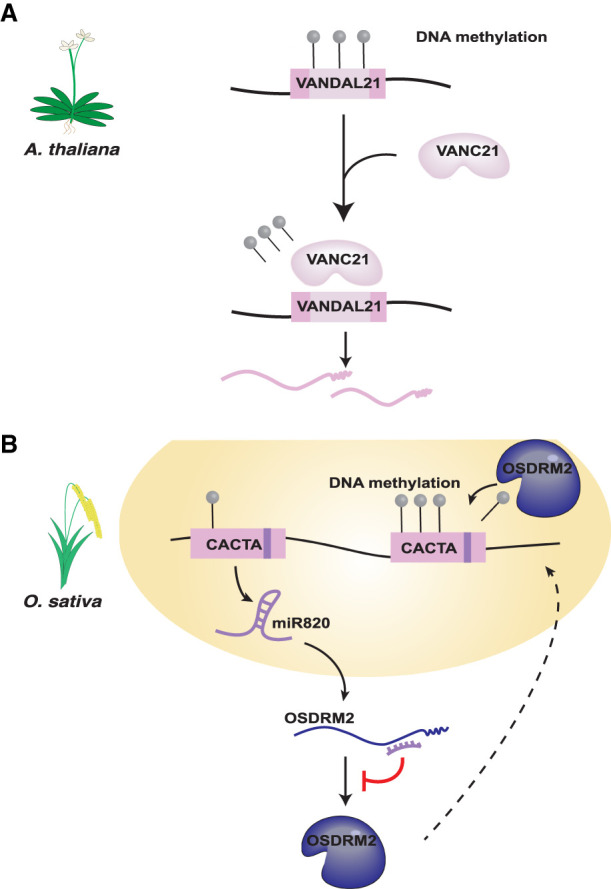
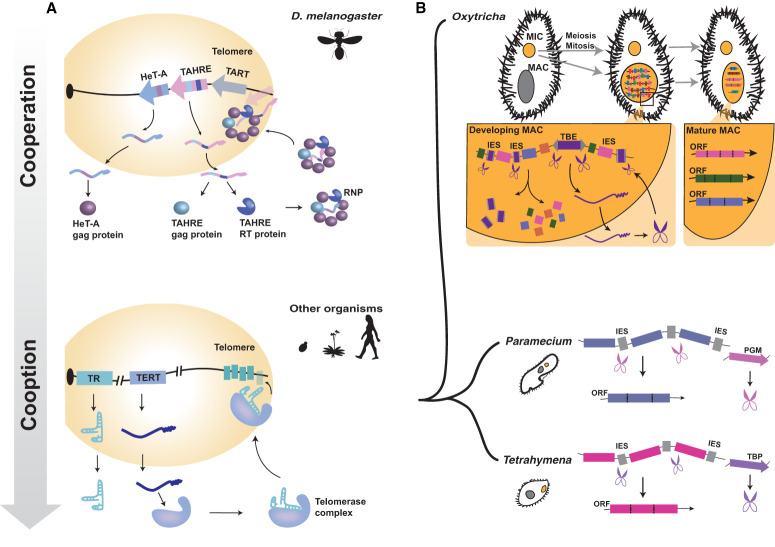
Transposable elements (TEs) are mobile DNA sequences that colonize genomes and threaten genome integrity. As a result, several mechanisms appear to have emerged during eukaryotic evolution to suppress TE activity. However, TEs are ubiquitous and account for a prominent fraction of most eukaryotic genomes. We argue that the evolutionary success of TEs cannot be explained solely by evasion from host control mechanisms. Rather, some TEs have evolved commensal and even mutualistic strategies that mitigate the cost of their propagation. These coevolutionary processes promote the emergence of complex cellular activities, which in turn pave the way for cooption of TE sequences for organismal function.
转座元件 (TEs) 是一种可移动的 DNA 序列,它们可以殖民基因组并威胁基因组的完整性。因此,在真核生物进化过程中,似乎出现了几种抑制 TE 活性的机制。然而,TEs 无处不在,占据了大多数真核生物基因组的重要部分。我们认为,TEs 的进化成功不能仅仅归因于逃避宿主控制机制。相反,一些 TEs 已经进化出共生甚至互利的策略,从而减轻了它们传播的代价。这些共同进化过程促进了复杂细胞活动的出现,进而为 TE 序列被生物体功能所利用铺平了道路。