State Key Laboratory for Biology of Plant Diseases and Insect Pest, Institute of Plant Protection, Chinese Academy of Agricultural Sciences, Beijing, 100000, China.
State Key Laboratory of Cotton Biology, Institute of Cotton Research, Chinese Academy of Agricultural Sciences (ICR, CAAS), Anyang, China.
BMC Plant Biol. 2022 Dec 1;22(1):554. doi: 10.1186/s12870-022-03949-3.
Seed Myco-priming based on consortium of entomopathogenic fungi is very effective seed treatment against Ostrinia furnacalis herbivory. Maize regulates defense responses against herbivory by the production of defense-related enzymatic and non-enzymatic antioxidants, phytohormones, and their corresponding genes. Jasmonic acid (JA) plays a key role in plant-entomopathogenic fungi-herbivore interaction.
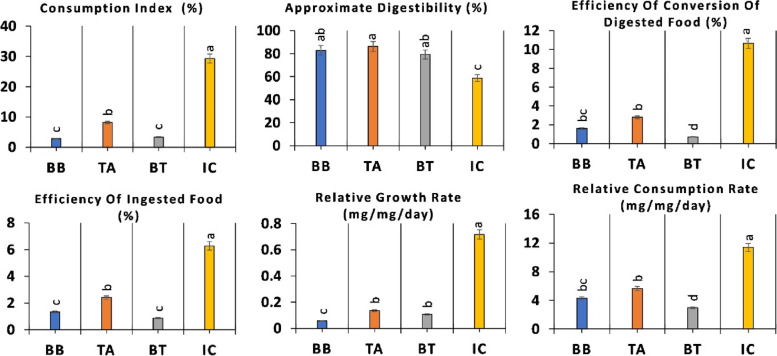
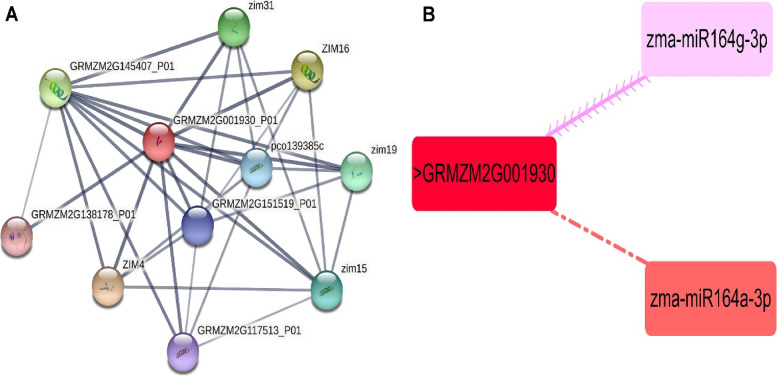
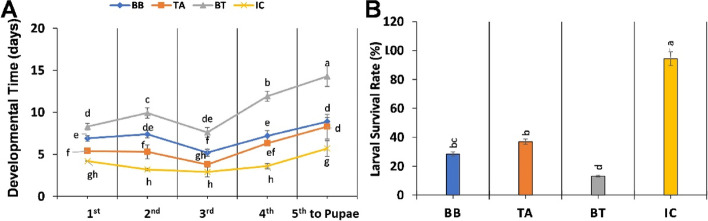
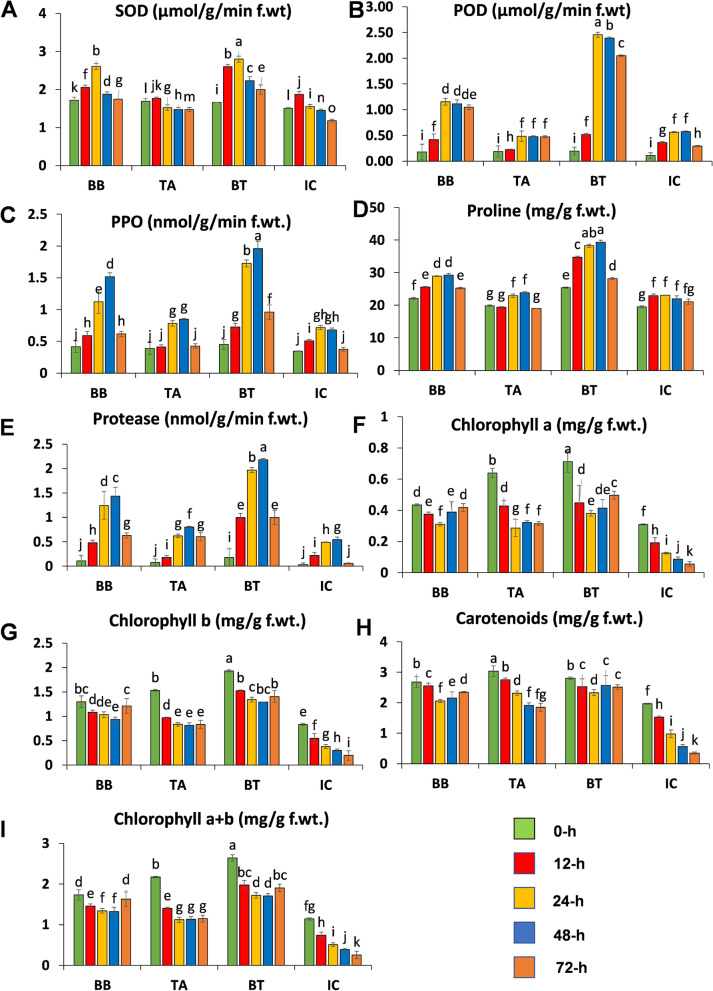
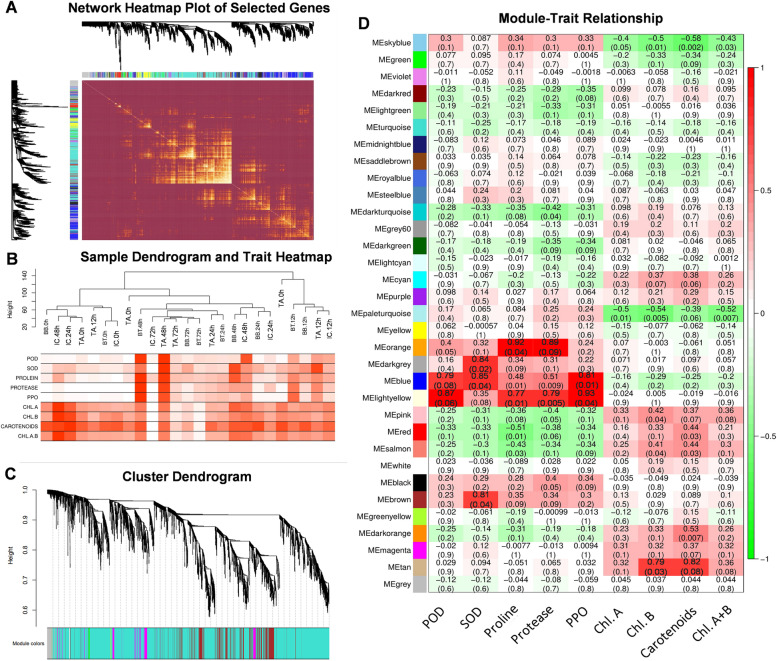
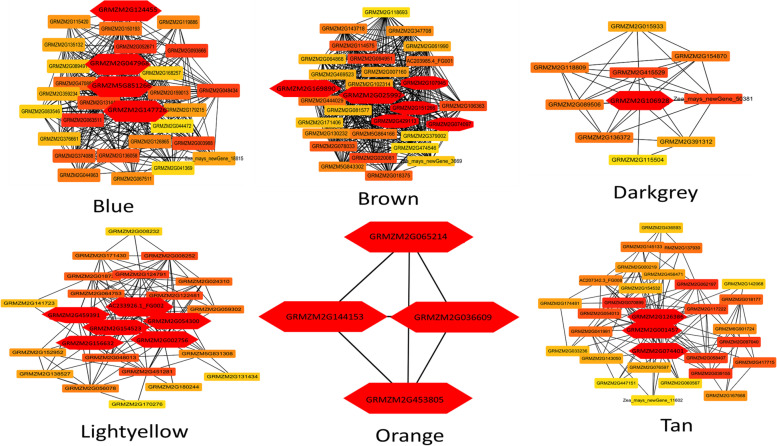
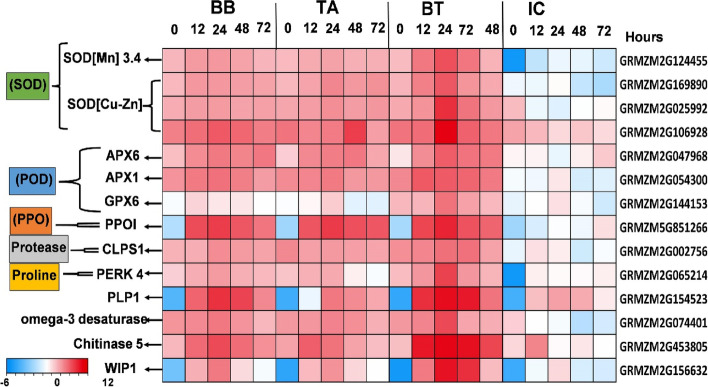
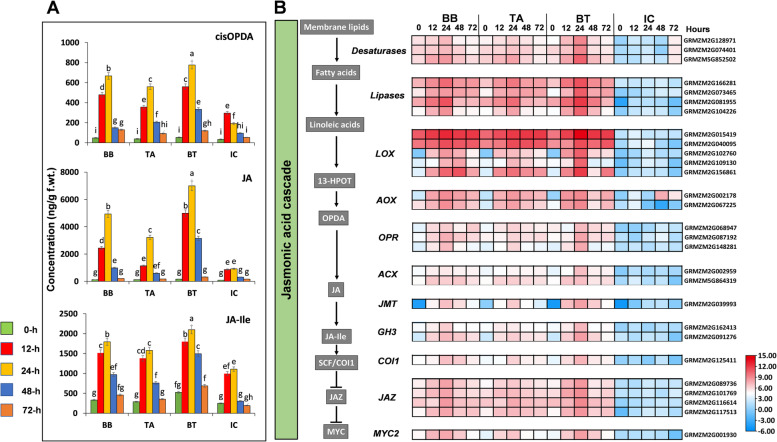
To understand how a consortium of the entomopathogenic fungi Beauveria bassiana and Trichoderma asperellum induce changes in the response of maize to herbivory and increase the crop yield, 2-year field experiment, antioxidant enzymes, leaf transcriptome, and phytohormone were performed. Fungal inoculation enhanced the production of antioxidant enzymes and JA signaling pathway more than the normal herbivory. The comparison between single inoculated, consortium inoculated, and non-inoculated plants resulted in distinct transcriptome profiles representing a considerable difference in expression of antioxidant- and JA- responsive genes identified through Weighted gene co-expression network analysis (WGCNA) and expression analysis, respectively. Seed priming with a consortium of B. bassiana and T. asperellum significantly enhanced the expression of genes involved in antioxidants production and JA biosynthesis cascade, with the highest expression recorded at 24-h post O. furnacalis larval infestation. They reduced the larval nutritional indices and survival up to 87% and enhancing crop yield and gross return up to 82-96% over the year 2018 and 2019.
From our results we suggest that a consortium of B. bassiana and T. asperellum can be used synergistically against O. furnacalis in maize under field condition and can mediate antioxidants- and JA- associated maize defense response by boosting up the expression of their responsive genes, thereby enhancing crop yield.
基于共生的昆虫病原真菌的种子激发是防治玉米螟取食的非常有效的种子处理方法。玉米通过产生防御相关的酶和非酶抗氧化剂、植物激素及其相应的基因来调节对取食的防御反应。茉莉酸(JA)在植物-昆虫病原真菌-害虫相互作用中起着关键作用。
为了了解昆虫病原真菌球孢白僵菌和哈茨木霉共生体如何诱导玉米对取食的反应发生变化并提高作物产量,进行了为期两年的田间试验、抗氧化酶、叶片转录组和植物激素分析。真菌接种比正常取食更能增强抗氧化酶和 JA 信号通路的产生。与单一接种、共生体接种和未接种植物相比,单个接种、共生体接种和未接种植物的比较导致了明显的转录组图谱,分别通过加权基因共表达网络分析(WGCNA)和表达分析代表了抗氧化剂和 JA 响应基因的表达差异。用球孢白僵菌和哈茨木霉的共生体对种子进行激发显著增强了参与抗氧化剂和 JA 生物合成级联的基因的表达,在玉米螟幼虫取食后 24 小时记录到最高表达。它们将幼虫的营养指数和存活率降低了 87%,并在 2018 年和 2019 年提高了作物产量和总收益,提高了 82-96%。
从我们的结果来看,在田间条件下,球孢白僵菌和哈茨木霉的共生体可以协同用于防治玉米螟,通过增强其响应基因的表达,介导与抗氧化剂和 JA 相关的玉米防御反应,从而提高作物产量。