Neurodegenerative Diseases Group, Biocruces Bizkaia Health Research Institute, Barakaldo, Spain.
Department of Neurology, Cruces University Hospital, Barakaldo, Spain.
J Transl Med. 2022 Dec 6;20(1):569. doi: 10.1186/s12967-022-03764-2.
Myalgic Encephalomyelitis/Chronic Fatigue Syndrome (ME/CFS) is characterized by persistent physical and mental fatigue. The post-COVID-19 condition patients refer physical fatigue and cognitive impairment sequelae. Given the similarity between both conditions, could it be the same pathology with a different precipitating factor?
To describe the cognitive impairment, neuropsychiatric symptoms, and general symptomatology in both groups, to find out if it is the same pathology. As well as verify if the affectation of smell is related to cognitive deterioration in patients with post-COVID-19 condition.
The sample included 42 ME/CFS and 73 post-COVID-19 condition patients. Fatigue, sleep quality, anxiety and depressive symptoms, the frequency and severity of different symptoms, olfactory function and a wide range of cognitive domains were evaluated.
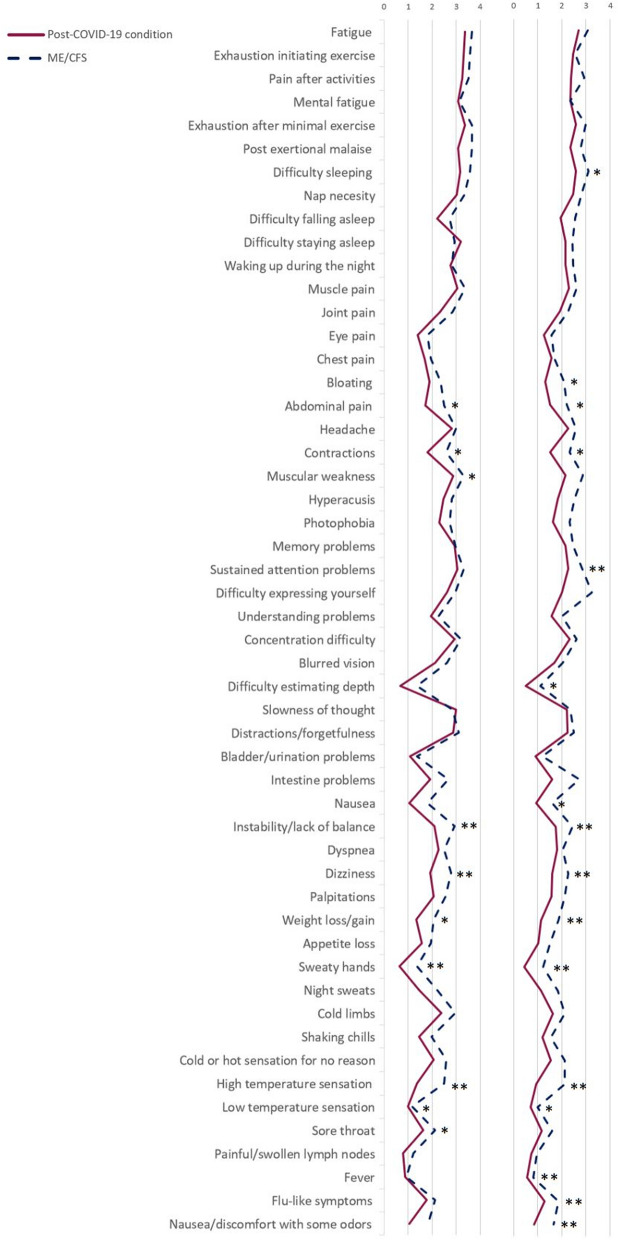
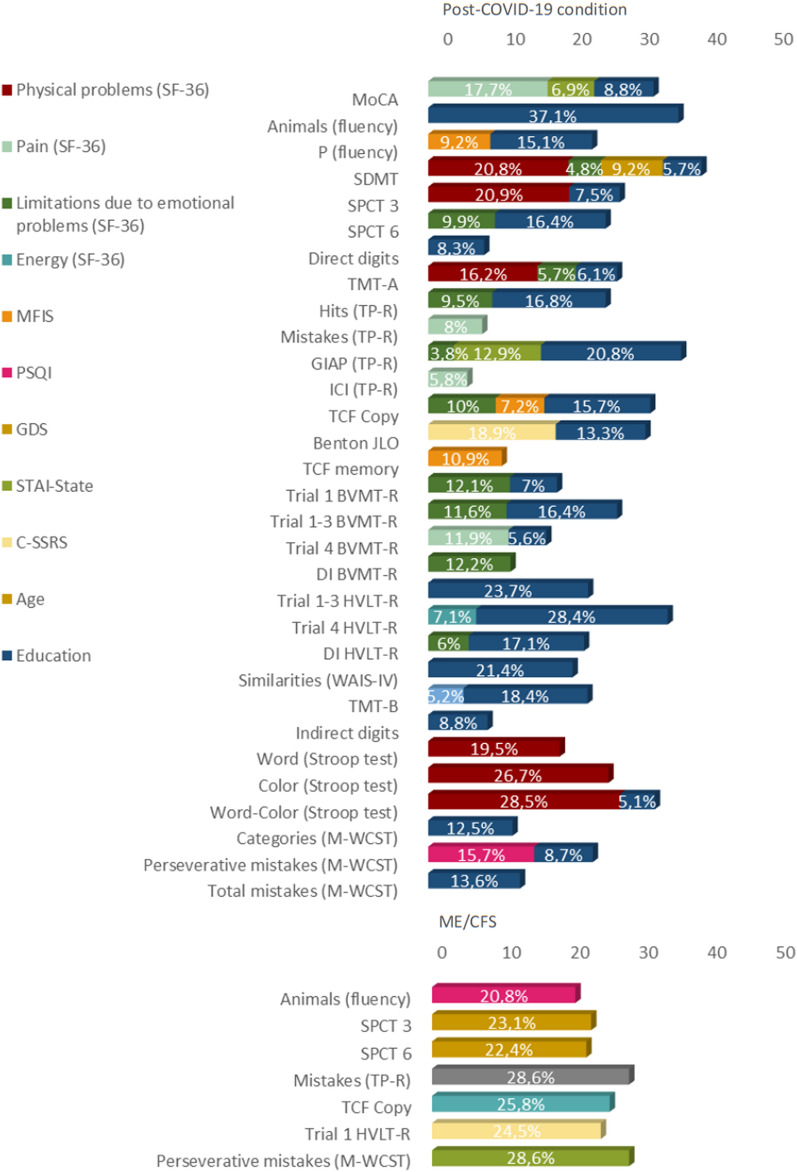
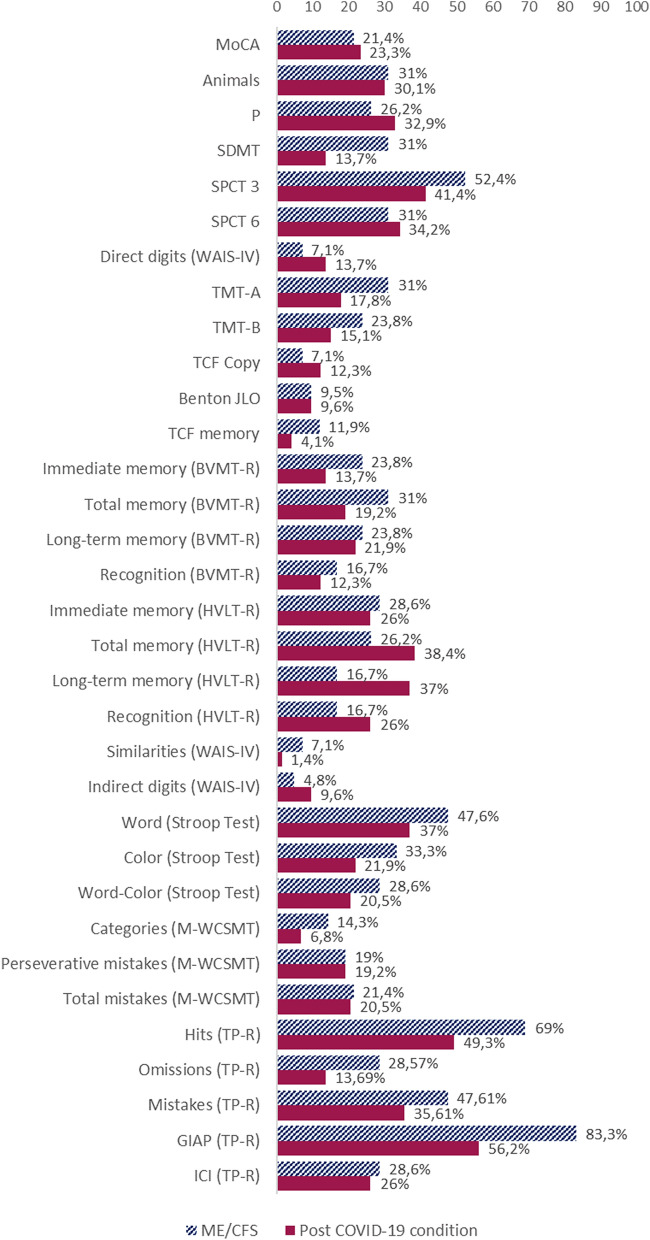
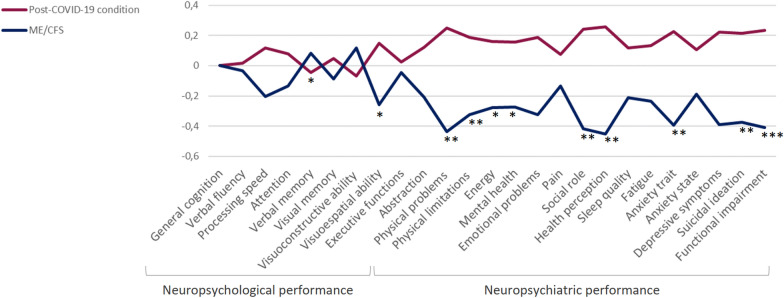
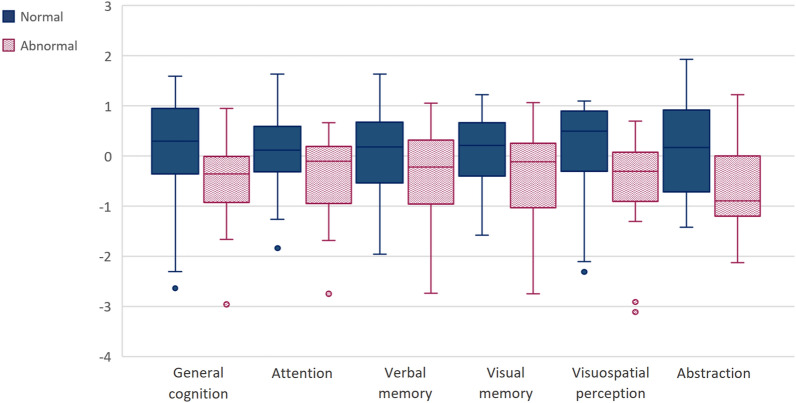
Both syndromes are characterized by excessive physical fatigue, sleep problems and myalgia. Sustained attention and processing speed were impaired in 83.3% and 52.4% of ME/CFS patients while in post-COVID-19 condition were impaired in 56.2% and 41.4% of patients, respectively. Statistically significant differences were found in sustained attention and visuospatial ability, being the ME/CFS group who presented the worst performance. Physical problems and mood issues were the main variables correlating with cognitive performance in post-COVID-19 patients, while in ME/CFS it was anxiety symptoms and physical fatigue.
The symptomatology and cognitive patterns were similar in both groups, with greater impairment in ME/CFS. This disease is characterized by greater physical and neuropsychiatric problems compared to post-COVID-19 condition. Likewise, we also propose the relevance of prolonged hyposmia as a possible marker of cognitive deterioration in patients with post-COVID-19.
肌痛性脑脊髓炎/慢性疲劳综合征(ME/CFS)的特征是持续的身体和精神疲劳。新冠病毒感染后综合征患者会出现身体疲劳和认知障碍后遗症。鉴于这两种情况的相似性,是否可能存在相同的病理机制,只是诱发因素不同?
描述两组患者的认知障碍、神经精神症状和一般症状,以确定是否存在相同的病理机制。同时,验证新冠病毒感染后综合征患者的嗅觉丧失是否与认知恶化有关。
样本包括 42 名 ME/CFS 患者和 73 名新冠病毒感染后综合征患者。评估了疲劳、睡眠质量、焦虑和抑郁症状、不同症状的频率和严重程度、嗅觉功能以及广泛的认知领域。
两种综合征均表现为极度身体疲劳、睡眠问题和肌肉疼痛。持续性注意力和处理速度在 83.3%和 52.4%的 ME/CFS 患者中受损,而在新冠病毒感染后综合征患者中分别为 56.2%和 41.4%受损。在持续性注意力和视空间能力方面发现了统计学上的显著差异,ME/CFS 组的表现最差。身体问题和情绪问题是新冠病毒感染后综合征患者认知表现的主要相关变量,而在 ME/CFS 中,焦虑症状和身体疲劳是主要相关变量。
两组患者的症状和认知模式相似,但 ME/CFS 组的损害更大。与新冠病毒感染后综合征相比,ME/CFS 更具身体和神经精神问题的特征。同样,我们还提出了嗅觉持续减退作为新冠病毒感染后综合征患者认知恶化的可能标志物的相关性。