Institute for Genome Stability in Aging and Disease, Medical Faculty, University Hospital and University of Cologne, Cologne, Germany.
Cologne Excellence Cluster for Cellular Stress Responses in Aging-Associated Diseases (CECAD), Center for Molecular Medicine Cologne (CMMC), University of Cologne, Cologne, Germany.
Nature. 2023 Jan;613(7943):365-374. doi: 10.1038/s41586-022-05544-w. Epub 2022 Dec 21.
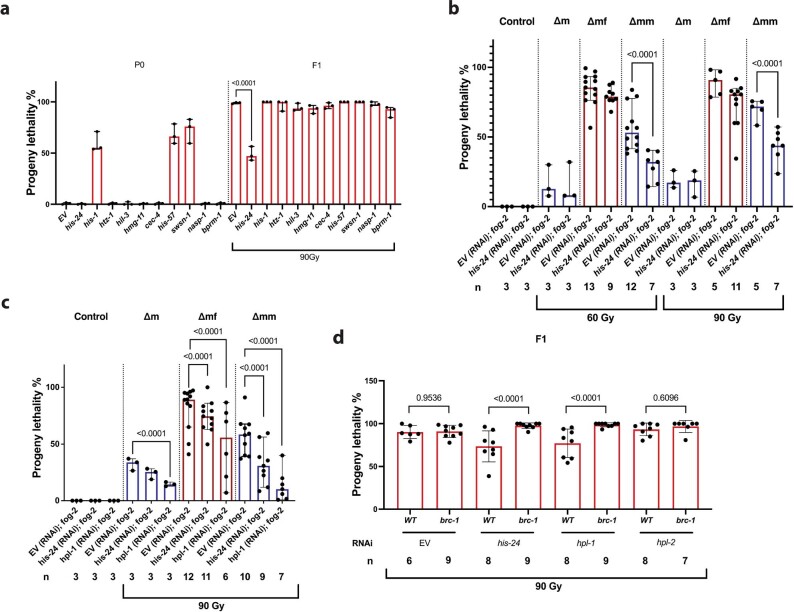
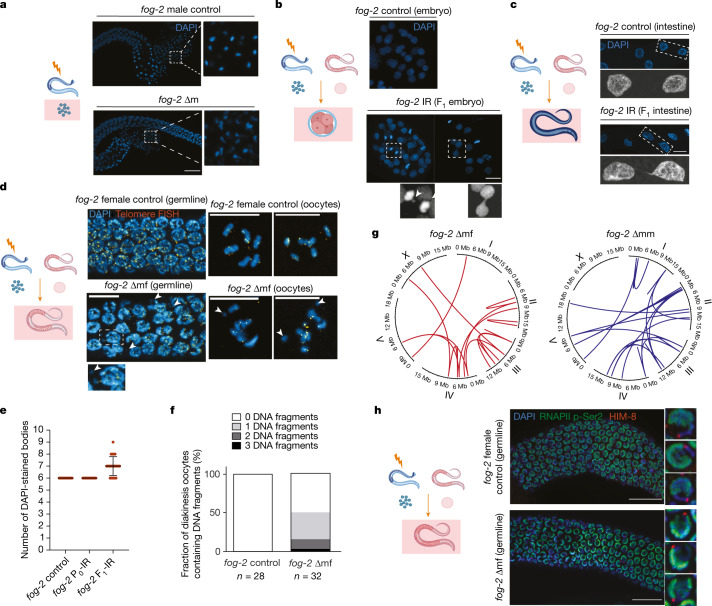
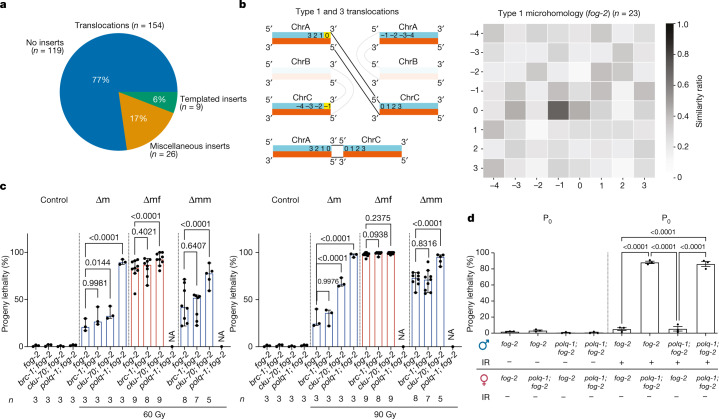
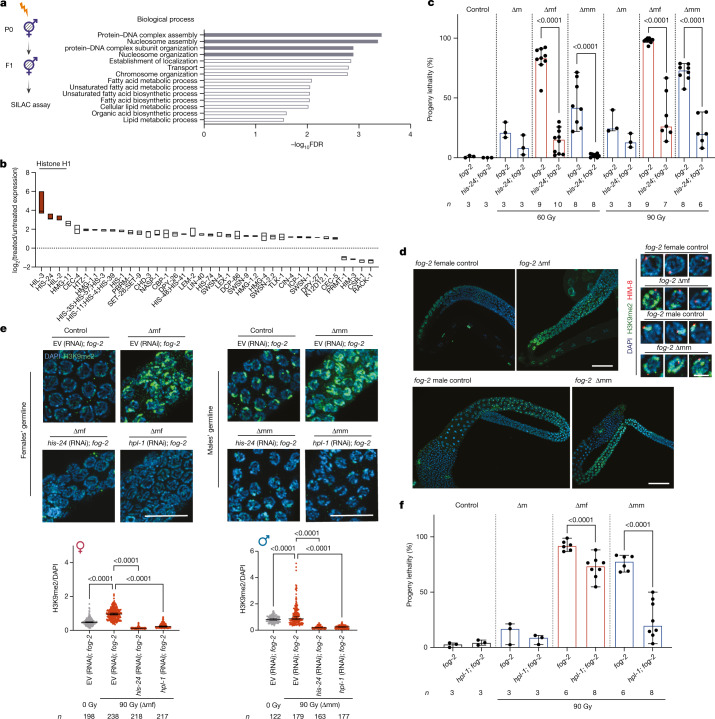
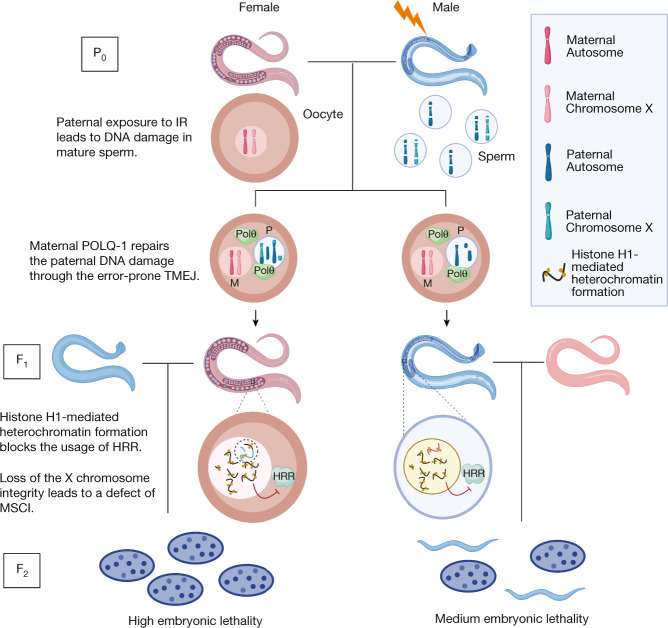
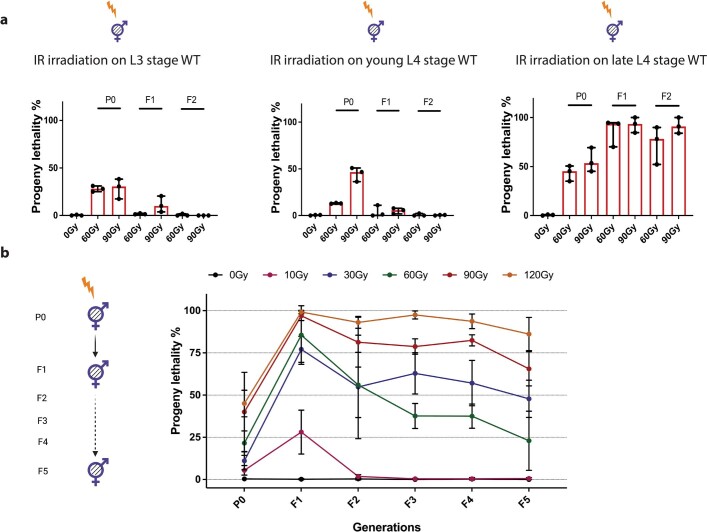
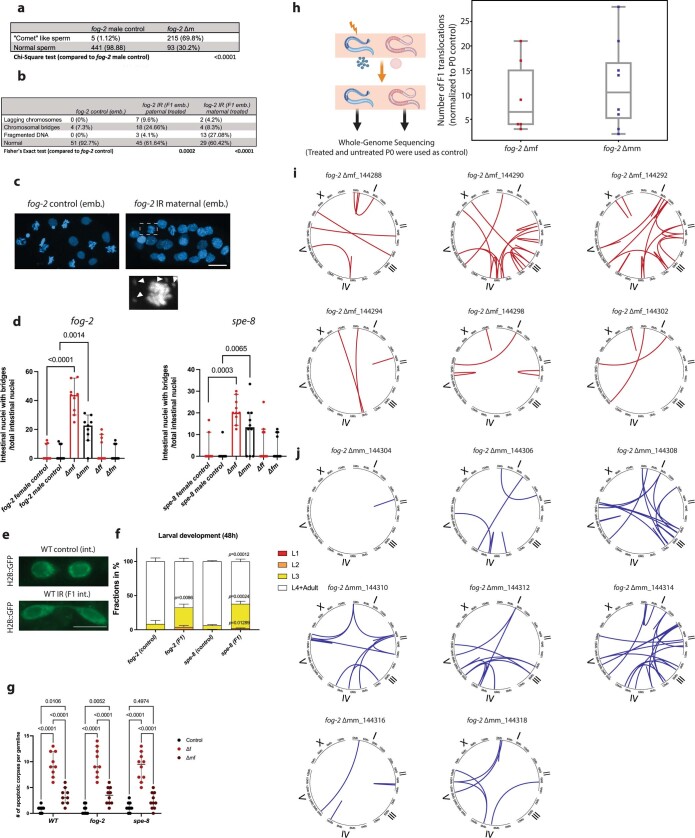
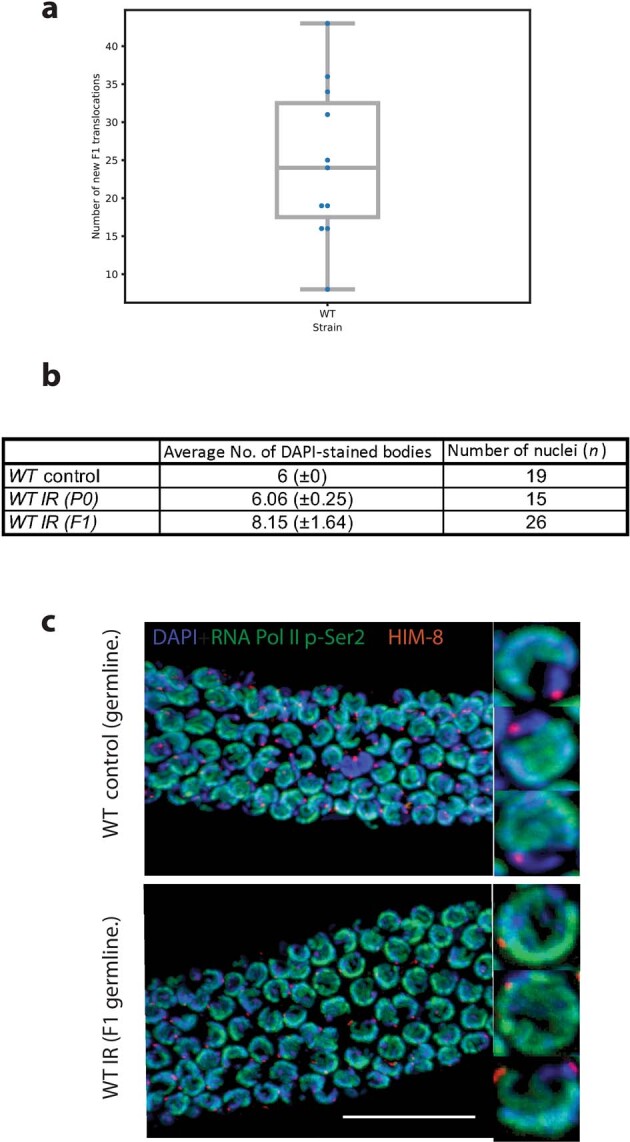
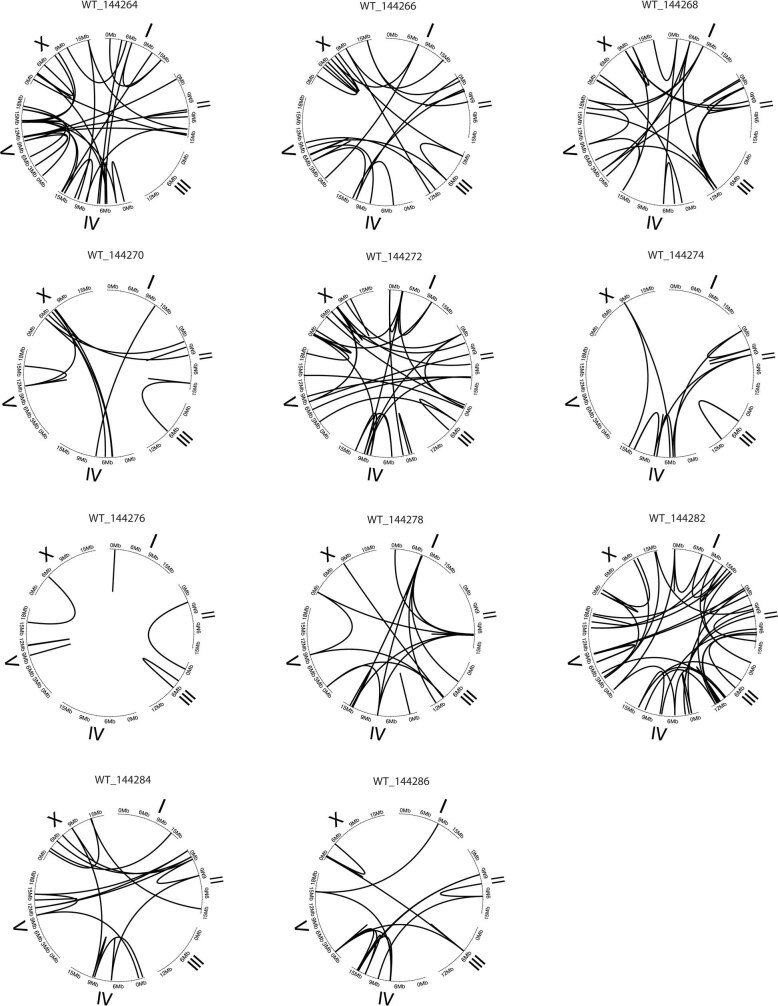
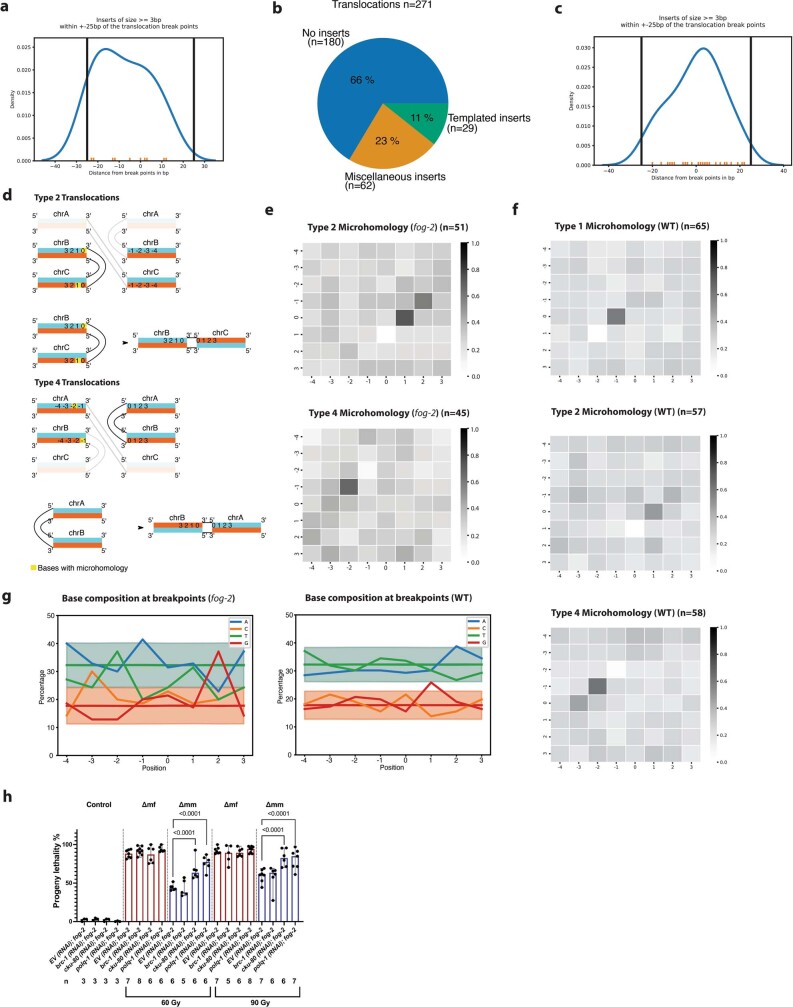
How paternal exposure to ionizing radiation affects genetic inheritance and disease risk in the offspring has been a long-standing question in radiation biology. In humans, nearly 80% of transmitted mutations arise in the paternal germline, but the transgenerational effects of ionizing radiation exposure has remained controversial and the mechanisms are unknown. Here we show that in sex-separated Caenorhabditis elegans strains, paternal, but not maternal, exposure to ionizing radiation leads to transgenerational embryonic lethality. The offspring of irradiated males displayed various genome instability phenotypes, including DNA fragmentation, chromosomal rearrangement and aneuploidy. Paternal DNA double strand breaks were repaired by maternally provided error-prone polymerase theta-mediated end joining. Mechanistically, we show that depletion of an orthologue of human histone H1.0, HIS-24, or the heterochromatin protein HPL-1, could significantly reverse the transgenerational embryonic lethality. Removal of HIS-24 or HPL-1 reduced histone 3 lysine 9 dimethylation and enabled error-free homologous recombination repair in the germline of the F generation from ionizing radiation-treated P males, consequently improving the viability of the F generation. This work establishes the mechanistic underpinnings of the heritable consequences of paternal radiation exposure on the health of offspring, which may lead to congenital disorders and cancer in humans.
父代暴露于电离辐射如何影响遗传物质的传递和后代的疾病风险,这是放射生物学中长期存在的问题。在人类中,近 80%的突变是在父系生殖细胞中产生的,但电离辐射暴露的跨代效应仍存在争议,其机制尚不清楚。在这里,我们展示了在雌雄分离的秀丽隐杆线虫品系中,父代而非母代暴露于电离辐射会导致跨代胚胎致死。受照射雄性的后代表现出各种基因组不稳定性表型,包括 DNA 片段化、染色体重排和非整倍体。父代 DNA 的双链断裂由母源提供的易错聚合酶θ介导的末端连接修复。从机制上讲,我们表明,人类组蛋白 H1.0 的同源物 HIS-24 或异染色质蛋白 HPL-1 的耗竭,可以显著逆转跨代胚胎致死。HIS-24 或 HPL-1 的缺失减少了组蛋白 3 赖氨酸 9 二甲基化,并使经电离辐射处理的 P 代雄性的生殖细胞中的同源重组修复无差错,从而提高了 F 代的活力。这项工作确立了父代辐射暴露对后代健康的可遗传后果的机制基础,这可能导致人类的先天性疾病和癌症。