Losada-Barreiro Sonia, Sezgin-Bayindir Zerrin, Paiva-Martins Fátima, Bravo-Díaz Carlos
Departamento de Química-Física, Facultade de Química, Universidade de Vigo, 36200 Vigo, Spain.
Department of Pharmaceutical Technology, Faculty of Pharmacy, Ankara University, 06560 Ankara, Turkey.
Biomedicines. 2022 Nov 25;10(12):3051. doi: 10.3390/biomedicines10123051.
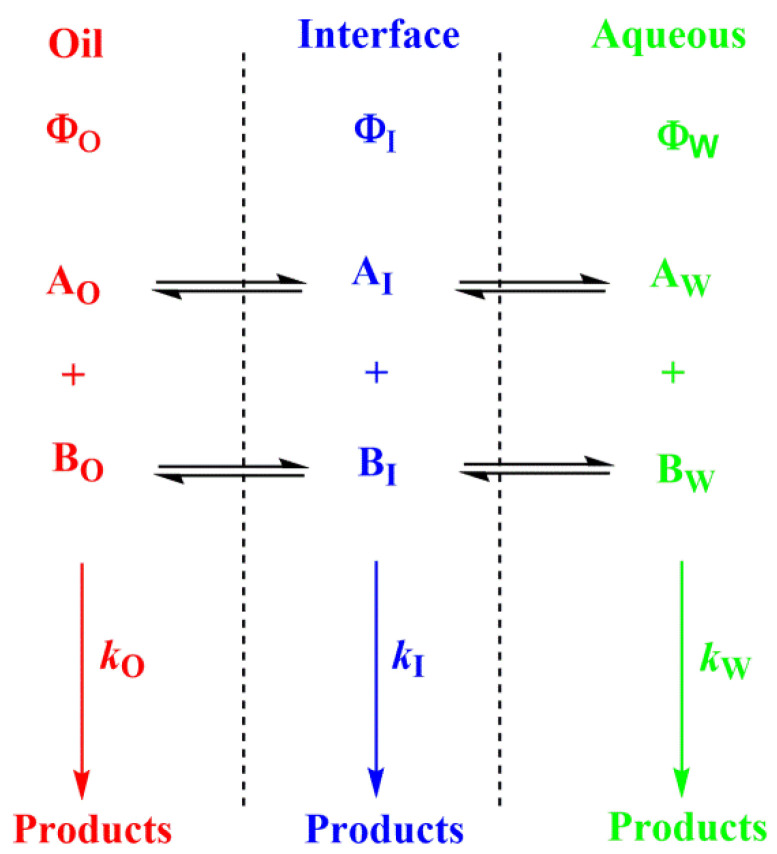
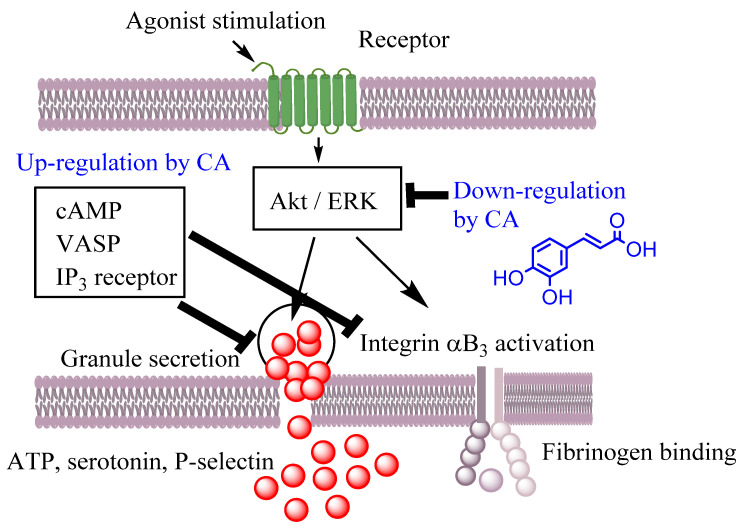
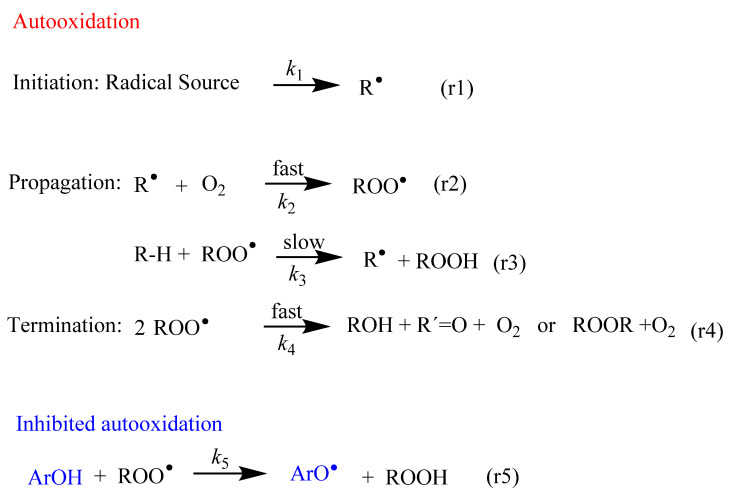
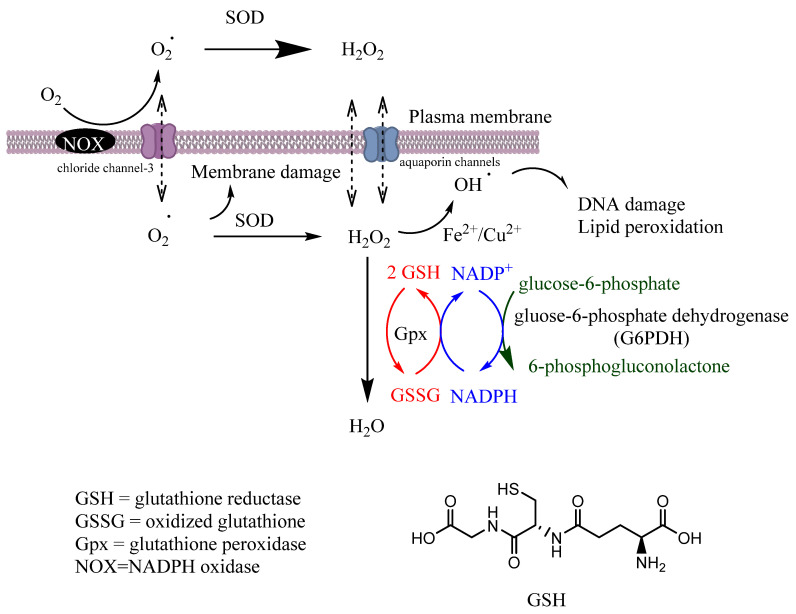
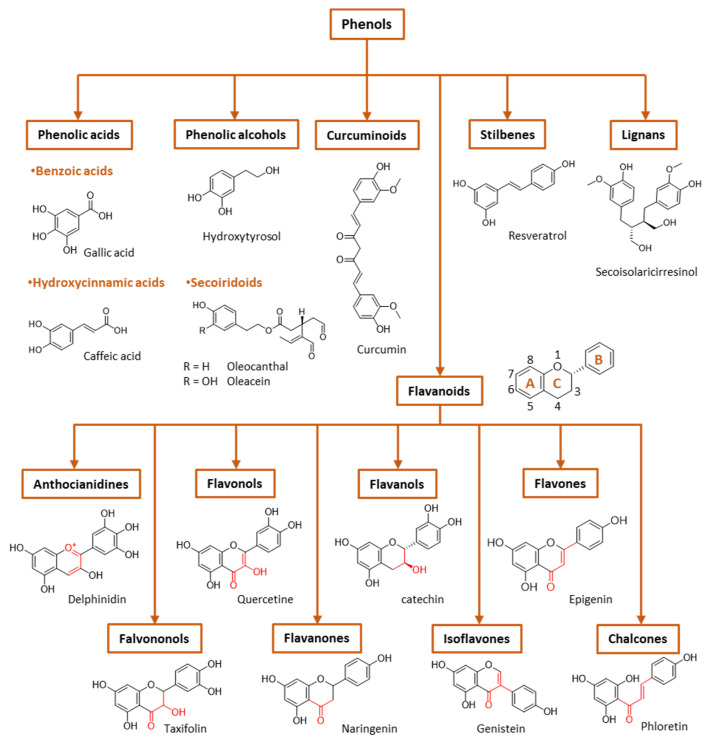
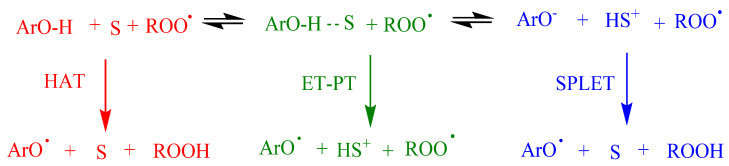
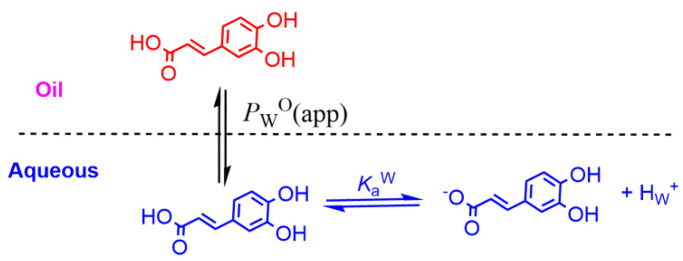
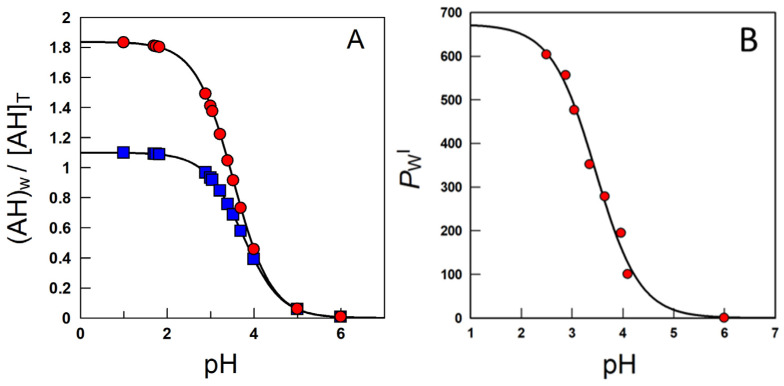
Natural antioxidants from fruits and vegetables, meats, eggs and fish protect cells from the damage caused by free radicals. They are widely used to reduce food loss and waste, minimizing lipid oxidation, as well as for their effects on health through pharmaceutical preparations. In fact, the use of natural antioxidants is among the main efforts made to relieve the pressure on natural resources and to move towards more sustainable food and pharmaceutical systems. Alternative food waste management approaches include the valorization of by-products as a source of phenolic compounds for functional food formulations. In this review, we will deal with the chemistry of antioxidants, including their molecular structures and reaction mechanisms. The biochemical aspects will also be reviewed, including the effects of acidity and temperature on their partitioning in binary and multiphasic systems. The poor bioavailability of antioxidants remains a huge constraint for clinical applications, and we will briefly describe some delivery systems that provide for enhanced pharmacological action of antioxidants via drug targeting and increased bioavailability. The pharmacological activity of antioxidants can be improved by designing nanotechnology-based formulations, and recent nanoformulations include nanoparticles, polymeric micelles, liposomes/proliposomes, phytosomes and solid lipid nanoparticles, all showing promising outcomes in improving the efficiency and bioavailability of antioxidants. Finally, an overview of the pharmacological effects, therapeutic properties and future choice of antioxidants will be incorporated.
水果、蔬菜、肉类、蛋类和鱼类中的天然抗氧化剂可保护细胞免受自由基造成的损伤。它们被广泛用于减少食物损失和浪费,将脂质氧化降至最低,以及通过药物制剂发挥对健康的作用。事实上,使用天然抗氧化剂是缓解自然资源压力并迈向更可持续的食品和制药系统的主要努力之一。替代性食物垃圾管理方法包括将副产品作为功能性食品配方中酚类化合物的来源进行增值利用。在本综述中,我们将探讨抗氧化剂的化学性质,包括它们的分子结构和反应机制。还将综述生物化学方面,包括酸度和温度对其在二元和多相系统中分配的影响。抗氧化剂较差的生物利用度仍然是临床应用的巨大限制,我们将简要描述一些通过药物靶向和提高生物利用度来增强抗氧化剂药理作用的递送系统。通过设计基于纳米技术的制剂可以提高抗氧化剂的药理活性,最近的纳米制剂包括纳米颗粒、聚合物胶束、脂质体/前体脂质体、植物脂质体和固体脂质纳米颗粒,所有这些在提高抗氧化剂的效率和生物利用度方面都显示出有前景的结果。最后,将纳入抗氧化剂的药理作用、治疗特性及未来选择的概述。