Betouke Ongwe Madeleine Eunice, Kohler Isabelle, Manurung Mikhael D, Verhoeven Aswin, Derks Rico, Janse Jacqueline J, Mouwenda Yoanne D, Kremsner Peter G, Adegnika Ayola A, Lell Bertrand, Everts Bart, Mayboroda Oleg A, Yazdanbakhsh Maria
Department of Parasitology, Leiden University Medical Center, 2333 ZA Leiden, The Netherlands.
Centre de Recherches Médicales de Lambaréné, Lambaréné P.O. Box 242, Gabon.
Metabolites. 2022 Dec 6;12(12):1224. doi: 10.3390/metabo12121224.
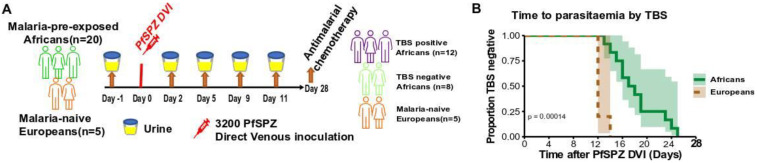
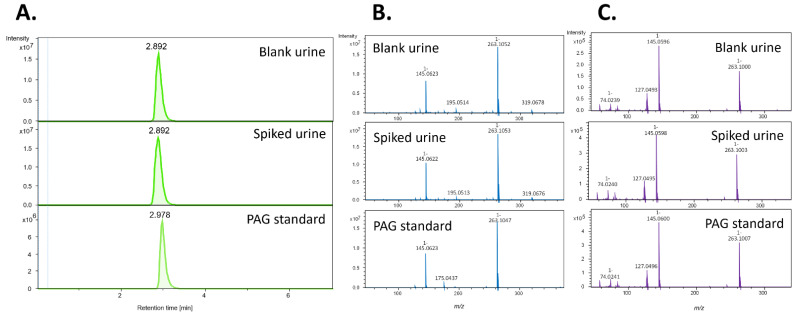
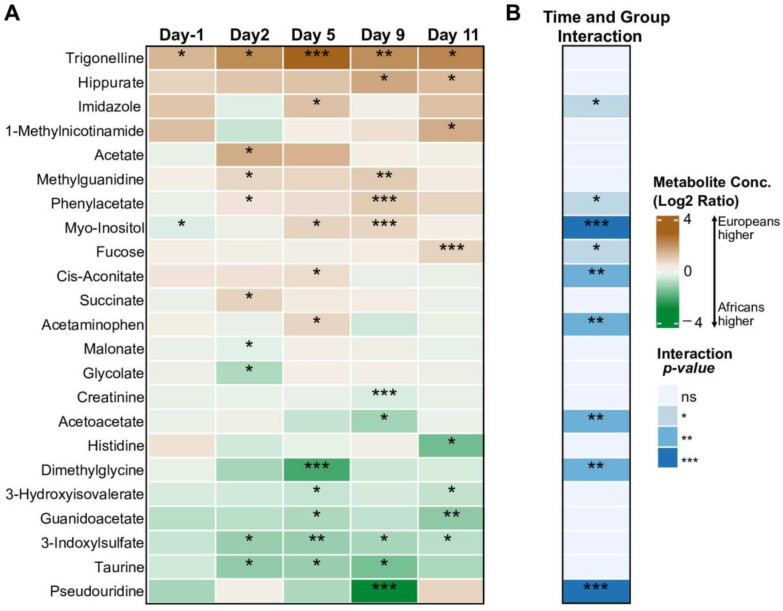
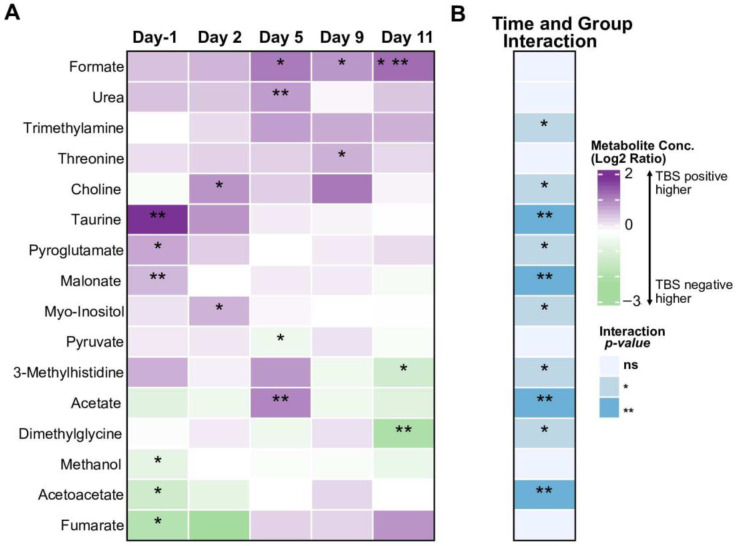
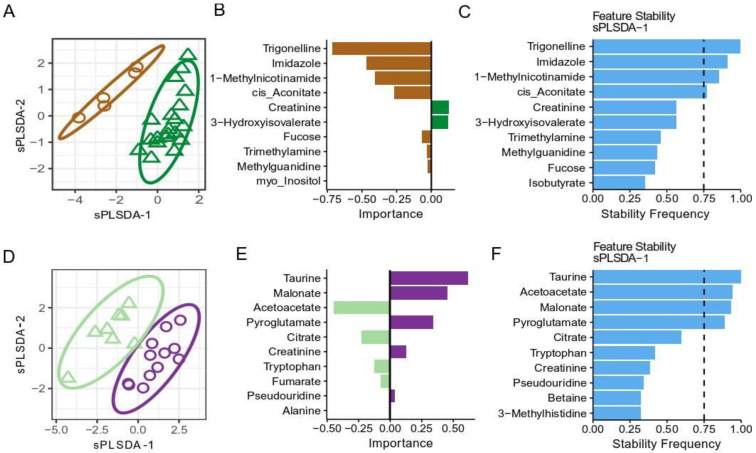
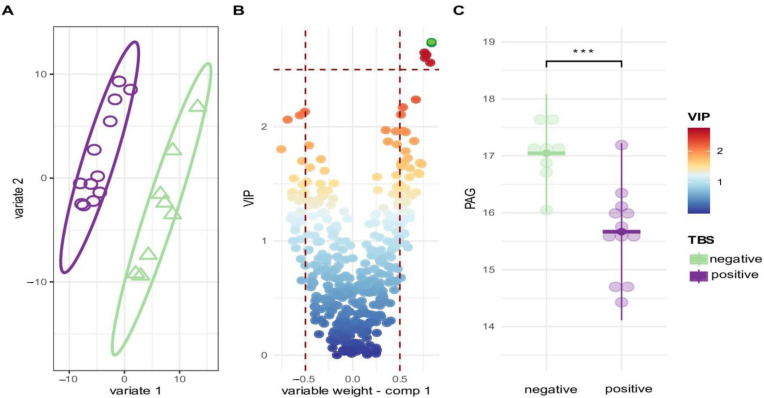
The interaction of malaria parasites with their human host is extensively studied, yet only few studies reported how infection affects urinary metabolite profiles and how this is associated with immunity. We present a longitudinal study of the urinary metabolic profiles of twenty healthy Africans with lifelong exposure to malaria and five malaria-naïve Europeans, who were all challenged with direct venous inoculation of live sporozoïtes (PfSPZ) and followed up until they developed symptoms or became thick blood smear positive (TBS). Urine samples were collected before and at 2, 5, 9 and 11 days post challenge and were analysed. Upon infection, all Europeans became TBS positive, while Africans showed either a delay in time to parasitaemia or controlled infection. Our metabolic data showed that Europeans and Africans had distinct alterations in metabolite patterns, with changes mostly seen on days 5 and 9 post PfSPZ infection, and more prominently in Europeans. Within the African group, the levels of formate, urea, trimethylamine, threonine, choline, myo-inositol and acetate were significantly higher in TBS positive whereas the levels of pyruvate, 3-methylhistidine and dimethylglycine were significantly lower in individuals who remained TBS negative. Notably, before inoculation with PfSPZ, a group of metabolites including phenylacetylglutamine can potentially be used to predict parasitaemia control among Africans. Taken together, this study highlights the difference in urinary metabolic changes in response to malaria infection as a consequence of lifelong exposure to malaria and that change detectable before challenge might predict the control of parasitaemia in malaria-endemic areas.
疟疾寄生虫与其人类宿主之间的相互作用已得到广泛研究,但只有少数研究报告了感染如何影响尿液代谢物谱以及这与免疫力之间的关系。我们进行了一项纵向研究,对象是20名终生接触疟疾的健康非洲人和5名未接触过疟疾的欧洲人,他们均通过直接静脉接种活疟原虫(PfSPZ)进行挑战,并随访至出现症状或厚血膜阳性(TBS)。在挑战前以及挑战后第2、5、9和11天收集尿液样本并进行分析。感染后,所有欧洲人TBS呈阳性,而非洲人则表现出寄生虫血症出现时间延迟或感染得到控制。我们的代谢数据表明,欧洲人和非洲人的代谢物模式有明显改变,主要在PfSPZ感染后第5天和第9天出现变化,在欧洲人身上更为明显。在非洲人群中,TBS阳性者的甲酸、尿素、三甲胺、苏氨酸、胆碱、肌醇和乙酸水平显著较高,而TBS阴性者的丙酮酸、3-甲基组氨酸和二甲基甘氨酸水平显著较低。值得注意的是,在接种PfSPZ之前,一组包括苯乙酰谷氨酰胺在内的代谢物可能可用于预测非洲人寄生虫血症的控制情况。综上所述,本研究强调了由于终生接触疟疾,对疟疾感染的尿液代谢变化存在差异,并且在挑战前可检测到的变化可能预测疟疾流行地区寄生虫血症的控制情况。