School of Sport, Nutrition and Exercise, Massey University, Auckland 0632, New Zealand.
School of Food and Advanced Technology, Massey University, Auckland 0632, New Zealand.
Nutrients. 2022 Dec 12;14(24):5287. doi: 10.3390/nu14245287.
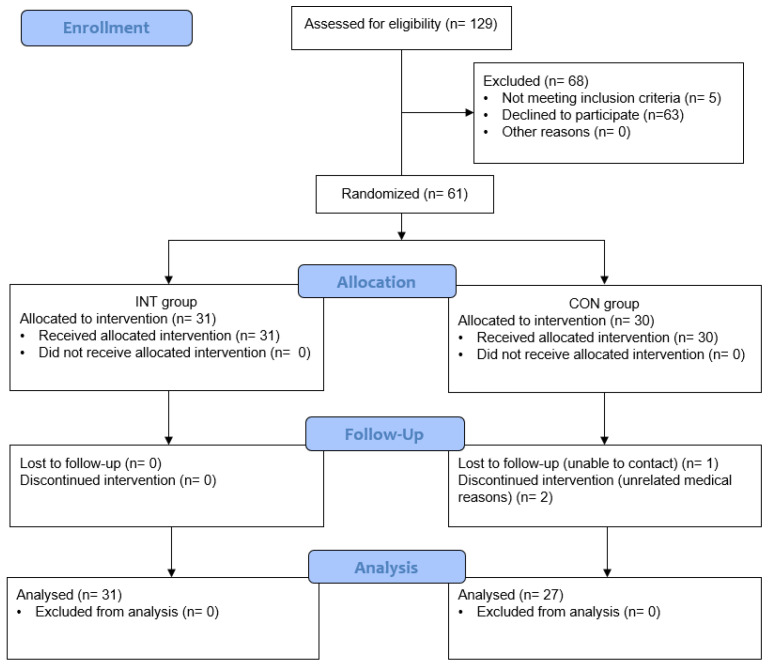
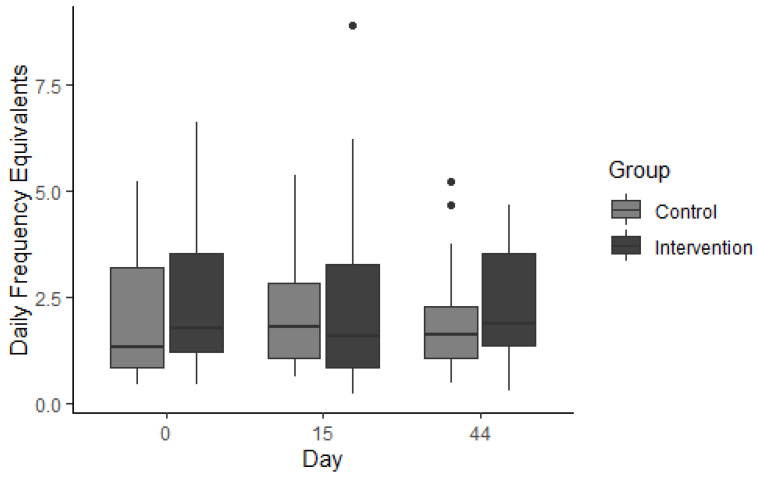
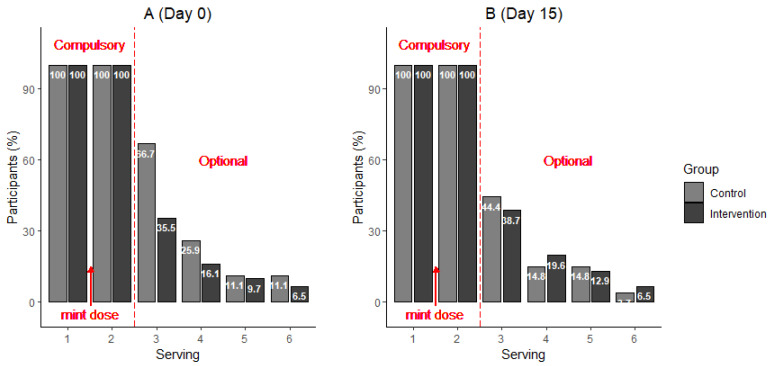
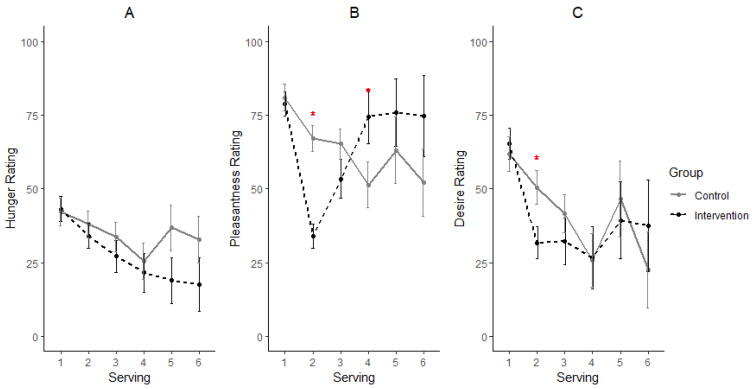
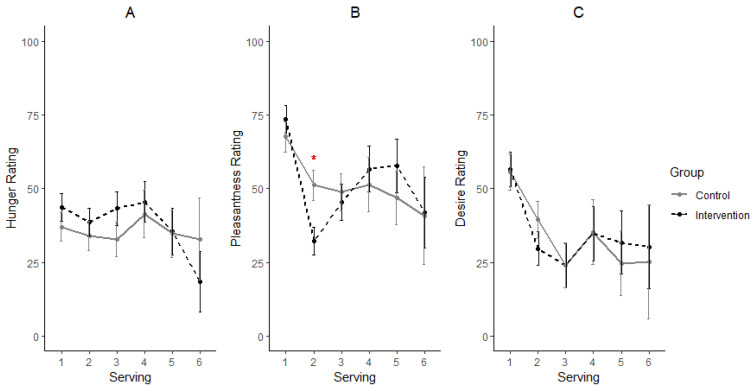
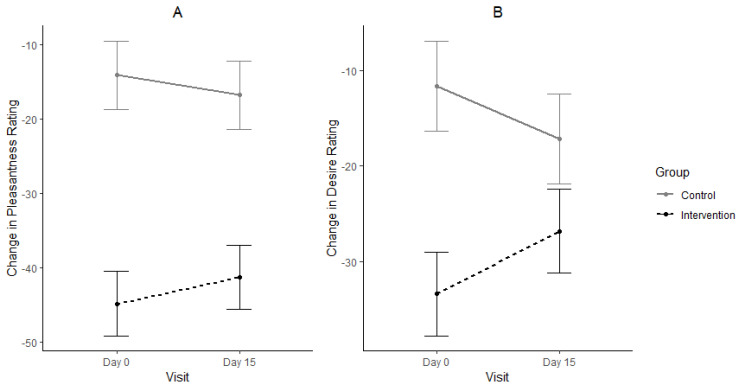
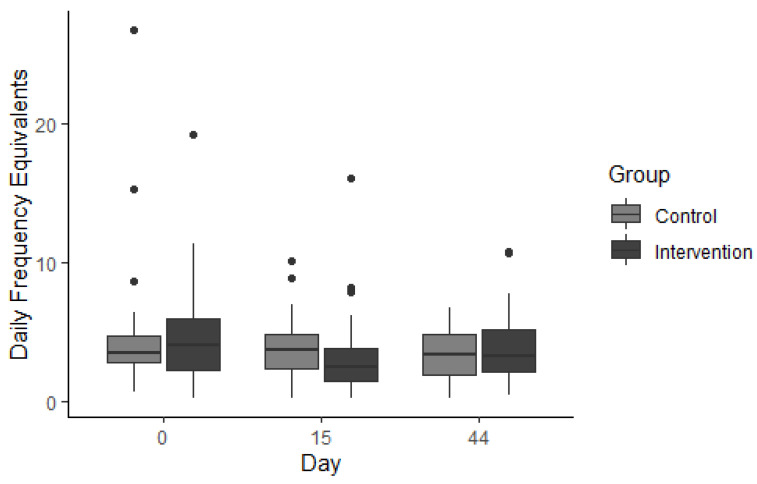
Gymnemic-acids (GA) block lingual sweet taste receptors, thereby reducing pleasantness and intake of sweet food. Objective: To examine whether a 14-day gymnema-based intervention can reduce sweet foods and discretionary sugar intake in free-living adults. Healthy adults (n = 58) were randomly allocated to either the intervention group (INT) or control group (CON). The intervention comprised of consuming 4 mg of Gymnema sylvestre containing 75% gymnema acids, a fibre and vitamin supplement, and an associated healthy-eating guide for 14 days; participants in the CON group followed the same protocol, replacing the GA with a placebo mint. Amount of chocolate bars eaten and sensory testing were conducted before and after the 14-day intervention (post-GA or placebo dosing on days zero and 15, respectively). Food frequency questionnaires were conducted on days zero, 15 and after a 28-day maintenance period to examine any changes in intake of sweet foods. A range of statistical procedures were used to analyse the data including Chi square, t-test and two-way analysis of variance. Post dosing, INT consumed fewer chocolates (2.65 ± 0.21 bars) at day zero than CON (3.15 ± 0.24 bars; p = 0.02); there were no differences between groups at day 15 (INT = 2.77 ± 0.22 bars; CON = 2.78 ± 0.22 bars; p = 0.81). At both visits, a small substantive effect (r < 0.3) was observed in the change in pleasantness and desire ratings, with INT showing a slight increase while CON showed a small decrease over the 14-day period. No differences were found in the intake of 9 food categories between groups at any timepoint. There were no differences in consumption of low sugar healthy foods between visits, or by group. The 14-day behavioural intervention reduced pleasantness and intake of chocolate in a laboratory setting. There was no habituation to the mint over the 14-day period. This study is the first to investigate the effect of longer-term gymnema acid consumption on sweet food consumption outside of a laboratory setting; further research is needed to assess how long the effect of the 14-day intervention persists.
甜菊糖酸(GA)可以阻断舌头上的甜味受体,从而降低人们对甜味食物的愉悦感和摄入量。目的:研究为期 14 天的匙羹藤干预是否能减少自由生活成年人对甜味食物和可自由支配糖的摄入量。健康成年人(n=58)被随机分配到干预组(INT)或对照组(CON)。干预措施包括在 14 天内服用 4 毫克含有 75%甜菊糖酸的匙羹藤、一种纤维和维生素补充剂,以及一份相关的健康饮食指南;CON 组的参与者遵循相同的方案,用安慰剂薄荷替代 GA。在 14 天的干预前后(分别在第 0 天和第 15 天进行 GA 或安慰剂给药)进行巧克力棒摄入量和感官测试。在第 0 天、第 15 天和 28 天维持期后进行食物频率问卷,以检查甜味食物摄入量的任何变化。使用卡方检验、t 检验和双向方差分析等一系列统计程序对数据进行分析。给药后,INT 在第 0 天的巧克力摄入量(2.65±0.21 条)少于 CON(3.15±0.24 条;p=0.02);第 15 天两组间无差异(INT=2.77±0.22 条;CON=2.78±0.22 条;p=0.81)。在两次就诊时,INT 组的愉悦感和渴望评分变化均观察到较小的实质性影响(r<0.3),而 INT 组略有增加,而 CON 组略有下降。在任何时间点,两组之间 9 种食物类别的摄入量均无差异。两次就诊时或组间低糖健康食品的摄入量均无差异。为期 14 天的行为干预减少了实验室环境中巧克力的愉悦感和摄入量。在 14 天期间,薄荷没有产生习惯化。本研究首次调查了在实验室环境之外长期摄入甜菊糖酸对甜味食物摄入的影响;需要进一步研究以评估 14 天干预的效果持续时间。