Department of Anatomy and Cell Biology, College of Medicine, Gachon University, Incheon, South Korea.
Multidisciplinary Research Unit, GSVM Medical College, Kanpur, Uttar Pradesh, India.
Front Immunol. 2022 Dec 8;13:1040027. doi: 10.3389/fimmu.2022.1040027. eCollection 2022.
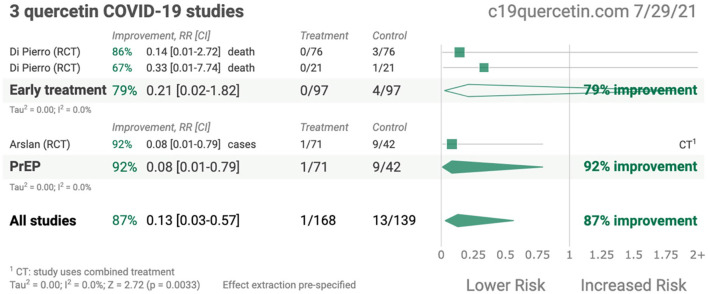
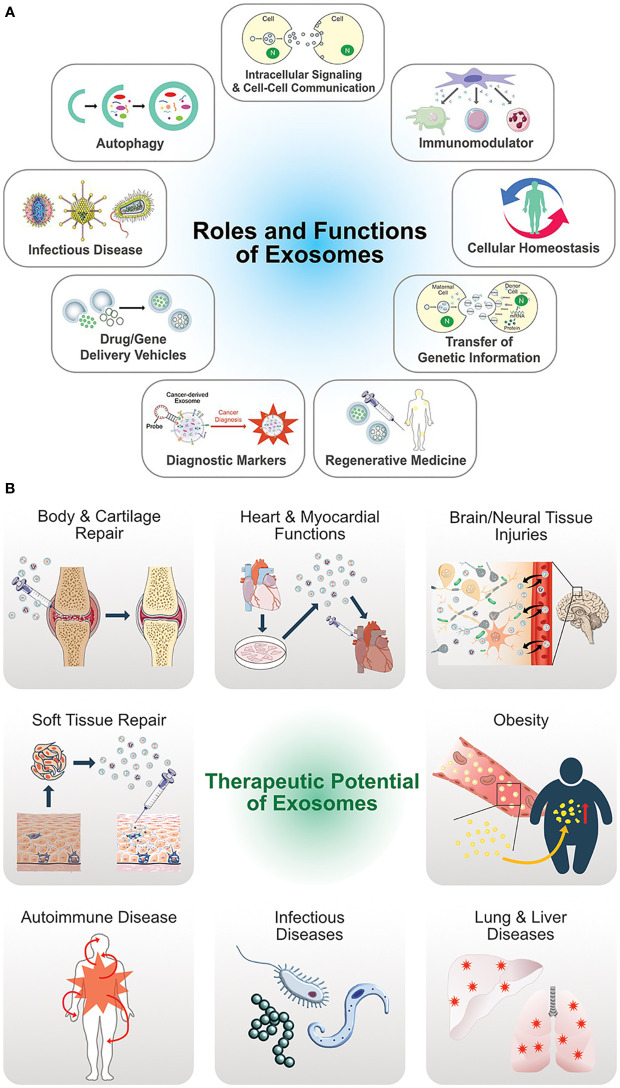
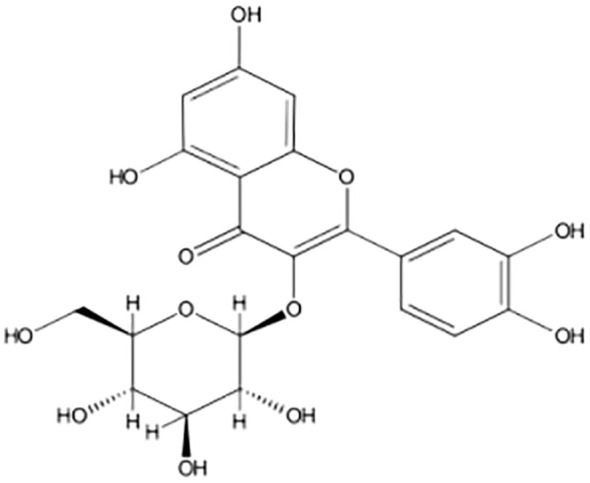
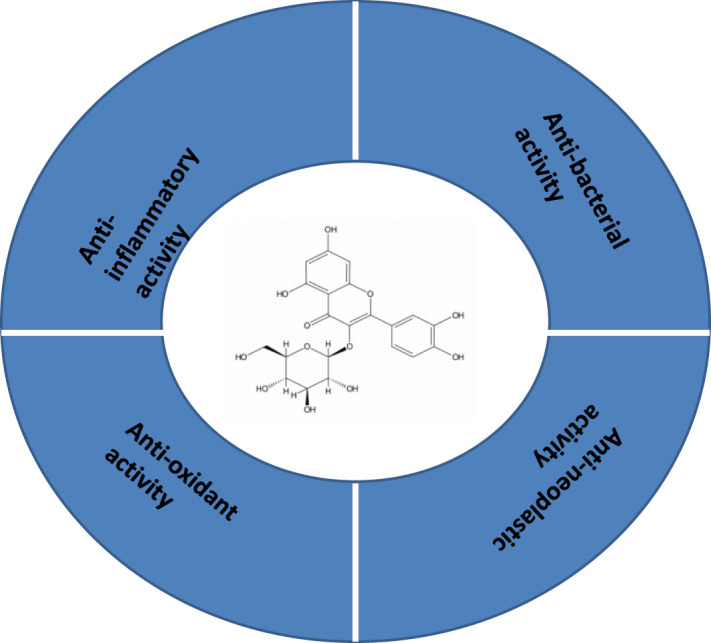
Quercetin (QCT) is a naturally occurring phenolic flavonoid compound with inbuilt characteristics of antioxidant, anti-inflammatory, and immune protection. Several recent studies have shown that QCT and QCTits nanoparticles have therapeutic potential against severe acute respiratory syndrome coronavirus-2 (SARS-CoV-2) infection. Novel therapeutics also include the implication of extracellular vesicles (EVs) to protect from SARS-CoV-2 viral infection. This article highlighted the therapeutic/prophylactic potential of engineered EVs loaded with QCT against SARS-CoV-2 infection. Several biotechnological engineering approaches are available to deliver EVs loaded with QCT nanoparticles. Among these biotechnological advances, a specific approach with significantly higher efficiency and yield has to be opted to fabricate such drug delivery of nano molecules, especially to combat SARS-CoV-2 infection. The current treatment regime protects the human body from virus infection but has some limitations including drugs and long-term steroid side effects. However, the vaccine strategy is somehow effective in inhibiting the spread of coronavirus disease-19 (COVID-19) infection. Moreover, the proposed exosomal therapy met the current need to repair the damaged tissue along with inhibition of COVID-19-associated complications at the tissue level. These scientific findings expand the possibilities and predictability of developing a novel and cost-effective therapeutic approach that combines the dual molecule, EVs and QCT nanoparticles, to treat SARS-CoV-2 infection. Therefore, the most suitable engineering method to fabricate such a drug delivery system should be better understood before developing novel therapeutics for clinical purposes.
槲皮素 (QCT) 是一种天然存在的酚类类黄酮化合物,具有抗氧化、抗炎和免疫保护的内在特性。最近的几项研究表明,QCT 和 QCTits 纳米颗粒对严重急性呼吸综合征冠状病毒 2 (SARS-CoV-2) 感染具有治疗潜力。新型疗法还包括细胞外囊泡 (EVs) 的应用,以防止 SARS-CoV-2 病毒感染。本文强调了负载 QCT 的工程 EVs 对 SARS-CoV-2 感染的治疗/预防潜力。有几种生物技术工程方法可用于递送负载 QCT 的 EVs。在这些生物技术进展中,必须选择具有更高效率和产量的特定方法来制造这种纳米分子的药物递送,特别是用于对抗 SARS-CoV-2 感染。目前的治疗方案可以保护人体免受病毒感染,但存在一些限制,包括药物和长期使用类固醇的副作用。然而,疫苗策略在抑制冠状病毒病 19 (COVID-19) 感染的传播方面在某种程度上是有效的。此外,拟议的外体疗法满足了修复受损组织以及抑制 COVID-19 相关并发症的当前需求。这些科学发现扩展了开发一种新的、具有成本效益的治疗方法的可能性和可预测性,该方法将 EVs 和 QCT 纳米颗粒这两种分子结合起来,用于治疗 SARS-CoV-2 感染。因此,在为临床目的开发新型治疗方法之前,应该更好地理解制造这种药物递送系统的最合适的工程方法。