Division of Hematology, Mayo Clinic, 200 1st St SW, Rochester, MN, 55905, USA.
J Exp Clin Cancer Res. 2022 Dec 29;41(1):362. doi: 10.1186/s13046-022-02579-9.
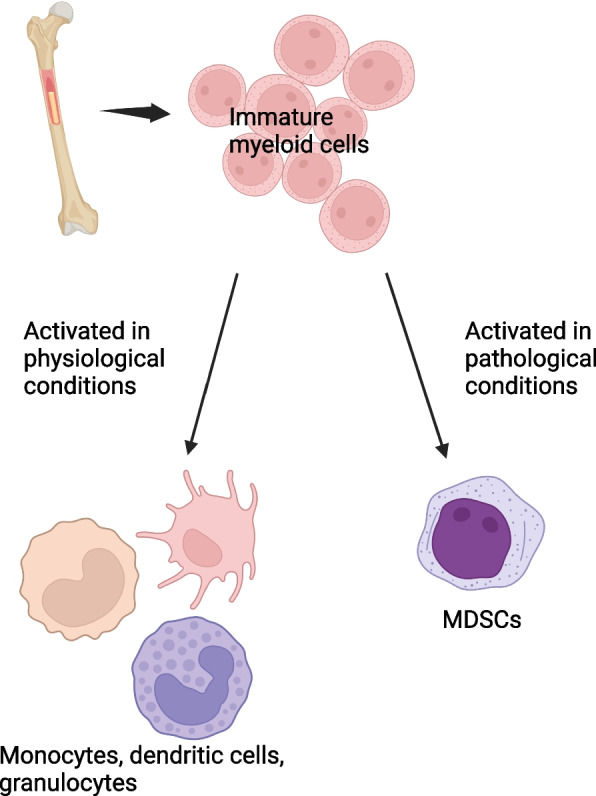
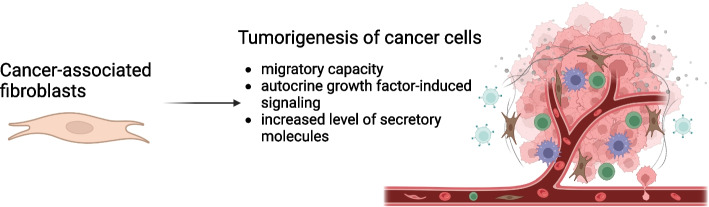
The standard therapies in lymphoma have predominantly focused on targeting tumor cells with less of a focus on the tumor microenvironment (TME), which plays a critical role in favoring tumor growth and survival. Such an approach may result in increasingly refractory disease with progressively reduced responses to subsequent treatments. To overcome this hurdle, targeting the TME has emerged as a new therapeutic strategy. The TME consists of T and B lymphocytes, tumor-associated macrophages (TAMs), myeloid-derived suppressor cells (MDSCs), cancer-associated fibroblasts (CAFs), and other components. Understanding the TME can lead to a comprehensive approach to managing lymphoma, resulting in therapeutic strategies that target not only cancer cells, but also the supportive environment and thereby ultimately improve survival of lymphoma patients. Here, we review the normal function of different components of the TME, the impact of their aberrant behavior in B cell lymphoma and the current TME-direct therapeutic avenues.
淋巴瘤的标准疗法主要侧重于针对肿瘤细胞,而对肿瘤微环境(TME)的关注较少,后者在促进肿瘤生长和存活方面起着关键作用。这种方法可能导致疾病越来越难治,对后续治疗的反应逐渐降低。为了克服这一障碍,针对 TME 已成为一种新的治疗策略。TME 由 T 和 B 淋巴细胞、肿瘤相关巨噬细胞(TAMs)、髓系来源的抑制细胞(MDSCs)、癌相关成纤维细胞(CAFs)和其他成分组成。了解 TME 可以导致对淋巴瘤进行全面管理的方法,从而产生不仅针对癌细胞,而且针对支持性环境的治疗策略,从而最终改善淋巴瘤患者的生存。在这里,我们回顾了 TME 中不同成分的正常功能,它们在 B 细胞淋巴瘤中的异常行为的影响以及当前的 TME 直接治疗途径。