Jin Meiqi, Zhang Shuxia, Wang Mengchen, Li Qiaoyu, Ren Jiahui, Luo Yun, Sun Xiaobo
Institute of Medicinal Plant Development, Peking Union Medical College and Chinese Academy of Medical Science, Beijing, China.
Beijing Key Laboratory of Innovative Drug Discovery of Traditional Chinese Medicine (Natural Medicine) and Translational Medicine, Beijing, China.
Front Bioeng Biotechnol. 2022 Dec 16;10:980548. doi: 10.3389/fbioe.2022.980548. eCollection 2022.
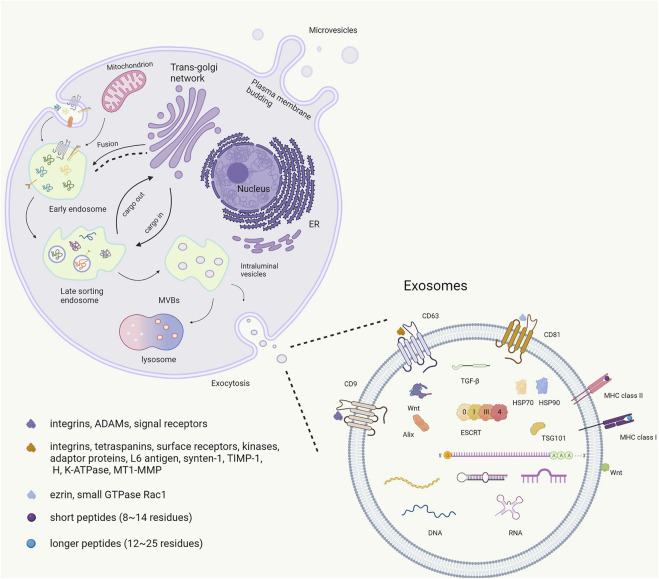
Ischemic stroke is one of the major contributors to death and disability worldwide. Thus, there is an urgent need to develop early brain tissue perfusion therapies following acute stroke and to enhance functional recovery in stroke survivors. The morbidity, therapy, and recovery processes are highly orchestrated interactions involving the brain with other tissues. Exosomes are natural and ideal mediators of intercellular information transfer and recognized as biomarkers for disease diagnosis and prognosis. Changes in exosome contents express throughout the physiological process. Accumulating evidence demonstrates the use of exosomes in exploring unknown cellular and molecular mechanisms of intercellular communication and organ homeostasis and indicates their potential role in ischemic stroke. Inspired by the unique properties of exosomes, this review focuses on the communication, diagnosis, and therapeutic role of various derived exosomes, and their development and challenges for the treatment of cerebral ischemic stroke.
缺血性中风是全球范围内导致死亡和残疾的主要原因之一。因此,迫切需要开发急性中风后的早期脑组织灌注疗法,并提高中风幸存者的功能恢复。发病率、治疗和恢复过程是涉及大脑与其他组织的高度协调的相互作用。外泌体是细胞间信息传递的天然理想介质,被认为是疾病诊断和预后的生物标志物。外泌体内容物的变化在整个生理过程中都有体现。越来越多的证据表明外泌体在探索细胞间通讯和器官稳态的未知细胞和分子机制方面的应用,并表明它们在缺血性中风中的潜在作用。受外泌体独特特性的启发,本综述重点关注各种衍生外泌体的通讯、诊断和治疗作用,以及它们在治疗脑缺血性中风方面的发展和挑战。