Reproductive Medicine Center, Xiangya Hospital, Central South University, 410008, Changsha, Hunan, China.
Department of Gastroenterology, Xiangya Hospital, Central South University, 410008, Changsha, Hunan, China.
BMC Genomics. 2023 Jan 2;24(1):1. doi: 10.1186/s12864-022-09103-5.
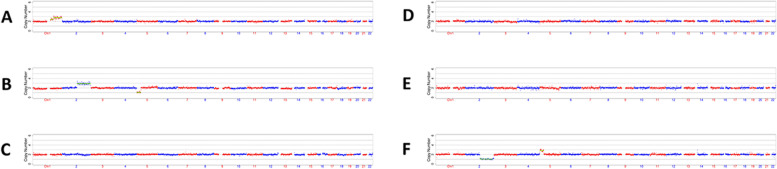
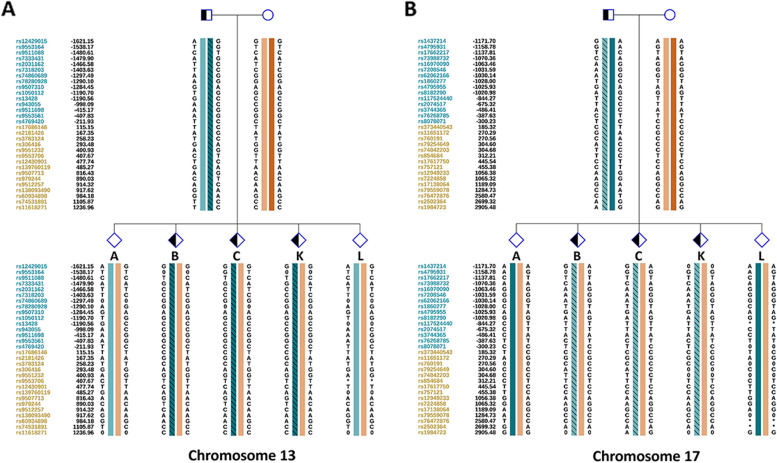
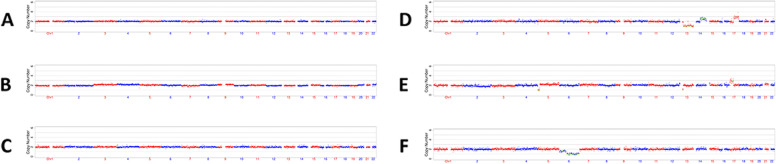
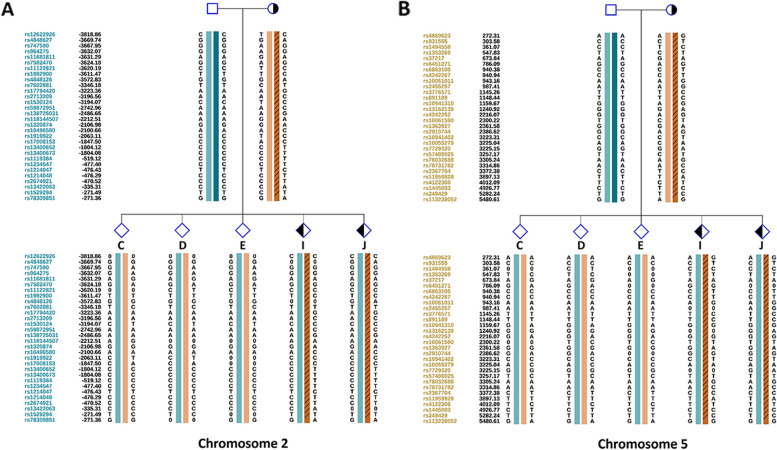
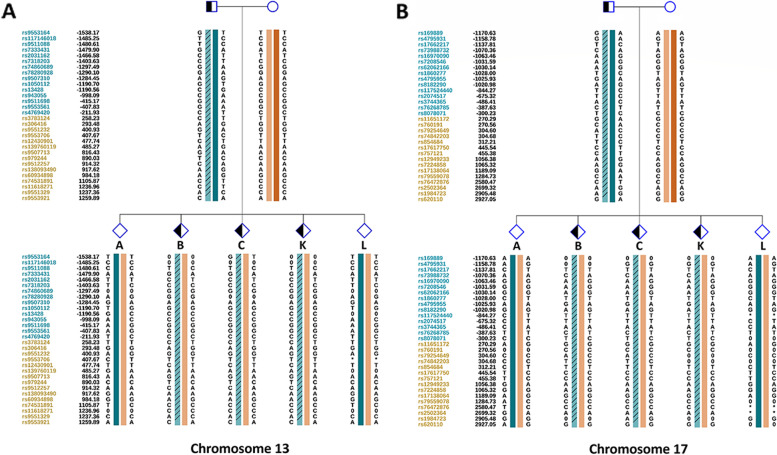
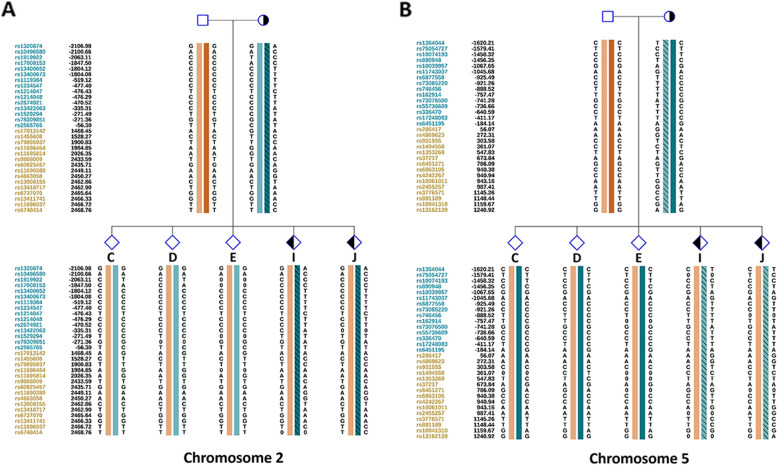
Balanced reciprocal translocation (BRT) is one of the most common chromosomal abnormalities that causes infertility, recurrent miscarriage, and birth defects. Preimplantation genetic testing (PGT) is widely used to select euploid embryos for BRT carriers to increase the chance of a healthy live birth. Several strategies can be used to distinguish reciprocal translocation carrier embryos from those with a normal karyotype; however, these techniques are time-consuming and difficult to implement in clinical laboratories. In this study, nanopore sequencing was performed in two reciprocal translocation carriers, and the results were validated using the next-generation sequencing-based method named, "Mapping Allele with Resolved Carrier Status" (MaReCs).
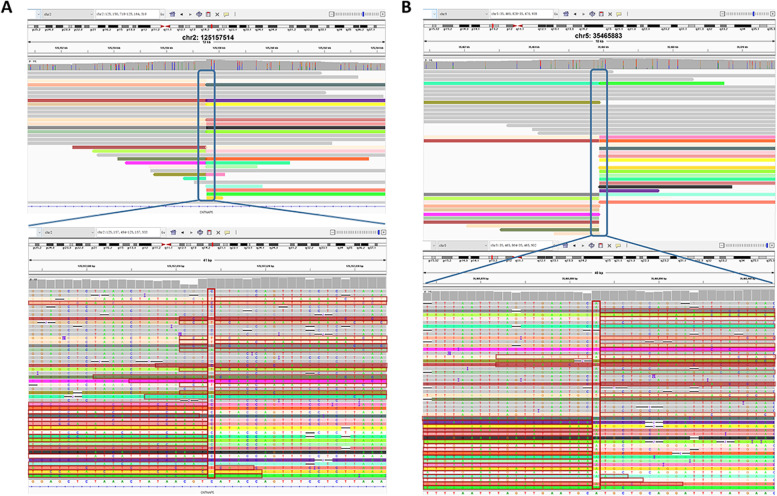
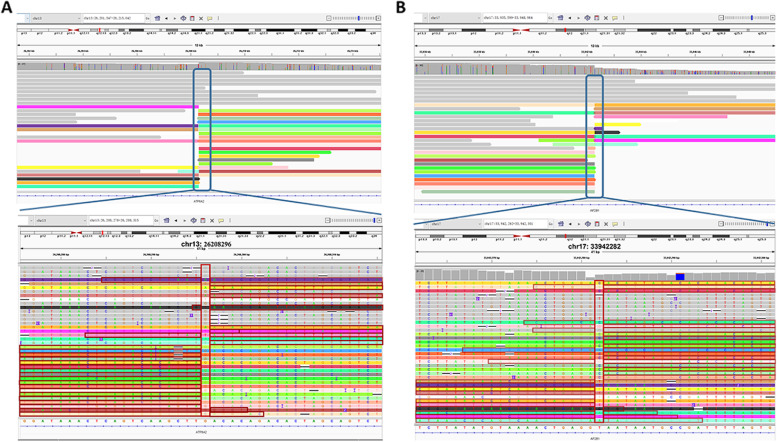
The translocation breakpoints in both reciprocal translocation carriers were accurately identified by nanopore sequencing and were in accordance with the results obtained using MaReCs. More than one euploid non-balanced translocation carrier embryo was identified in both patients. Amniocentesis results revealed normal karyotypes, consistent with the findings by MaReCs and nanopore sequencing.
Our results suggest that nanopore sequencing is a powerful strategy for accurately distinguishing non-translocation embryos from translocation carrier embryos and precisely localizing translocation breakpoints, which is essential for PGT and aids in reducing the propagation of reciprocal translocation in the population.
平衡易位(BRT)是导致不孕、反复流产和出生缺陷的最常见染色体异常之一。植入前遗传学检测(PGT)广泛用于选择BRT 携带者的整倍体胚胎,以增加健康活产的机会。有几种策略可用于区分易位携带者胚胎和正常核型胚胎;然而,这些技术耗时且难以在临床实验室实施。在这项研究中,对两名易位携带者进行了纳米孔测序,并使用基于下一代测序的方法“解析携带者状态的等位基因映射”(MaReCs)进行了验证。
纳米孔测序准确地鉴定了两名易位携带者中的易位断点,与 MaReCs 的结果一致。两名患者均鉴定出一个以上的整倍体非平衡易位携带者胚胎。羊膜穿刺术结果显示核型正常,与 MaReCs 和纳米孔测序的结果一致。
我们的结果表明,纳米孔测序是一种准确区分非易位胚胎和易位携带者胚胎并精确定位易位断点的强大策略,这对于 PGT 至关重要,并有助于减少人群中 BRT 的传播。