Gao Xin, Ma Shixing, Xing Xiaotao, Yang Jian, Xu Xun, Liang Cheng, Yu Yejia, Liu Lei, Liao Li, Tian Weidong
State Key Laboratory of Oral Diseases & National Clinical Research Center for Oral Diseases & Engineering Research Center of Oral Translational Medicine, Ministry of Education & National Engineering Laboratory for Oral Regenerative Medicine & Department of Oral and Maxillofacial Surgery, West China Hospital of Stomatology, Sichuan University, Chengdu, China.
J Tissue Eng. 2022 Dec 26;13:20417314221143240. doi: 10.1177/20417314221143240. eCollection 2022 Jan-Dec.
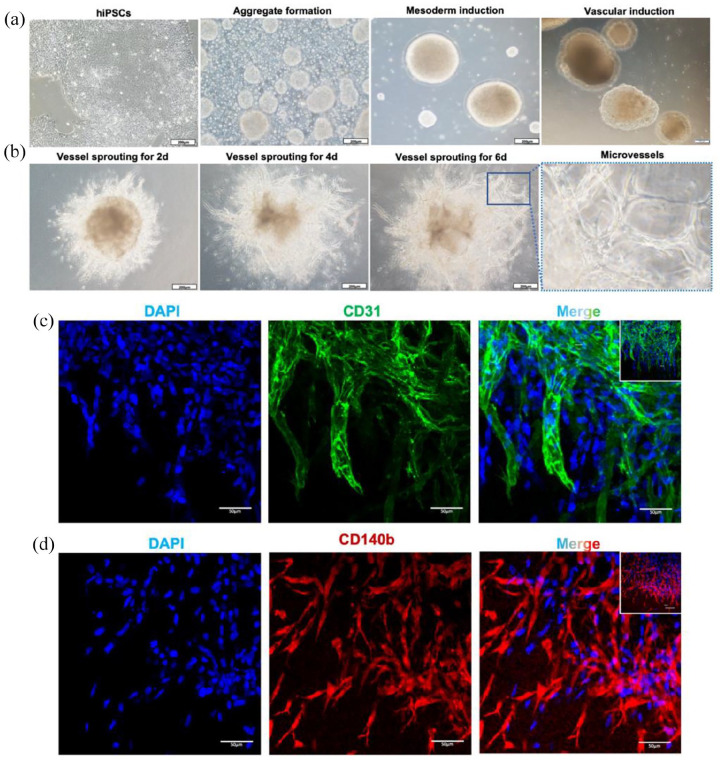
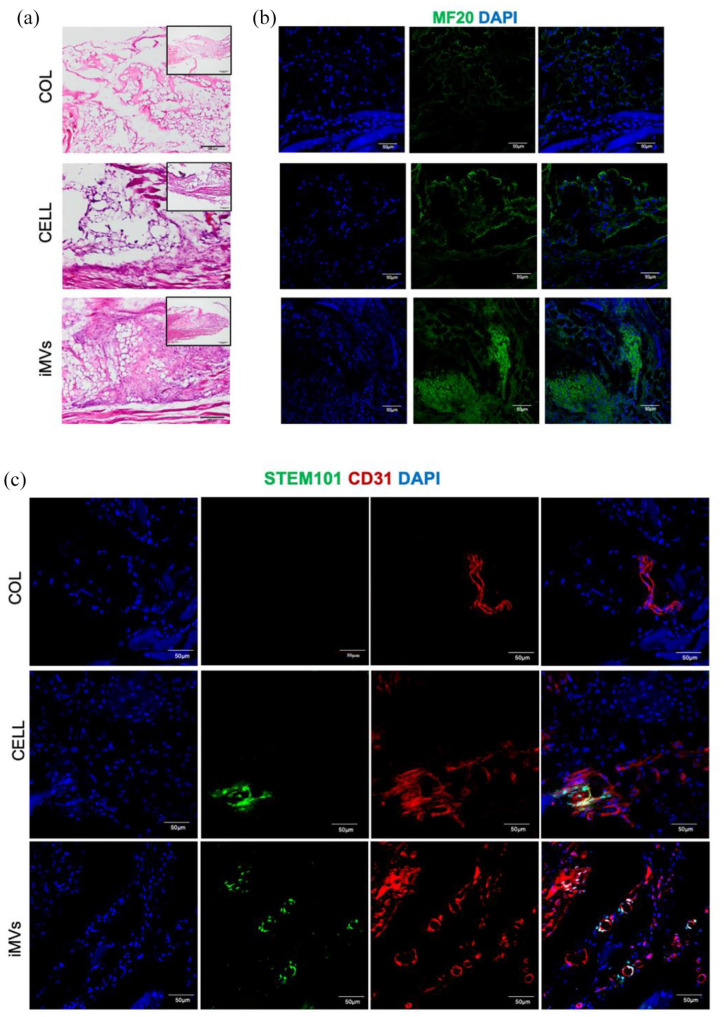
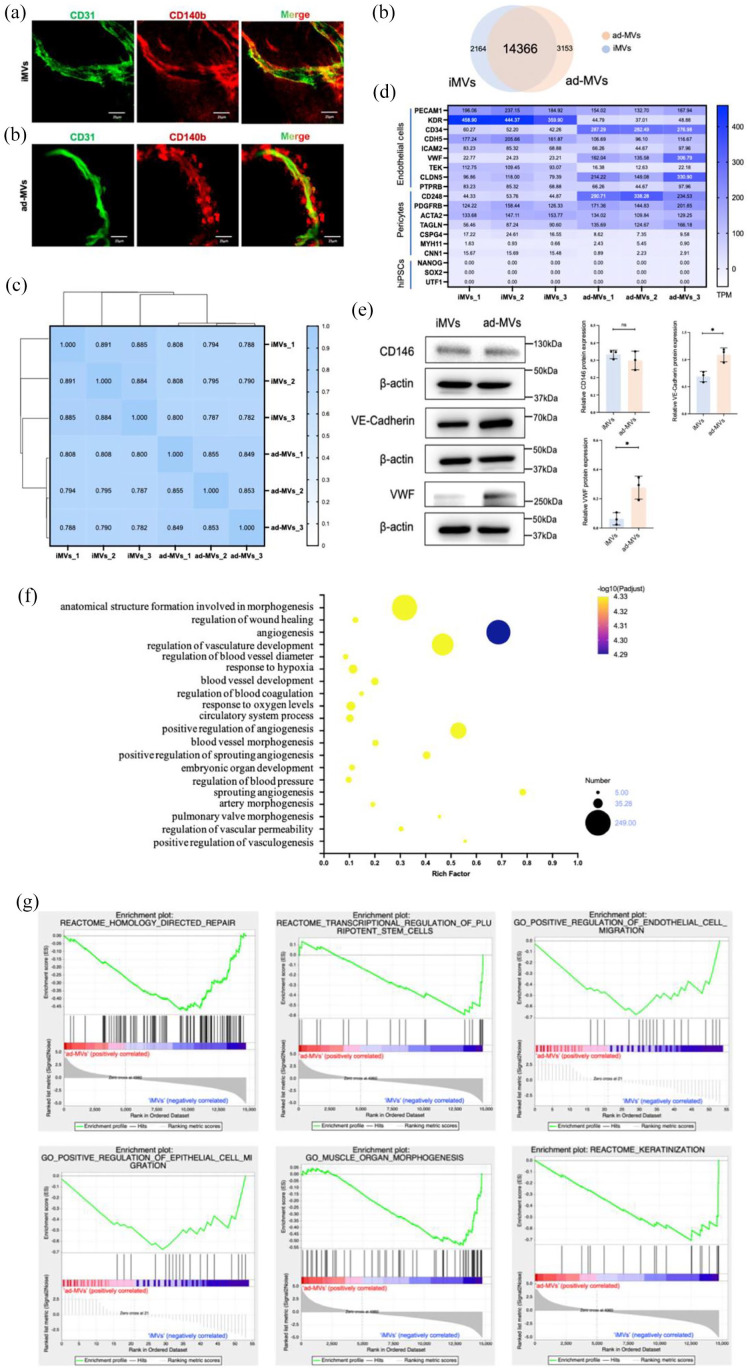
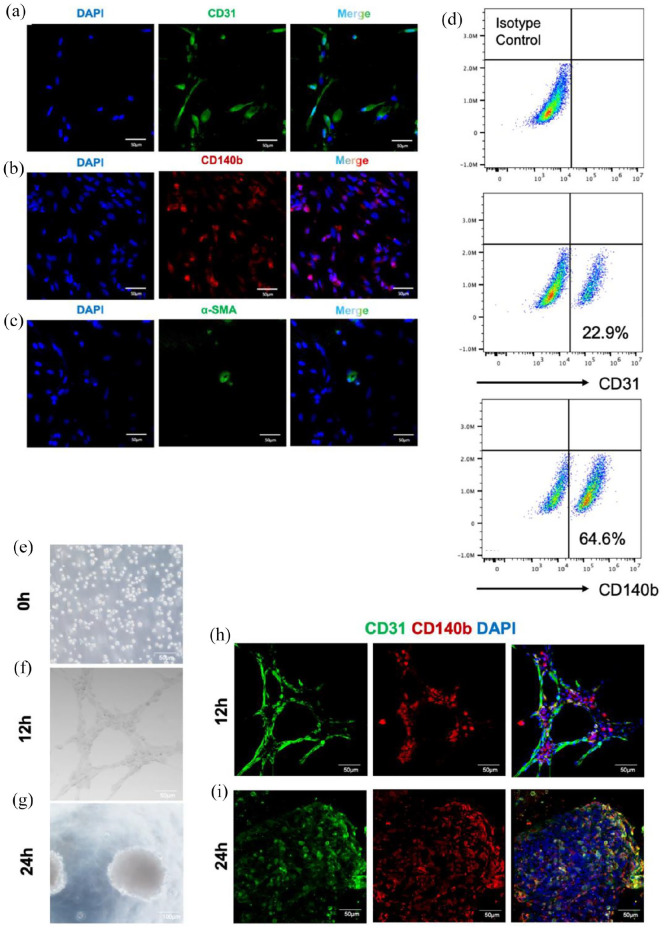
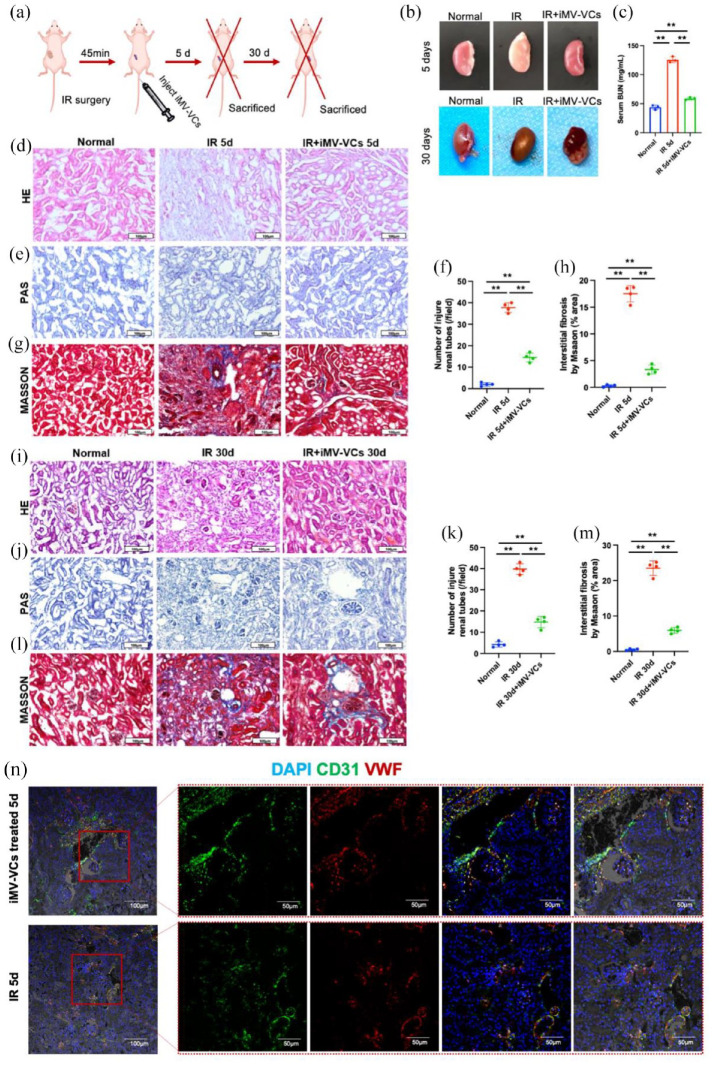
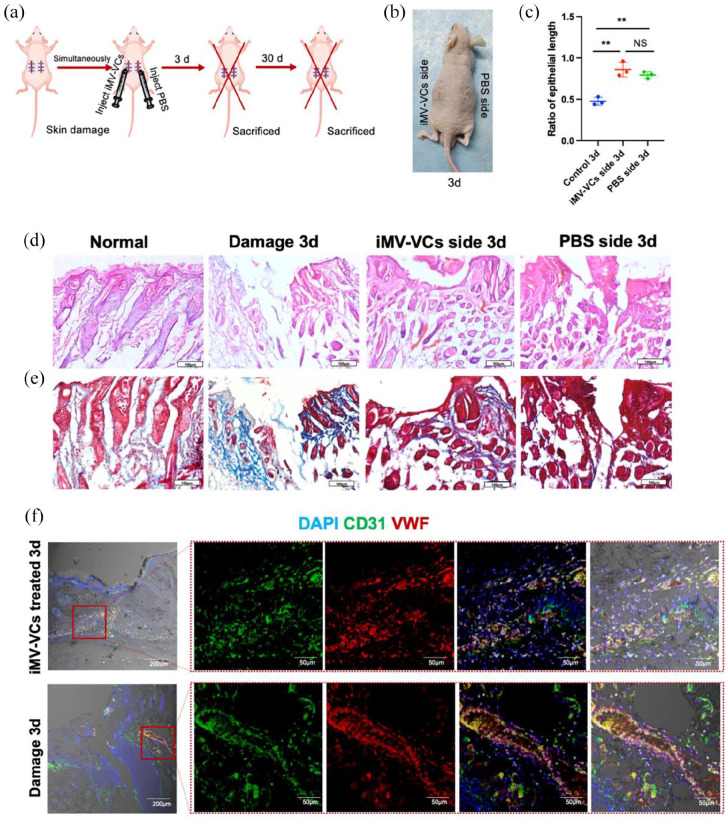
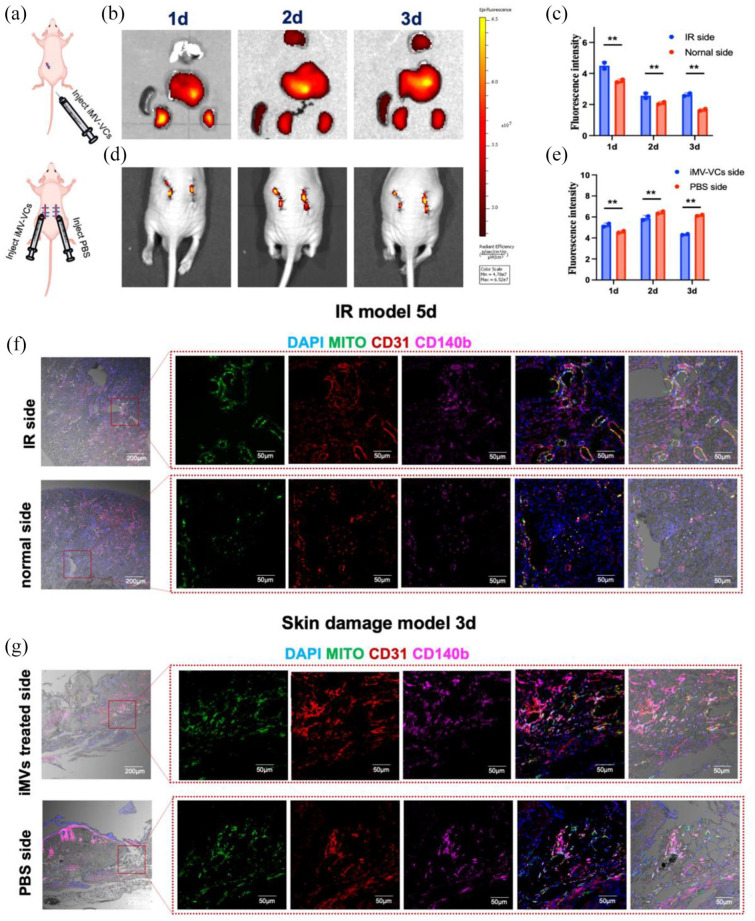
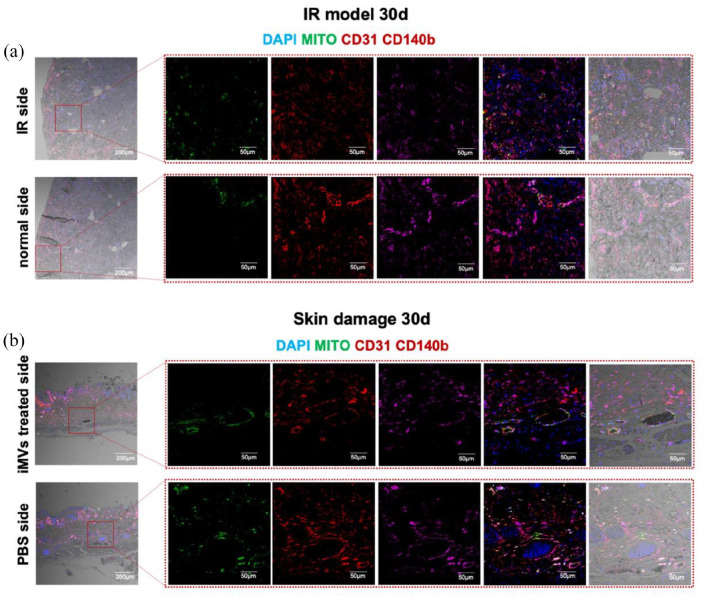
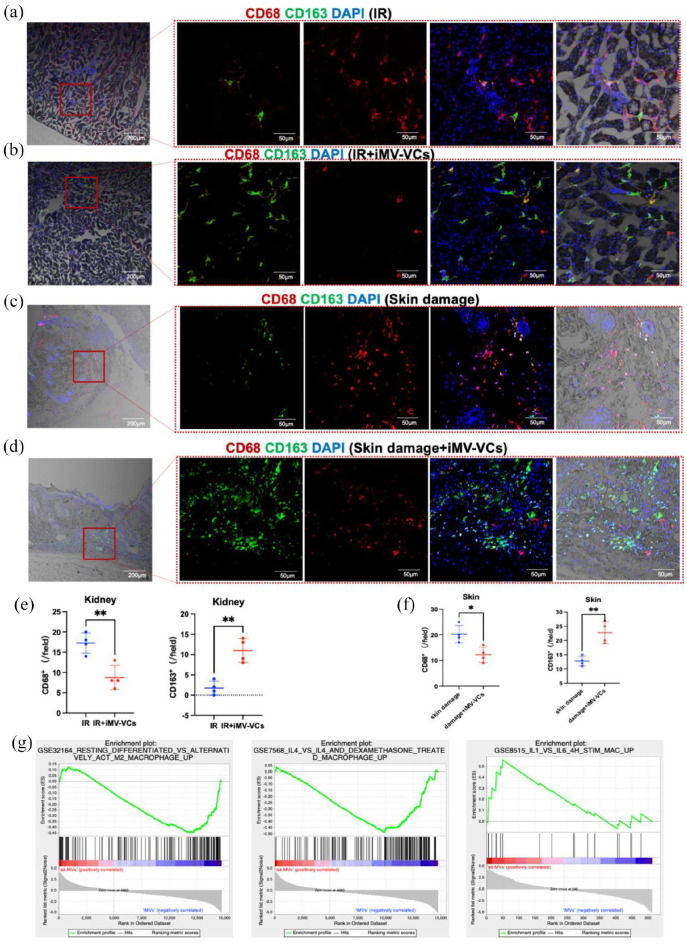
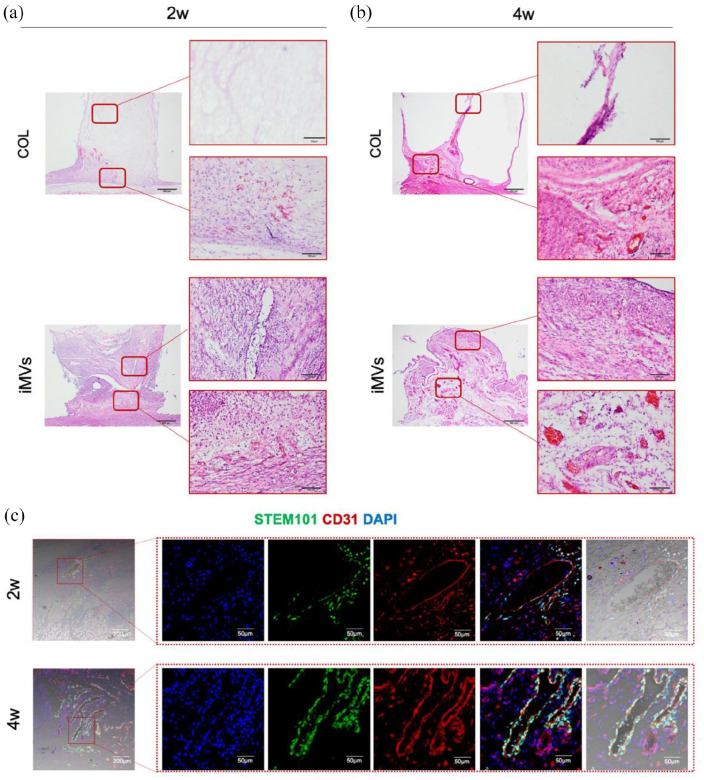
The establishment of effective vascularization represents a key challenge in regenerative medicine. Adequate sources of vascular cells and intact vessel fragments have not yet been explored. We herein examined the potential application of microvessels induced from hiPSCs for rapid angiogenesis and tissue regeneration. Microvessels were generated from human pluripotent stem cells (iMVs) under a defined induction protocol and compared with human adipose tissue-derived microvessels (ad-MVs) to illustrate the similarity and differences of the alternative source. Then, the therapeutic effect of iMVs was detected by transplantation in vivo. The renal ischemia-reperfusion model and skin damage model were applied to explore the potential effect of vascular cells derived from iMVs (iMVs-VCs). Besides, the subcutaneous transplantation model and muscle injury model were established to explore the ability of iMVs for angiogenesis and tissue regeneration. The results revealed that iMVs had remarkable similarities to natural blood vessels in structure and cellular composition, and were potent for vascular formation and self-organization. The infusion of iMVs-VCs promoted tissue repair in the renal and skin damage model through direct contribution to the reconstruction of blood vessels and modulation of the immune microenvironment. Moreover, the transplantation of intact iMVs could form a massive perfused blood vessel and promote muscle regeneration at the early stage. The infusion of iMVs-VCs could facilitate the reconstruction and regeneration of blood vessels and modulation of the immune microenvironment to restore structures and functions of damaged tissues. Meanwhile, the intact iMVs could rapidly form perfused vessels and promote muscle regeneration. With the advantages of abundant sources and high angiogenesis potency, iMVs could be a candidate source for vascularization units for regenerative medicine.
建立有效的血管化是再生医学中的一项关键挑战。血管细胞的充足来源和完整的血管片段尚未得到充分探索。我们在此研究了由人诱导多能干细胞诱导产生的微血管在快速血管生成和组织再生方面的潜在应用。在特定诱导方案下从人多能干细胞生成微血管(iMVs),并与源自人脂肪组织的微血管(ad - MV)进行比较,以阐明替代来源的异同。然后,通过体内移植检测iMVs的治疗效果。应用肾缺血再灌注模型和皮肤损伤模型来探索源自iMVs的血管细胞(iMVs - VCs)的潜在作用。此外,建立皮下移植模型和肌肉损伤模型以探索iMVs的血管生成和组织再生能力。结果显示,iMVs在结构和细胞组成上与天然血管有显著相似性,并且在血管形成和自我组织方面具有强大能力。输注iMVs - VCs通过直接促进血管重建和调节免疫微环境,在肾和皮肤损伤模型中促进了组织修复。此外,完整iMVs的移植可形成大量有灌注的血管,并在早期促进肌肉再生。输注iMVs - VCs可促进血管重建和再生以及调节免疫微环境,以恢复受损组织的结构和功能。同时,完整的iMVs可迅速形成有灌注的血管并促进肌肉再生。由于来源丰富和血管生成能力强,iMVs可能成为再生医学中血管化单元的候选来源。