Department of Oncology, Ludwig Institute for Cancer Research Lausanne, University of Lausanne, Lausanne, Switzerland; Agora Cancer Research Centre, 1011 Lausanne, Switzerland; Swiss Institute of Bioinformatics (SIB), Lausanne, Switzerland; Swiss Cancer Center Leman (SCCL), Lausanne, Switzerland.
Department of Oncology, Ludwig Institute for Cancer Research Lausanne, University Hospital of Lausanne, Lausanne, Switzerland; Swiss Cancer Center Leman (SCCL), Lausanne, Switzerland.
Cell Syst. 2023 Jan 18;14(1):72-83.e5. doi: 10.1016/j.cels.2022.12.002. Epub 2023 Jan 4.
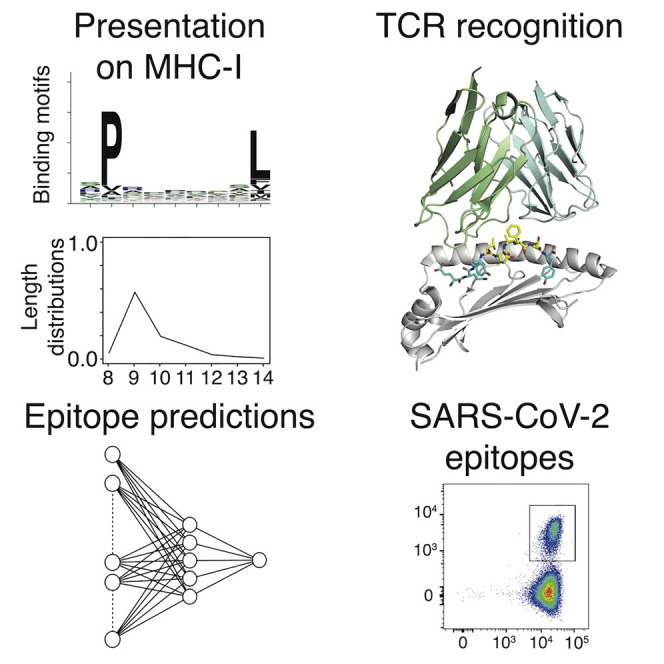
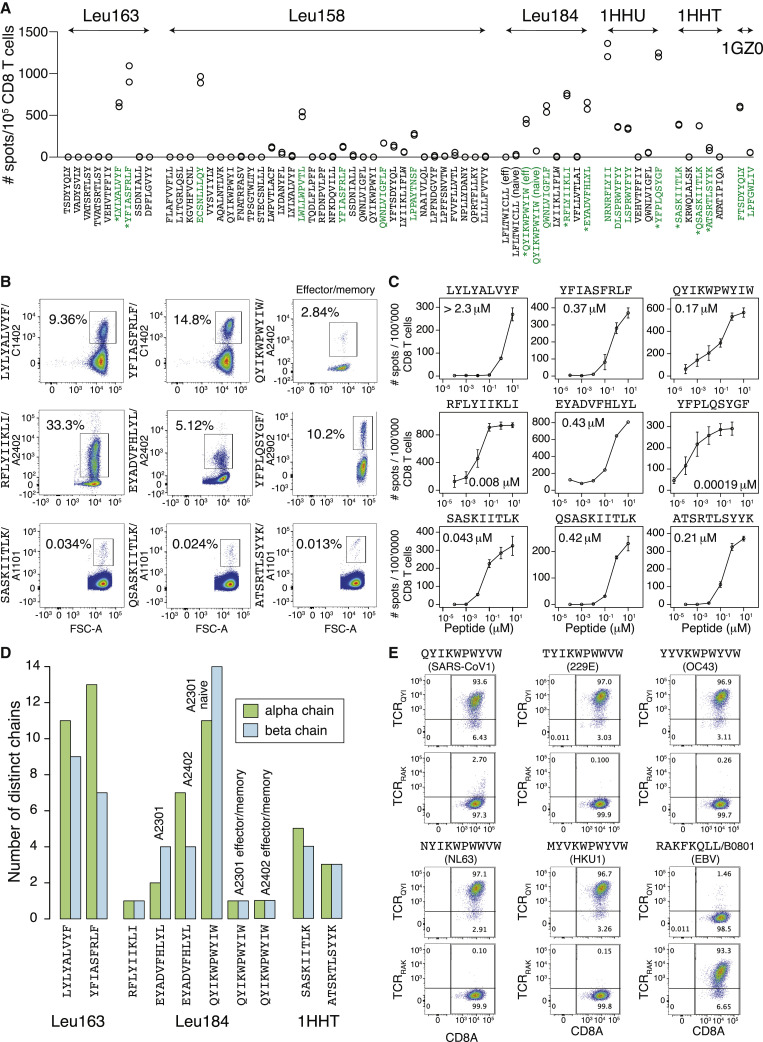
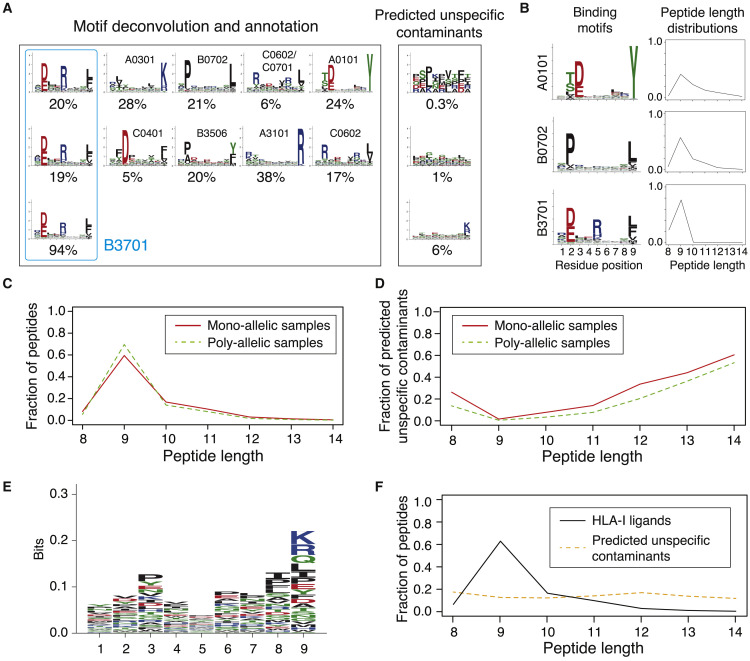
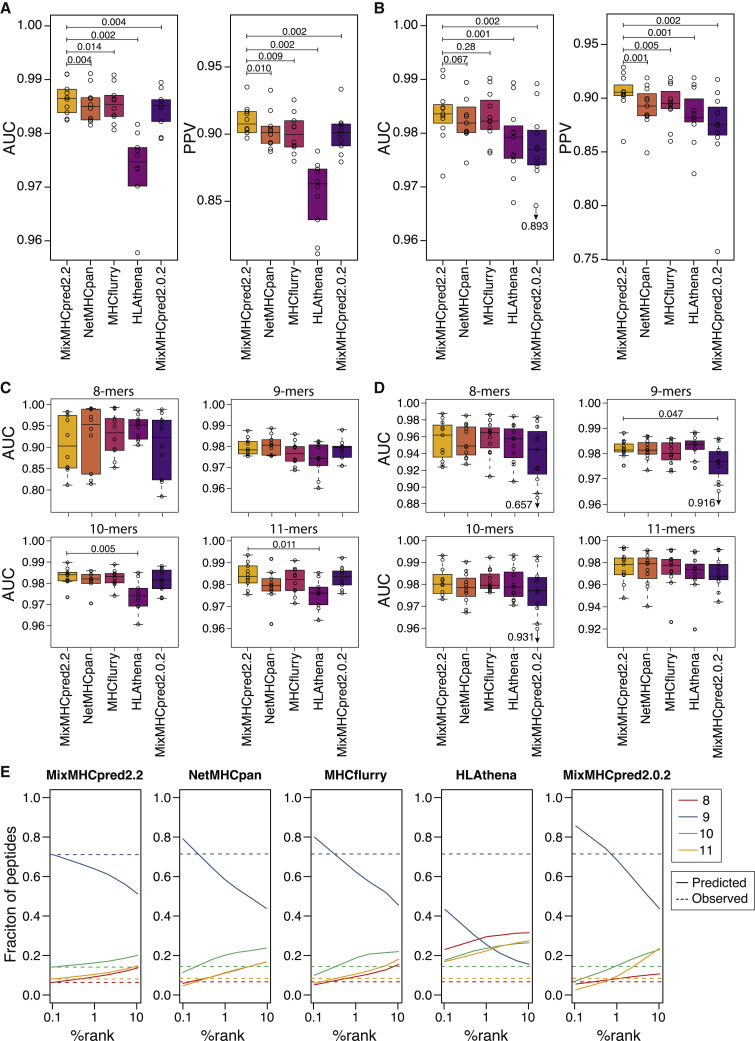
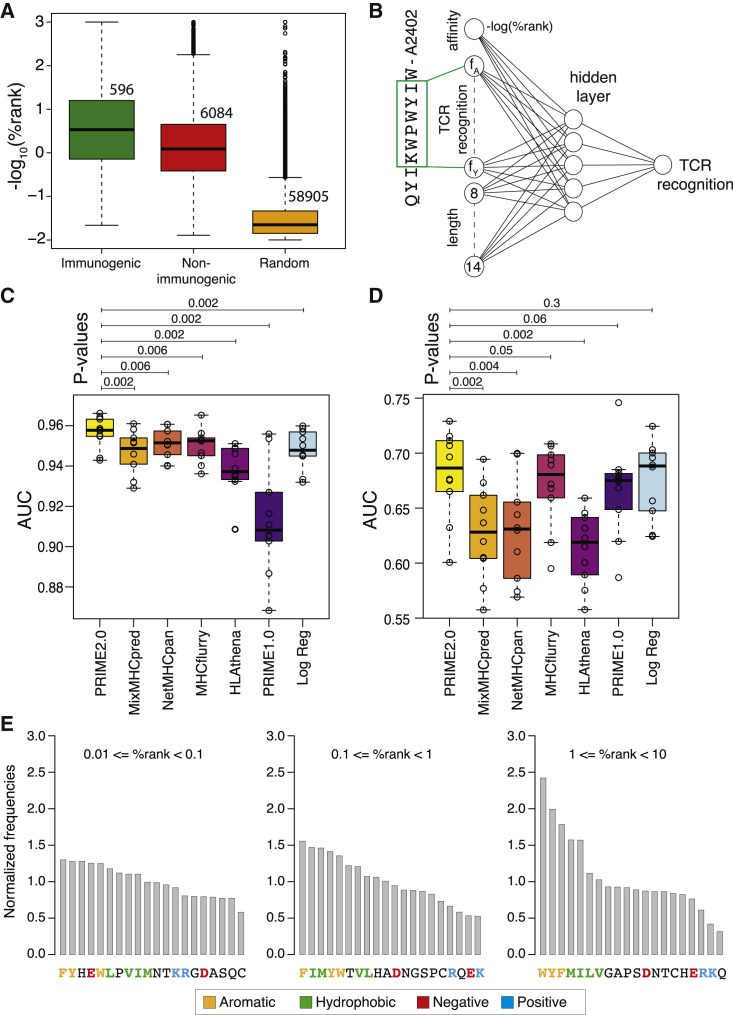
The recognition of pathogen or cancer-specific epitopes by CD8 T cells is crucial for the clearance of infections and the response to cancer immunotherapy. This process requires epitopes to be presented on class I human leukocyte antigen (HLA-I) molecules and recognized by the T-cell receptor (TCR). Machine learning models capturing these two aspects of immune recognition are key to improve epitope predictions. Here, we assembled a high-quality dataset of naturally presented HLA-I ligands and experimentally verified neo-epitopes. We then integrated these data in a refined computational framework to predict antigen presentation (MixMHCpred2.2) and TCR recognition (PRIME2.0). The depth of our training data and the algorithmic developments resulted in improved predictions of HLA-I ligands and neo-epitopes. Prospectively applying our tools to SARS-CoV-2 proteins revealed several epitopes. TCR sequencing identified a monoclonal response in effector/memory CD8 T cells against one of these epitopes and cross-reactivity with the homologous peptides from other coronaviruses.
CD8 T 细胞识别病原体或癌症特异性表位对于清除感染和对癌症免疫治疗的反应至关重要。这个过程需要表位呈现在 I 类人类白细胞抗原 (HLA-I) 分子上,并被 T 细胞受体 (TCR) 识别。捕获这两个免疫识别方面的机器学习模型是提高表位预测的关键。在这里,我们组装了一个高质量的天然呈现 HLA-I 配体和实验验证的新表位数据集。然后,我们将这些数据整合到一个经过改进的计算框架中,以预测抗原呈递 (MixMHCpred2.2) 和 TCR 识别 (PRIME2.0)。我们训练数据的深度和算法的发展导致了 HLA-I 配体和新表位预测的改进。前瞻性地将我们的工具应用于 SARS-CoV-2 蛋白,揭示了几个表位。TCR 测序鉴定出针对其中一个表位的效应记忆 CD8 T 细胞中的单克隆反应,以及与其他冠状病毒同源肽的交叉反应性。