Sghaier Nesrine, Essemine Jemaa, Ayed Rayda Ben, Gorai Mustapha, Ben Marzoug Riadh, Rebai Ahmed, Qu Mingnan
National Nanfan Research Institute (Sanya), Chinese Academy of Agricultural Sciences, Sanya 572024, China.
CAS Center for Excellence in Molecular Plant Sciences, Institute of Plant Physiology and Ecology, Shanghai Institutes for Biological Sciences, Chinese Academy of Sciences, Shanghai 200032, China.
Plants (Basel). 2022 Dec 23;12(1):71. doi: 10.3390/plants12010071.
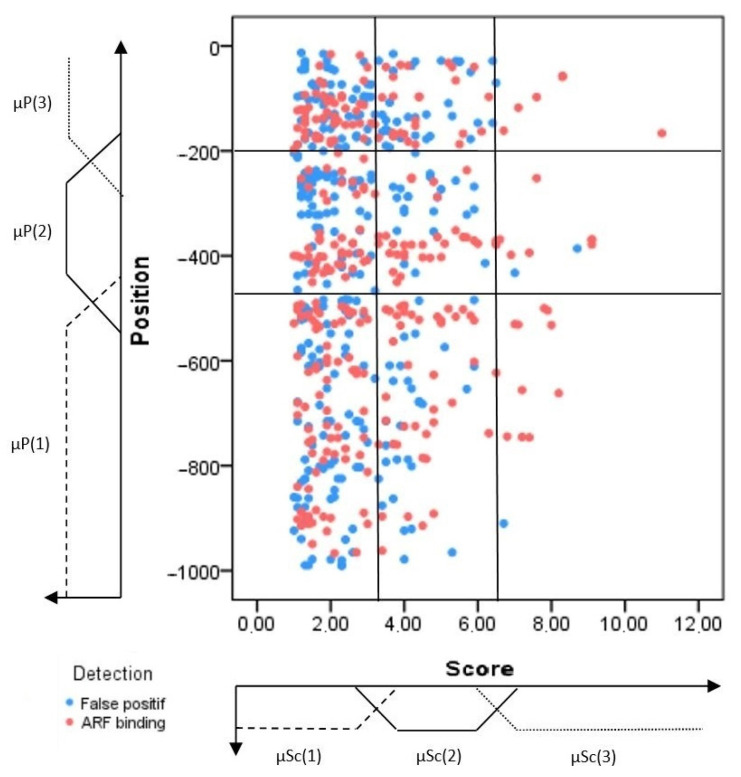
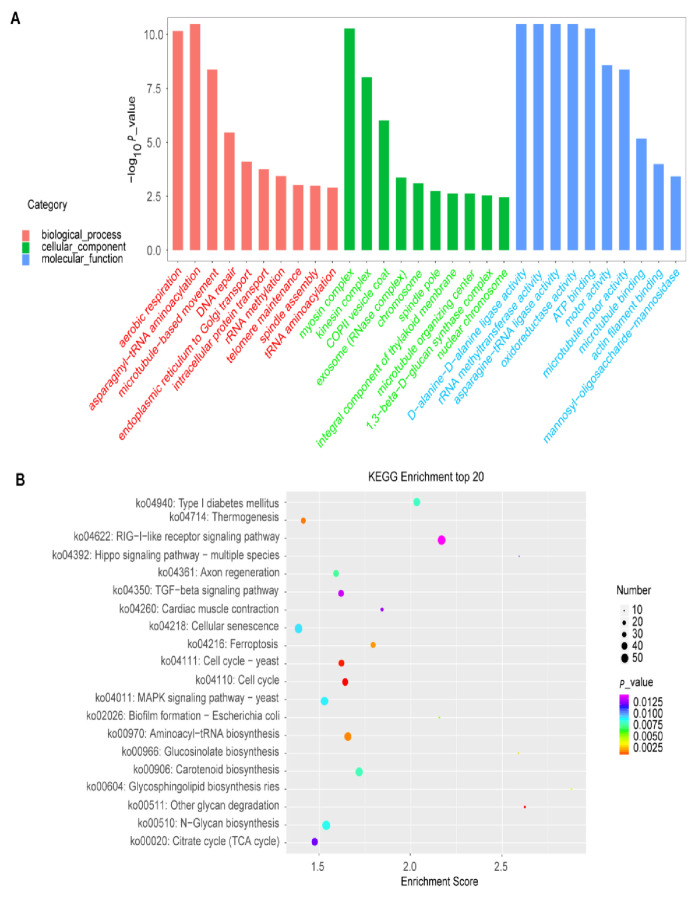
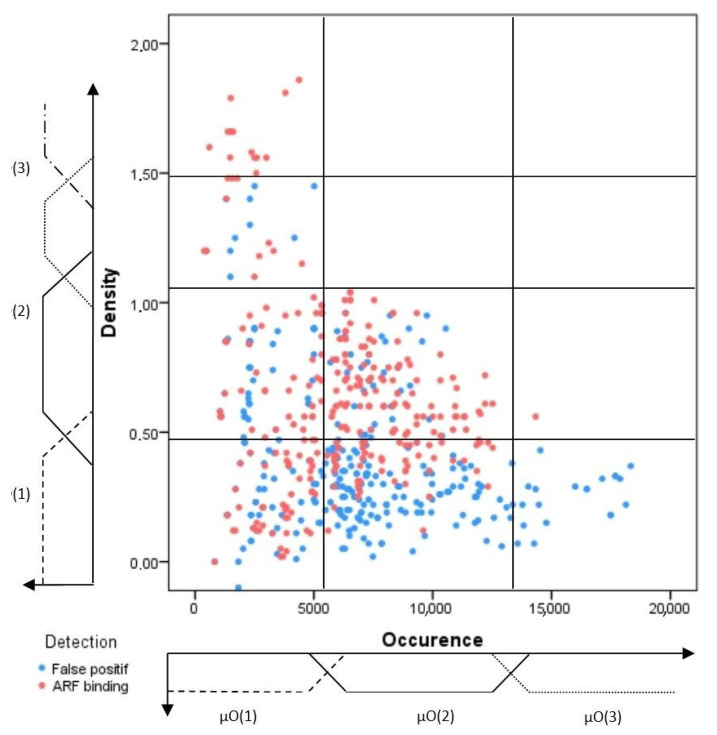
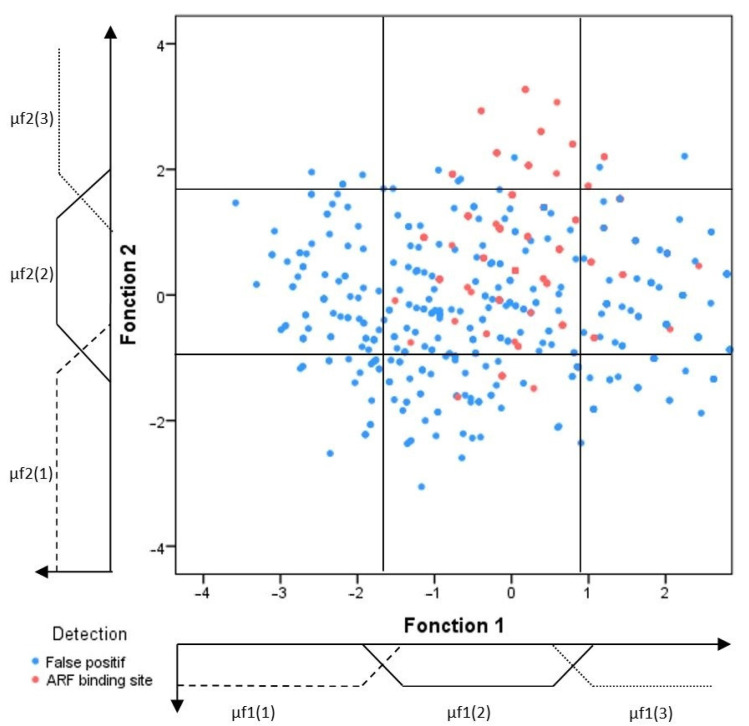
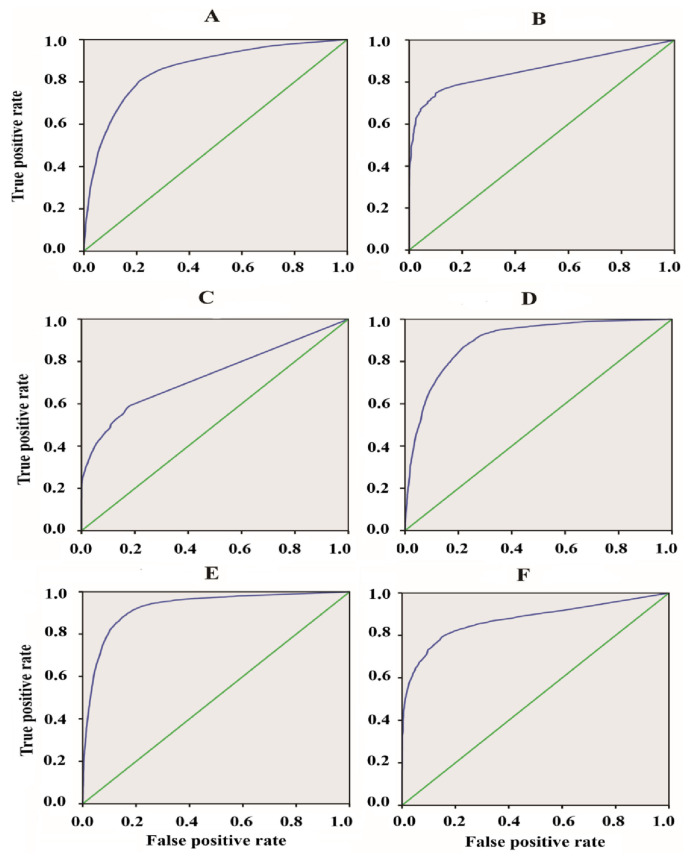
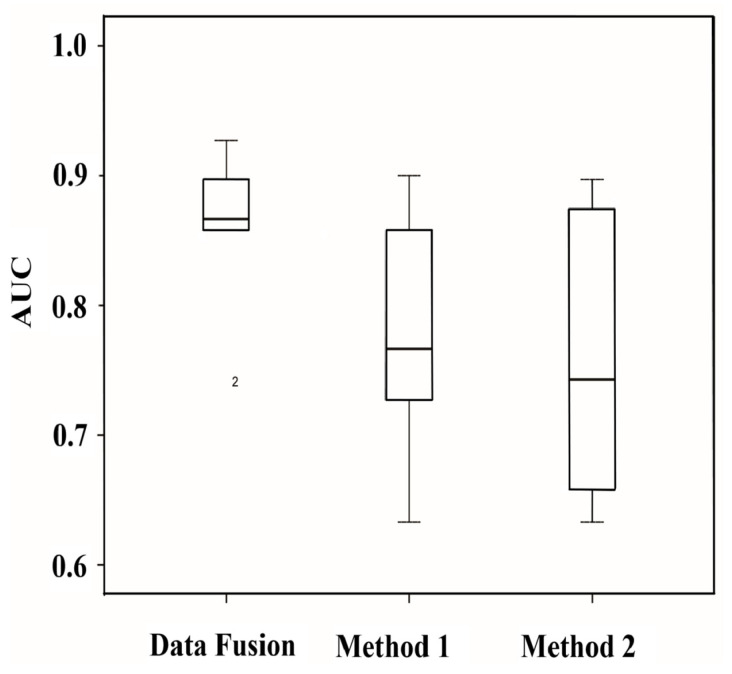
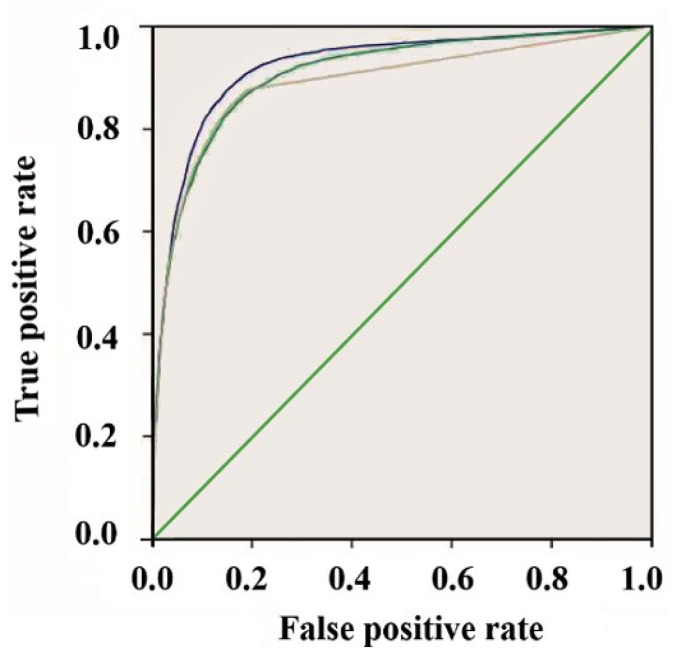
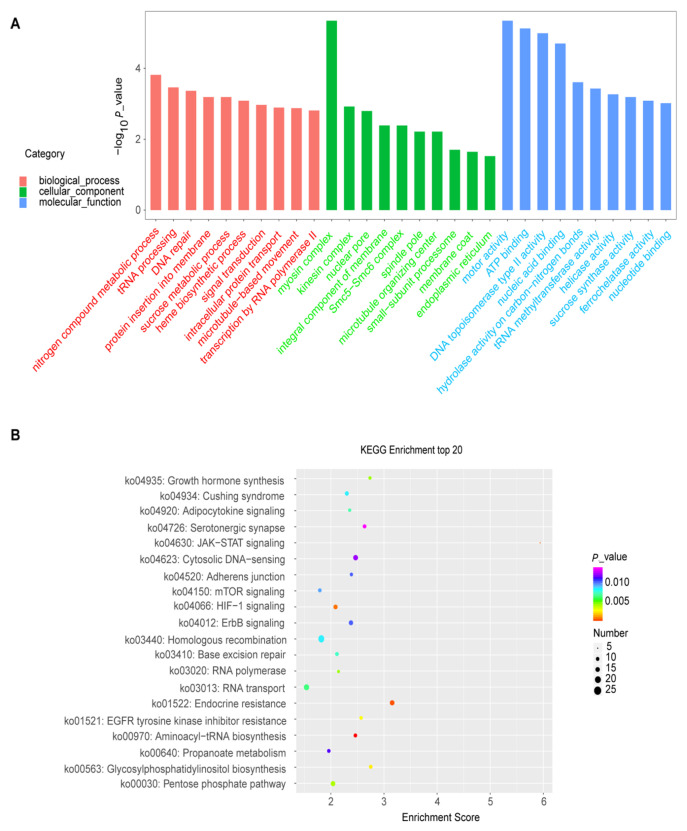
Quinoa constitutes among the tolerant plants to the challenging and harmful abiotic environmental factors. Quinoa was selected as among the model crops destined for bio-saline agriculture that could contribute to the staple food security for an ever-growing worldwide population under various climate change scenarios. The auxin response factors (ARFs) constitute the main contributors in the plant adaptation to severe environmental conditions. Thus, the determination of the ARF-binding sites represents the major step that could provide promising insights helping in plant breeding programs and improving agronomic traits. Hence, determining the ARF-binding sites is a challenging task, particularly in species with large genome sizes. In this report, we present a data fusion approach based on Dempster-Shafer evidence theory and fuzzy set theory to predict the ARF-binding sites. We then performed an "In-silico" identification of the ARF-binding sites in . The characterization of some known pathways implicated in the auxin signaling in other higher plants confirms our prediction reliability. Furthermore, several pathways with no or little available information about their functions were identified to play important roles in the adaptation of quinoa to environmental conditions. The predictive auxin response genes associated with the detected ARF-binding sites may certainly help to explore the biological roles of some unknown genes newly identified in quinoa.
藜麦是耐受具有挑战性和有害的非生物环境因素的植物之一。藜麦被选为用于生物盐碱农业的模式作物,在各种气候变化情景下,有助于为不断增长的全球人口提供主食安全保障。生长素响应因子(ARFs)是植物适应恶劣环境条件的主要贡献者。因此,确定ARF结合位点是一个重要步骤,有望为植物育种计划和改善农艺性状提供有价值的见解。然而,确定ARF结合位点是一项具有挑战性的任务,尤其是在基因组较大的物种中。在本报告中,我们提出了一种基于Dempster-Shafer证据理论和模糊集理论的数据融合方法来预测ARF结合位点。然后,我们对藜麦中的ARF结合位点进行了“计算机模拟”鉴定。对其他高等植物中生长素信号传导相关一些已知途径的表征证实了我们预测的可靠性。此外,还发现了一些关于其功能信息很少或没有的途径在藜麦适应环境条件中发挥重要作用。与检测到的ARF结合位点相关的预测生长素响应基因肯定有助于探索藜麦中新鉴定的一些未知基因的生物学作用。