Medina Elizabeth, Peterson Sarah, Ford Kaitlyn, Singletary Kristan, Peixoto Lucia
Department of Translational Medicine and Physiology, Sleep and Performance Research Center, Elson S. Floyd College of Medicine, Washington State University, Spokane, WA, United States.
Neurobiol Sleep Circadian Rhythms. 2022 Dec 20;14:100088. doi: 10.1016/j.nbscr.2022.100088. eCollection 2023 May.
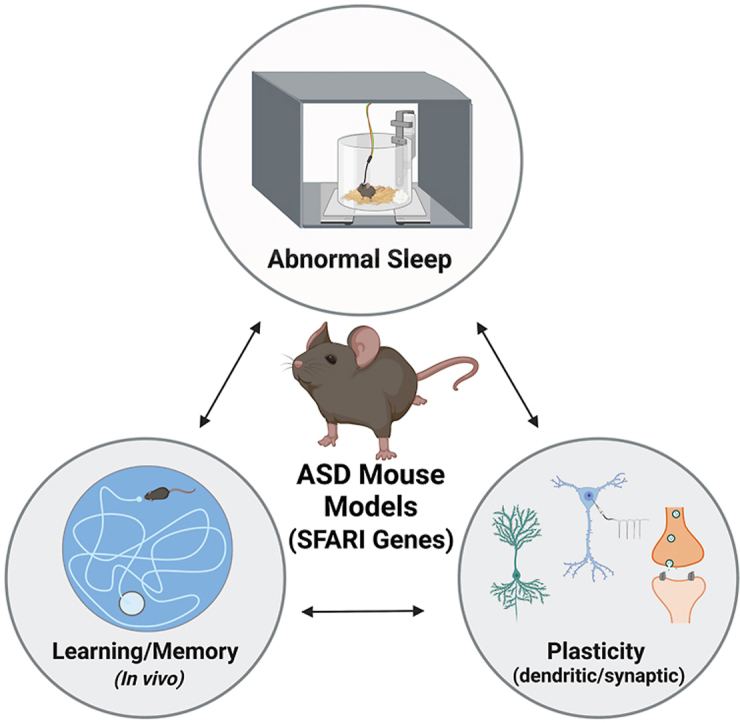
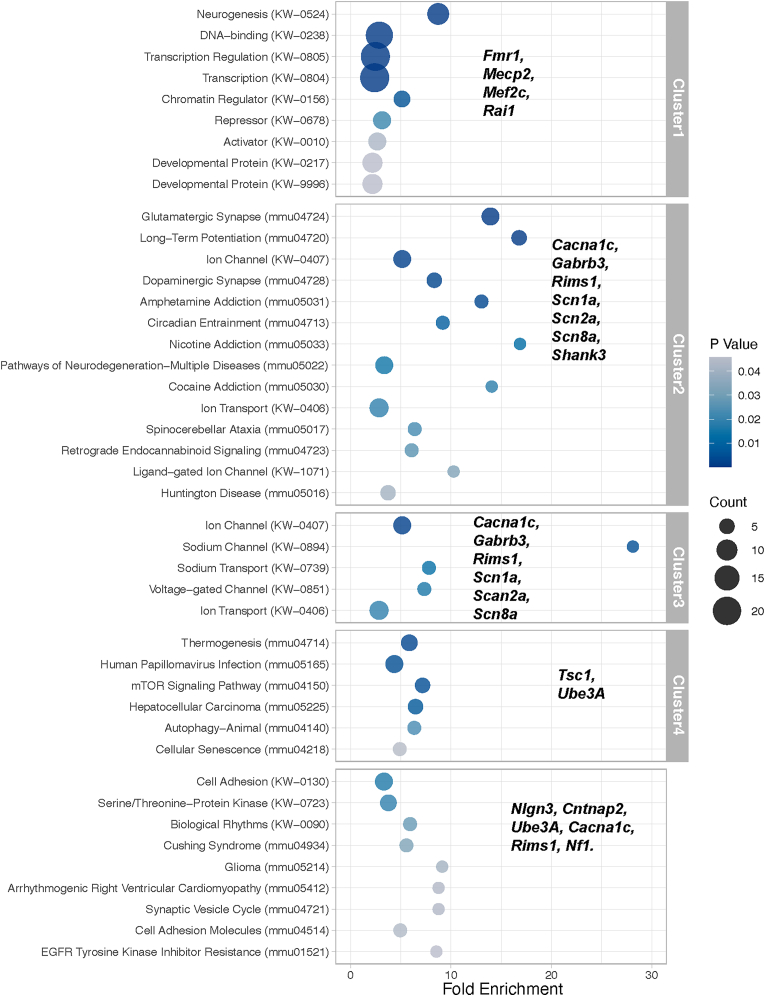
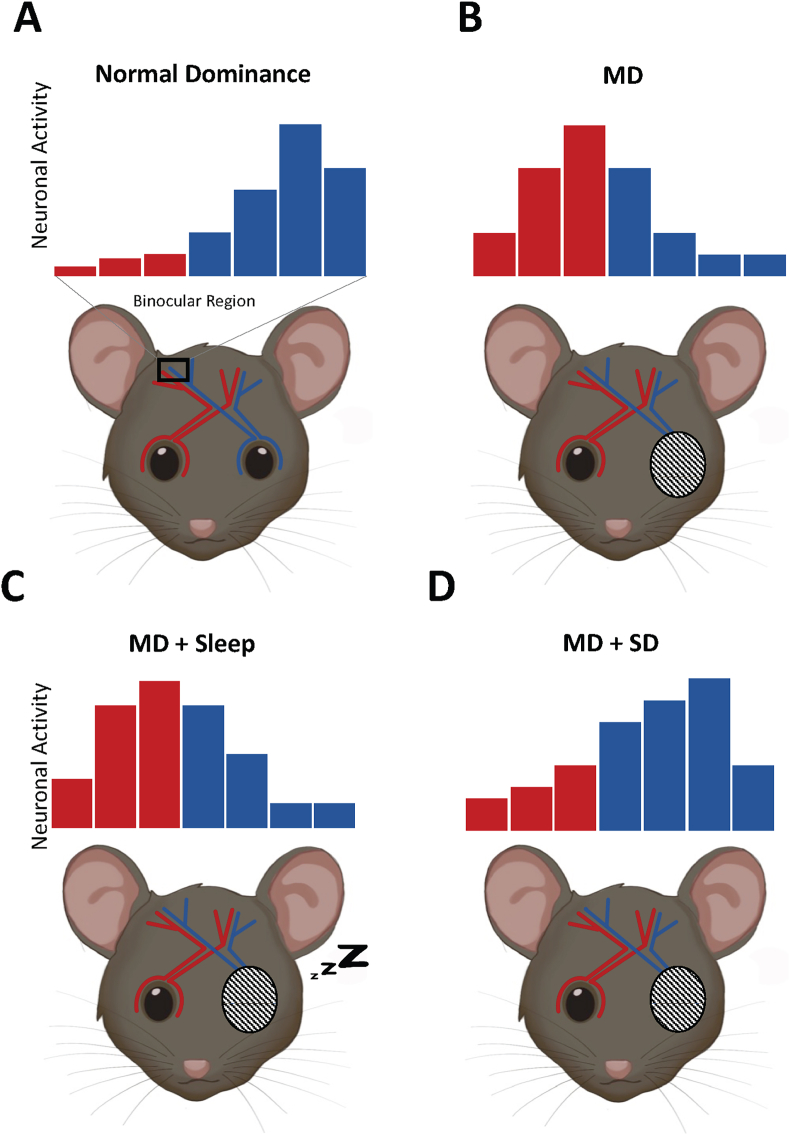
Brain development relies on both experience and genetically defined programs. Time windows where certain brain circuits are particularly receptive to external stimuli, resulting in heightened plasticity, are referred to as "critical periods". Sleep is thought to be essential for normal brain development. Importantly, studies have shown that sleep enhances critical period plasticity and promotes experience-dependent synaptic pruning in the developing mammalian brain. Therefore, normal plasticity during critical periods depends on sleep. Problems falling and staying asleep occur at a higher rate in Autism Spectrum Disorder (ASD) relative to typical development. In this review, we explore the potential link between sleep, critical period plasticity, and ASD. First, we review the importance of critical period plasticity in typical development and the role of sleep in this process. Next, we summarize the evidence linking ASD with deficits in synaptic plasticity in rodent models of high-confidence ASD gene candidates. We then show that the high-confidence rodent models of ASD that show sleep deficits also display plasticity deficits. Given how important sleep is for critical period plasticity, it is essential to understand the connections between synaptic plasticity, sleep, and brain development in ASD. However, studies investigating sleep or plasticity during critical periods in ASD mouse models are lacking. Therefore, we highlight an urgent need to consider developmental trajectory in studies of sleep and plasticity in neurodevelopmental disorders.
大脑发育既依赖于经验,也依赖于基因定义的程序。某些脑回路对外部刺激特别敏感,从而导致可塑性增强的时间窗口,被称为“关键期”。睡眠被认为对正常的大脑发育至关重要。重要的是,研究表明,睡眠可增强关键期可塑性,并促进发育中的哺乳动物大脑中依赖经验的突触修剪。因此,关键期的正常可塑性取决于睡眠。与典型发育相比,自闭症谱系障碍(ASD)患者入睡和维持睡眠困难的发生率更高。在这篇综述中,我们探讨了睡眠、关键期可塑性和ASD之间的潜在联系。首先,我们回顾了关键期可塑性在典型发育中的重要性以及睡眠在此过程中的作用。接下来,我们总结了在高可信度ASD基因候选者的啮齿动物模型中,将ASD与突触可塑性缺陷联系起来的证据。然后我们表明,表现出睡眠缺陷的高可信度ASD啮齿动物模型也表现出可塑性缺陷。鉴于睡眠对关键期可塑性的重要性,了解ASD中突触可塑性、睡眠和大脑发育之间的联系至关重要。然而,缺乏对ASD小鼠模型关键期睡眠或可塑性的研究。因此,我们强调在神经发育障碍的睡眠和可塑性研究中迫切需要考虑发育轨迹。