Petruzzelli Maria Giuseppina, Matera Emilia, Giambersio Donatella, Marzulli Lucia, Gabellone Alessandra, Legrottaglie Anna Rosi, Margari Anna, Margari Lucia
Department of Basic Medical Sciences, Neuroscience and Sense Organs, University of Bari "Aldo Moro", 70121 Bari, Italy.
Department of Biomedical Sciences and Human Oncology, University of Bari "Aldo Moro", 70121 Bari, Italy.
J Clin Med. 2021 Aug 30;10(17):3893. doi: 10.3390/jcm10173893.
Sleep problems have commonly manifested in children and adolescents with autism spectrum disorder (ASD) with a complex and multifactorial interaction between clinical and etiological components. These disorders are associated with functional impairment, and provoke significant physical and mental affliction. The purpose of this study is to update the existing literature about objective and subjective sleep parameters in children and adolescents with ASD, extrapolating information from polysomnography or sleep electroencephalography, and sleep related questionnaires.
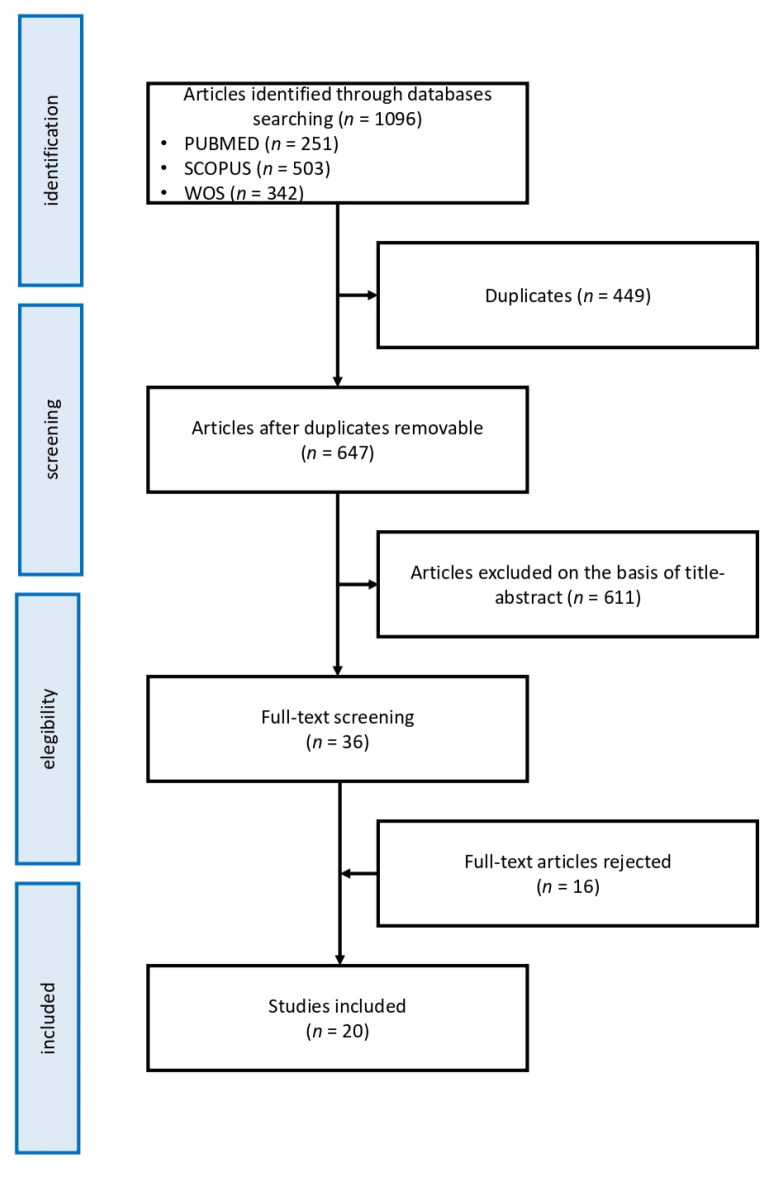
We have conducted a systematic review of case-control studies on this topic, performing a web-based search on PubMed, Scopus and the Web of Science databases according to the Preferred Reporting items for Systematic Review and Meta-analyses (PRISMA) guidelines.
Data collected from 20 survey result reports showed that children and adolescents with ASD experienced a higher rate of sleep abnormalities than in typically developing children. The macrostructural sleep parameters that were consistent with subjective parent reported measures unveil a greater percentage of nighttime signs of insomnia. Sleep microstructure patterns, in addition, pointed towards the bidirectional relationship between brain dysfunctions and sleep problems in children with ASD.
Today's literature acknowledges that objective and subjective sleep difficulties are more often recognized in individuals with ASD, so clinicians should assess sleep quality in the ASD clinical population, taking into consideration the potential implications on treatment strategies. It would be worthwhile in future studies to examine how factors, such as age, cognitive level or ASD severity could be related to ASD sleep abnormalities. Future research should directly assess whether sleep alterations could represent a specific marker for atypical brain development in ASD.
睡眠问题在自闭症谱系障碍(ASD)儿童和青少年中普遍存在,临床和病因学成分之间存在复杂的多因素相互作用。这些障碍与功能损害相关,并引发严重的身心痛苦。本研究的目的是更新关于ASD儿童和青少年客观和主观睡眠参数的现有文献,从多导睡眠图或睡眠脑电图以及与睡眠相关的问卷中推断信息。
我们对关于该主题的病例对照研究进行了系统综述,根据系统评价和荟萃分析的首选报告项目(PRISMA)指南,在PubMed、Scopus和科学网数据库上进行了基于网络的搜索。
从20份调查结果报告中收集的数据表明,ASD儿童和青少年的睡眠异常发生率高于正常发育儿童。与家长主观报告测量结果一致的宏观结构睡眠参数揭示了更高比例的夜间失眠迹象。此外,睡眠微观结构模式表明ASD儿童的大脑功能障碍与睡眠问题之间存在双向关系。
当今的文献承认,ASD患者中客观和主观睡眠困难更为常见,因此临床医生应在ASD临床人群中评估睡眠质量,同时考虑对治疗策略的潜在影响。在未来的研究中,研究年龄、认知水平或ASD严重程度等因素如何与ASD睡眠异常相关将是有价值的。未来的研究应直接评估睡眠改变是否可能是ASD非典型脑发育的特定标志物。