Belgodere Jorge A, Liu Yue, Reich Elizabeth L, Eades Jason, Tiersch Terrence R, Monroe William Todd
Department of Biological and Agricultural Engineering, Louisiana State University and Agricultural Center, Baton Rouge, LA 70803, USA.
Aquatic Germplasm and Genetic Resources Center, School of Renewable Natural Resources, Louisiana State University Agricultural Center, Baton Rouge, LA 70820, USA.
Fishes. 2022 Oct;7(5). doi: 10.3390/fishes7050231. Epub 2022 Sep 1.
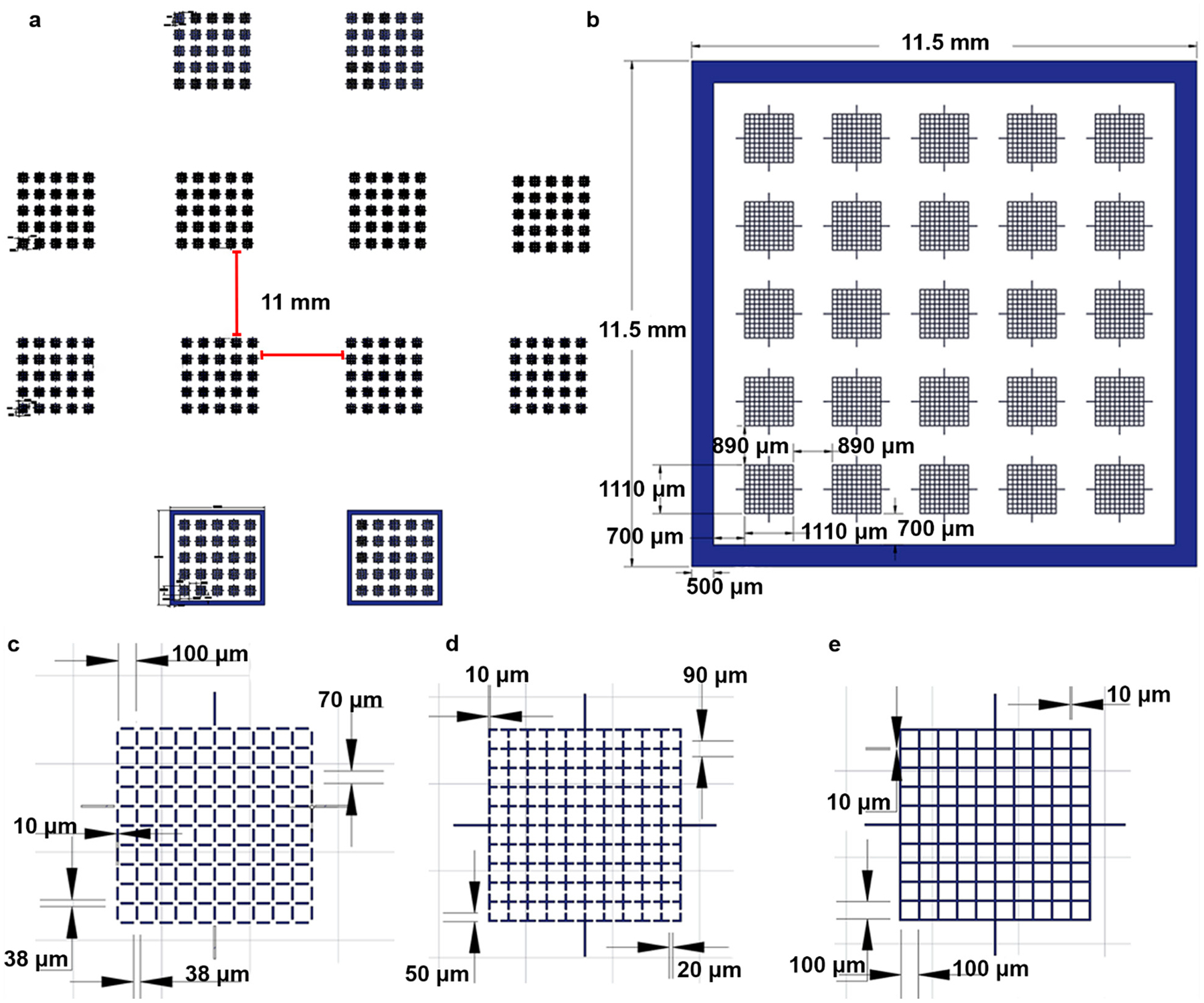
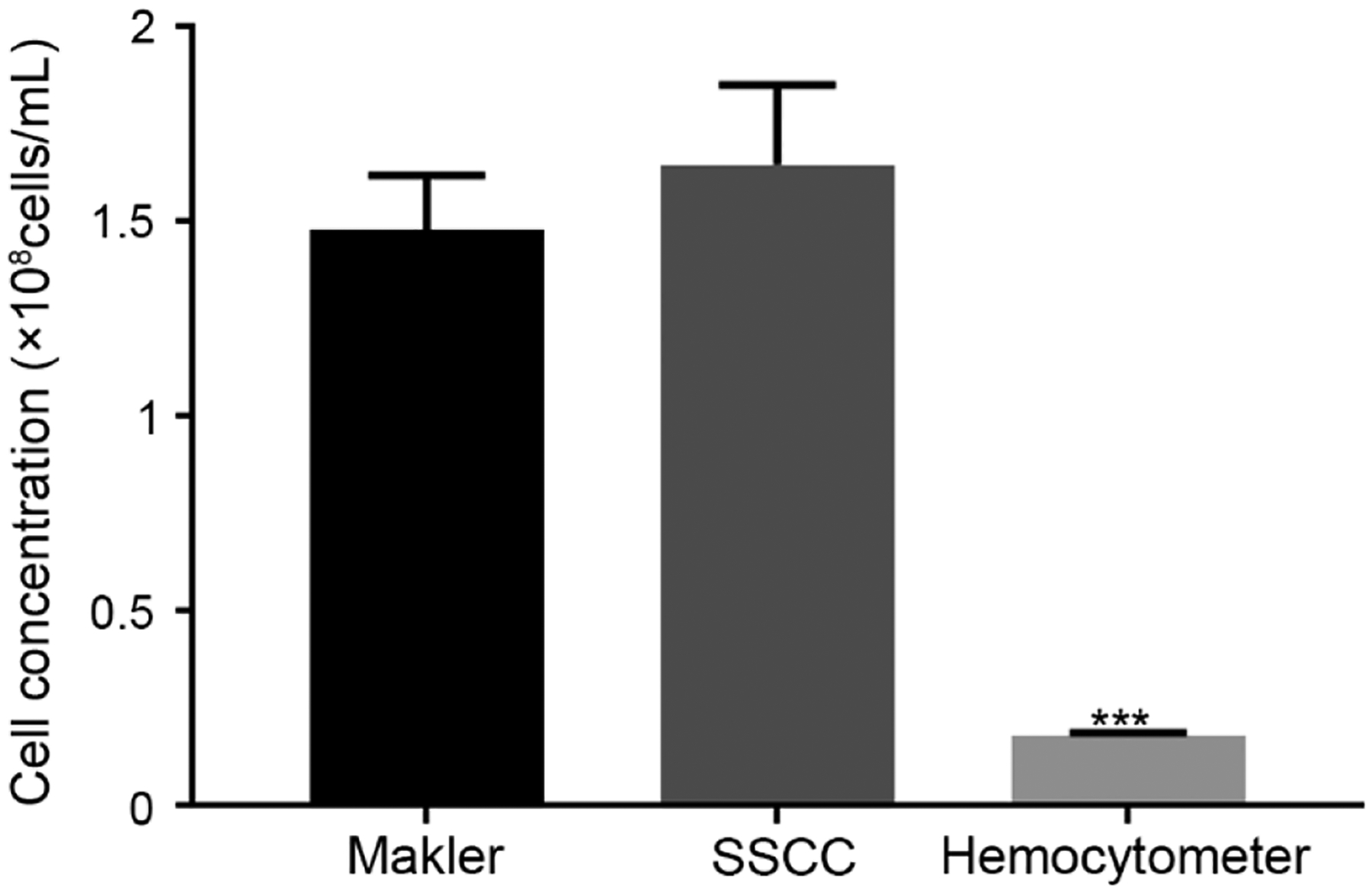
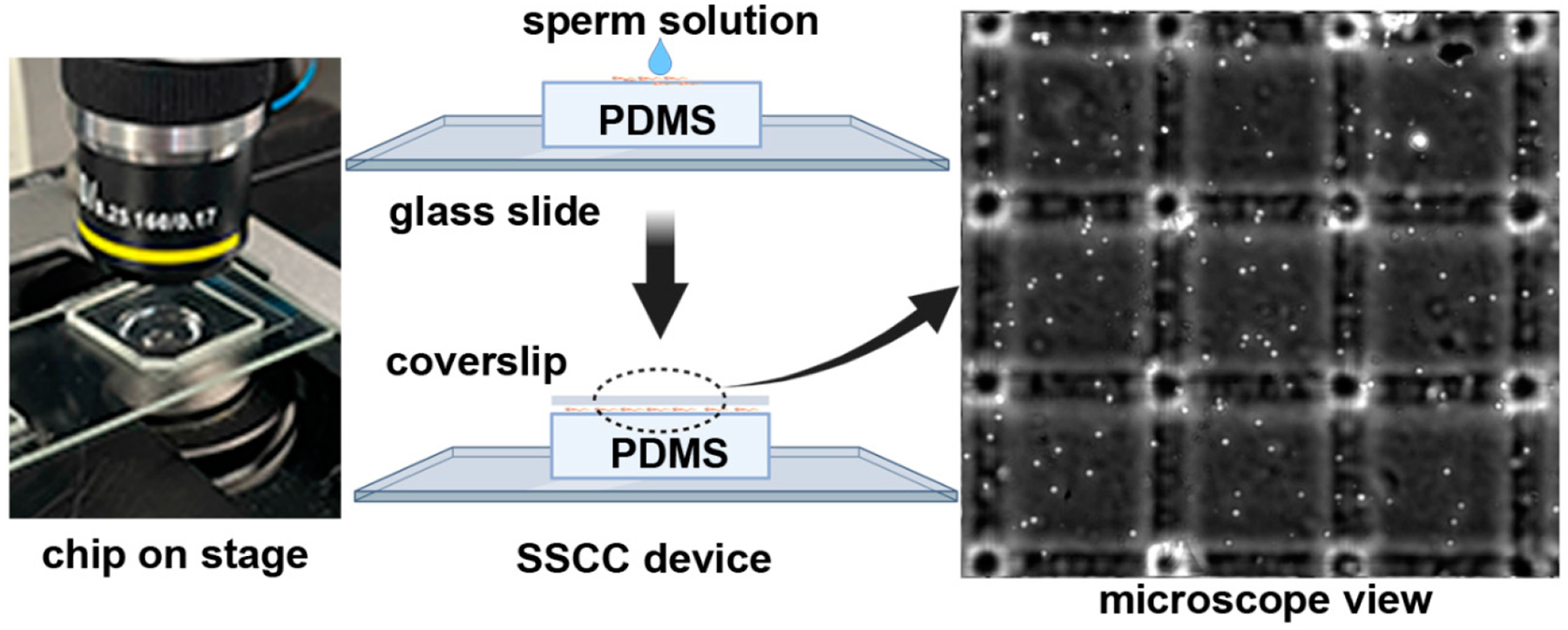
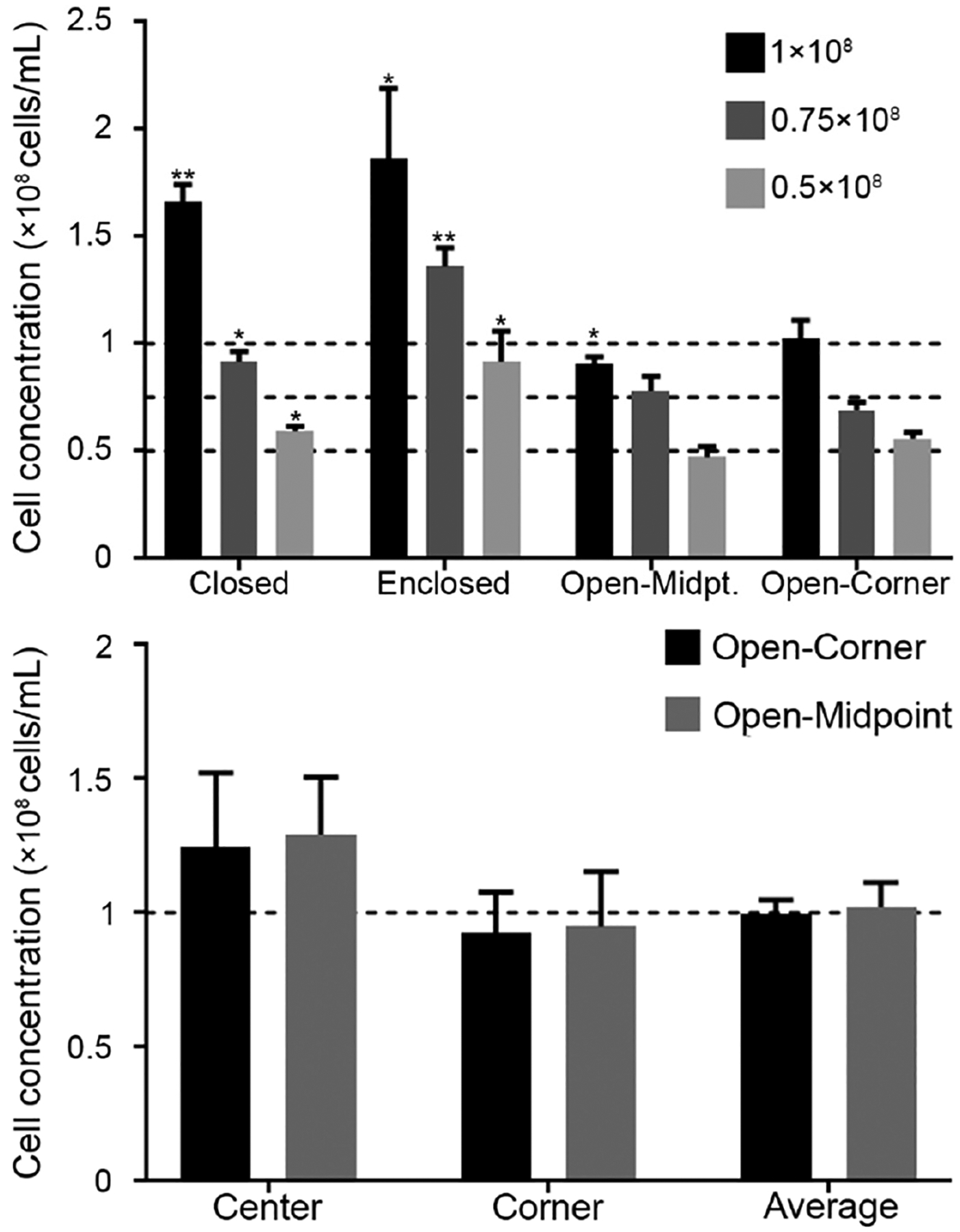
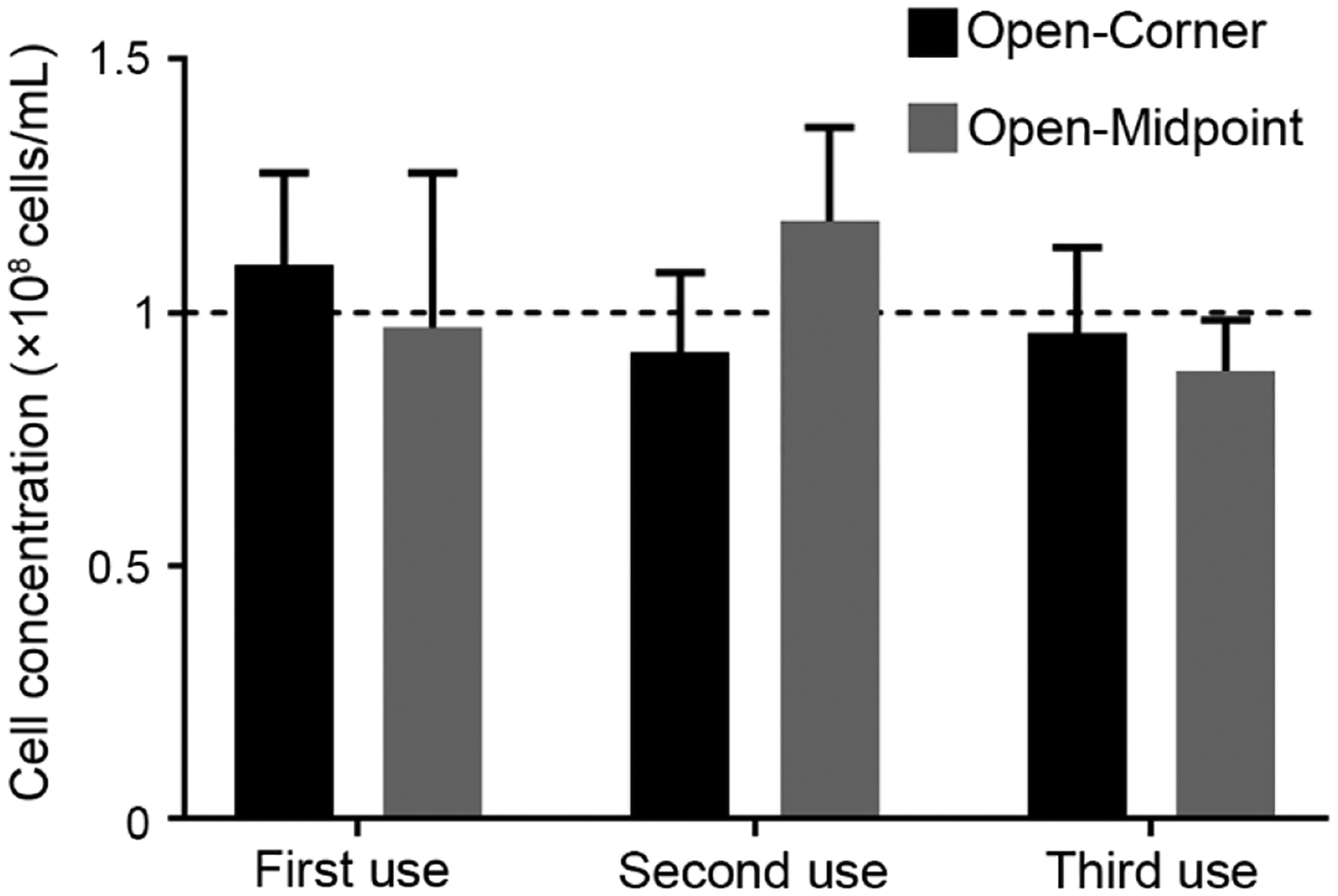
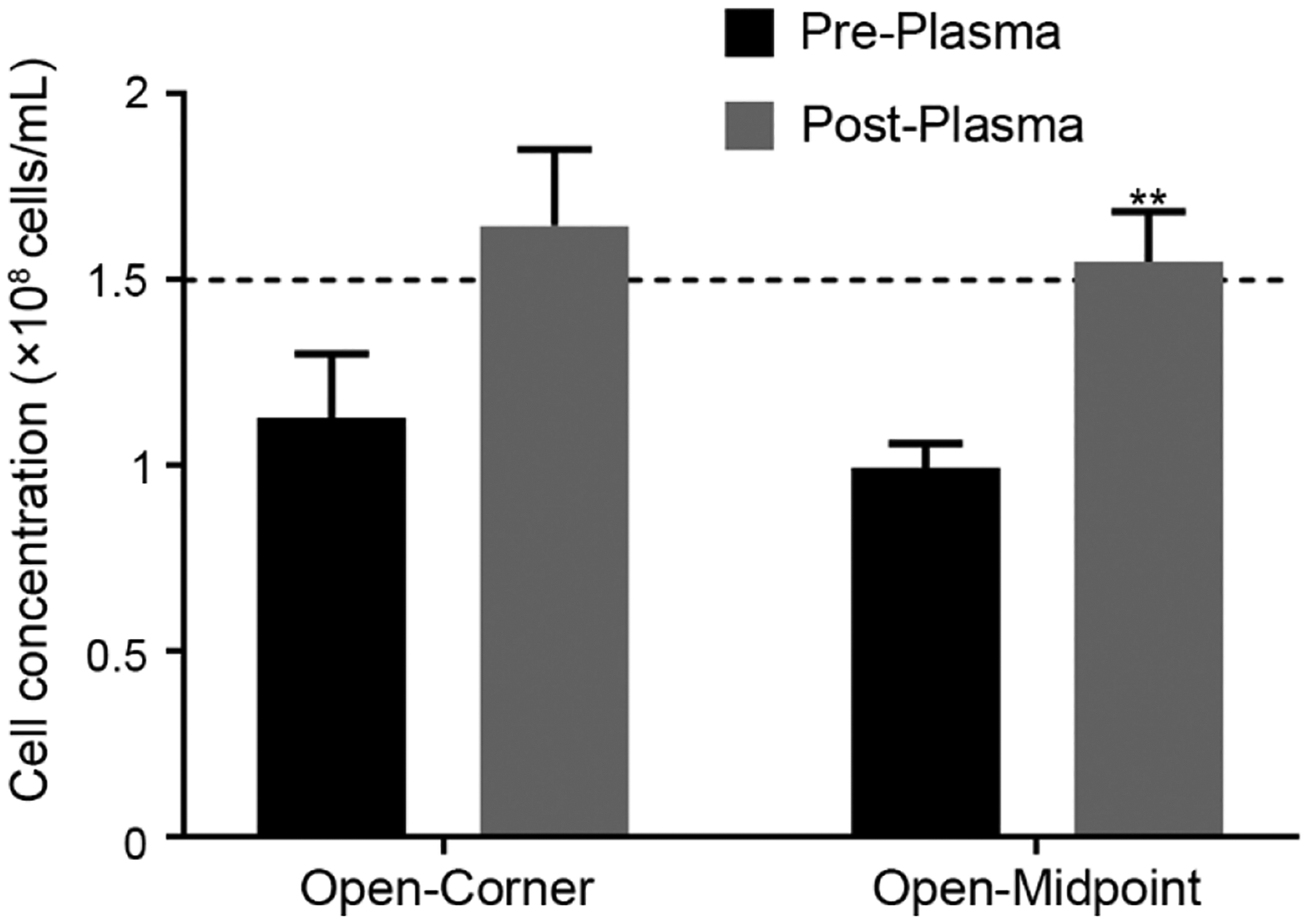
Accurate determination of sperm concentration in aquatic species is important for assisted reproduction and cryopreservation, yet is challenging as current counting methods are costly or not suitable for many species. The goal of this work was to develop a simple (single-piece and single-layer photolithography) sperm counting chamber (SSCC) for aquatic species. Goldfish ( and zebrafish () sperm were used for evaluation in the device, which was created with soft lithography. Four designs with different geometries were evaluated for counting accuracy. Open-corner and open-midpoint designs were the most accurate with no significant differences ( > 0.05) for most of the target sperm concentrations (0.5-1.0 × 10 cells/mL). The open-corner design was not significantly different from the Makler counting chamber intended for human sperm cells ( = 0.6) but was significantly different from a hemocytometer ( < 0.001) intended for other cell sizes. Material cost of device production was USD 16 per unit, including photolithography supplies, glass slide and coverslip, and polydimethylsiloxane. The cost can be reduced to USD 2 per unit with repeated wafer casts. This device could be further refined for resin 3-D printing and sharing via open-hardware approaches and modified to best suit species specific applications.
准确测定水生物种的精子浓度对于辅助生殖和冷冻保存至关重要,但由于目前的计数方法成本高昂或不适用于许多物种,因此具有挑战性。这项工作的目标是为水生物种开发一种简单的(单件和单层光刻)精子计数室(SSCC)。金鱼( )和斑马鱼( )的精子用于该设备的评估,该设备是通过软光刻制造的。评估了四种不同几何形状的设计的计数准确性。对于大多数目标精子浓度(0.5 - 1.0×10 个细胞/毫升),角开口和中点开口设计最为准确,无显著差异( > 0.05)。角开口设计与用于人类精子细胞的Makler计数室无显著差异( = 0.6),但与用于其他细胞大小的血细胞计数器有显著差异( < 0.001)。该设备的生产成本为每单位16美元,包括光刻耗材、载玻片和盖玻片以及聚二甲基硅氧烷。通过重复晶圆浇铸,成本可降至每单位2美元。该设备可通过开放式硬件方法进一步改进以用于树脂3D打印和共享,并进行修改以最适合特定物种的应用。