PeterBond.org, Zeist, Netherlands.
Department of Internal Medicine, Elisabeth-TweeSteden Hospital, Tilburg, Netherlands.
Front Endocrinol (Lausanne). 2022 Dec 19;13:1059473. doi: 10.3389/fendo.2022.1059473. eCollection 2022.
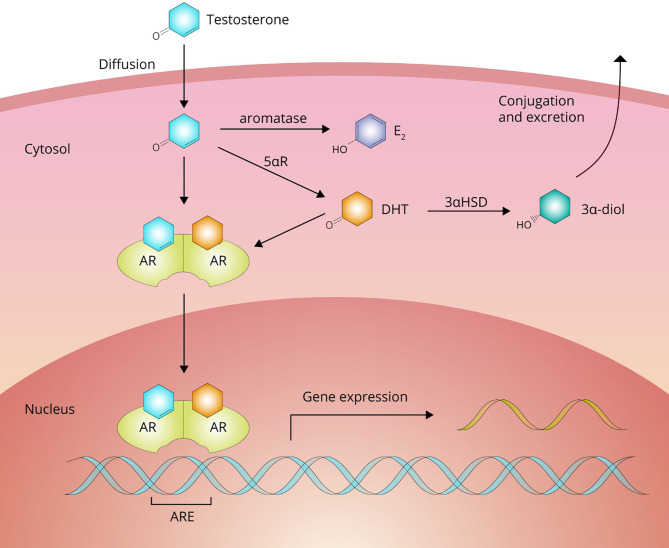
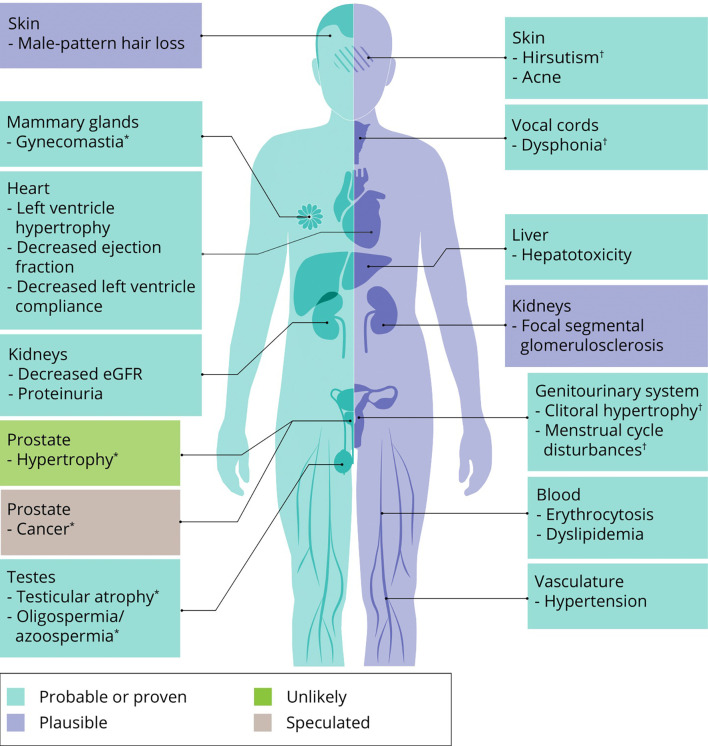
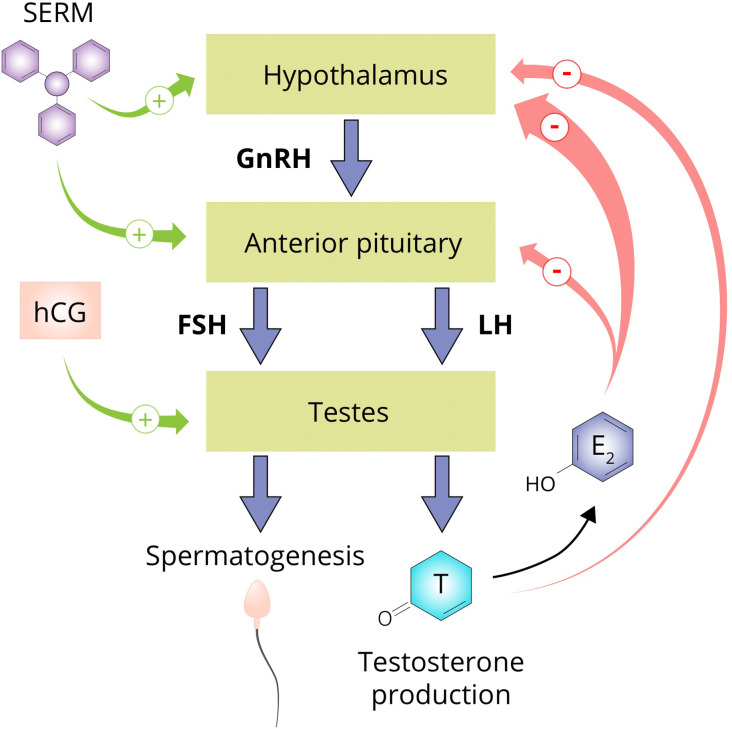
Anabolic-androgenic steroids (AAS) are a class of hormones that are widely abused for their muscle-building and strength-increasing properties in high, nontherapeutic, dosages. This review provides an up-to-date and comprehensive overview on how these hormones work and what side effects they might elicit. We discuss how AAS are absorbed into the circulation after intramuscular injection or oral ingestion and how they are subsequently transported to the tissues, where they will move into the extravascular compartment and diffuse into their target cells. Inside these cells, AAS can biotransform into different metabolites or bind to their cognate receptor: the androgen receptor. AAS and their metabolites can cause side effects such as acne vulgaris, hypertension, hepatotoxicity, dyslipidemia, testosterone deficiency, erectile dysfunction, gynecomastia, and cardiomyopathy. Where applicable, we mention treatment options and self-medication practices of AAS users to counteract these side effects. Clinicians may use this review as a guide for understanding how AAS use can impact health and to assist in patient education and, in some cases, the management of side effects.
合成代谢雄激素类固醇(AAS)是一类被广泛滥用的激素,因其在高剂量、非治疗性条件下具有促进肌肉生长和增强力量的特性而受到滥用。本综述提供了关于这些激素如何发挥作用以及可能产生哪些副作用的最新和全面的概述。我们讨论了 AAS 经肌内注射或口服摄入后如何被吸收到血液循环中,以及随后它们如何被运送到组织中,在那里它们将进入血管外间隙并扩散到靶细胞中。在这些细胞内,AAS 可以生物转化为不同的代谢物或与它们的同源受体:雄激素受体结合。AAS 和它们的代谢物可能会导致副作用,如寻常痤疮、高血压、肝毒性、血脂异常、睾丸功能减退、勃起功能障碍、男性乳房发育和心肌病。在适用的情况下,我们提到了 AAS 用户的治疗选择和自我用药实践,以抵消这些副作用。临床医生可以将本综述用作了解 AAS 使用如何影响健康的指南,并协助患者教育,在某些情况下,还可以协助管理副作用。