Tumour Microenvironment Laboratory, QIMR Berghofer Medical Research Institute, Herston, QLD 4006, Australia.
Faculty of Medicine, University of Queensland, Brisbane, QLD 4072, Australia.
Commun Biol. 2023 Jan 18;6(1):68. doi: 10.1038/s42003-022-04350-4.
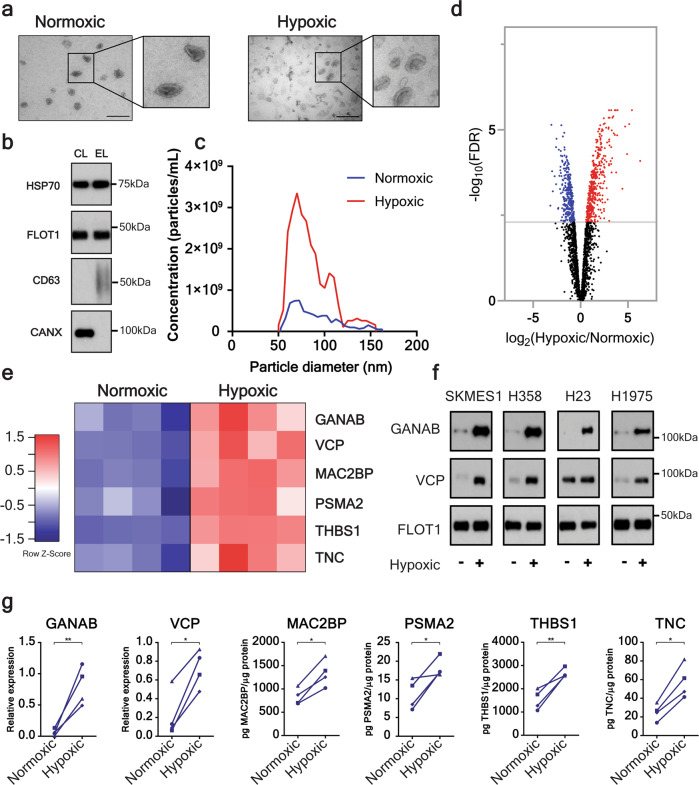
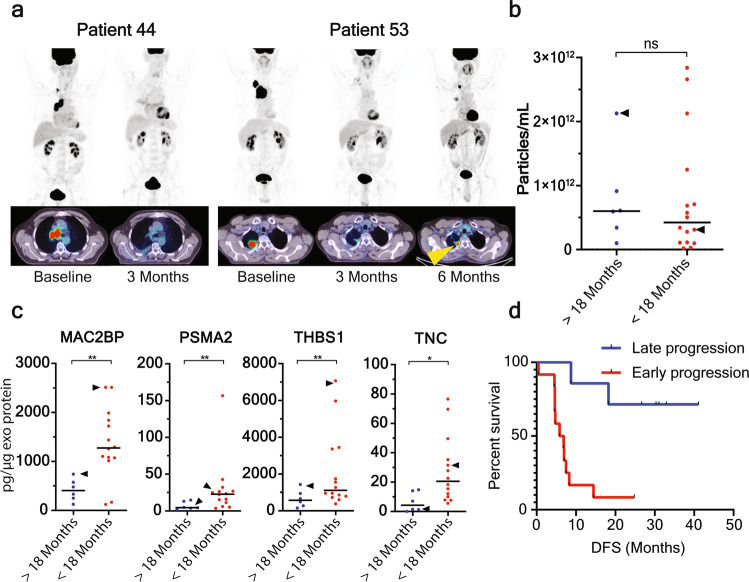
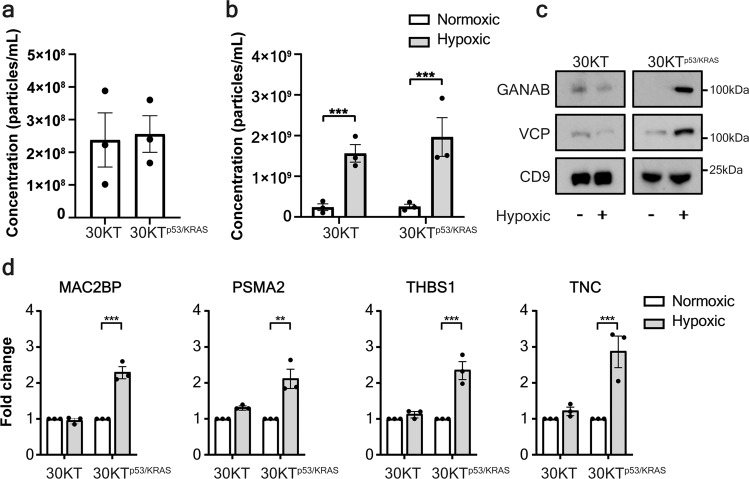
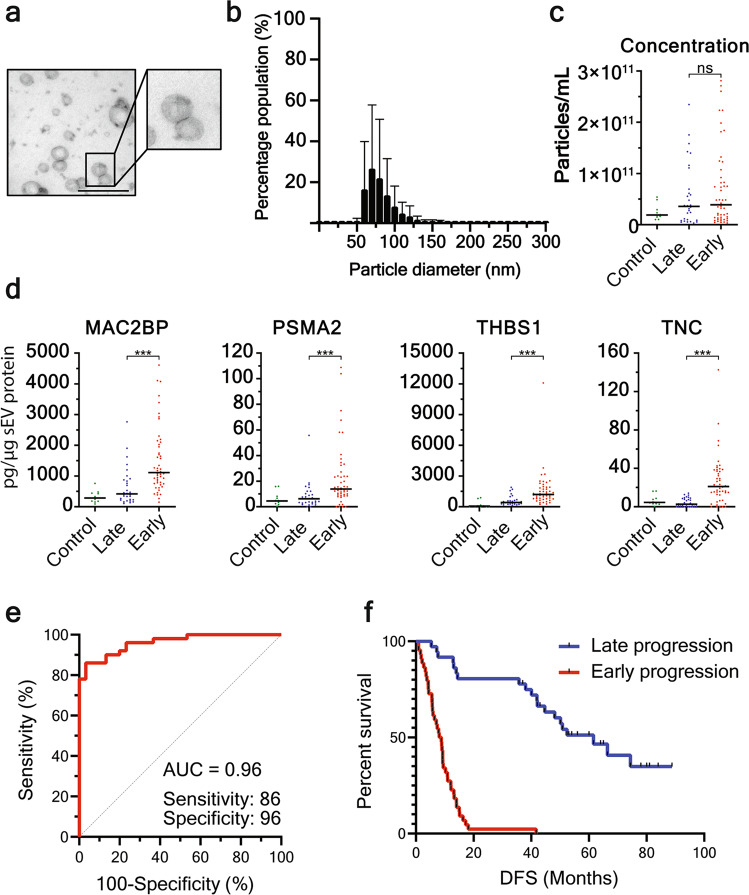
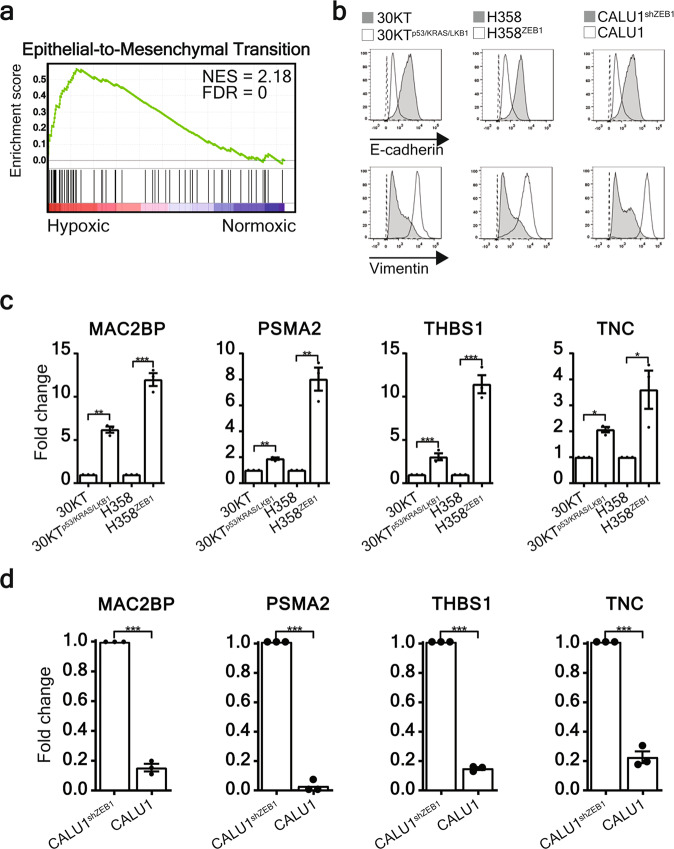
Despite significant therapeutic advances, lung cancer remains the leading cause of cancer-related death worldwide. Non-small cell lung cancer (NSCLC) patients have a very poor overall five-year survival rate of only 10-20%. Currently, TNM staging is the gold standard for predicting overall survival and selecting optimal initial treatment options for NSCLC patients, including those with curable stages of disease. However, many patients with locoregionally-confined NSCLC relapse and die despite curative-intent interventions, indicating a need for intensified, individualised therapies. Epithelial-to-mesenchymal transition (EMT), the phenotypic depolarisation of epithelial cells to elongated, mesenchymal cells, is associated with metastatic and treatment-refractive cancer. We demonstrate here that EMT-induced protein changes in small extracellular vesicles are detectable in NSCLC patients and have prognostic significance. Overall, this work describes a novel prognostic biomarker signature that identifies potentially-curable NSCLC patients at risk of developing metastatic NSCLC, thereby enabling implementation of personalised treatment decisions.
尽管在治疗方面取得了重大进展,但肺癌仍是全球癌症相关死亡的主要原因。非小细胞肺癌 (NSCLC) 患者的总体五年生存率非常低,仅为 10-20%。目前,TNM 分期是预测总体生存率和为 NSCLC 患者选择最佳初始治疗方案的金标准,包括那些处于可治愈阶段的患者。然而,尽管进行了治愈性干预,许多局部区域受限的 NSCLC 患者仍会复发和死亡,这表明需要强化、个体化的治疗。上皮-间充质转化 (EMT),即上皮细胞向拉长的间充质细胞的表型去极化,与转移性和治疗抵抗性癌症有关。我们在这里证明,在 NSCLC 患者中可以检测到小细胞外囊泡中 EMT 诱导的蛋白质变化,并具有预后意义。总的来说,这项工作描述了一种新的预后生物标志物特征,可识别出有发展为转移性 NSCLC 风险的潜在可治愈 NSCLC 患者,从而能够做出个性化的治疗决策。