Sirakov Ivo, Rusenova Nikolina, Rusenov Anton, Gergova Raina, Strateva Tanya
Department of Medical Microbiology, Medical Faculty, Medical University-Sofia, 1431 Sofia, Bulgaria.
Department of Veterinary Microbiology, Infectious and Parasitic Diseases, Faculty of Veterinary Medicine, Trakia University, 6000 Stara Zagora, Bulgaria.
Vet Sci. 2023 Jan 6;10(1):42. doi: 10.3390/vetsci10010042.
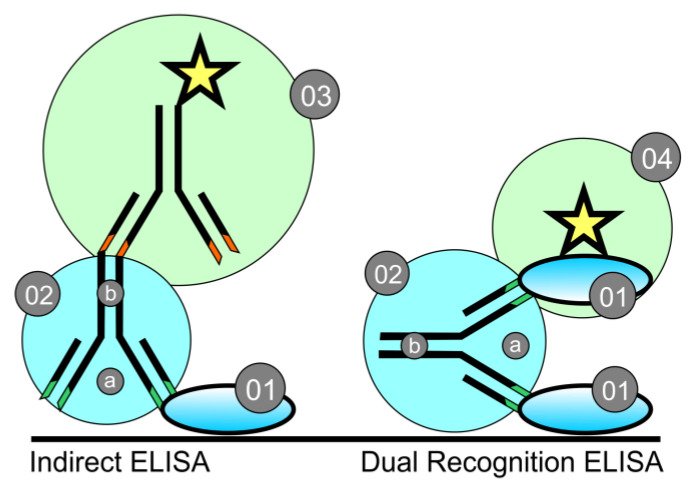
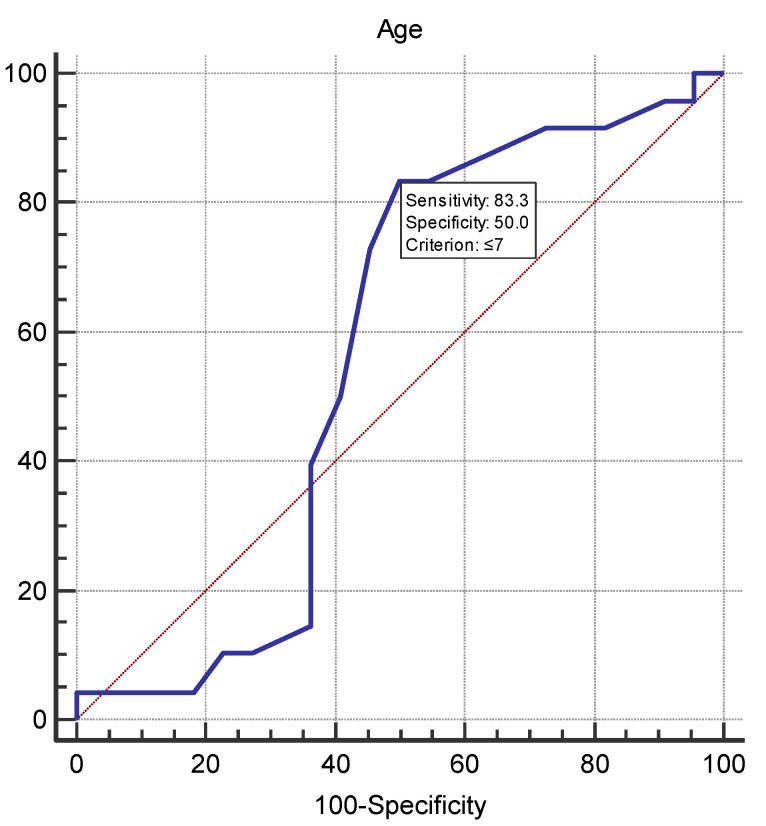
The aim of this study was to verify whether the human DR-ELISA for the detection of anti-SARS-CoV-2 antibodies can be applied in cats, and to assess the risk factors that determine the spread of the virus among the cat population in Bulgaria. The study included 92 serum samples collected from 68 domestic and 24 stray cats aged from 3 months to 20 years of age in the period of January-June 2021. The samples originated from three regions in Bulgaria and from three places of inhabitance. DR-ELISA based on peroxidase-labeled SARS-CoV-2 N protein was employed to detect IgA, IgG and IgM antibodies in the samples. Subsequently, the results were compared with a commercially available multi-species ELISA kit. There was high seroprevalence (83.33%) in stray cats and 41.18% in domestic cats, confirmed by the human and veterinary ELISA kit. The positive cases in the regional cities were 42.86%, in small towns 50% and in villages 78.26%. Cats under 7 years had a five times higher risk than those over 7 years ( = 0.001). The risk was seven times higher for stray cats than for domestic cats ( = 0.001). In addition, the results indicate that the risk was the highest for cats in villages ( = 0.006) compared to cats in other places of inhabitance. This study demonstrates that human DR-ELISA may be successfully applied to monitor the circulation of SARS-CoV-2 in cats and other susceptible species. Cats might serve as sentinel animals for tracking the virus in nature and in inhabited areas (strays) and to discover asymptomatic cases in humans/owners.
本研究的目的是验证用于检测抗SARS-CoV-2抗体的人类DR-ELISA是否可应用于猫,并评估决定该病毒在保加利亚猫群中传播的风险因素。该研究纳入了2021年1月至6月期间从68只家猫和24只流浪猫采集的92份血清样本,这些猫的年龄在3个月至20岁之间。样本来自保加利亚的三个地区和三个居住地点。采用基于过氧化物酶标记的SARS-CoV-2 N蛋白的DR-ELISA检测样本中的IgA、IgG和IgM抗体。随后,将结果与市售的多物种ELISA试剂盒进行比较。经人类和兽医ELISA试剂盒确认,流浪猫的血清阳性率很高(83.33%),家猫为41.18%。区域城市的阳性病例为42.86%,小镇为50%,村庄为78.26%。7岁以下的猫比7岁以上的猫感染风险高五倍(P = 0.001)。流浪猫的感染风险比家猫高七倍(P = 0.001)。此外,结果表明,与其他居住地点的猫相比,村庄中的猫感染风险最高(P = 0.006)。本研究表明,人类DR-ELISA可成功应用于监测SARS-CoV-2在猫和其他易感物种中的传播情况。猫可作为哨兵动物,用于追踪自然界和居住区(流浪猫)中的病毒,并发现人类/主人中的无症状病例。