Rajesh Durvasulu, Lenin Nagarajan, Cep Robert, Anand Palanivel, Elangovan Muniyandy
Department of Mechanical Engineering, Vel Tech Rangarajan Dr. Sagunthala R&D Institute of Science and Technology, Avadi 600062, India.
Department of Machining, Assembly and Engineering Metrology, Faculty of Mechanical Engineering, VSB-Technical University of Ostrava, 17. Listopadu 2172/15, 70800 Ostrava, Czech Republic.
Polymers (Basel). 2023 Jan 9;15(2):350. doi: 10.3390/polym15020350.
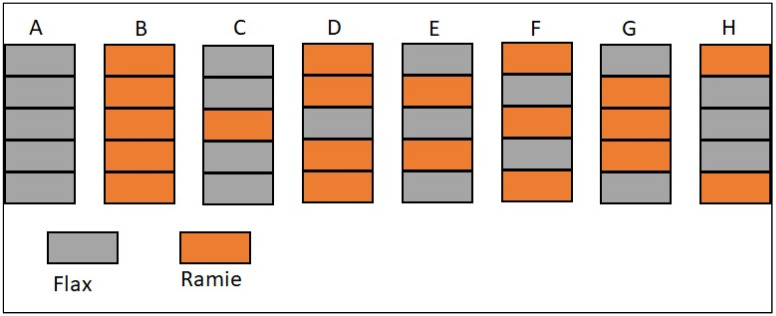
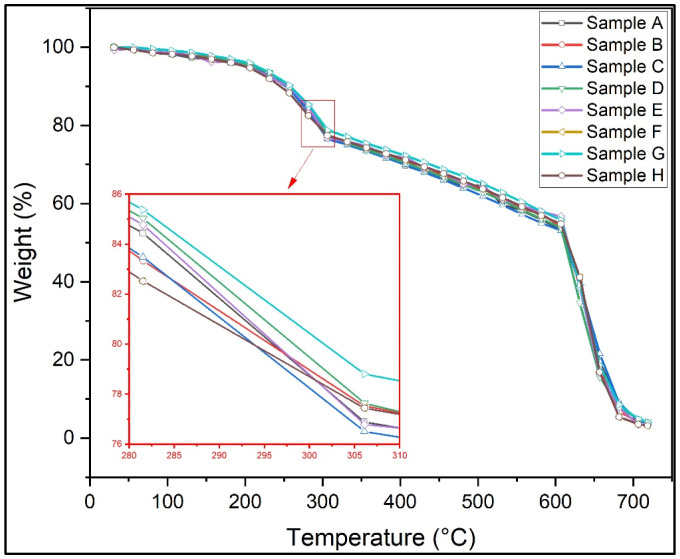
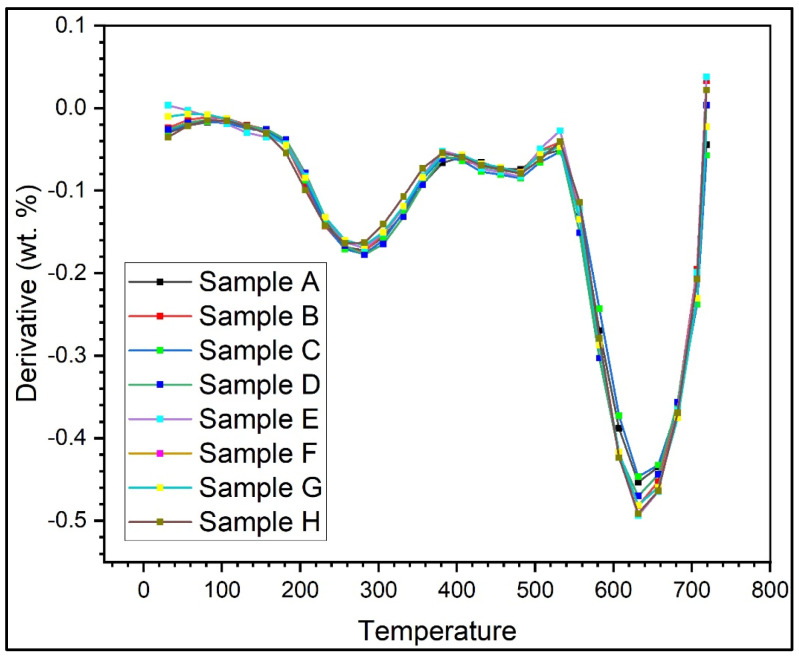
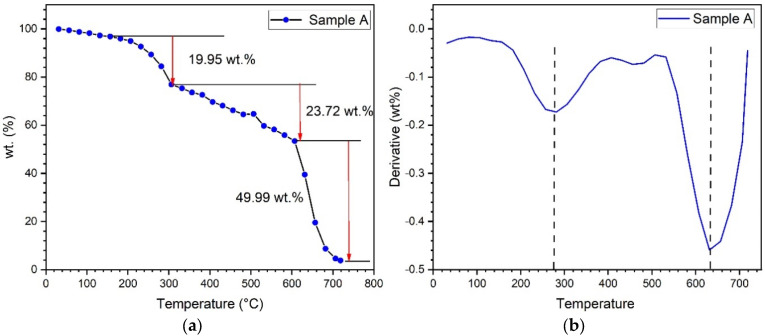
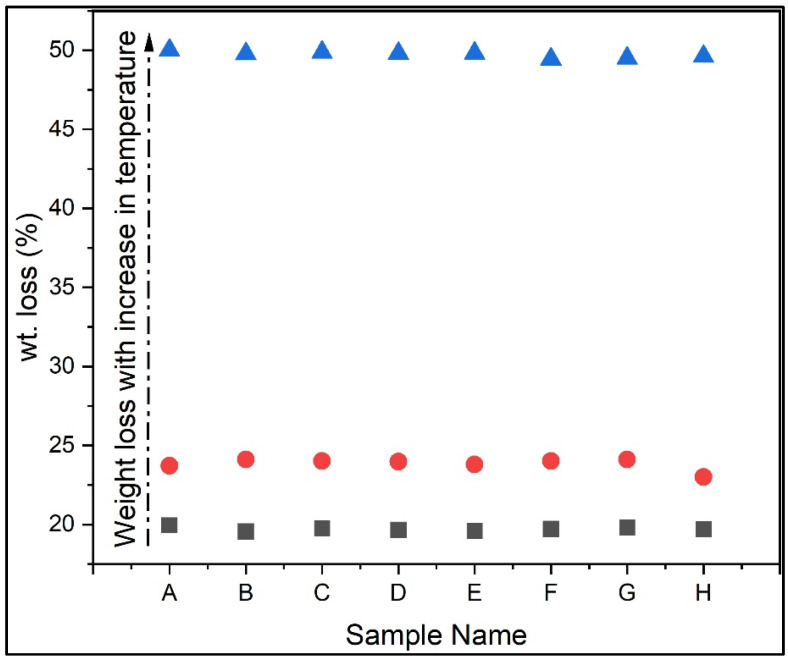
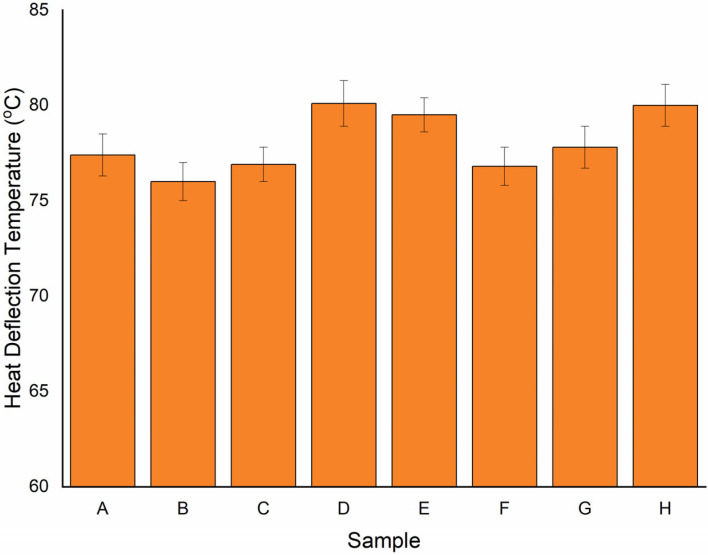
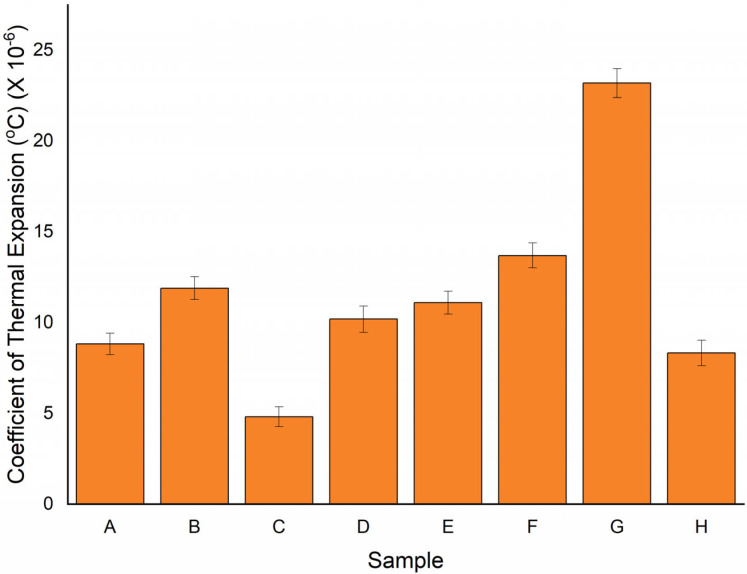
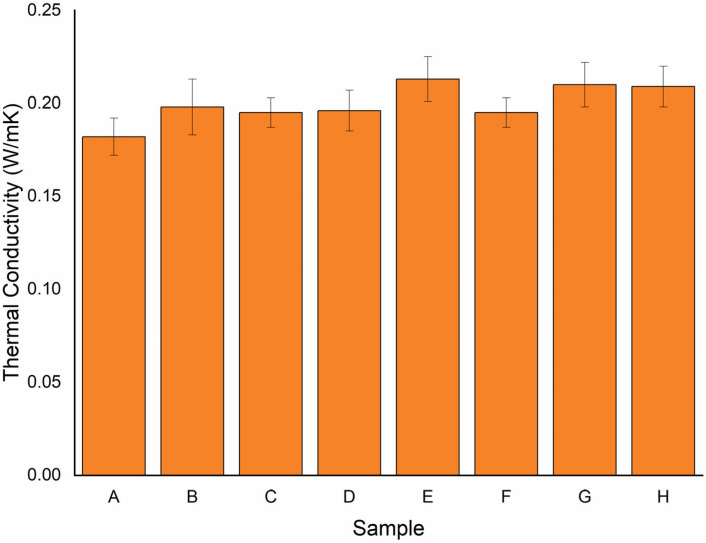
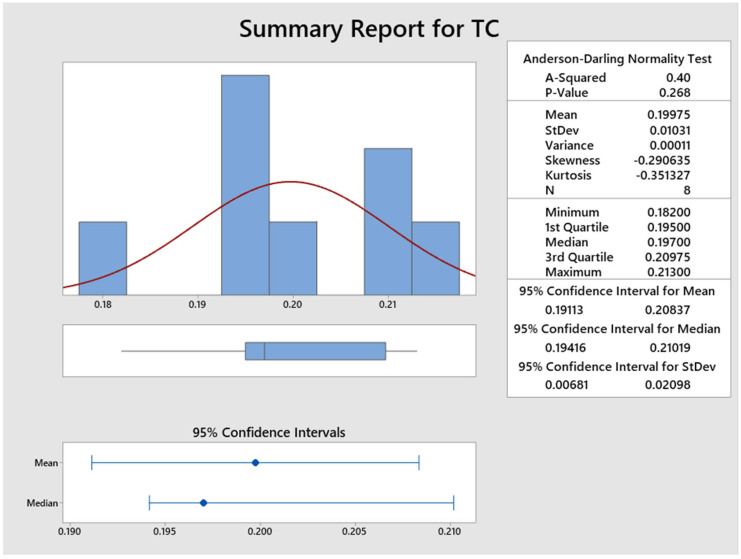
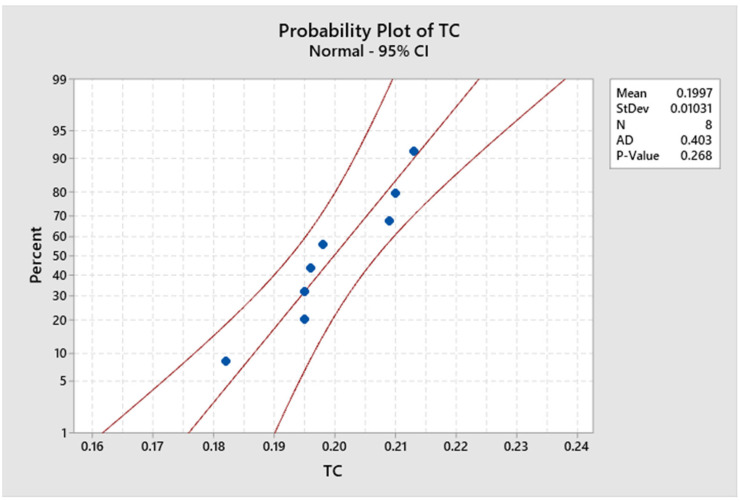
Plant-derived fibres, called lignocellulosic fibres, are a natural alternative to synthetic fibres in polymer composite reinforcement. Utilizing renewable resources, such as fibre-reinforced polymeric composites made from plant and animal sources, has become a crucial design requirement for developing and producing parts for all industrial goods. Natural-fibre-based composites are used for door panels, trays, glove boxes, etc. This study involves developing and thermal analysing a flax fibre reinforced with phenol-formaldehyde resin hybridization with ramie fibre by way of a vacuum infusion process. As per ASTM Standard, eight different sequences were fabricated and thermally characterized. In the present study, three stages of weight loss (%) are shown by the thermogravimetric analysis (TGA). The sample loses less weight during the first stage, more during the second, and more during the third. The sample's overall maximum temperature was recorded at 630 °C. It was discovered that sample D (80.1 °C) had the highest heat deflection temperature, and sample B had the lowest (86.0 °C). Sample C had a low thermal expansion coefficient, while sample G had a high thermal expansion coefficient. Sample E had the highest thermal conductivity, measured at 0.213 W/mK, whereas sample A had the lowest conductivity, at 0.182 W/mK. From the present study, it was found that sample H had better thermal characteristics. The result of the present investigation would generate thermal data regarding hybrid ramie and flax composites, which would be helpful for researchers and practitioners involved in the field of biocomposites.
植物衍生纤维,即木质纤维素纤维,是聚合物复合材料增强中合成纤维的天然替代品。利用可再生资源,如由植物和动物来源制成的纤维增强聚合物复合材料,已成为开发和生产所有工业产品零部件的关键设计要求。基于天然纤维的复合材料用于门板、托盘、手套箱等。本研究涉及通过真空灌注工艺开发并用酚醛树脂与苎麻纤维杂化增强亚麻纤维,并对其进行热分析。按照ASTM标准,制作了八个不同的序列并进行了热表征。在本研究中,热重分析(TGA)显示了三个失重阶段(%)。样品在第一阶段失重较少,第二阶段较多,第三阶段更多。样品的总体最高温度记录为630℃。发现样品D(80.1℃)具有最高的热变形温度,样品B最低(86.0℃)。样品C的热膨胀系数较低,而样品G的热膨胀系数较高。样品E的热导率最高,为0.213W/mK,而样品A的导率最低,为0.182W/mK。从本研究中发现,样品H具有更好的热性能。本研究结果将生成关于苎麻和亚麻混杂复合材料的热数据,这将有助于生物复合材料领域的研究人员和从业者。