Tarasov Dmitry, Leitch Mathew, Fatehi Pedram
1Chemical Engineering Department, Lakehead University, 955 Oliver Road, Thunder Bay, ON P7B 5E1 Canada.
2Natural Resource Management Faculty, Lakehead University, 955 Oliver Road, Thunder Bay, ON P7B 5E1 Canada.
Biotechnol Biofuels. 2018 Sep 29;11:269. doi: 10.1186/s13068-018-1262-1. eCollection 2018.
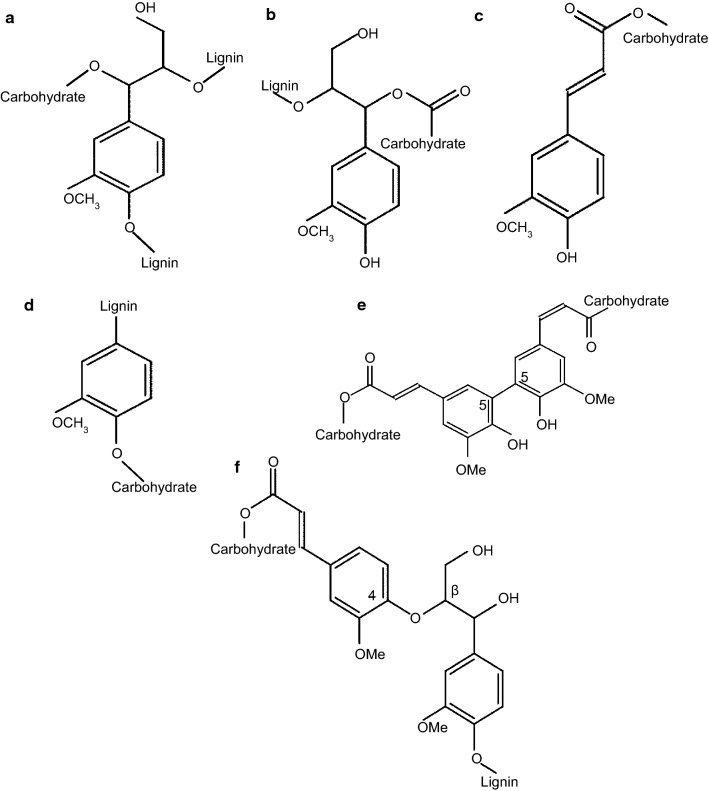
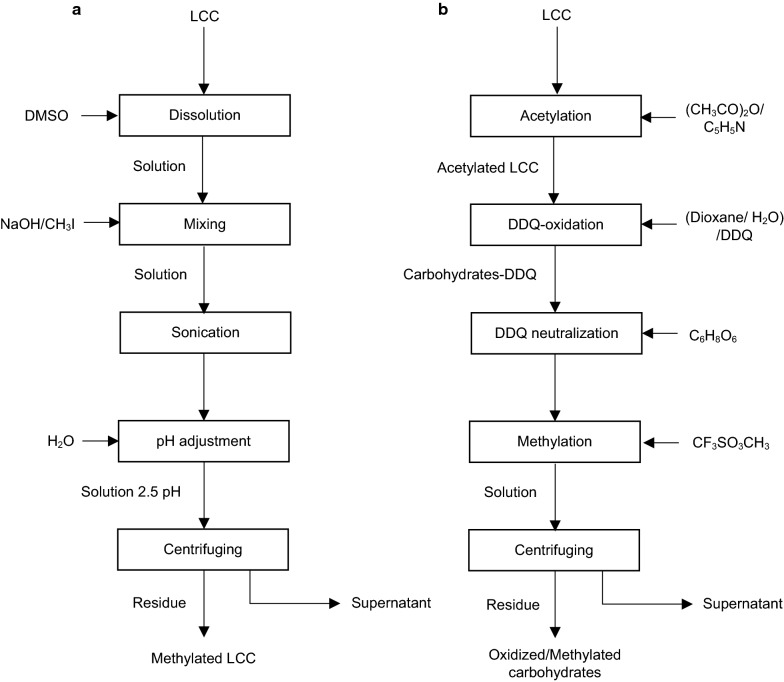
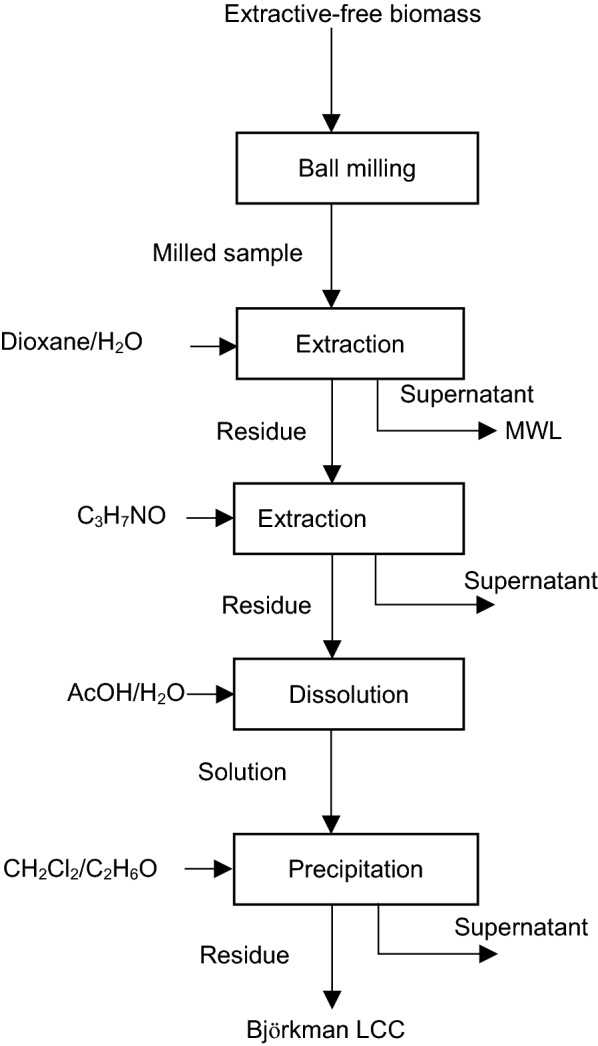
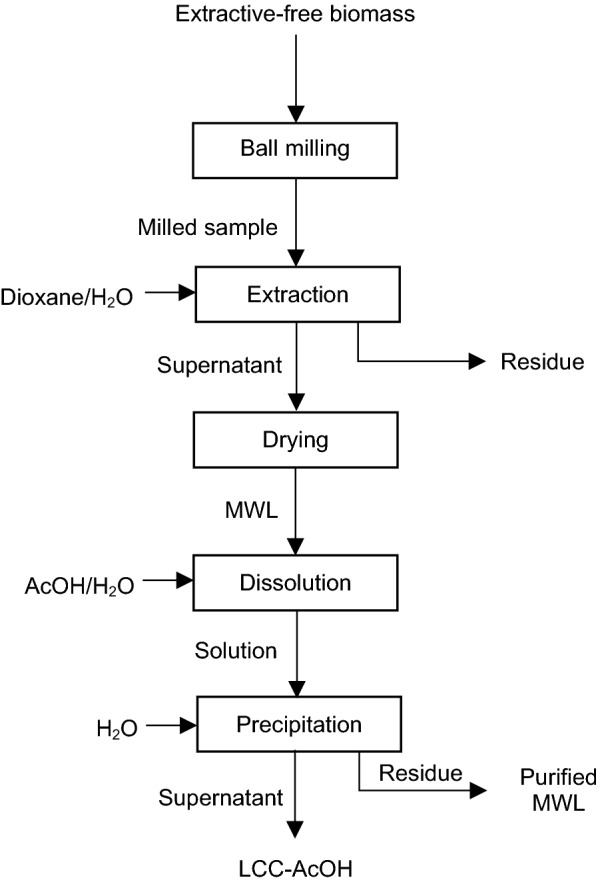
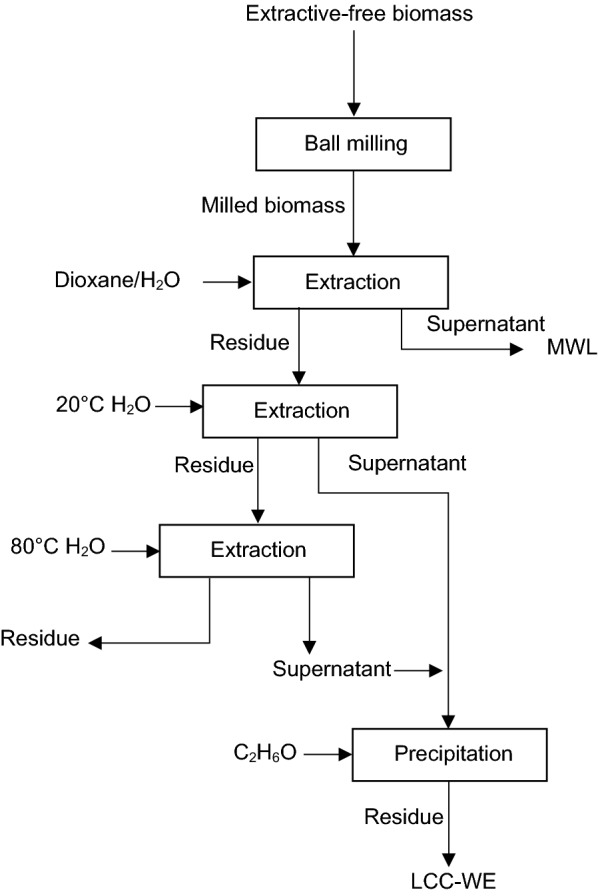
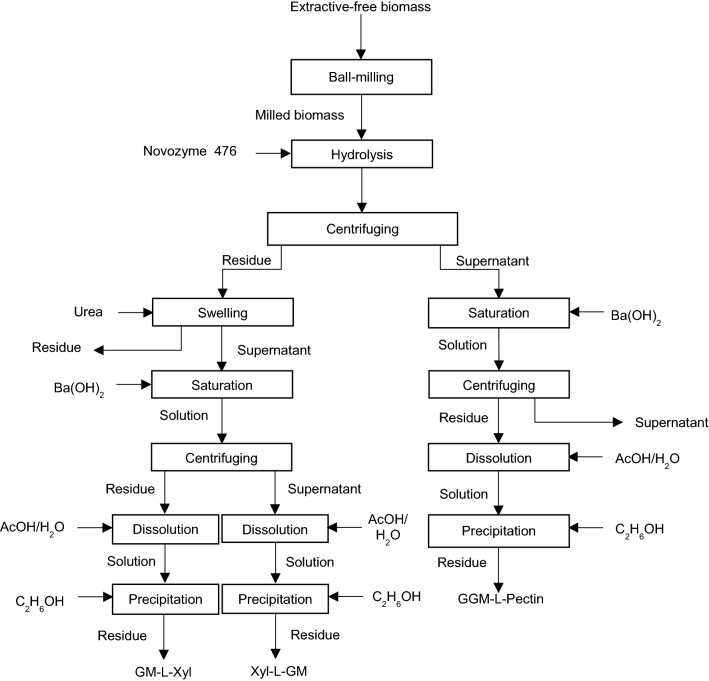
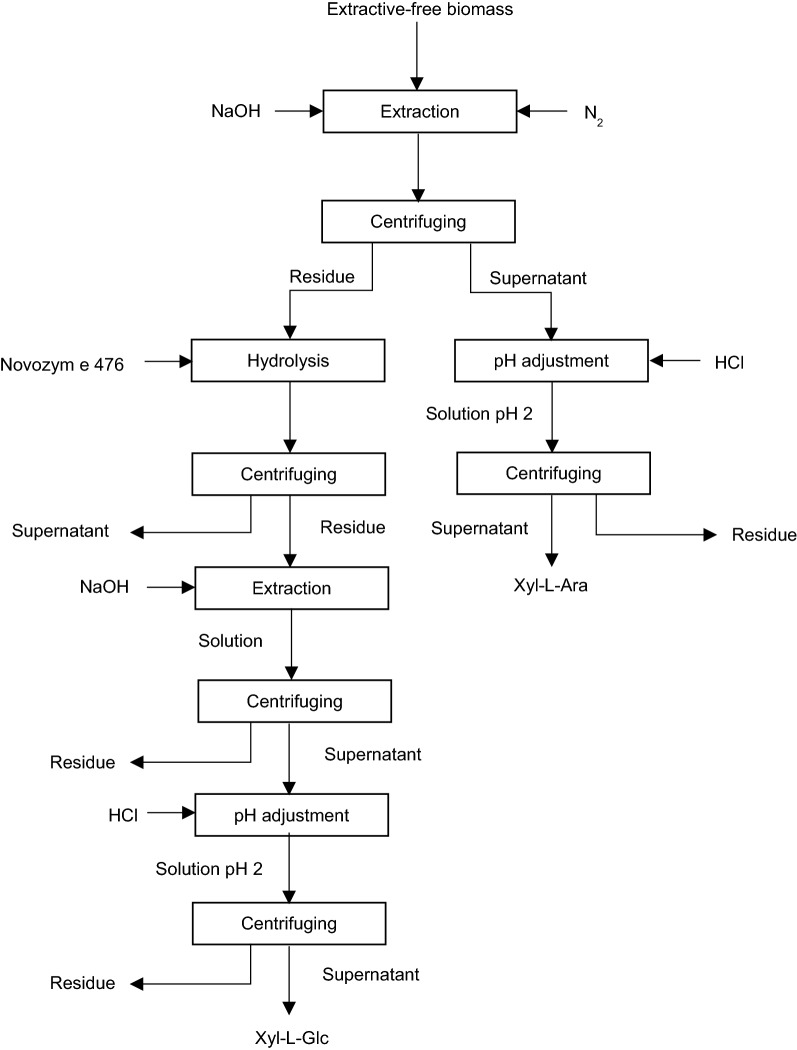
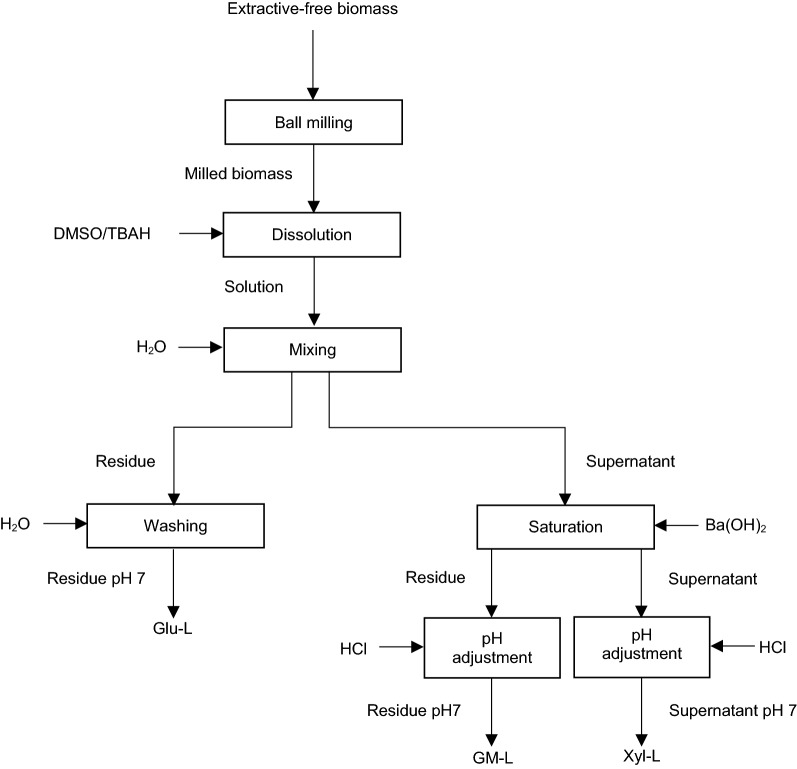
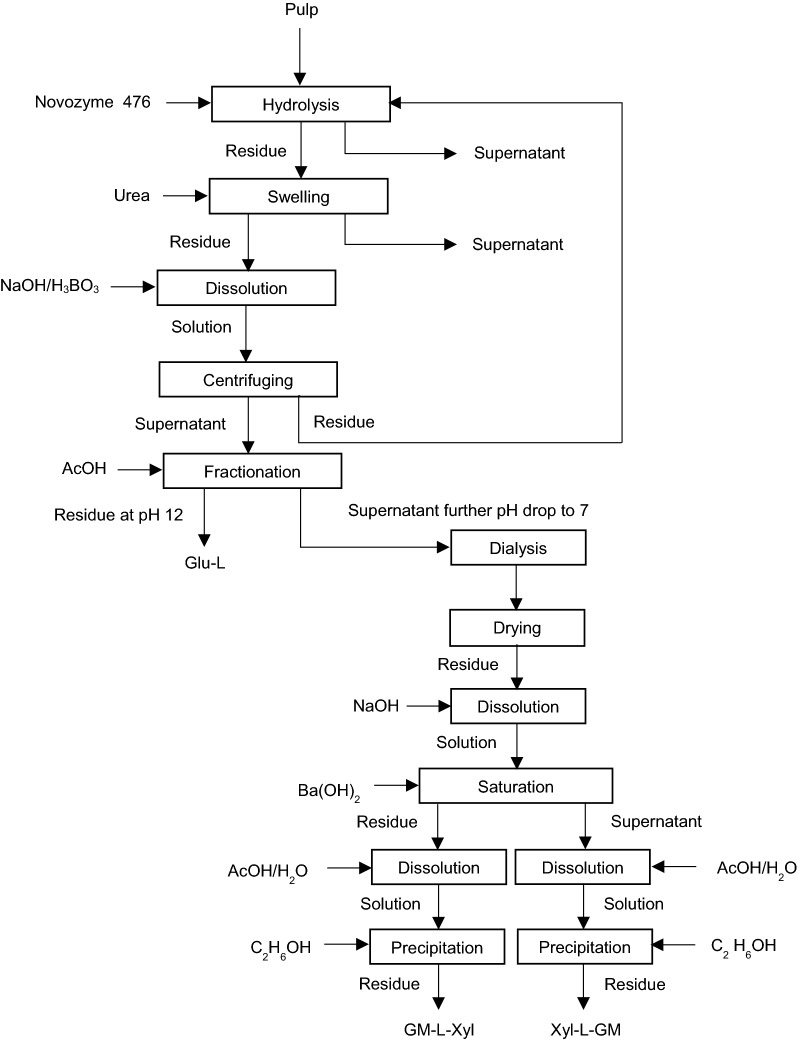
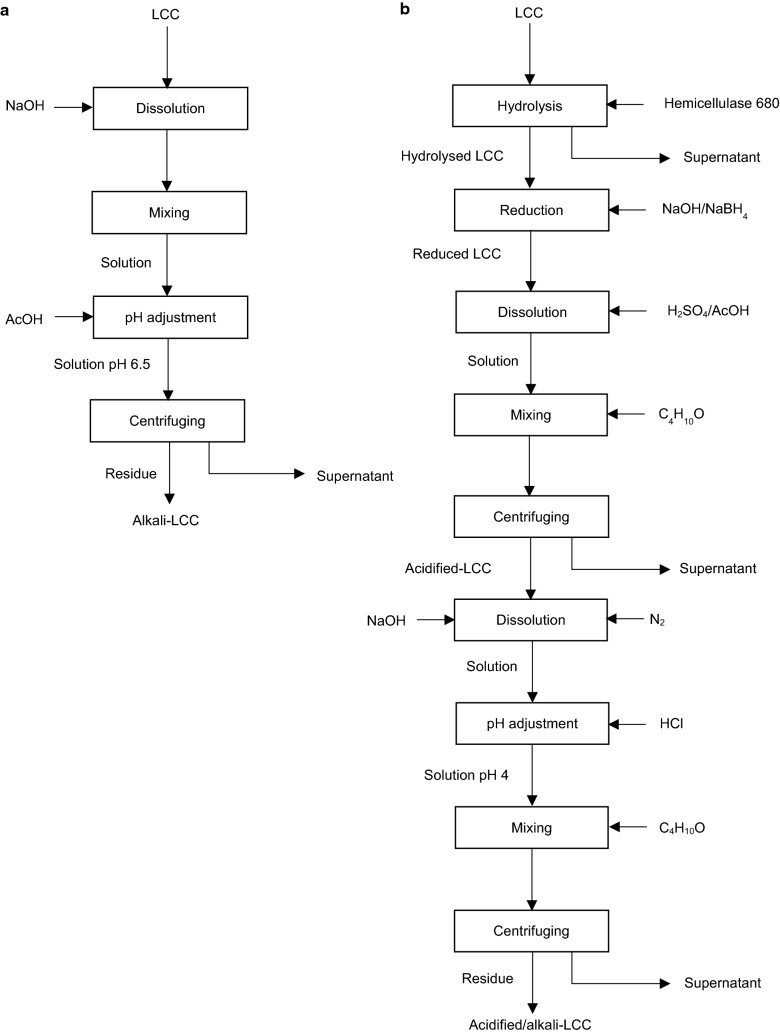
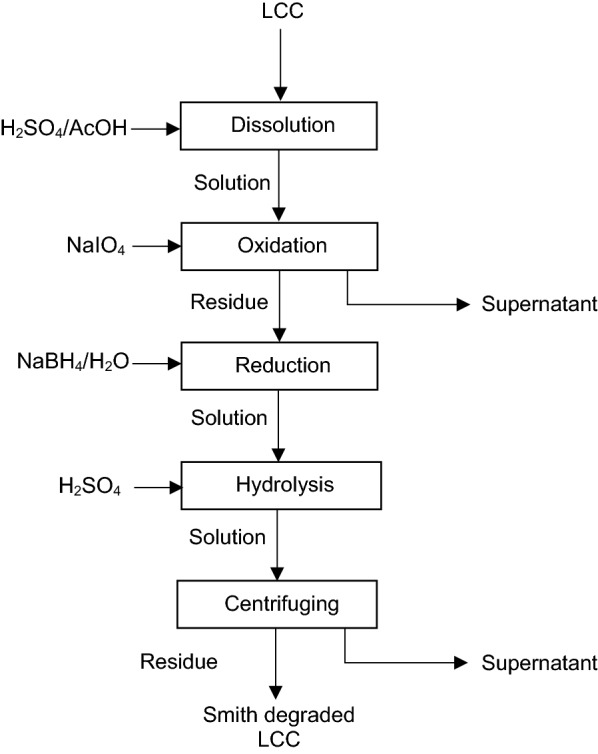
The complexity of lignin and hemicellulose segmentation has been known since the middle of the ninetieth century. Studies confirmed that all lignin units in coniferous species and 47-66% of lignin moieties in deciduous species are bound to hemicelluloses or cellulose molecules in lignin-carbohydrate complexes (LCC). Different types and proportions of lignin and polysaccharides present in biomass lead to the formation of LCC with a great variety of compositions and structures. The nature and amount of LCC linkages and lignin substructures affect the efficiency of pulping, hydrolysis, and digestibility of biomass. This review paper discusses the structures, compositions, and properties of LCC present in biomass and in the products obtained via pretreating biomass. Methods for extracting, fractionating, and analyzing LCC of biomass, pulp, and spent pulping liquors are critically reviewed. The main perspectives and challenges associated with these technologies are extensively discussed. LCC could be extracted from biomass following varied methods, among which dimethyl sulfoxide or dioxane (Björkman's) and acetic acid (LCC-AcOH) processes are the most widely applied. The oxidation and methylation treatments of LCC materials elucidate the locations and frequency of binding sites of hemicelluloses to lignin. The two-dimensional nuclear magnetic resonance analysis allows the identification of the structure and the quantity of lignin-carbohydrate bonds involved in LCC. LCC application seems promising in medicine due to its high anti-HIV, anti-herpes, and anti-microbial activity. In addition, LCC was successfully employed as a precursor for the preparation of spherical biocarriers.
自19世纪中叶以来,木质素和半纤维素分割的复杂性就已为人所知。研究证实,针叶树种中的所有木质素单元以及落叶树种中47%-66%的木质素部分都与木质素-碳水化合物复合体(LCC)中的半纤维素或纤维素分子结合。生物质中存在的不同类型和比例的木质素和多糖会导致形成具有多种组成和结构的LCC。LCC键的性质和数量以及木质素亚结构会影响生物质的制浆、水解和消化效率。本文综述了生物质以及通过预处理生物质获得的产品中LCC的结构、组成和性质。对生物质、纸浆和制浆废液中LCC的提取、分级和分析方法进行了批判性综述。广泛讨论了与这些技术相关的主要观点和挑战。LCC可以通过多种方法从生物质中提取,其中二甲基亚砜或二氧六环(比约克曼法)和乙酸(LCC-AcOH)法应用最为广泛。LCC材料的氧化和甲基化处理阐明了半纤维素与木质素结合位点的位置和频率。二维核磁共振分析可以识别LCC中涉及的木质素-碳水化合物键的结构和数量。由于其具有高抗HIV、抗疱疹和抗菌活性,LCC在医学上的应用前景似乎很广阔。此外,LCC已成功用作制备球形生物载体的前体。