Centre for Emerging, Endemic and Exotic Diseases, The Royal Veterinary College, London, United Kingdom.
Clinical Research Department, London School of Hygiene and Tropical Medicine, London, United Kingdom.
PLoS Negl Trop Dis. 2023 Jan 23;17(1):e0010772. doi: 10.1371/journal.pntd.0010772. eCollection 2023 Jan.
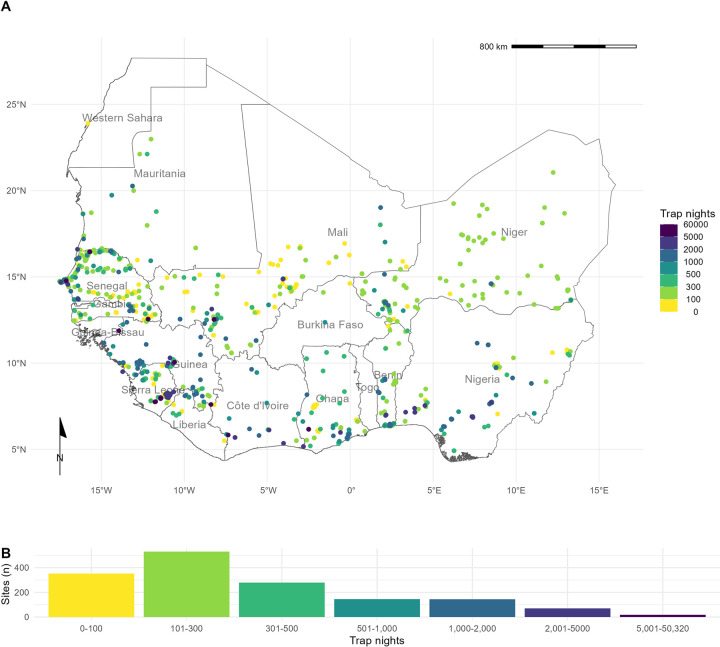
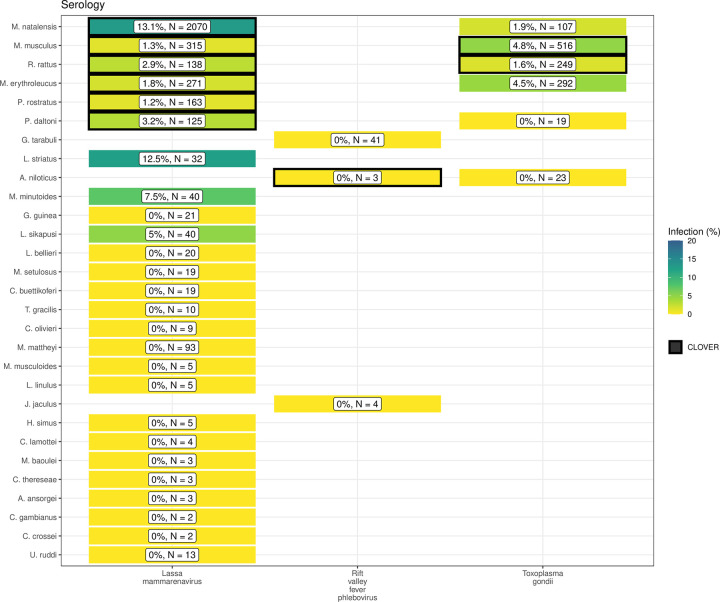
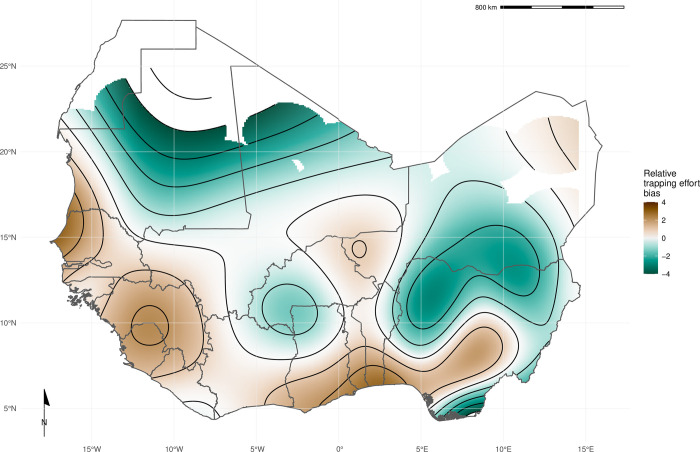
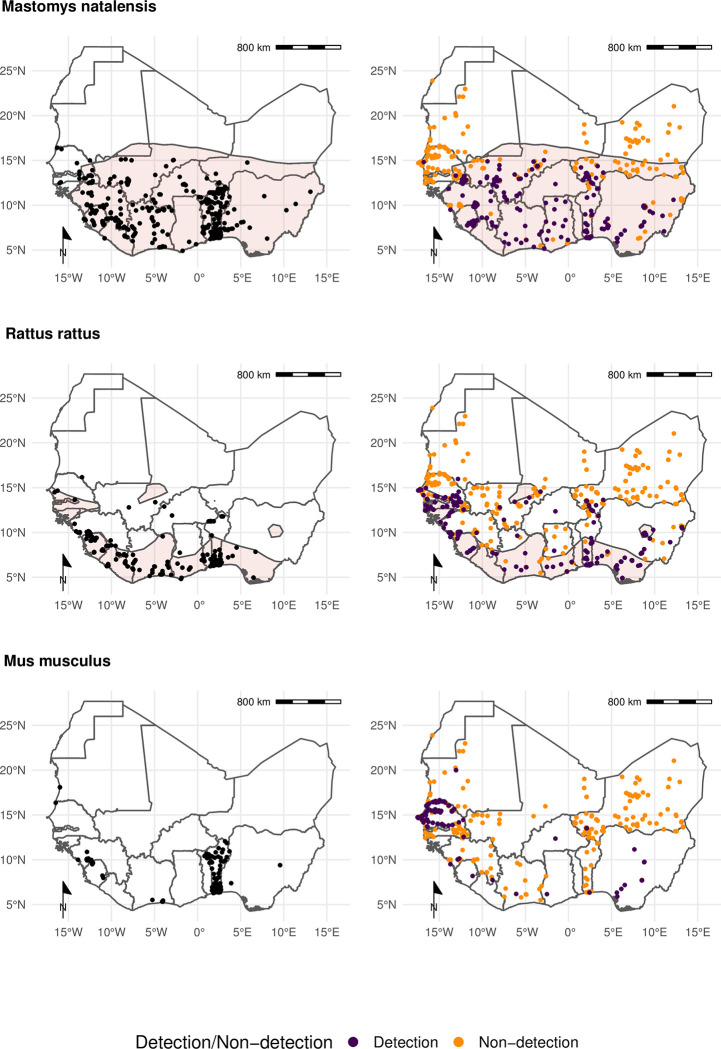
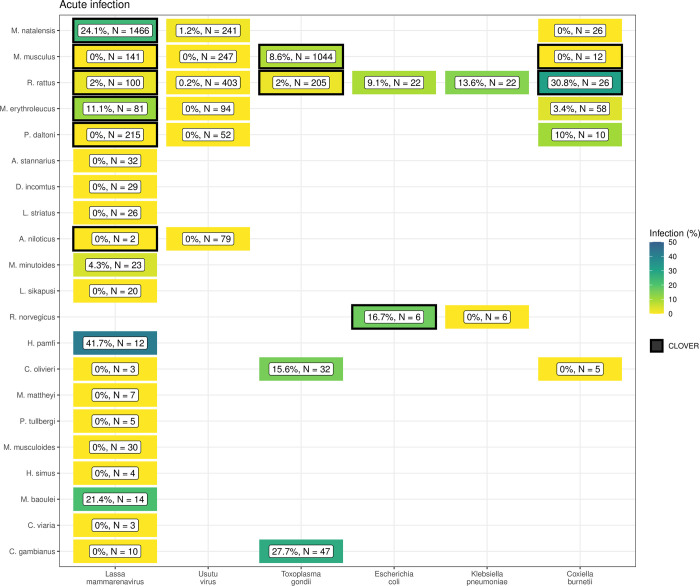
Rodents, a diverse, globally distributed and ecologically important order of mammals are nevertheless important reservoirs of known and novel zoonotic pathogens. Ongoing anthropogenic land use change is altering these species' abundance and distribution, which among zoonotic host species may increase the risk of zoonoses spillover events. A better understanding of the current distribution of rodent species is required to guide attempts to mitigate against potentially increased zoonotic disease hazard and risk. However, available species distribution and host-pathogen association datasets (e.g. IUCN, GBIF, CLOVER) are often taxonomically and spatially biased. Here, we synthesise data from West Africa from 127 rodent trapping studies, published between 1964-2022, as an additional source of information to characterise the range and presence of rodent species and identify the subgroup of species that are potential or known pathogen hosts. We identify that these rodent trapping studies, although biased towards human dominated landscapes across West Africa, can usefully complement current rodent species distribution datasets and we calculate the discrepancies between these datasets. For five regionally important zoonotic pathogens (Arenaviridae spp., Borrelia spp., Lassa mammarenavirus, Leptospira spp. and Toxoplasma gondii), we identify host-pathogen associations that have not been previously reported in host-association datasets. Finally, for these five pathogen groups, we find that the proportion of a rodent hosts range that have been sampled remains small with geographic clustering. A priority should be to sample rodent hosts across a greater geographic range to better characterise current and future risk of zoonotic spillover events. In the interim, studies of spatial pathogen risk informed by rodent distributions must incorporate a measure of the current sampling biases. The current synthesis of contextually rich rodent trapping data enriches available information from IUCN, GBIF and CLOVER which can support a more complete understanding of the hazard of zoonotic spillover events.
啮齿动物是一个多样化、分布广泛且在生态上重要的哺乳动物目,但它们也是已知和新型人畜共患病原体的重要宿主。人类对土地的持续利用改变了这些物种的数量和分布,在人畜共患病宿主物种中,这可能会增加人畜共患病溢出事件的风险。为了指导减轻潜在增加的人畜共患病危害和风险的努力,需要更好地了解啮齿动物物种的当前分布情况。然而,现有的物种分布和宿主-病原体关联数据集(例如 IUCN、GBIF、CLOVER)往往存在分类和空间上的偏差。在这里,我们综合了 127 项来自西非的啮齿动物诱捕研究的数据,这些研究发表于 1964 年至 2022 年之间,作为一种额外的信息来源,用于描述啮齿动物物种的范围和存在,并确定可能或已知是病原体宿主的物种亚群。我们发现,这些啮齿动物诱捕研究虽然偏向于西非人类主导的景观,但可以有效地补充当前的啮齿动物物种分布数据集,并计算这些数据集之间的差异。对于五种区域性重要的人畜共患病原体(沙粒病毒科病毒、伯氏疏螺旋体、拉萨哺乳动物病毒、钩端螺旋体属和刚地弓形虫),我们确定了以前在宿主关联数据集中没有报告过的宿主-病原体关联。最后,对于这五个病原体组,我们发现,已采样的啮齿动物宿主范围的比例仍然很小,且存在地理聚集。当务之急是在更大的地理范围内对啮齿动物宿主进行采样,以更好地描述当前和未来人畜共患病溢出事件的风险。在此期间,基于啮齿动物分布的空间病原体风险研究必须纳入当前采样偏差的衡量标准。目前对具有丰富上下文信息的啮齿动物诱捕数据的综合利用,丰富了 IUCN、GBIF 和 CLOVER 提供的信息,有助于更全面地了解人畜共患病溢出事件的危害。