The Sidney Kimmel Comprehensive Cancer Center, Johns Hopkins University School of Medicine, Baltimore, MD, USA.
Netherlands Cancer Institute, Amsterdam, the Netherlands.
Nat Med. 2023 Feb;29(2):440-449. doi: 10.1038/s41591-022-02163-w. Epub 2023 Jan 26.
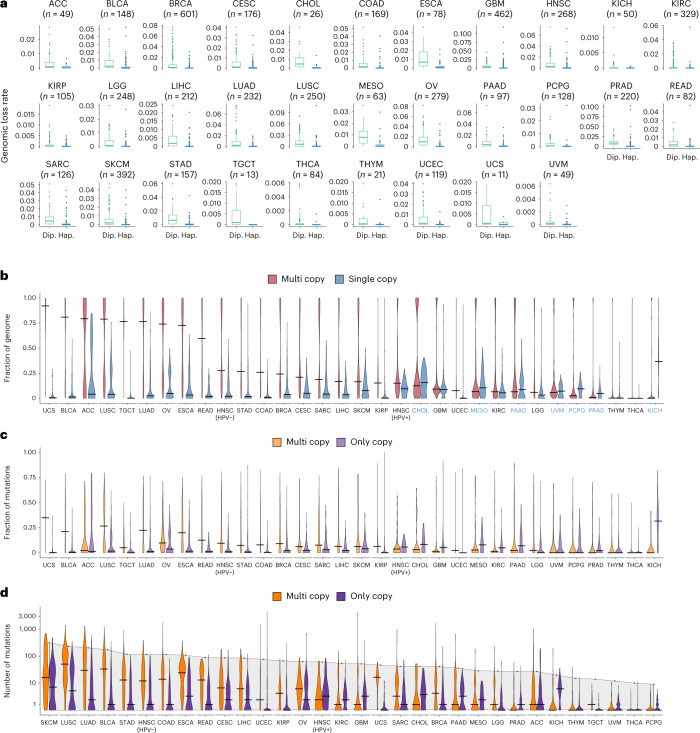
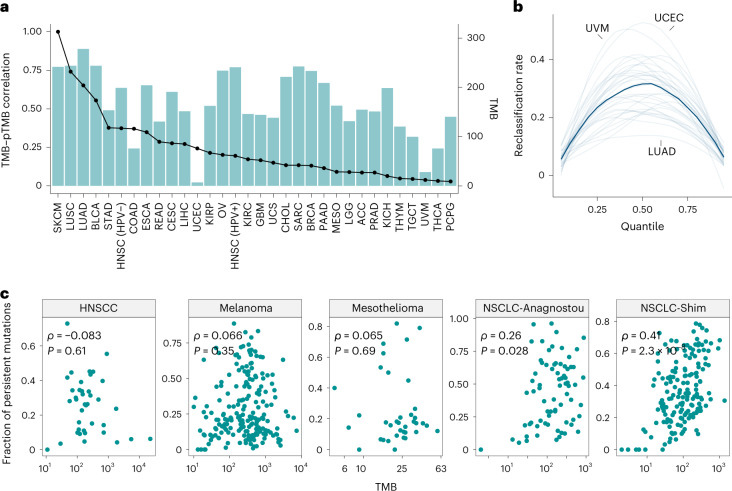
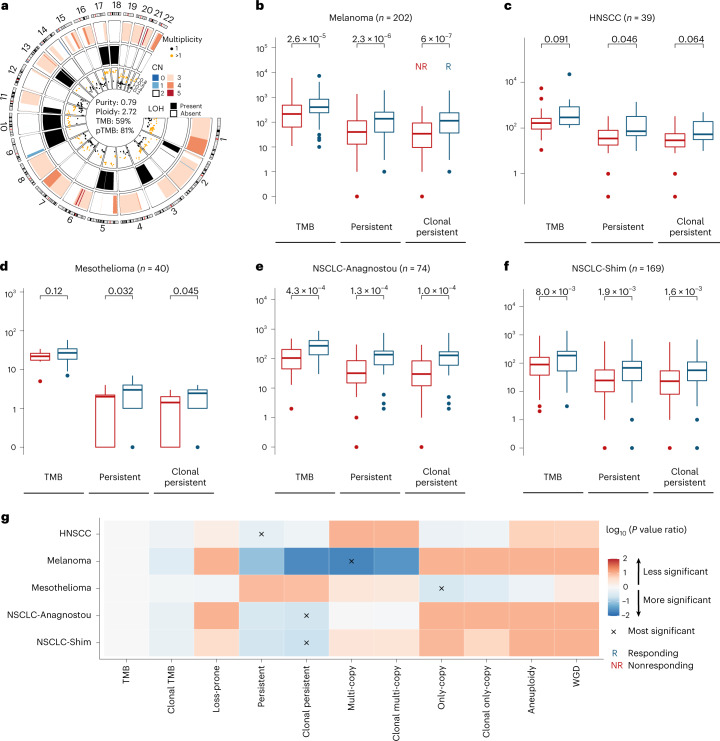
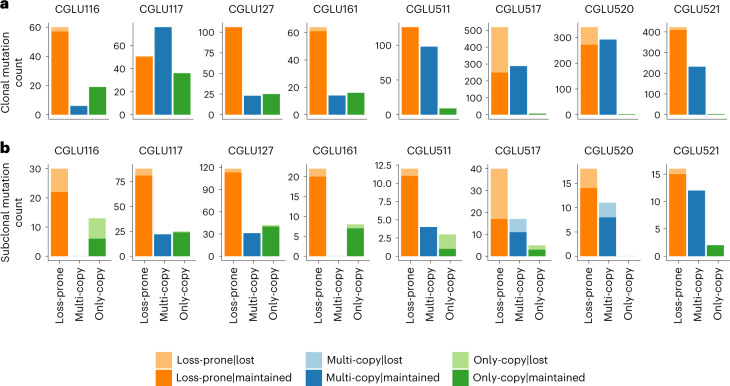
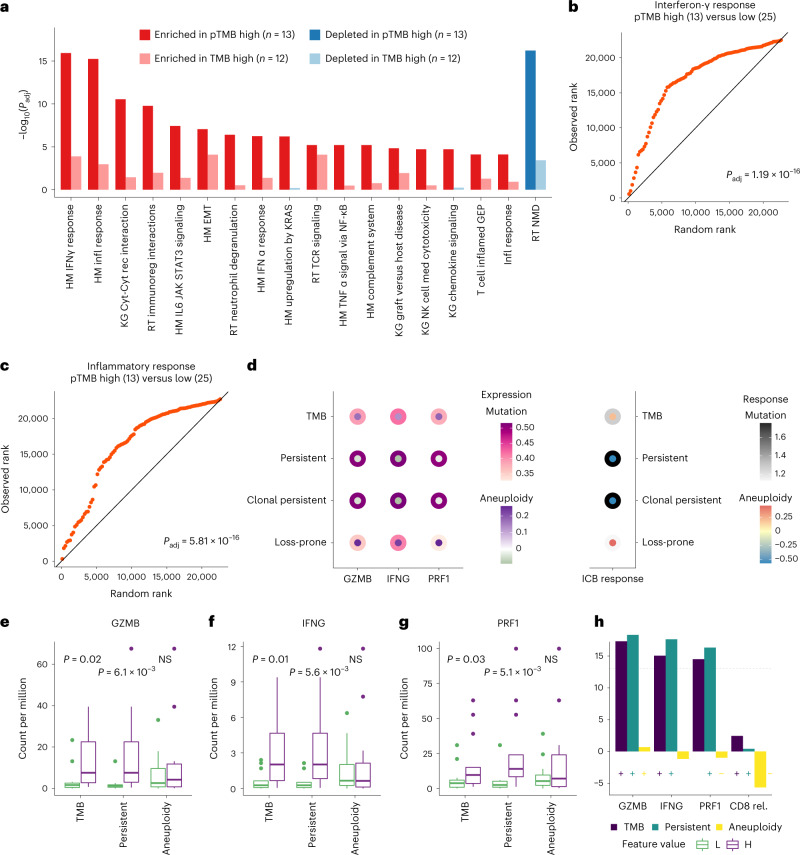
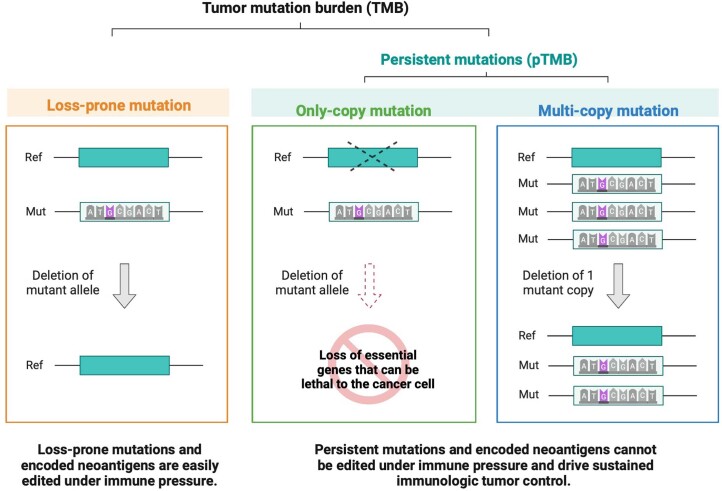
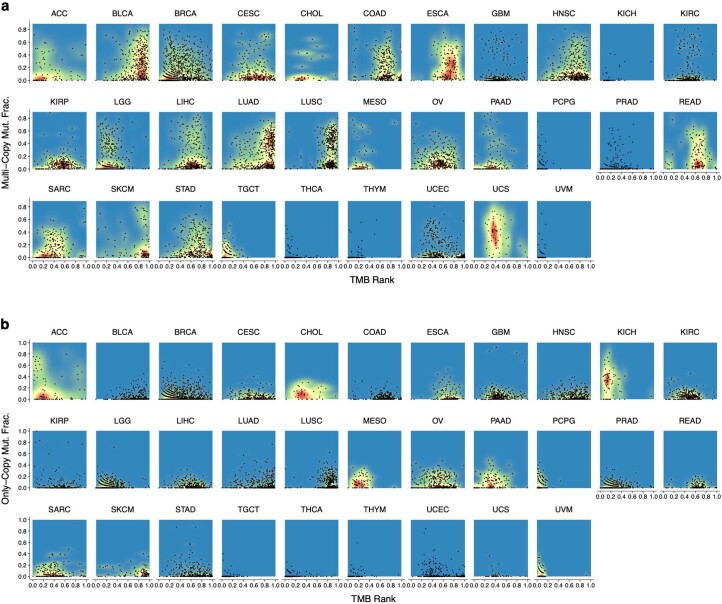
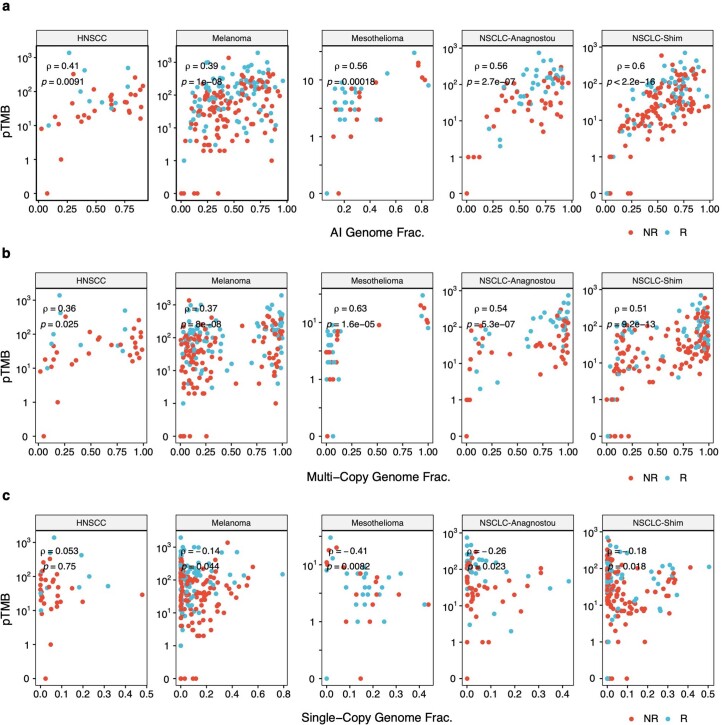
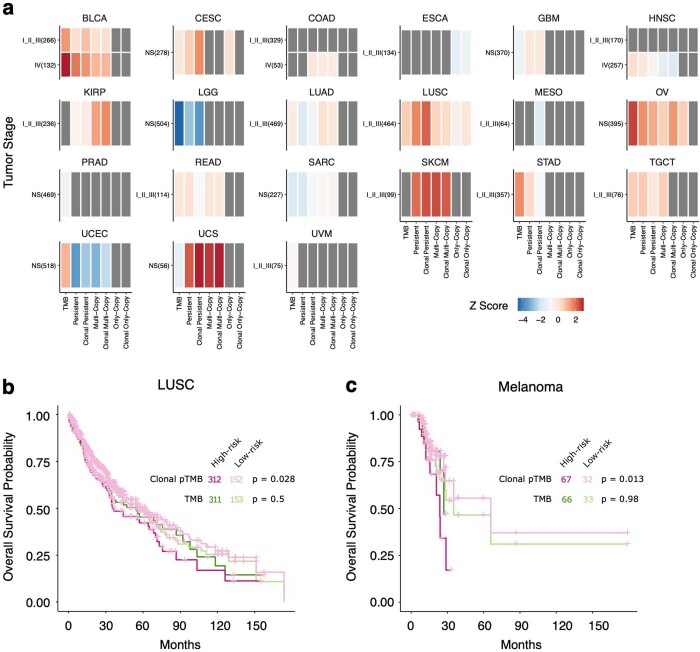
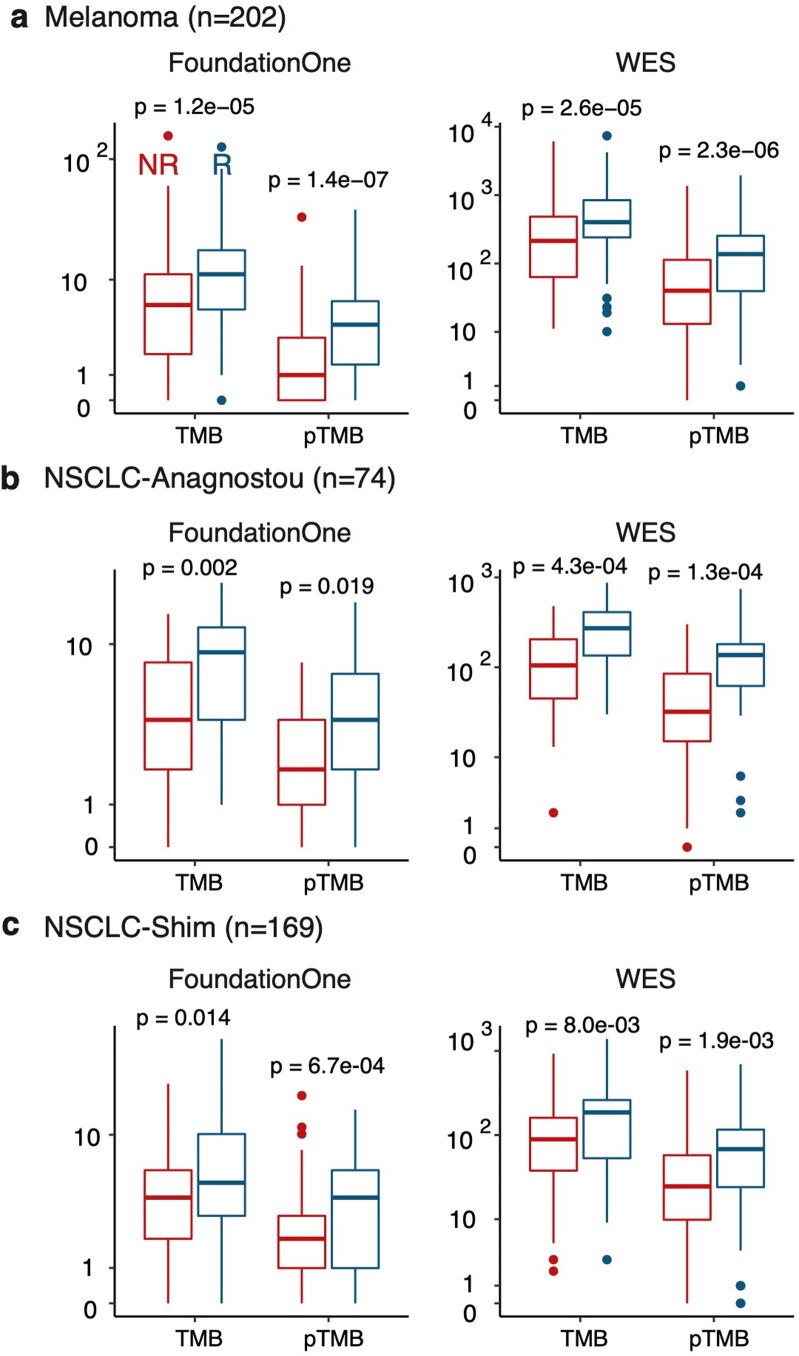
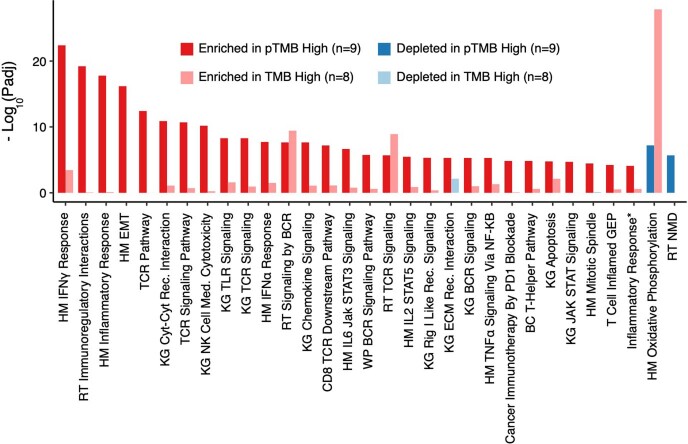
Tumor mutation burden is an imperfect proxy of tumor foreignness and has therefore failed to consistently demonstrate clinical utility in predicting responses in the context of immunotherapy. We evaluated mutations in regions of the genome that are unlikely to undergo loss in a pan-cancer analysis across 31 tumor types (n = 9,242) and eight immunotherapy-treated cohorts of patients with non-small-cell lung cancer, melanoma, mesothelioma, and head and neck cancer (n = 524). We discovered that mutations in single-copy regions and those present in multiple copies per cell constitute a persistent tumor mutation burden (pTMB) which is linked with therapeutic response to immune checkpoint blockade. Persistent mutations were retained in the context of tumor evolution under selective pressure of immunotherapy and tumors with a high pTMB content were characterized by a more inflamed tumor microenvironment. pTMB imposes an evolutionary bottleneck that cancer cells cannot overcome and may thus drive sustained immunologic tumor control in the context of immunotherapy.
肿瘤突变负担是肿瘤异质性的不完美替代物,因此在免疫治疗背景下预测反应方面未能始终显示出临床实用性。我们评估了全基因组中不太可能丢失的区域的突变,该分析跨越了 31 种肿瘤类型(n=9242)和 8 个接受非小细胞肺癌、黑色素瘤、间皮瘤和头颈部癌症治疗的免疫治疗患者队列(n=524)。我们发现,单拷贝区域的突变和每个细胞中存在多个拷贝的突变构成了持续的肿瘤突变负担(pTMB),这与免疫检查点阻断的治疗反应相关。在免疫治疗的选择性压力下,持续的突变在肿瘤进化的背景下得以保留,并且具有高 pTMB 含量的肿瘤的特点是更具炎症性的肿瘤微环境。pTMB 施加了癌症细胞无法克服的进化瓶颈,因此可能在免疫治疗背景下驱动持续的免疫肿瘤控制。