Kim Harper S, Pickering Andrew M
Center for Neurodegeneration and Experimental Therapeutics (CNET), Department of Neurology, Heersink School of Medicine, University of Alabama at Birmingham, Birmingham, AL, United States.
Medical Scientist Training Program, Heersink School of Medicine, University of Alabama at Birmingham, Birmingham, AL, United States.
Front Cell Dev Biol. 2023 Jan 13;11:1129281. doi: 10.3389/fcell.2023.1129281. eCollection 2023.
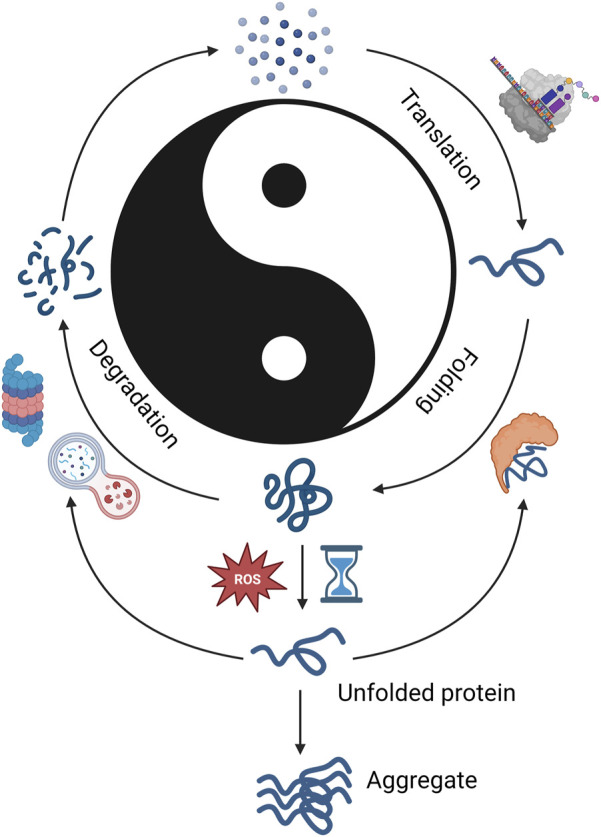
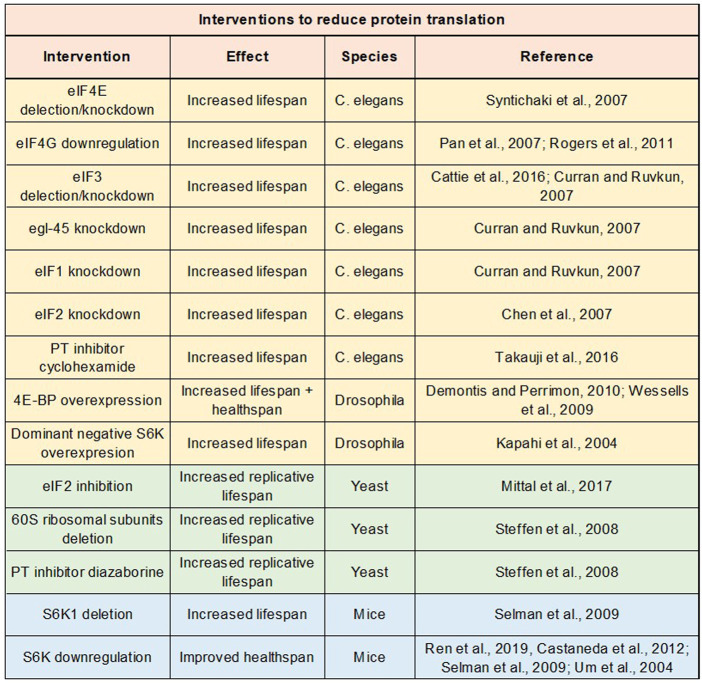
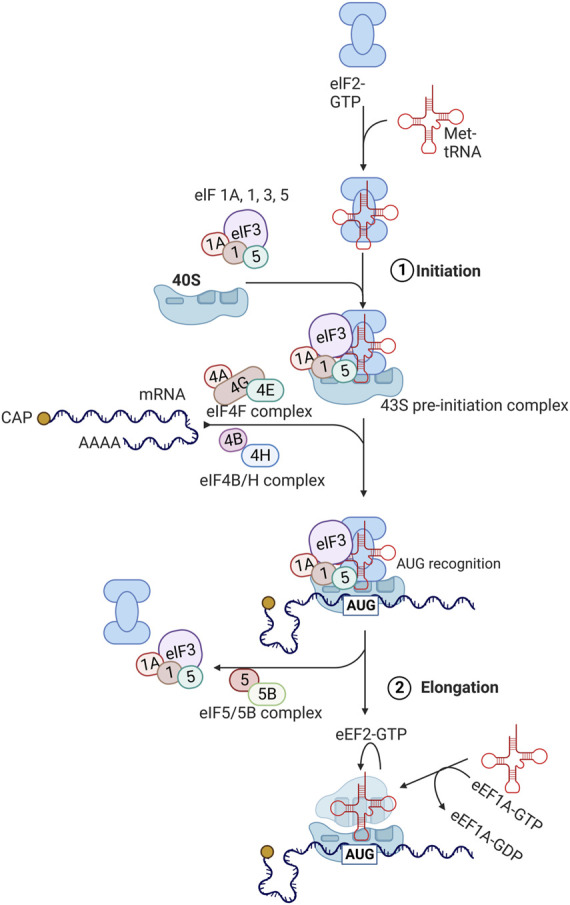
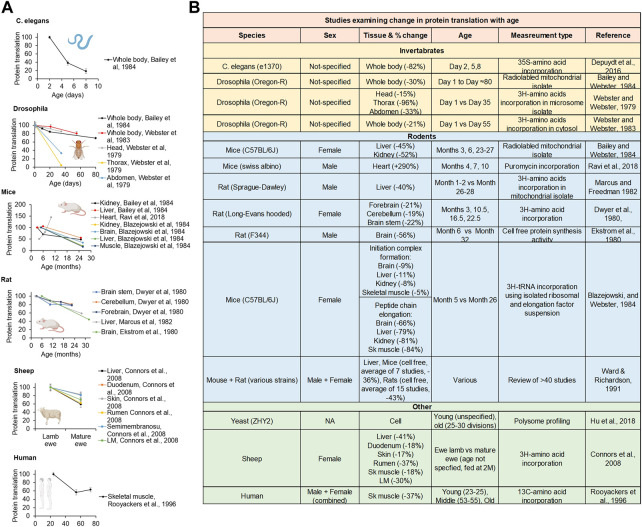
Protein translation is an essential cellular process playing key roles in growth and development. Protein translation declines over the course of age in multiple animal species, including nematodes, fruit flies, mice, rats, and even humans. In all these species, protein translation transiently peaks in early adulthood with a subsequent drop over the course of age. Conversely, lifelong reductions in protein translation have been found to extend lifespan and healthspan in multiple animal models. These findings raise the protein synthesis paradox: age-related declines in protein synthesis should be detrimental, but life-long reductions in protein translation paradoxically slow down aging and prolong lifespan. This article discusses the nature of this paradox and complies an extensive body of work demonstrating protein translation as a modulator of lifespan and healthspan.
蛋白质翻译是一个至关重要的细胞过程,在生长和发育中发挥着关键作用。在包括线虫、果蝇、小鼠、大鼠甚至人类在内的多种动物物种中,蛋白质翻译会随着年龄的增长而下降。在所有这些物种中,蛋白质翻译在成年早期短暂达到峰值,随后随着年龄增长而下降。相反,在多个动物模型中发现,终生降低蛋白质翻译水平可延长寿命和健康寿命。这些发现引发了蛋白质合成悖论:与年龄相关的蛋白质合成下降应该是有害的,但终生降低蛋白质翻译水平却反常地减缓了衰老并延长了寿命。本文讨论了这一悖论的本质,并整理了大量证明蛋白质翻译是寿命和健康寿命调节因子的研究工作。