Immunology and Genomics Group, Institute of Marine Research (IIM-CSIC), Vigo, Spain.
Front Immunol. 2023 Jan 12;13:1100092. doi: 10.3389/fimmu.2022.1100092. eCollection 2022.
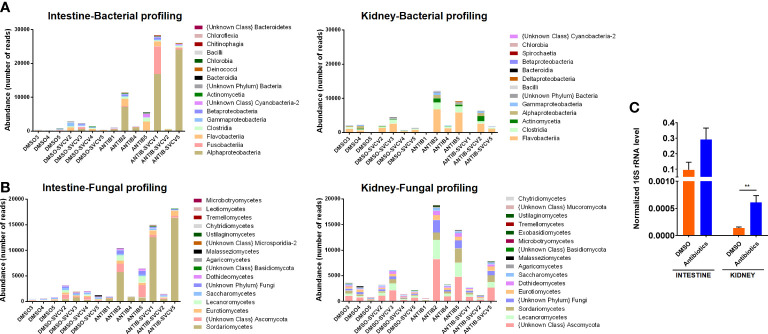
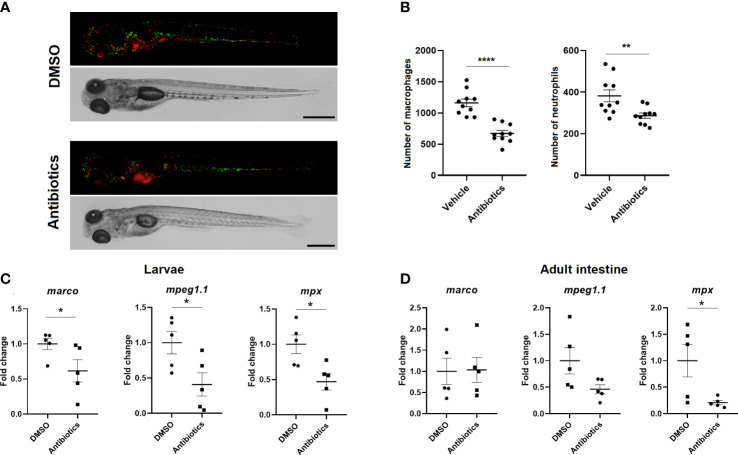
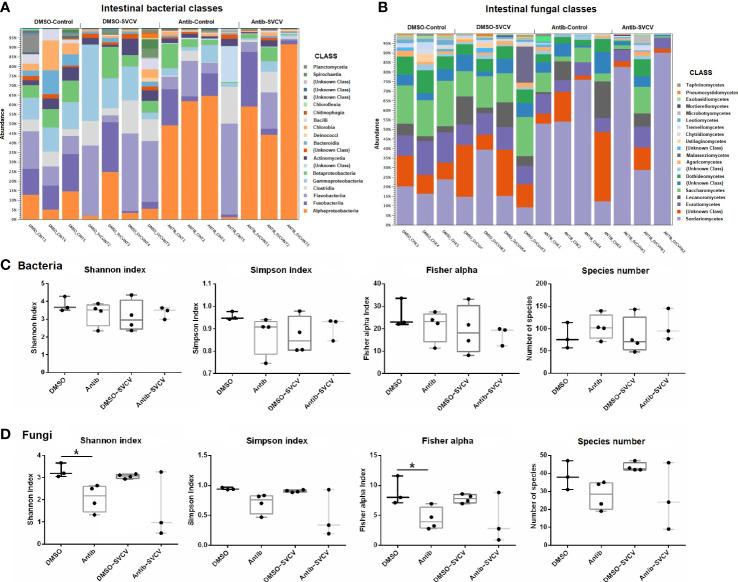
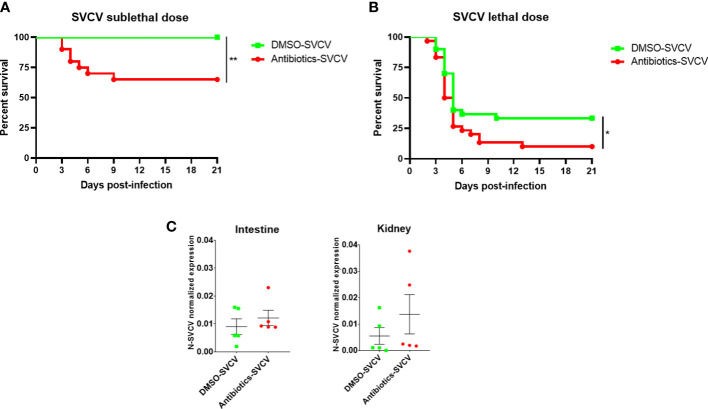
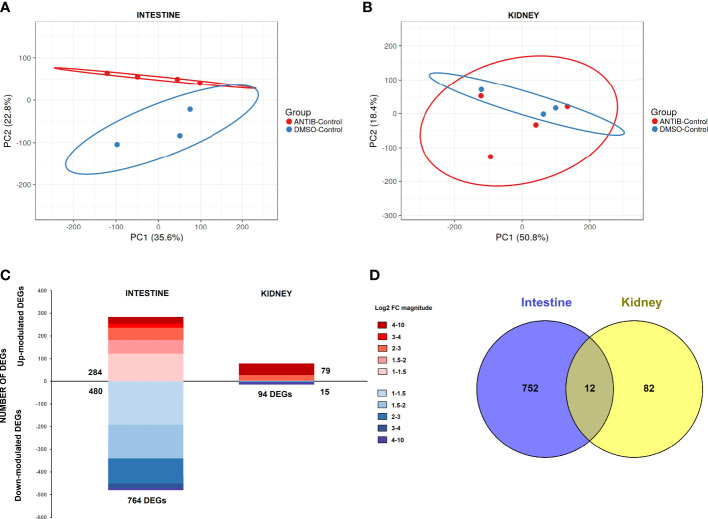
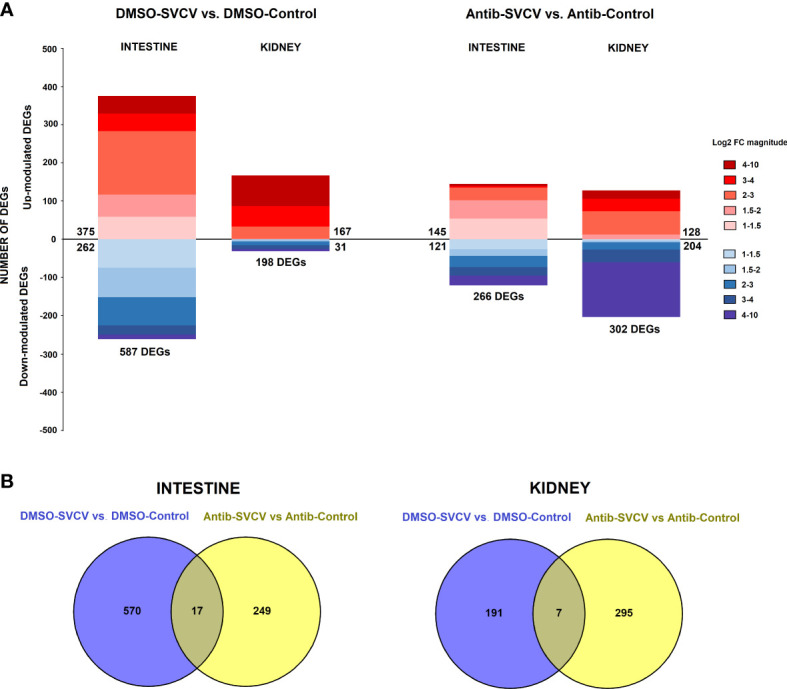
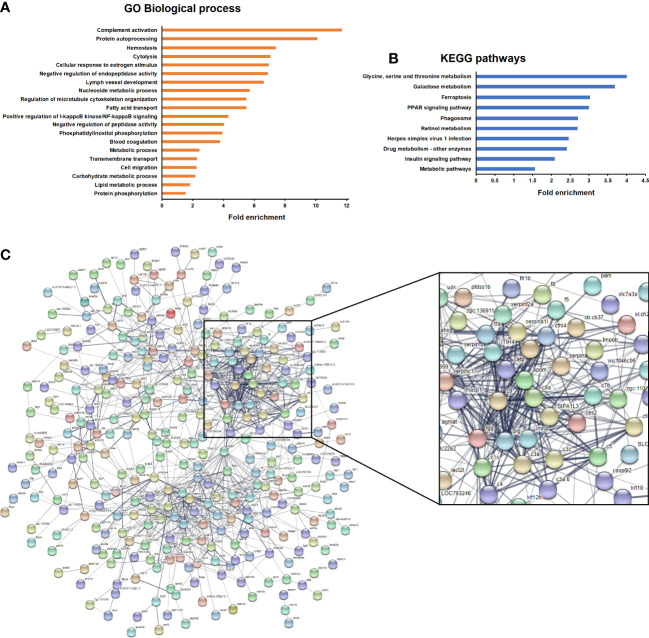
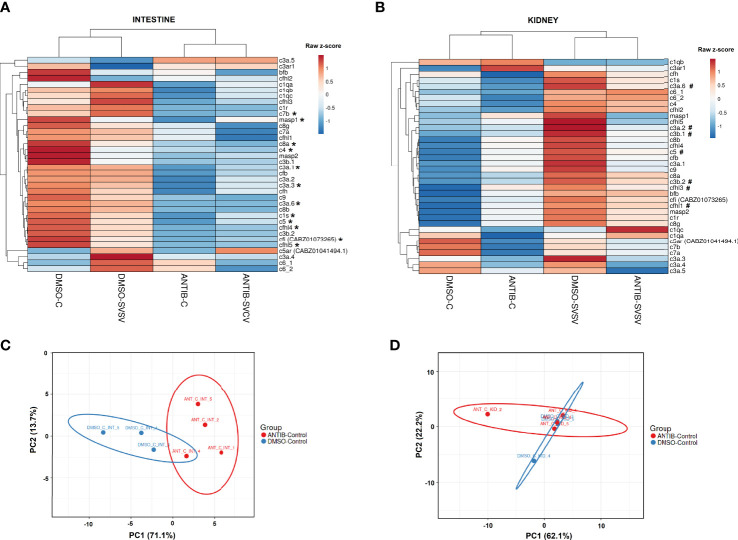
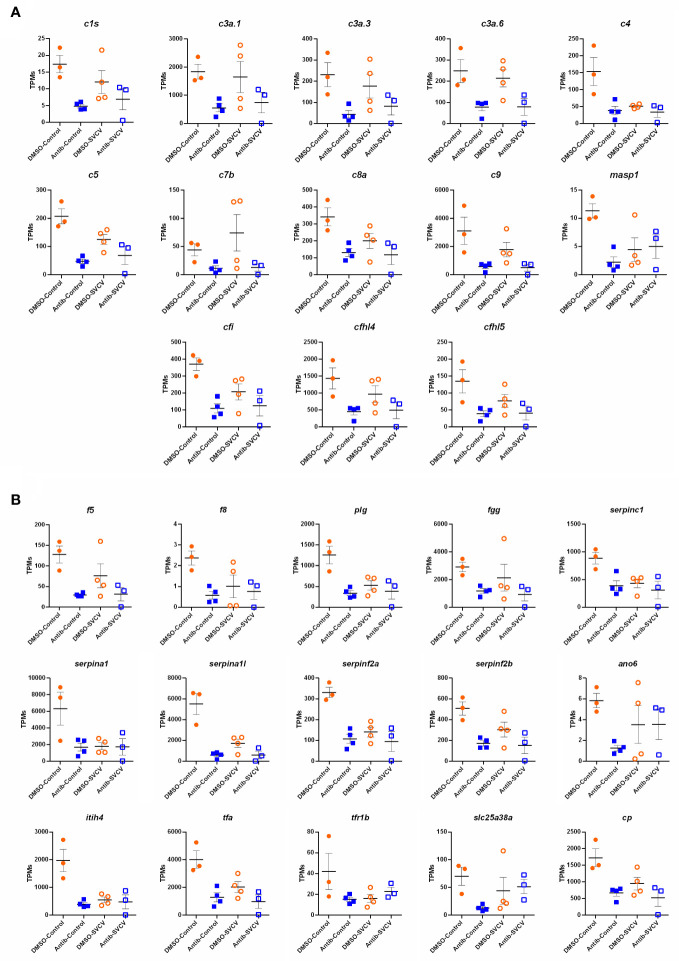
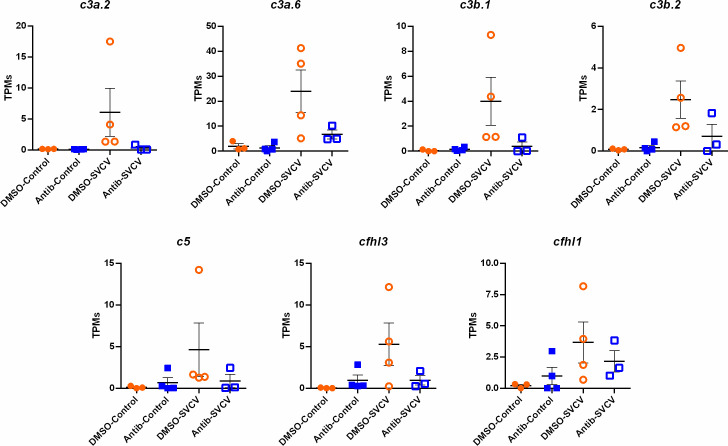
In this work, we analysed the transcriptome and metatranscriptome profiles of zebrafish exposed to an environmental concentration of the two antibiotics most frequently detected in European inland surface water, sulfamethoxazole (SMX) and clarithromycin (CLA). We found that those animals exposed to antibiotics (SMX+CLA) for two weeks showed a higher bacterial load in both the intestine and kidney; however, significant differences in the relative abundance of certain bacterial classes were found only in the intestine, which also showed an altered fungal profile. RNA-Seq analysis revealed that the complement/coagulation system is likely the most altered immune mechanism, although not the only one, in the intestine of fish exposed to antibiotics, with numerous genes inhibited compared to the control fish. On the other hand, the effect of SMX+CLA in the kidney was more modest, and an evident impact on the immune system was not observed. However, infection of both groups with spring viremia of carp virus (SVCV) revealed a completely different response to the virus and an inability of the fish exposed to antibiotics to respond with an increase in the transcription of complement-related genes, a process that was highly activated in the kidney of the untreated zebrafish after SVCV challenge. Together with the higher susceptibility to SVCV of zebrafish treated with SMX+CLA, this suggests that complement system impairment is one of the most important mechanisms involved in antibiotic-mediated immunosuppression. We also observed that zebrafish larvae exposed to SMX+CLA for 7 days showed a lower number of macrophages and neutrophils.
在这项工作中,我们分析了暴露于欧洲内陆地表水最常检测到的两种抗生素磺胺甲恶唑(SMX)和克拉霉素(CLA)环境浓度下的斑马鱼的转录组和宏转录组谱。我们发现,暴露于抗生素(SMX+CLA)两周的动物在肠道和肾脏中的细菌负荷均较高;然而,仅在肠道中发现某些细菌类群的相对丰度存在显著差异,肠道也表现出真菌谱的改变。RNA-Seq 分析表明,补体/凝血系统可能是抗生素暴露的鱼类肠道中改变最大的免疫机制,尽管不是唯一的机制,与对照鱼相比,许多基因受到抑制。另一方面,SMX+CLA 在肾脏中的作用更为温和,并且未观察到对免疫系统的明显影响。然而,两组均用鲤鱼春病毒血症病毒(SVCV)感染后,对病毒的反应完全不同,并且暴露于抗生素的鱼类无法通过增加补体相关基因的转录来对此作出反应,这一过程在未处理的斑马鱼的肾脏中受到 SVCV 挑战后高度激活。与抗生素处理的斑马鱼对 SVCV 的易感性增加一起,这表明补体系统的损害是抗生素介导的免疫抑制的最重要机制之一。我们还观察到,暴露于 SMX+CLA 7 天的斑马鱼幼虫的巨噬细胞和中性粒细胞数量减少。