Gupta Amrita, Tiwari Rajesh Kumar, Shukla Renu, Singh Arvind Nath, Sahu Pramod Kumar
Amity Institute of Biotechnology, Amity University Uttar Pradesh, Lucknow, India.
Indian Council of Agricultural Research (ICAR)-National Bureau of Agriculturally Important Microorganisms, Kushmaur, Maunath Bhanjan, India.
Front Plant Sci. 2023 Jan 12;13:1060287. doi: 10.3389/fpls.2022.1060287. eCollection 2022.
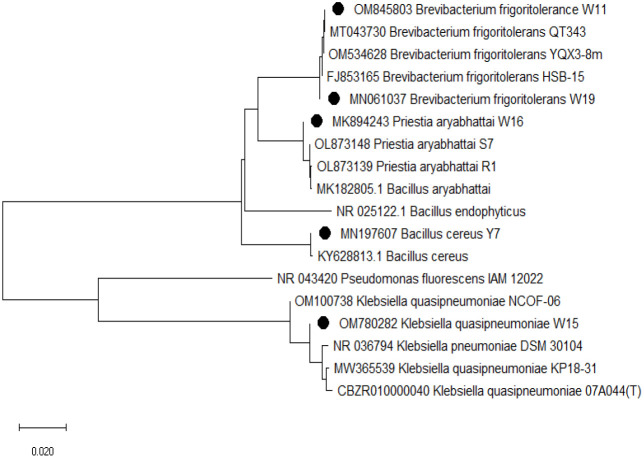
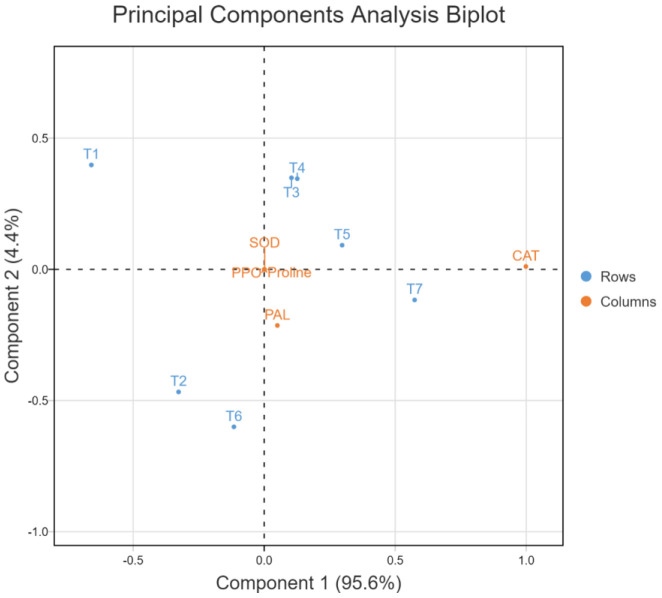
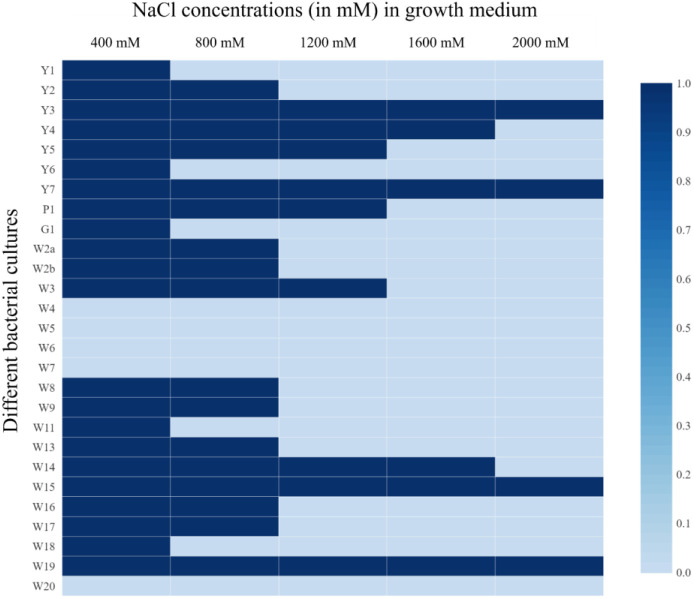
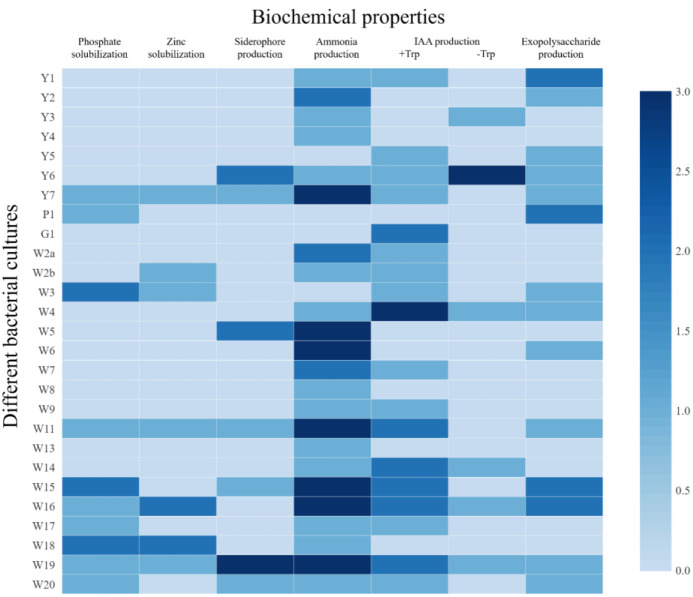
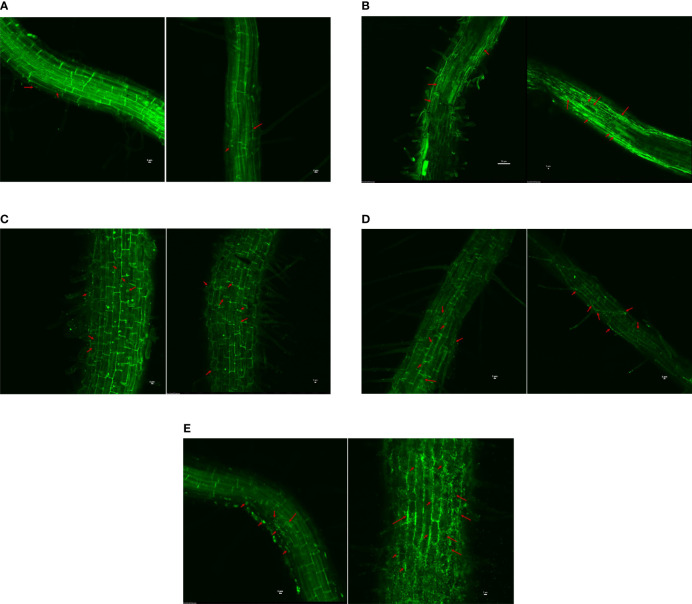
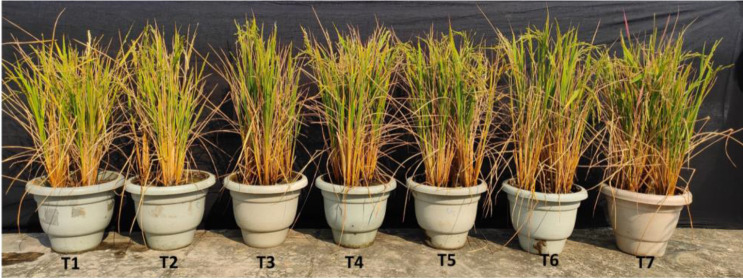
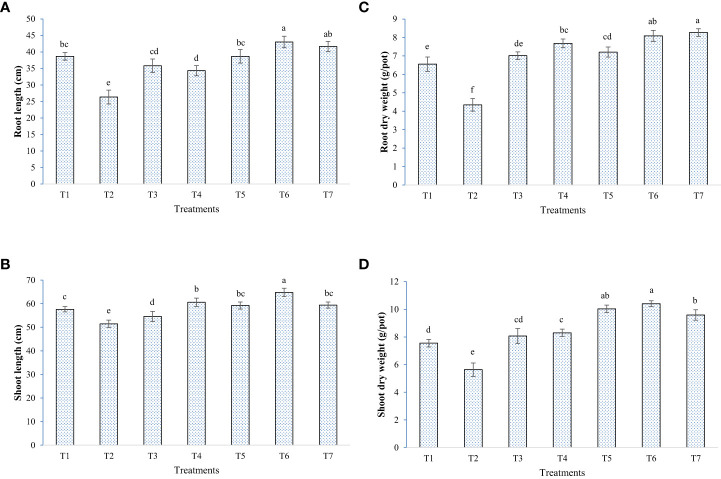
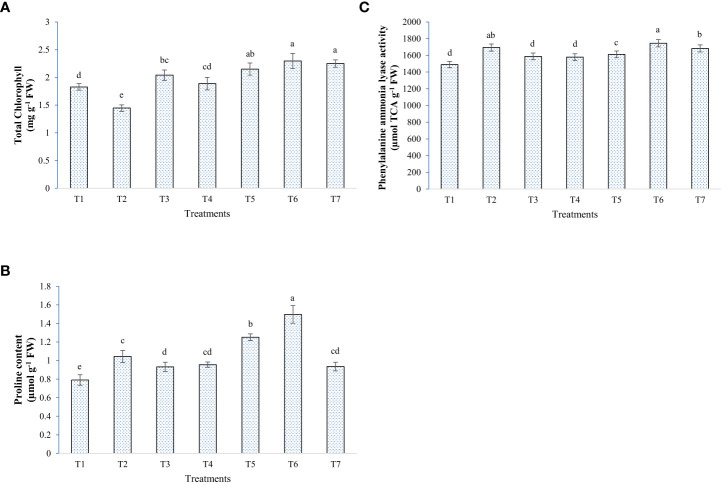
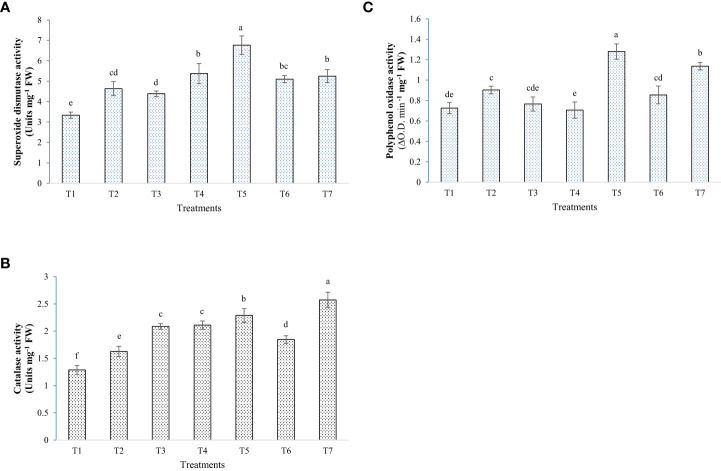
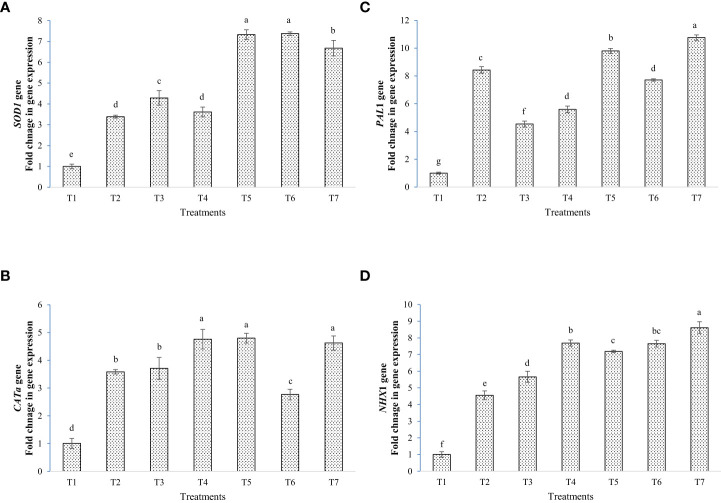
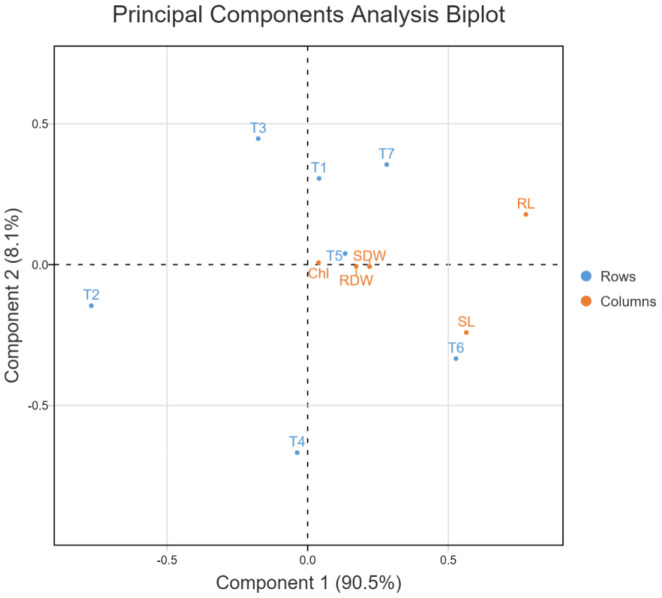
In this study, rhizospheric and endophytic bacteria were tested for the alleviation of salinity stress in rice. Endophytic isolates were taken from previous studies based on their salt stress-alleviating traits. The rhizospheric bacteria were isolated from rice and screened based on salt tolerance and plant growth-promoting traits. Molecular identification indicated the presence of class Gammaproteobacteria, Bacillota, and Actinomycetia. Two-two most potential isolates each from rhizospheric and endophytic bacteria were selected for trials. Results showed that microbial inoculation significantly improved germination and seedling vigor under elevated salinity. The confocal scanning laser microscopy showed higher bacterial colonization in inoculated rice roots than in control. Based on this experiment, rhizospheric bacteria W19 and endophytic BTL5 were selected for pot trial along with a growth-inducing compound melatonin 20 ppm. Inoculation of these two bacteria improved the levels of chlorophyll, proline, phenylalanine ammonia-lyase, catalase, superoxide dismutase, polyphenol oxidase, root-shoot length, and dry weight under elevated salt concentration. The gene expression studies showed modulation of , and genes by the bacterial strains and melatonin application. The inoculation was found to have additive effects with 20 ppm melatonin. This enhancement in dry matter accumulation, compatible solute production, and oxidative stress regulation could help plants in mitigating the ill effects of high salinity. Exploring such a combination of microbes and inducer molecules could be potentially useful in developing stress-alleviating bioformulations.
在本研究中,对根际细菌和内生细菌缓解水稻盐胁迫的能力进行了测试。内生分离株是根据其缓解盐胁迫的特性,从先前的研究中选取的。根际细菌从水稻中分离出来,并根据耐盐性和促进植物生长的特性进行筛选。分子鉴定表明存在γ-变形菌纲、芽孢杆菌纲和放线菌纲。从根际细菌和内生细菌中各选出两个最具潜力的分离株进行试验。结果表明,在盐度升高的情况下,微生物接种显著提高了发芽率和幼苗活力。共聚焦扫描激光显微镜显示,接种水稻根中的细菌定殖比对照更高。基于该实验,根际细菌W19和内生细菌BTL5与生长诱导化合物20 ppm褪黑素一起被选用于盆栽试验。接种这两种细菌提高了盐浓度升高条件下叶绿素、脯氨酸、苯丙氨酸解氨酶、过氧化氢酶、超氧化物歧化酶、多酚氧化酶的水平,以及根和茎的长度和干重。基因表达研究表明,细菌菌株和褪黑素处理对相关基因有调控作用。发现接种与20 ppm褪黑素具有累加效应。干物质积累、相容性溶质产生和氧化应激调节的这种增强有助于植物减轻高盐度的不良影响。探索这种微生物和诱导分子的组合可能在开发缓解胁迫的生物制剂方面具有潜在用途。