Department of Immunobiology, School of Medicine, Yale University, New Haven, CT, USA.
Department of Biomedical Sciences, Korea University College of Medicine, Seoul, South Korea.
Life Sci Alliance. 2023 Jan 30;6(4). doi: 10.26508/lsa.202301924. Print 2023 Apr.
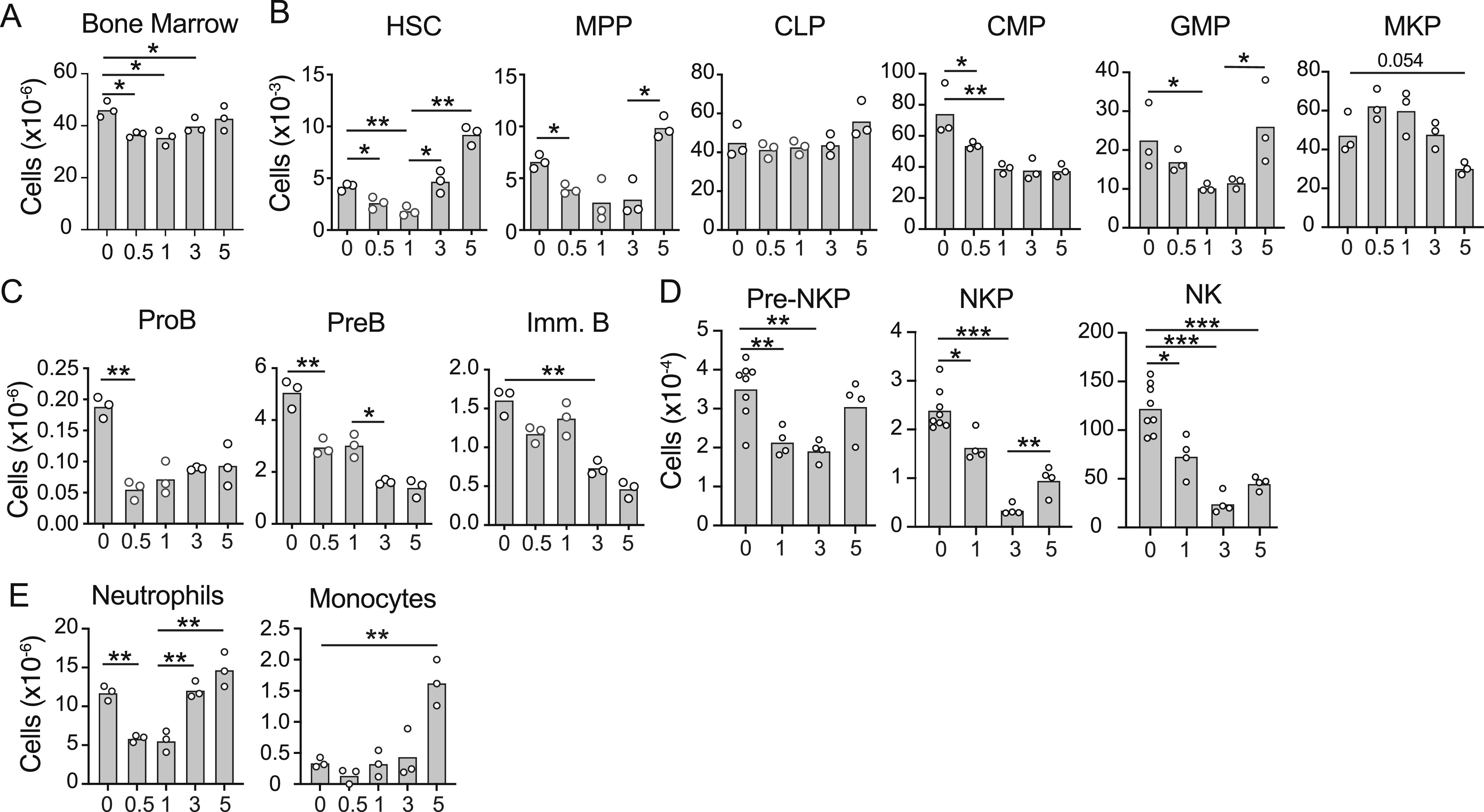
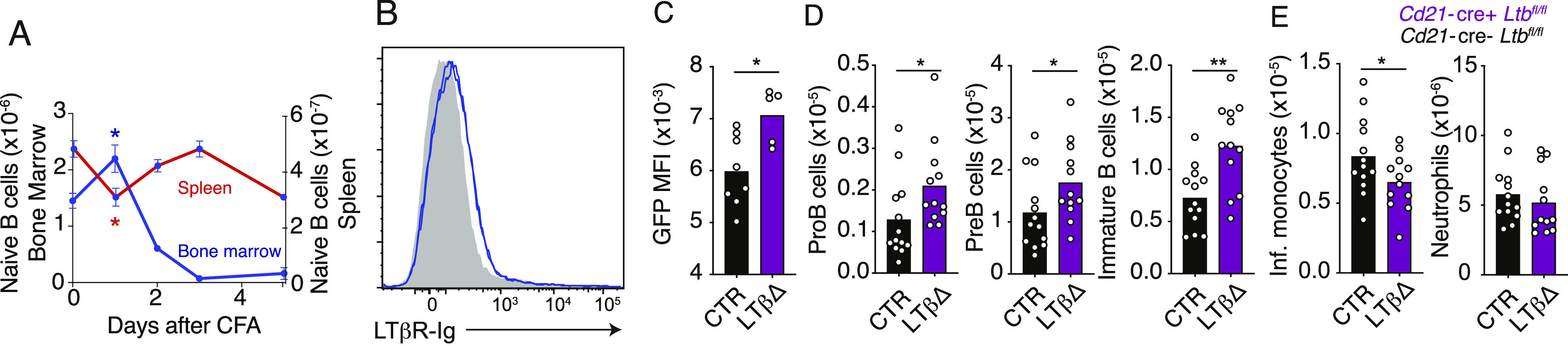
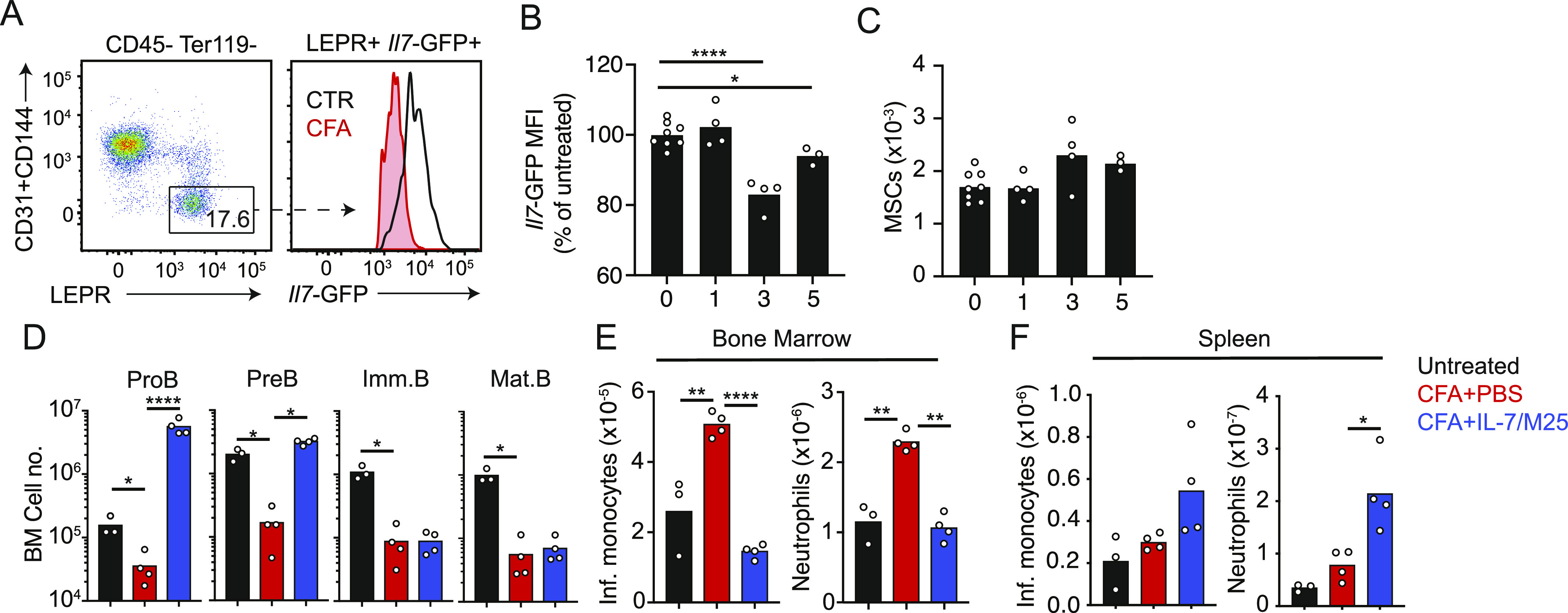
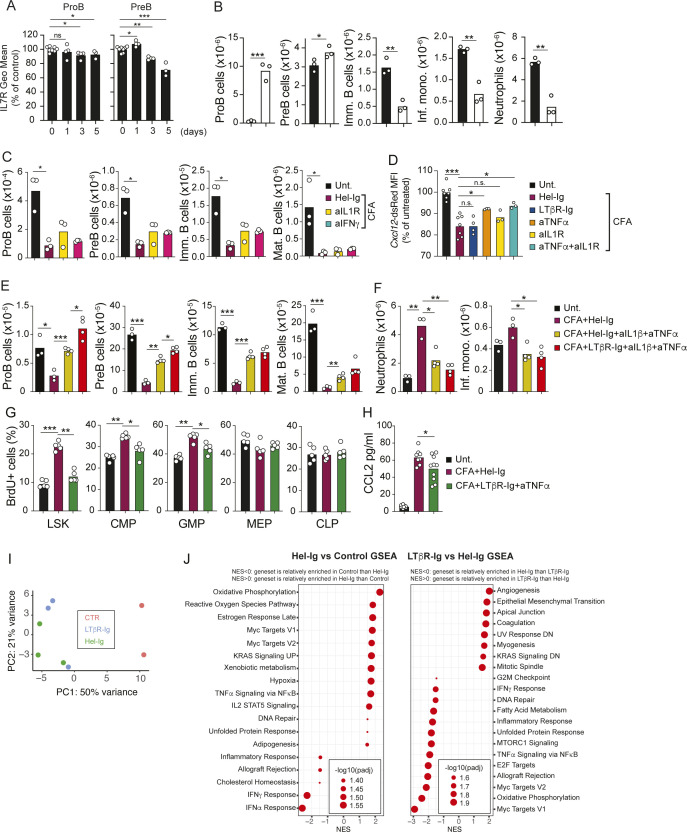
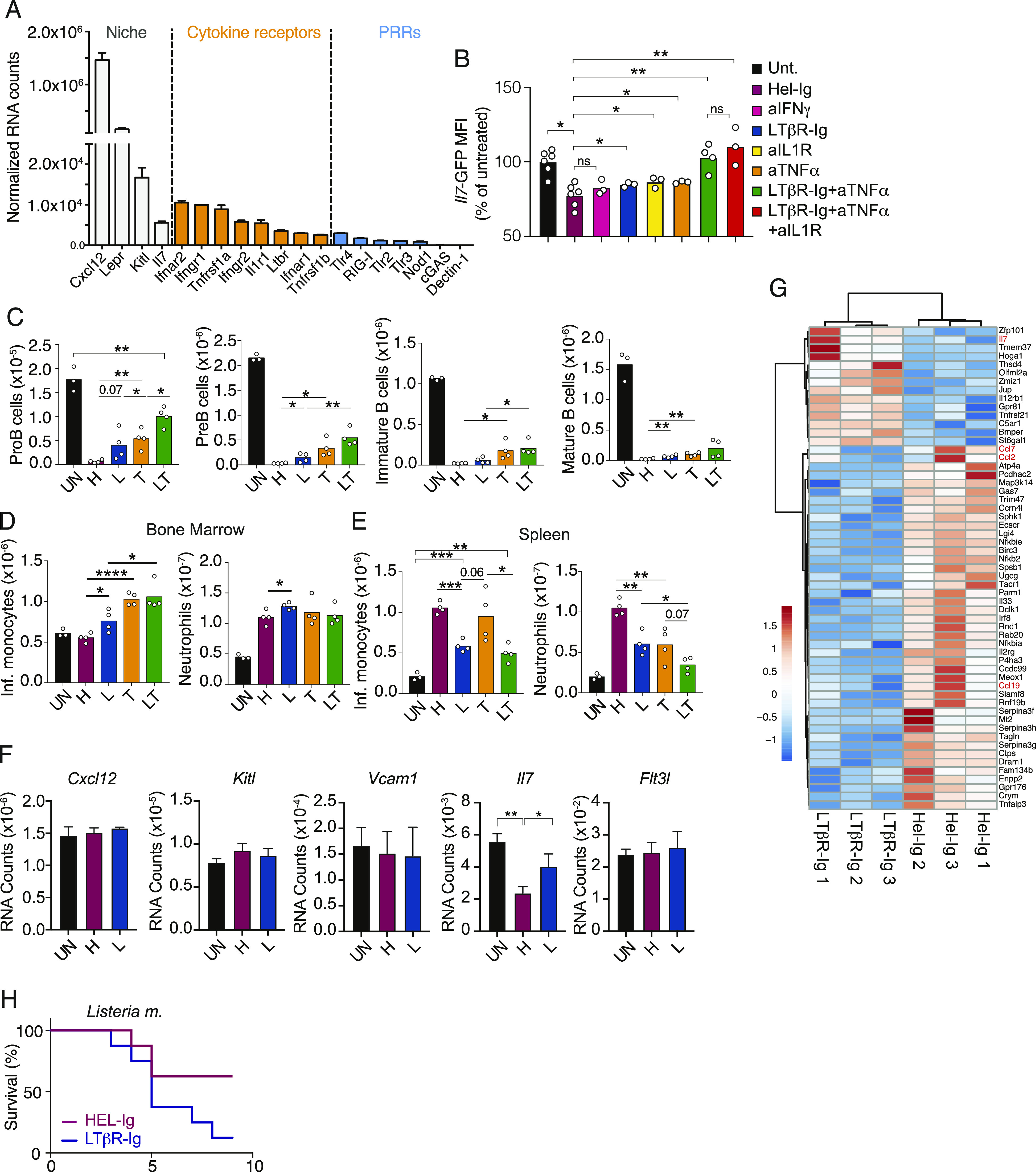
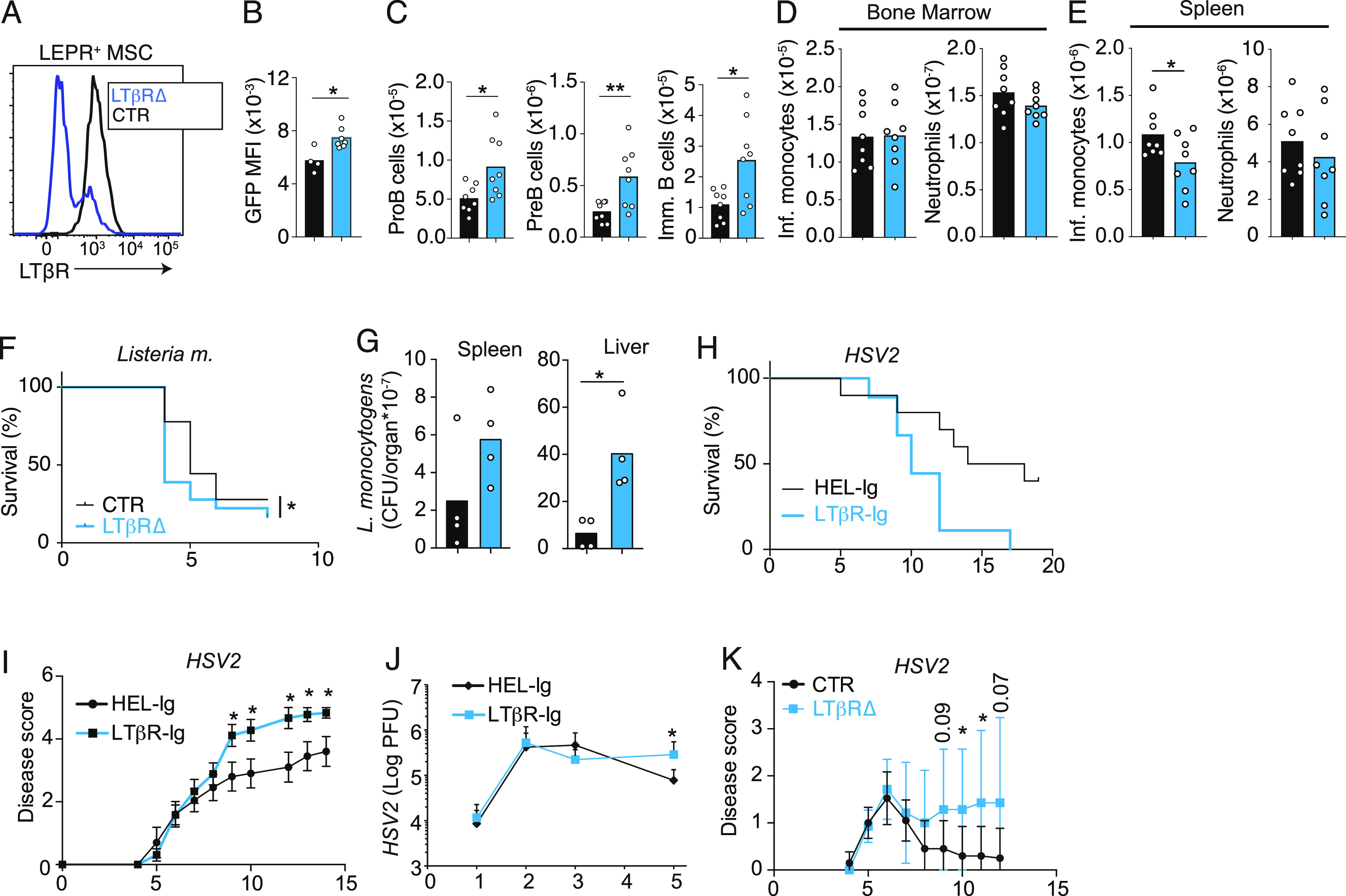
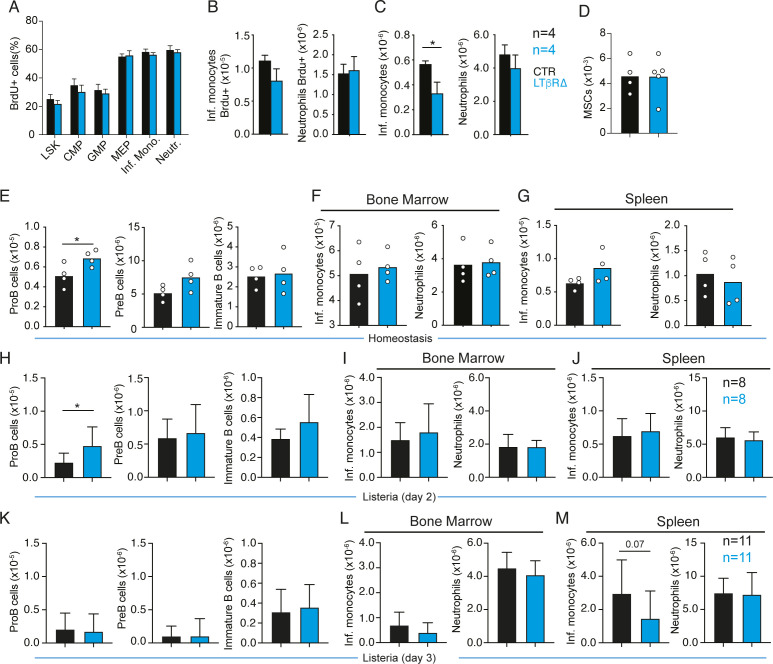
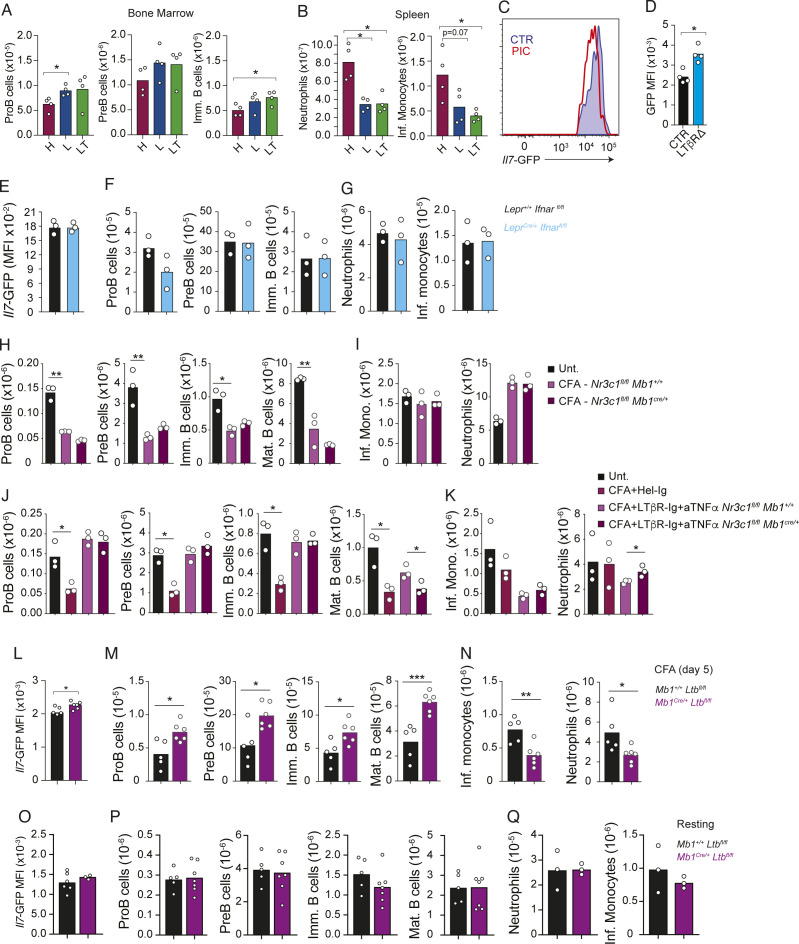
Systemic inflammation halts lymphopoiesis and prioritizes myeloid cell production. How blood cell production switches from homeostasis to emergency myelopoiesis is incompletely understood. Here, we show that lymphotoxin-β receptor (LTβR) signaling in combination with TNF and IL-1 receptor signaling in bone marrow mesenchymal stem cells (MSCs) down-regulates expression to shut down lymphopoiesis during systemic inflammation. LTβR signaling in MSCs also promoted CCL2 production during systemic inflammation. Pharmacological or genetic blocking of LTβR signaling in MSCs partially enabled lymphopoiesis and reduced monocyte numbers in the spleen during systemic inflammation, which correlated with reduced survival during systemic bacterial and viral infections. Interestingly, lymphotoxin-α1β2 delivered by B-lineage cells, and specifically by mature B cells, contributed to promote down-regulation and reduce MSC lymphopoietic activity. Our studies revealed an unexpected role of LTβR signaling in MSCs and identified recirculating mature B cells as an important regulator of emergency myelopoiesis.
系统性炎症会阻止淋巴生成,并优先产生髓样细胞。目前,人们对于血细胞生成如何从稳态切换到紧急髓样生成仍不完全了解。本研究显示,在骨髓间充质干细胞(MSCs)中,淋巴毒素-β 受体(LTβR)信号与 TNF 和 IL-1 受体信号相结合,可下调 表达,从而在系统性炎症期间关闭淋巴生成。在系统性炎症期间,MSCs 中的 LTβR 信号还会促进 CCL2 的产生。在 MSCs 中,通过药理学或基因阻断 LTβR 信号可部分促进淋巴生成,并减少系统性炎症期间脾脏中的单核细胞数量,这与系统性细菌和病毒感染期间的存活率降低相关。有趣的是,B 细胞谱系细胞,特别是成熟 B 细胞分泌的淋巴毒素-α1β2,有助于促进 下调并降低 MSC 的淋巴生成活性。本研究揭示了 LTβR 信号在 MSCs 中的意外作用,并确定了循环成熟 B 细胞是紧急髓样生成的重要调节因子。