Key Laboratory of Synthetic Biology Regulatory Element, Institute of Systems Medicine, Chinese Academy of Medical Sciences and Peking Union Medical College, Beijing, China.
Suzhou Institute of Systems Medicine, Suzhou, China.
Nat Metab. 2023 Feb;5(2):314-330. doi: 10.1038/s42255-022-00730-6. Epub 2023 Jan 30.
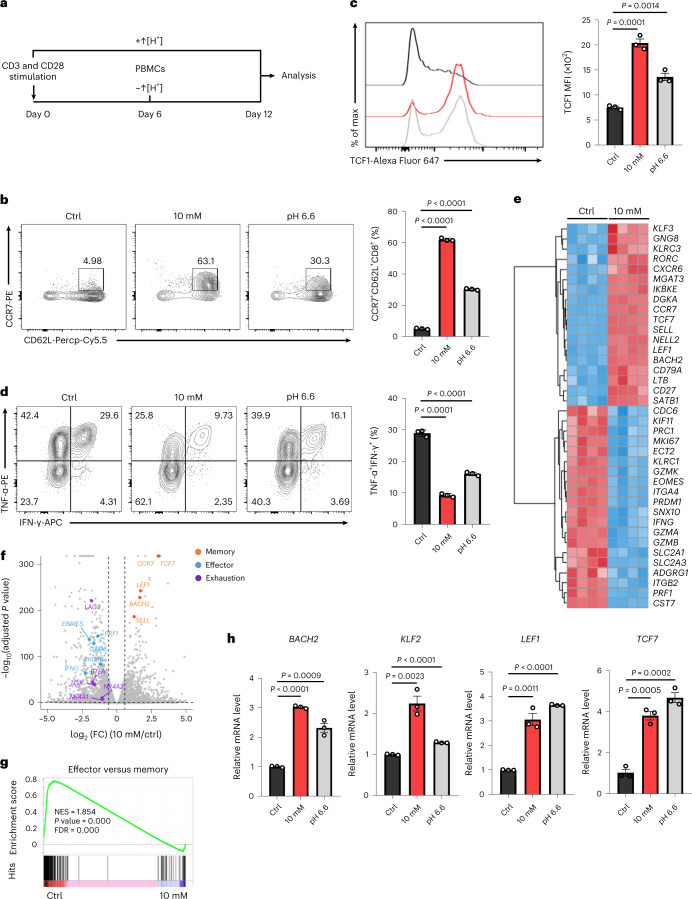
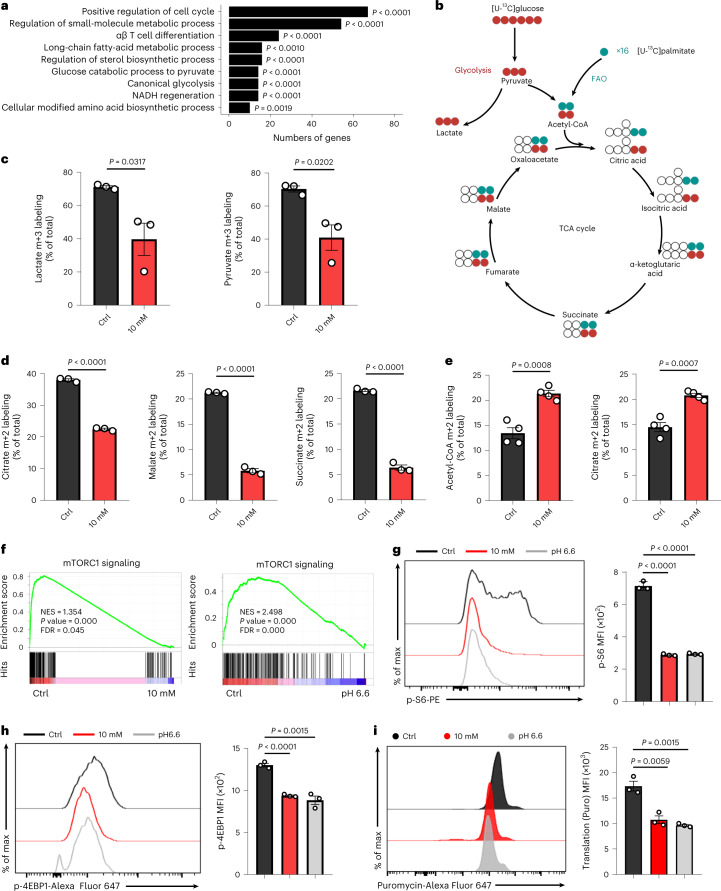
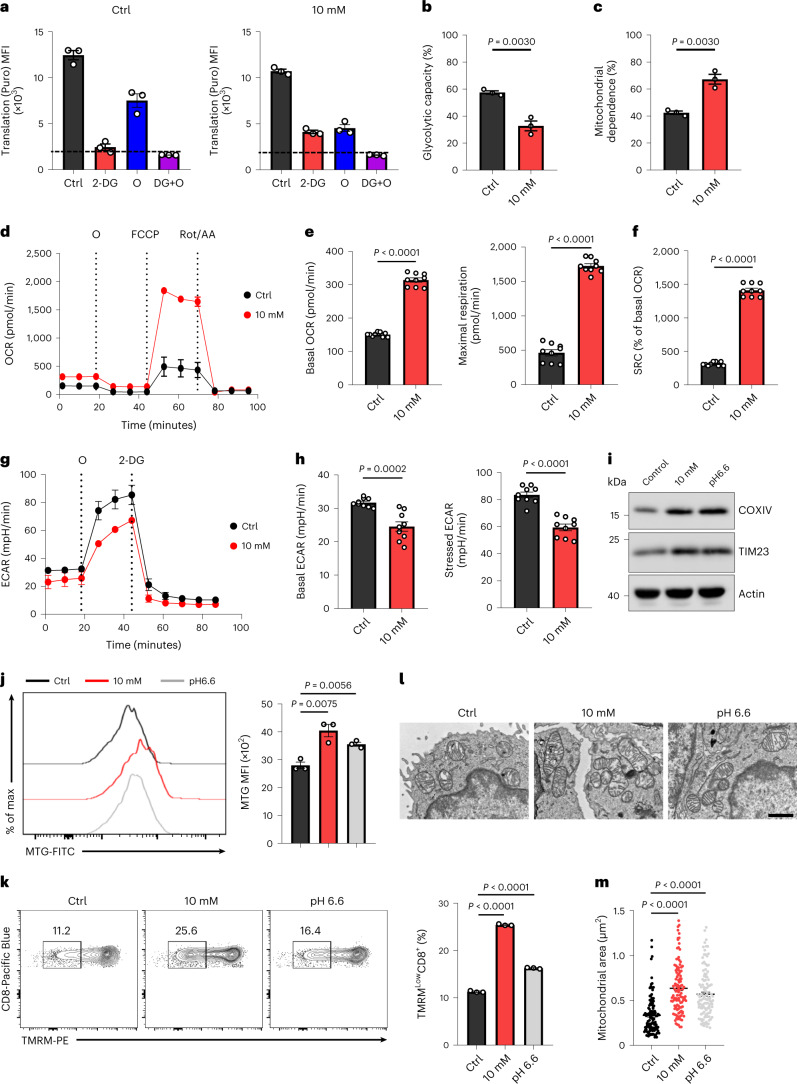
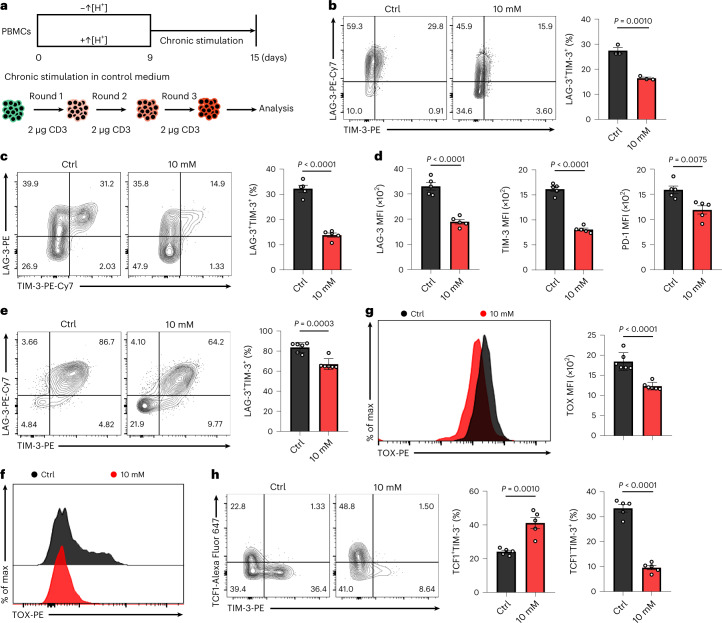
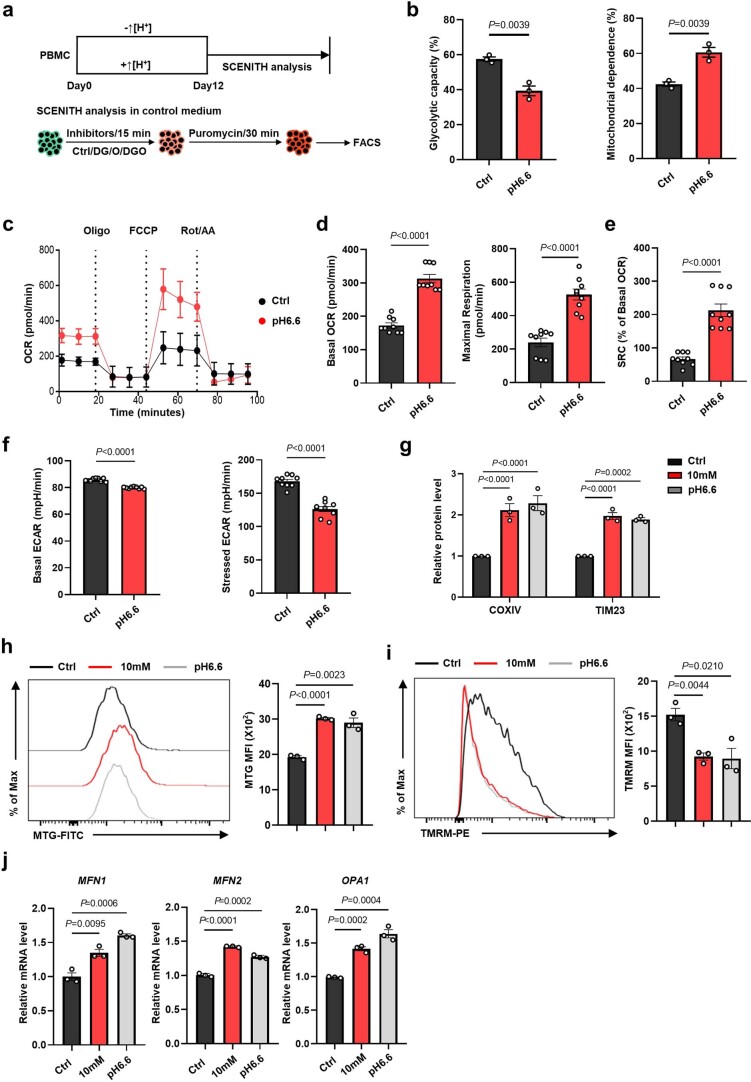
The accumulation of acidic metabolic waste products within the tumor microenvironment inhibits effector functions of tumor-infiltrating lymphocytes (TILs). However, it remains unclear how an acidic environment affects T cell metabolism and differentiation. Here we show that prolonged exposure to acid reprograms T cell intracellular metabolism and mitochondrial fitness and preserves T cell stemness. Mechanistically, elevated extracellular acidosis impairs methionine uptake and metabolism via downregulation of SLC7A5, therefore altering H3K27me3 deposition at the promoters of key T cell stemness genes. These changes promote the maintenance of a 'stem-like memory' state and improve long-term in vivo persistence and anti-tumor efficacy in mice. Our findings not only reveal an unexpected capacity of extracellular acidosis to maintain the stem-like properties of T cells, but also advance our understanding of how methionine metabolism affects T cell stemness.
在肿瘤微环境中,酸性代谢废物的积累抑制了肿瘤浸润淋巴细胞(TILs)的效应功能。然而,酸性环境如何影响 T 细胞代谢和分化仍不清楚。在这里,我们表明,长时间暴露于酸性环境会重新编程 T 细胞的细胞内代谢和线粒体功能,从而保持 T 细胞的干性。从机制上讲,细胞外酸中毒通过下调 SLC7A5 来损害蛋氨酸的摄取和代谢,从而改变关键 T 细胞干性基因启动子处的 H3K27me3 沉积。这些变化促进了“类干细胞样记忆”状态的维持,并提高了小鼠体内的长期持久性和抗肿瘤疗效。我们的研究结果不仅揭示了细胞外酸中毒维持 T 细胞类干细胞特性的意外能力,还加深了我们对蛋氨酸代谢如何影响 T 细胞干性的理解。