Emergency and Trauma College, Hainan Medical University, Haikou, Hainan, China; Key Laboratory of Emergency and Trauma of Ministry of Education, Hainan Medical University, Haikou, Hainan, China.
Emergency Medicine Center, Sichuan Provincial People's Hospital, University of Electronic Science and Technology of China, Chengdu, Sichuan, China.
Biomol Biomed. 2023 May 1;23(3):457-470. doi: 10.17305/bb.2022.8549.
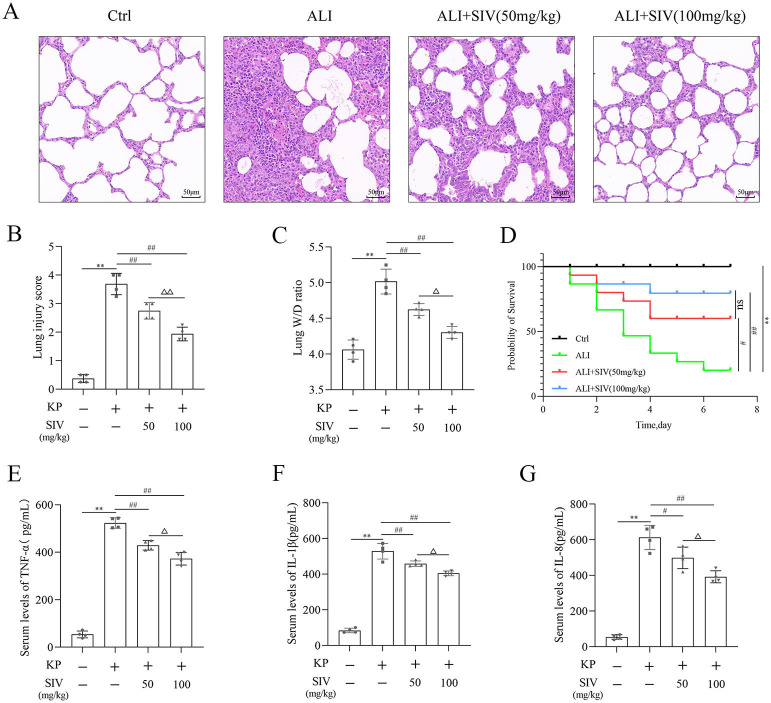
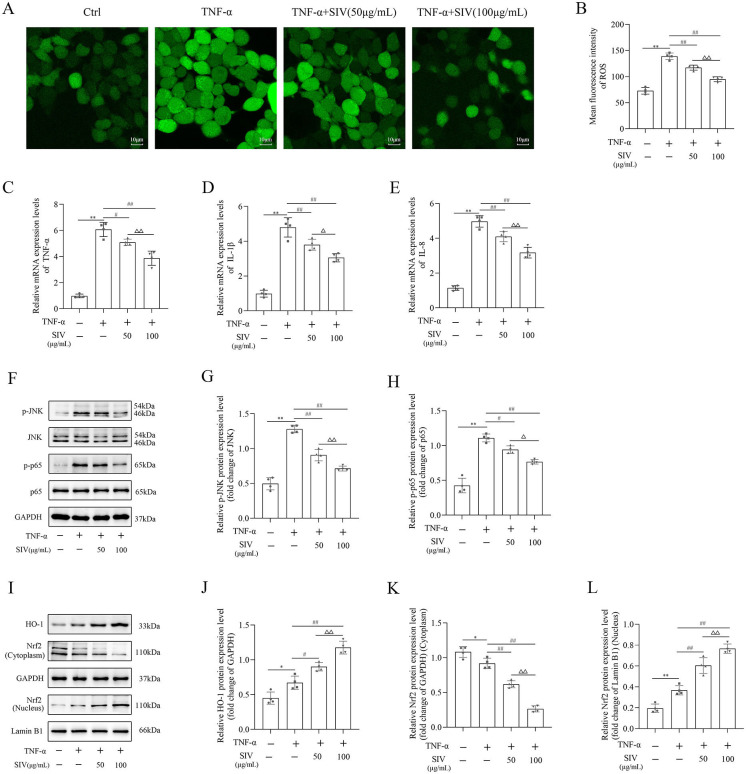
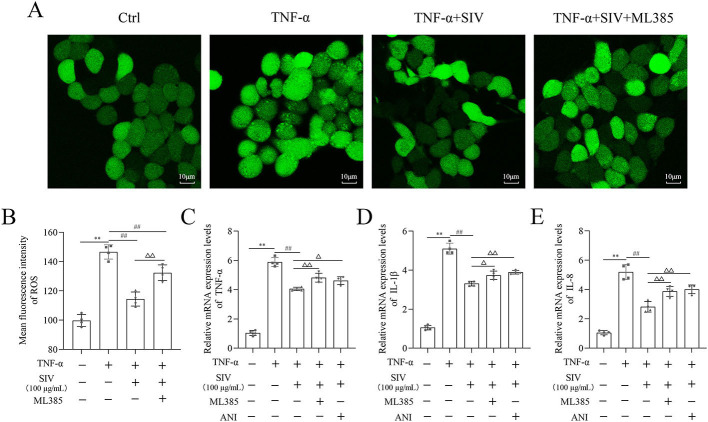
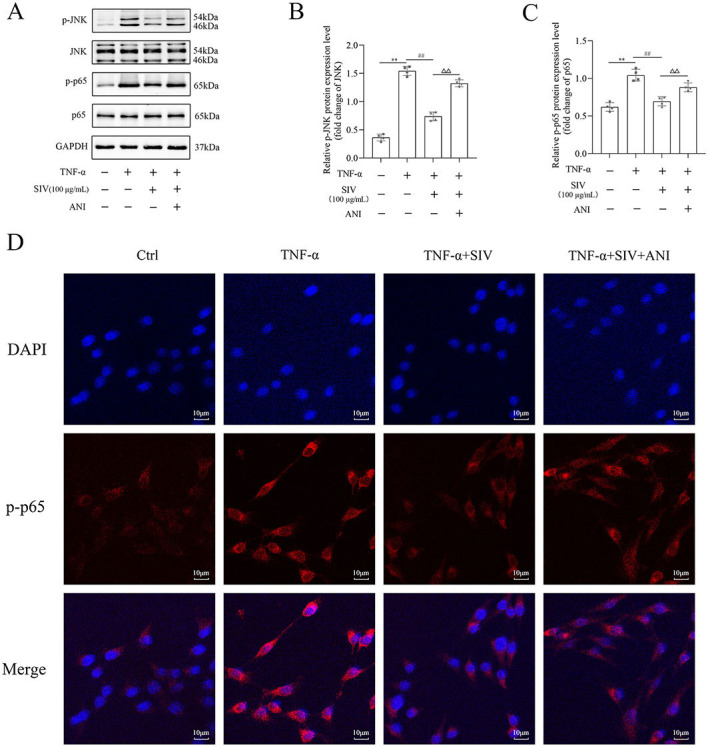
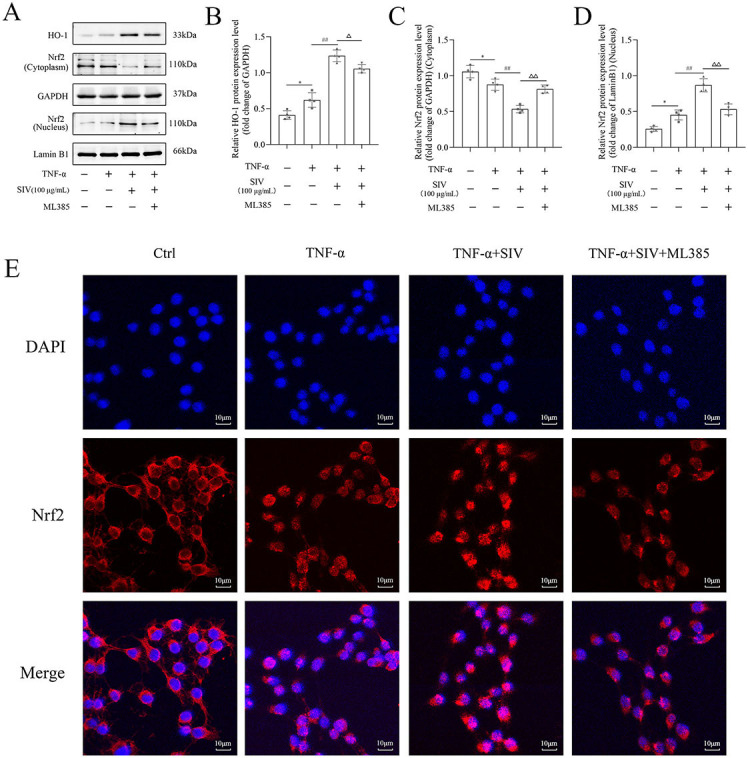
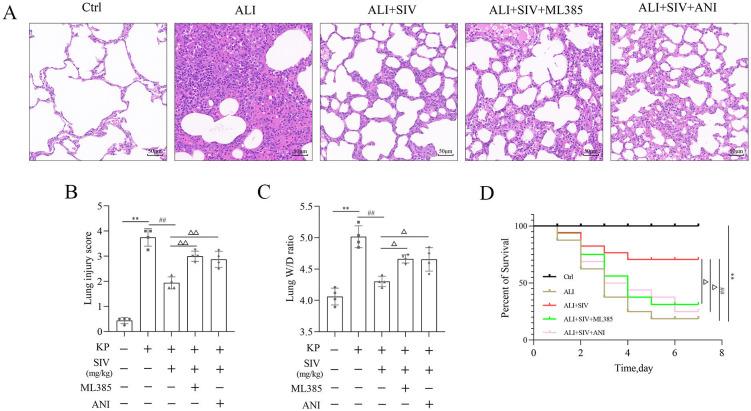
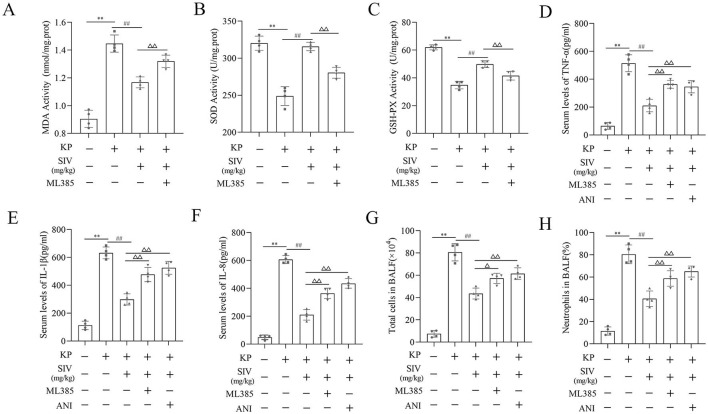
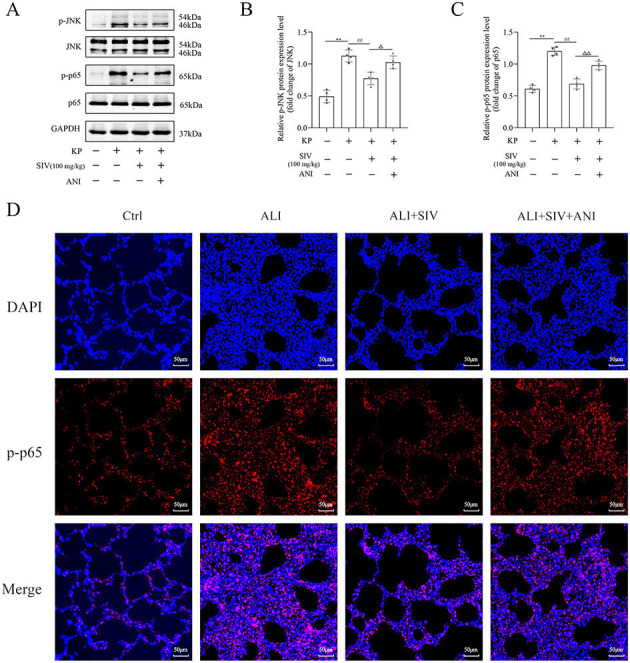
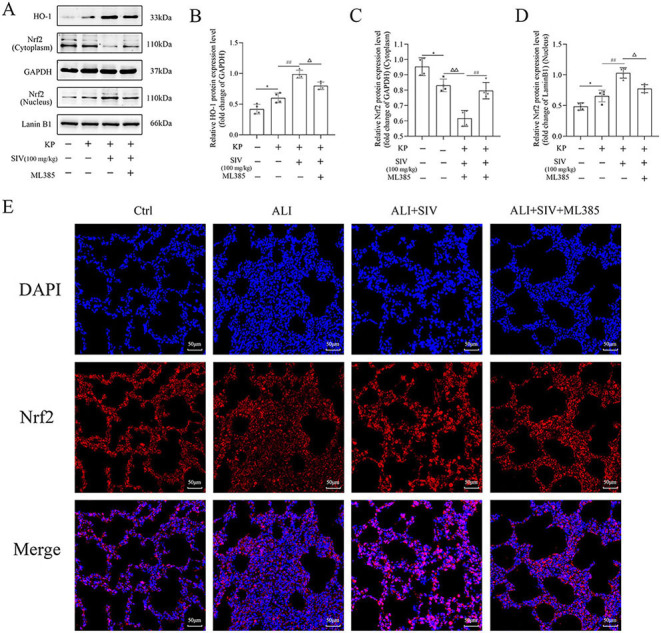
Sivelestat sodium (SIV), a neutrophil elastase inhibitor, is mainly used for the clinical treatment of acute respiratory distress syndrome (ARDS) or acute lung injury (ALI). However, studies investigating the effects of SIV treatment of ALI are limited. Therefore, this study investigated the potential molecular mechanism of the protective effects of SIV against ALI. Human pulmonary microvascular endothelial cells (HPMECs) were stimulated with tumor necrosis factor α (TNF-α), and male Sprague-Dawley rats were intratracheally injected with Klebsiella pneumoniae (KP) and treated with SIV, ML385, and anisomycin (ANI) to mimic the pathogenetic process of ALI in vitro and in vivo, respectively. The levels of inflammatory cytokines and indicators of oxidative stress were assessed in vitro and in vivo. The wet/dry (W/D) ratio of lung tissues, histopathological changes, inflammatory cells levels in bronchoalveolar lavage fluid (BALF), and survival rates of rats were analyzed. The JNK/NF-κB (p65) and Nrf2/HO-1 levels in the HPMECs and lung tissues were analyzed by western blot and immunofluorescence analyses. Administration of SIV reduced the inflammatory factors levels, intracellular reactive oxygen species (ROS) production, and malondialdehyde (MDA) levels and increased the levels of superoxide dismutase (SOD) and glutathione peroxidase (GSH-Px) in lung tissues. Meanwhile, SIV alleviated pathological injuries, decreased the W/D ratio, and inflammatory cell infiltration in lung tissue. In addition, SIV also inhibited the activation of JNK/NF-κB signaling pathway, promoted nuclear translocation of Nrf2, and upregulated the expression of heme oxygenase 1 (HO-1). However, ANI or ML385 significantly reversed these changes. SIV effectively attenuated the inflammatory response and oxidative stress. Its potential molecular mechanism was related to the JNK/NF-κB activation and Nrf2/HO-1 signaling pathway inhibition. This further deepened the understanding of the protective effects of SIV against ALI.
西维来司他钠(SIV)是一种中性粒细胞弹性蛋白酶抑制剂,主要用于治疗急性呼吸窘迫综合征(ARDS)或急性肺损伤(ALI)。然而,关于 SIV 治疗 ALI 的研究有限。因此,本研究探讨了 SIV 对 ALI 的保护作用的潜在分子机制。采用肿瘤坏死因子-α(TNF-α)刺激人肺微血管内皮细胞(HPMEC),并通过气管内注射肺炎克雷伯菌(KP)和给予 SIV、ML385 和放线菌酮(ANI)分别在体内和体外模拟 ALI 的发病过程。分别在体外和体内评估炎症细胞因子和氧化应激指标。分析肺组织的湿/干(W/D)比、组织病理学变化、支气管肺泡灌洗液(BALF)中的炎症细胞水平和大鼠的存活率。采用 Western blot 和免疫荧光分析检测 HPMEC 和肺组织中的 JNK/NF-κB(p65)和 Nrf2/HO-1 水平。给予 SIV 可降低炎症因子水平、细胞内活性氧(ROS)产生和丙二醛(MDA)水平,提高肺组织中超氧化物歧化酶(SOD)和谷胱甘肽过氧化物酶(GSH-Px)水平。同时,SIV 还减轻了肺组织的病理损伤,降低了 W/D 比和炎症细胞浸润。此外,SIV 还抑制了 JNK/NF-κB 信号通路的激活,促进了 Nrf2 的核转位,并上调了血红素加氧酶 1(HO-1)的表达。然而,ANI 或 ML385 显著逆转了这些变化。SIV 有效减轻了炎症反应和氧化应激。其潜在的分子机制与 JNK/NF-κB 激活和 Nrf2/HO-1 信号通路抑制有关。这进一步加深了对 SIV 防治 ALI 的保护作用的认识。