Department of Pediatrics, Renmin Hospital of Wuhan University, Wuhan, 430060, China.
Department of Psychiatry, Renmin Hospital of Wuhan University, Wuhan, 430060, China.
BMC Pediatr. 2023 Feb 2;23(1):53. doi: 10.1186/s12887-023-03864-y.
Tic disorders (TD) are complex neuropsychiatric disorders frequently associated with a variety of comorbid problems, whose negative effects may exceed those of the tics themselves. In this study, we aimed to explore the sociodemographic and clinical characteristics of children with TD and behavioral problems, and develop a prediction model of behavioral problems based on the predictors under real-world conditions.
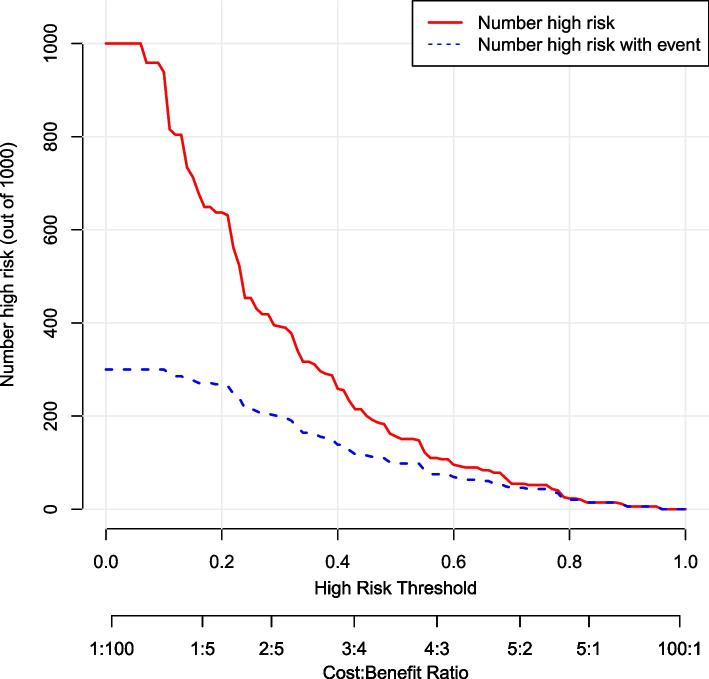
A hospital-based cross-sectional study was conducted on children with TD. Behavioral problems were surveyed using the Achenbach Child Behavior Checklist (CBCL). Sociodemographic information was collected from face-to-face interviews using an electronic questionnaire administered during the initial ambulatory visit. Clinical data were collected from medical records, and quality control was performed. The sociodemographic and clinical characteristics of patients with and without behavioral problems were statistically compared, and a nomogram prediction model was developed based on multivariate logistic regression analysis. The discriminatory ability and clinical utility of the nomogram were assessed by concordance index (C-index), receiver operating characteristic (ROC) curve, decision curve analysis (DCA) and clinical impact curve (CIC).
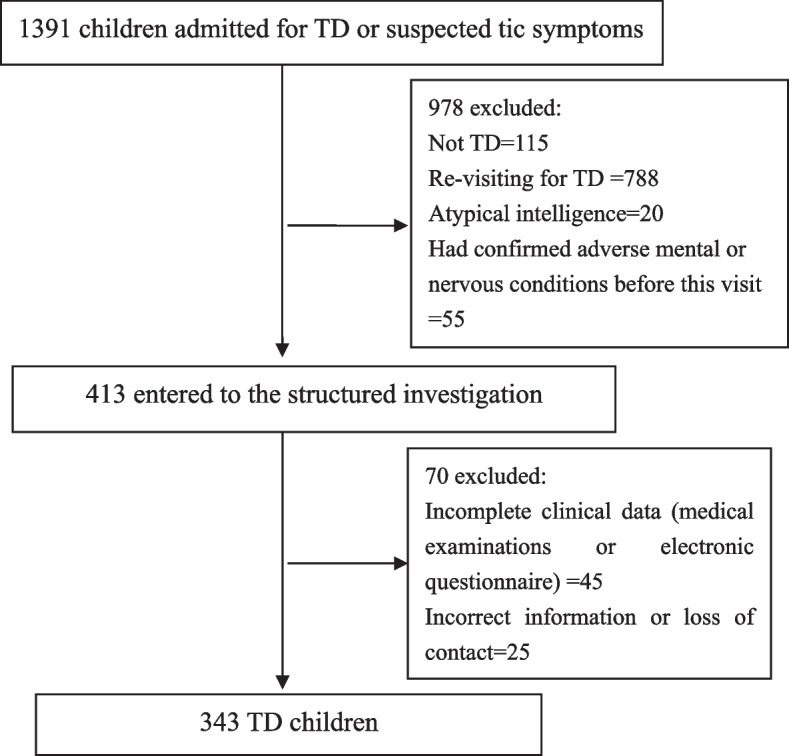
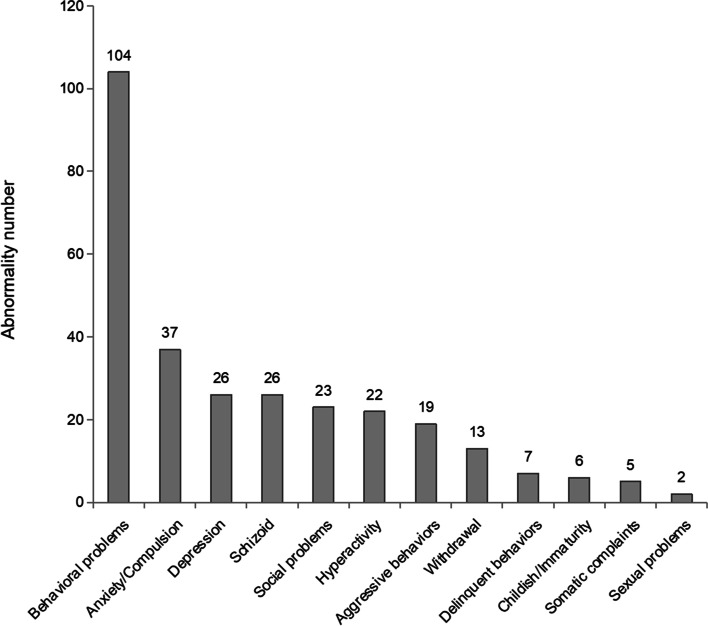
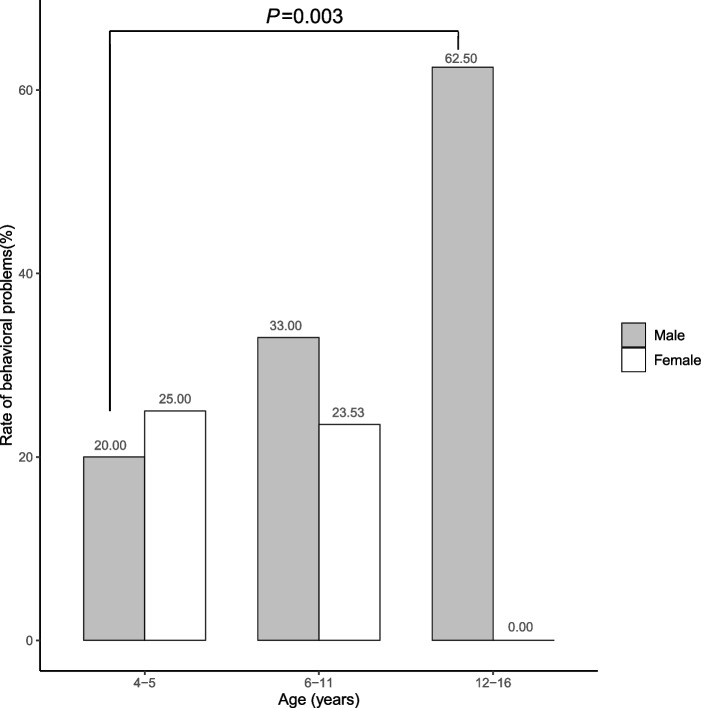
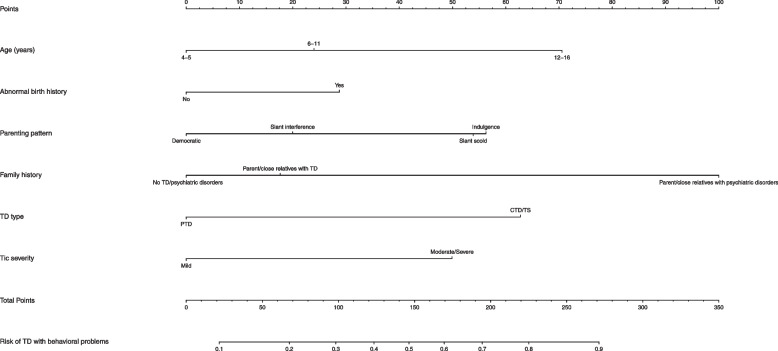
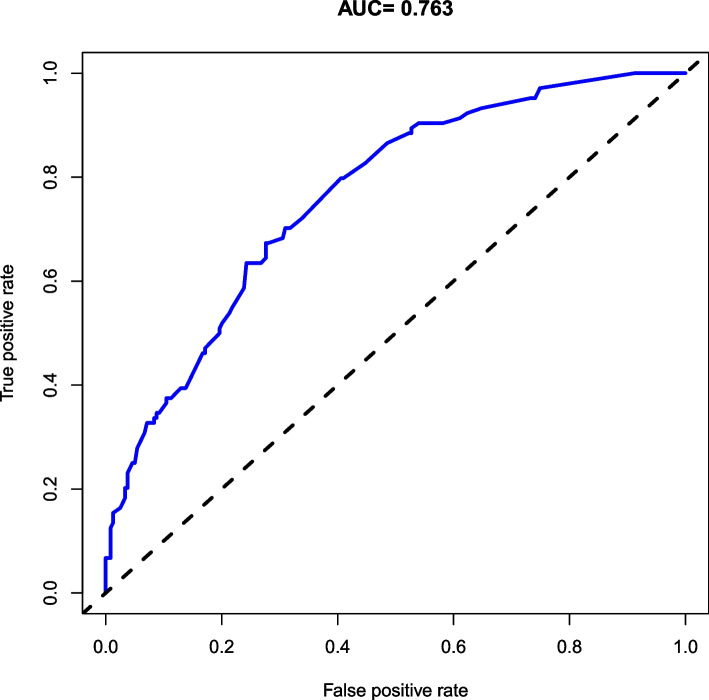
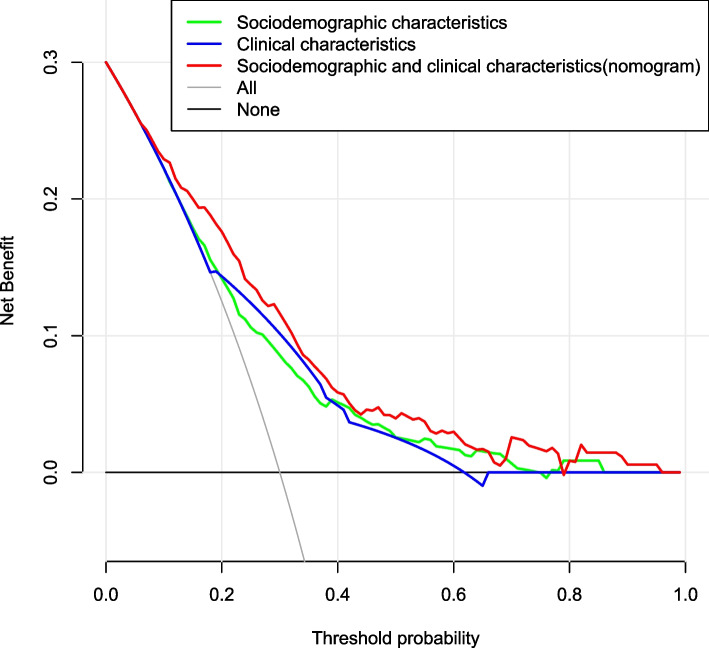
A total of 343 TD cases were included in the final analysis, of which 30.32% had behavioral problems. The prediction model showed age 12-16 years, abnormal birth history, parenting pattern of indulgence, parent/close relatives with psychiatric disorders, chronic motor or vocal tic disorder (CTD)/Tourette syndrome (TS) and moderate/severe tic severity were associated with behavioral problems in children with TD. The C-index of the prediction model (nomogram) was 0.763 (95% confidence interval, 0.710 ~ 0.816). The nomogram was feasible for making beneficial clinical decisions, according to the satisfactory results of the DCA and CIC.
A nomogram prediction model for comorbid behavioral problems in children with TD was established. The prediction model demonstrated a good discriminative ability and predictive performance for beneficial clinical decisions. This model further provides a comprehensive understanding of associated sociodemographic and clinical characteristics by visual graphs and allows clinicians to rapidly identify patients with a higher risk of behavioral problems and tailor necessary interventions to improve clinical outcomes.
抽动障碍(TD)是一种复杂的神经精神障碍,常伴有多种共病问题,其负面影响可能超过抽动本身。本研究旨在探讨 TD 伴行为问题儿童的社会人口学和临床特征,并在真实环境下基于预测因子建立行为问题预测模型。
采用医院横断面研究,对 TD 患儿进行行为问题调查,采用 Achenbach 儿童行为检查表(CBCL)进行评估。采用电子问卷在初诊时进行面对面访谈收集社会人口学信息。从病历中收集临床资料,并进行质量控制。对有和无行为问题的患者的社会人口学和临床特征进行统计学比较,并基于多变量逻辑回归分析建立列线图预测模型。通过一致性指数(C 指数)、接收者操作特征(ROC)曲线、决策曲线分析(DCA)和临床影响曲线(CIC)评估列线图的判别能力和临床实用性。
共纳入 343 例 TD 病例进行最终分析,其中 30.32%存在行为问题。预测模型显示年龄 12-16 岁、异常出生史、养育方式放纵、父母/近亲有精神障碍、慢性运动或发声抽动障碍(CTD)/妥瑞氏症(TS)和中重度抽动严重程度与 TD 患儿的行为问题相关。预测模型(列线图)的 C 指数为 0.763(95%置信区间,0.710~0.816)。DCA 和 CIC 的满意结果表明,该列线图在做出有益的临床决策方面是可行的。
建立了 TD 儿童共患行为问题的列线图预测模型。该预测模型对有益的临床决策具有良好的判别能力和预测性能。该模型通过可视化图形进一步全面了解相关的社会人口学和临床特征,使临床医生能够快速识别出行为问题风险较高的患者,并制定必要的干预措施,以改善临床结局。