WORLD Policy Analysis Center, University of California, Los Angeles, Los Angeles, CA, USA.
Fielding School of Public Health, Luskin School of Public Affairs, Geffen School of Medicine, University of California, Los Angeles, Los Angeles, CA, USA.
Public Health Rep. 2024 Jan-Feb;139(1):39-47. doi: 10.1177/00333549231151661. Epub 2023 Feb 3.
Parental leave and breastfeeding breaks influence the ability to initiate and continue breastfeeding. We investigated how eligibility criteria in the Family and Medical Leave Act (FMLA) and Affordable Care Act (ACA) affect access to unpaid parental leave and breastfeeding breaks and assessed affordability and alternative policy models.
We used family income data to assess the affordability of unpaid leave by race and ethnicity. We used 2017-2018 US Current Population Survey data to determine the percentage of private sector workers aged 18-44 years who met the minimum hour (1250 hours of work during a 12-month period), tenure (12 months), and firm size (≥50 employees) requirements of FMLA and ACA. We analyzed eligibility by gender, race and ethnicity, and age. We also examined parental leave and breastfeeding break policies in 193 countries.
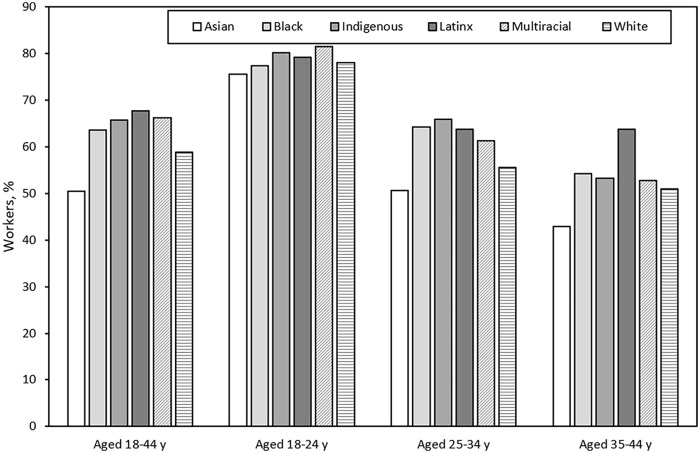
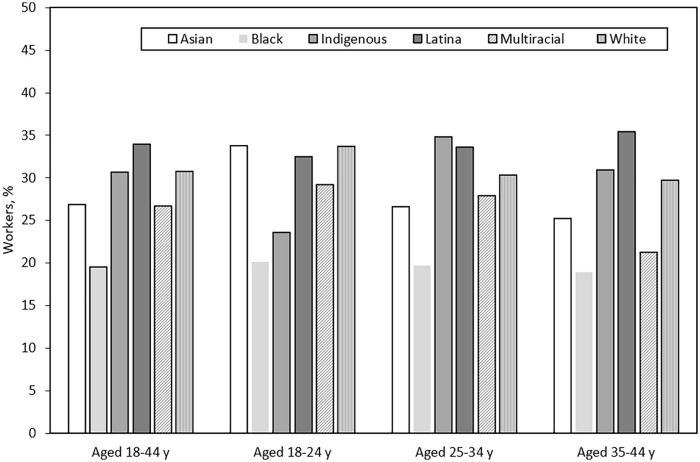
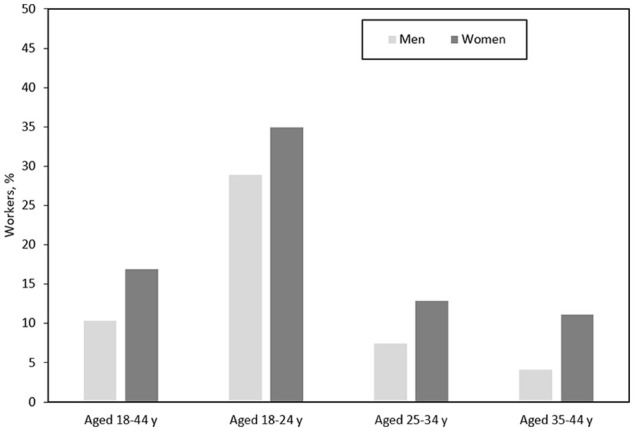
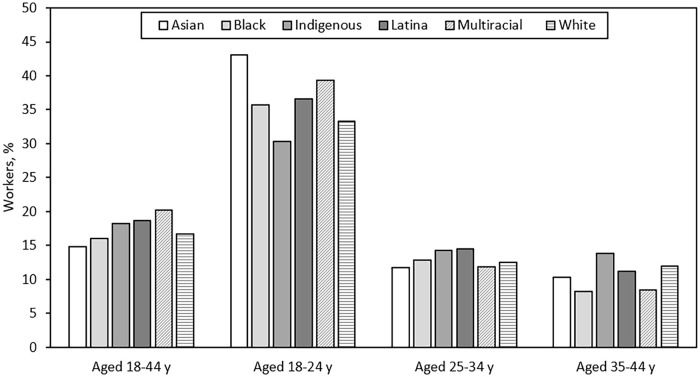
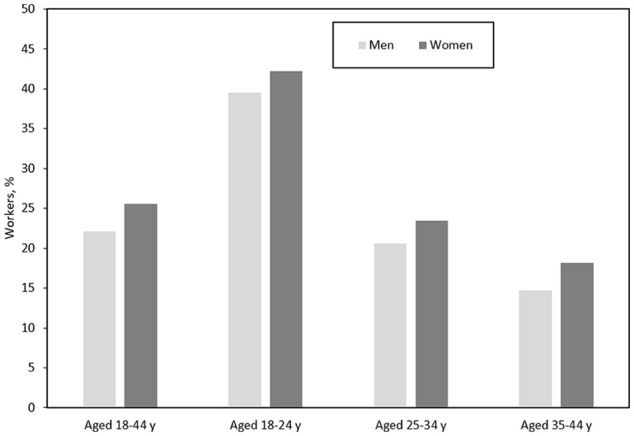
Most Latinx (66.9%), Black (60.2%), and White (55.3%) workers were ineligible and/or unlikely to be able to afford to take unpaid FMLA leave. Of 69 534 workers, more women (16.9%) than men (10.3%) did not meet the minimum hour requirement. Minimum tenure excluded 23.7% of all workers and 42.2% of women aged 18-24 years. Minimum firm size excluded 30.3% of all workers and 37.7% of Latinx workers. Of 27 520 women, 28.8% (including 32.9% of Latina women) were excluded from ACA breastfeeding breaks because of firm size. Nearly all other countries guaranteed mothers paid leave regardless of firm size or minimum hours and guaranteed ≥6 months of paid leave or breastfeeding breaks.
Adopting a comprehensive, inclusive paid parental leave policy and closing gaps in breastfeeding break legislation would remove work-related barriers to breastfeeding; reduce racial, ethnic, and gender inequities; and align US national policies with global norms.
陪产假和哺乳假会影响母乳喂养的开始和持续。我们调查了《家庭医疗休假法案》(FMLA)和《平价医疗法案》(ACA)中的资格标准如何影响无薪陪产假和哺乳假的获得,并评估了其负担能力和替代政策模式。
我们使用家庭收入数据评估了不同种族和族裔群体获得无薪休假的负担能力。我们使用 2017-2018 年美国当前人口调查数据,确定了在私营部门工作、年龄在 18-44 岁之间、符合 FMLA 和 ACA 的最短工作时间(12 个月内工作 1250 小时)、工作期限(12 个月)和员工规模(≥50 人)要求的工人比例。我们按性别、种族和族裔以及年龄分析了资格。我们还分析了 193 个国家的陪产假和哺乳假政策。
大多数拉丁裔(66.9%)、黑人(60.2%)和白人(55.3%)工人没有资格享受无薪 FMLA 休假,或者没有能力负担无薪休假。在 69534 名工人中,不满足最短工作时间要求的女性(16.9%)多于男性(10.3%)。最短工作期限排除了所有工人的 23.7%和所有 18-24 岁女性的 42.2%。最小员工规模排除了所有工人的 30.3%和拉丁裔工人的 37.7%。在 27520 名女性中,由于公司规模,28.8%(包括 32.9%的拉丁裔女性)被排除在 ACA 哺乳假之外。几乎所有其他国家都保证母亲无论公司规模或最短工作时间长短都有带薪休假,并保证至少 6 个月的带薪休假或哺乳假。
通过采用全面、包容的带薪陪产假政策并缩小哺乳假立法方面的差距,将消除与工作相关的母乳喂养障碍;减少种族、民族和性别不平等;并使美国的国家政策与全球规范保持一致。