Zhang Yansong, Cao Mengting, Li Runzhi, Chen Xu, Dong Hongtao, Liu Xiao
College of Safety and Environmental Engineering, Shandong University of Science and Technology, Qingdao266590, PR China.
State Key Laboratory of Explosion Science and Technology, Beijing Institute of Technology, Beijing100081, PR China.
ACS Omega. 2023 Jan 19;8(4):4251-4260. doi: 10.1021/acsomega.2c07470. eCollection 2023 Jan 31.
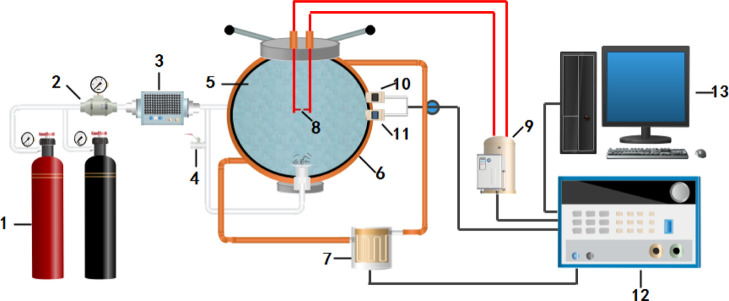
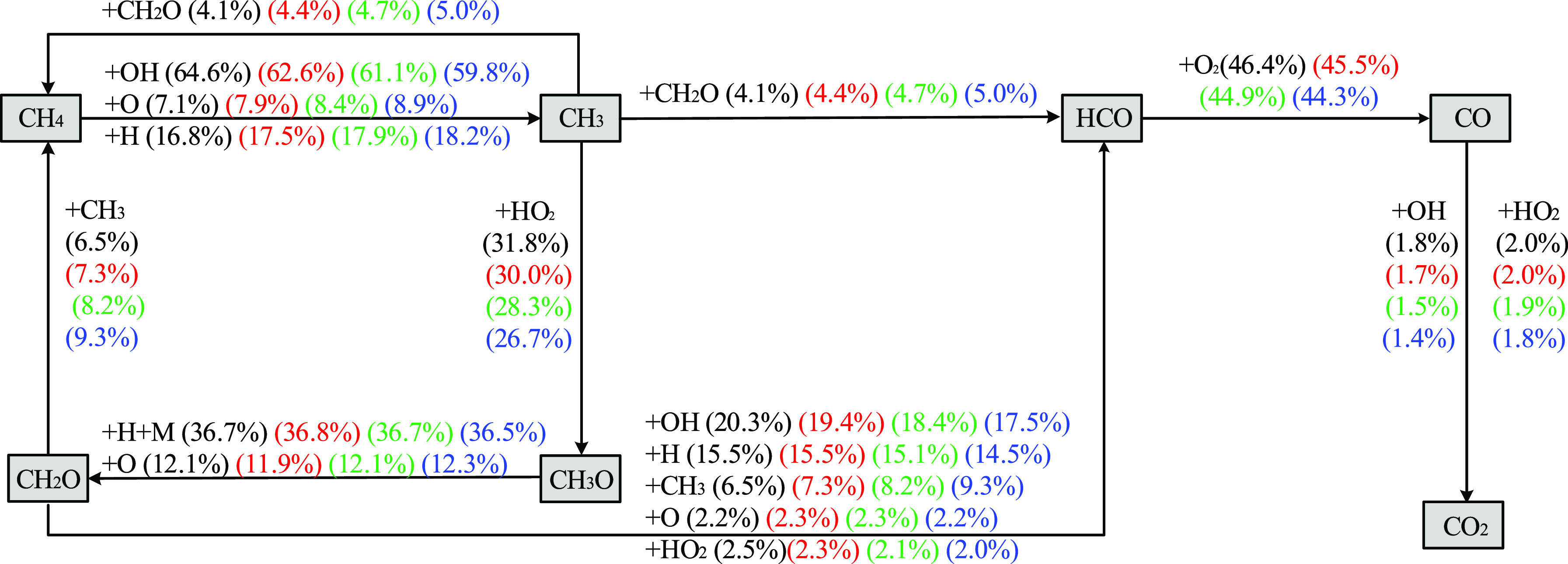
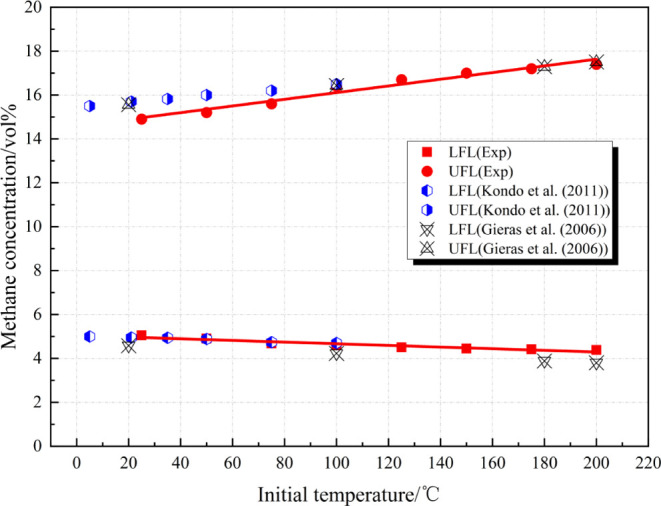
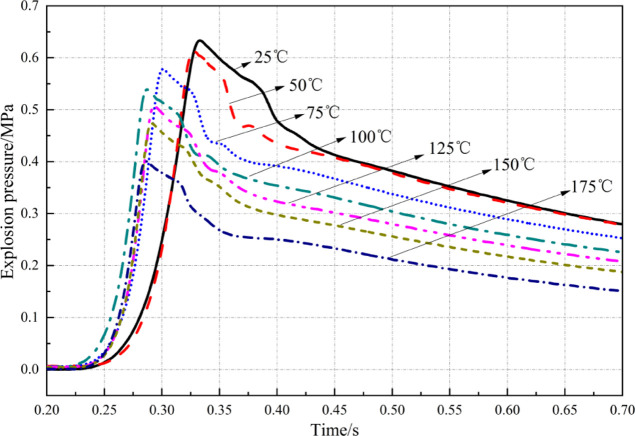
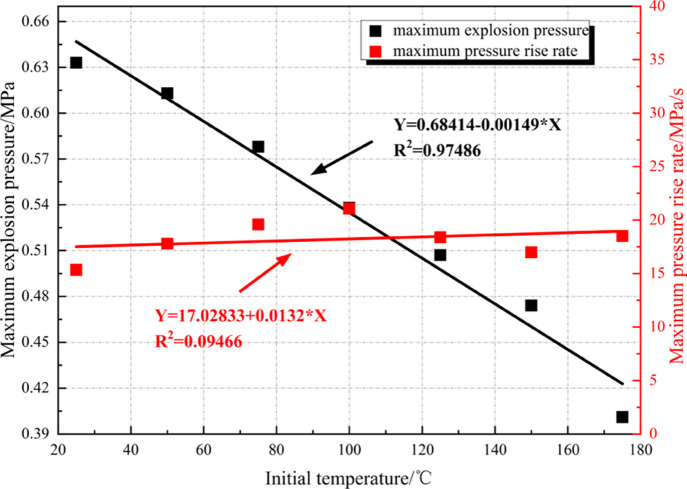
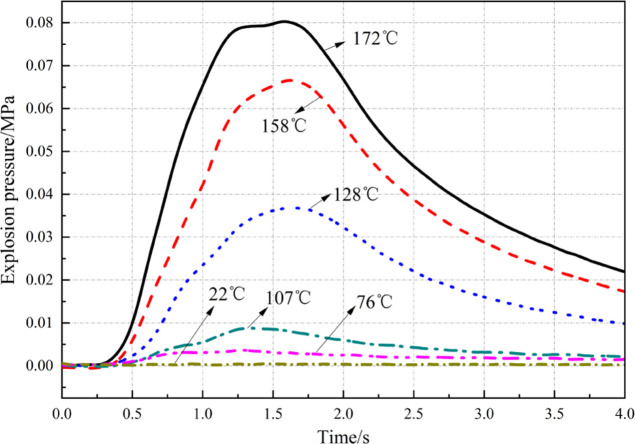
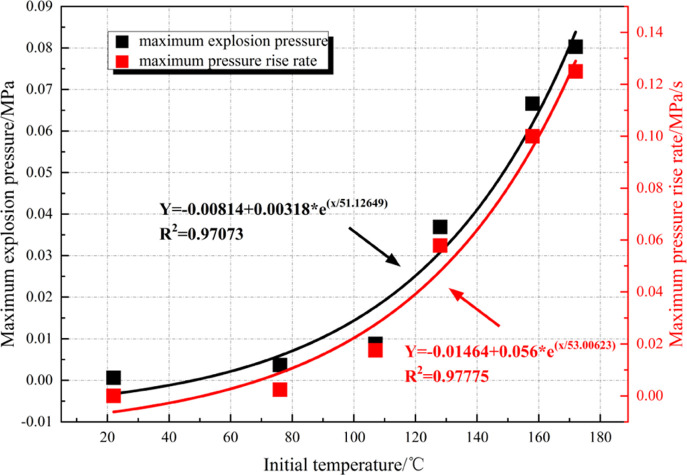
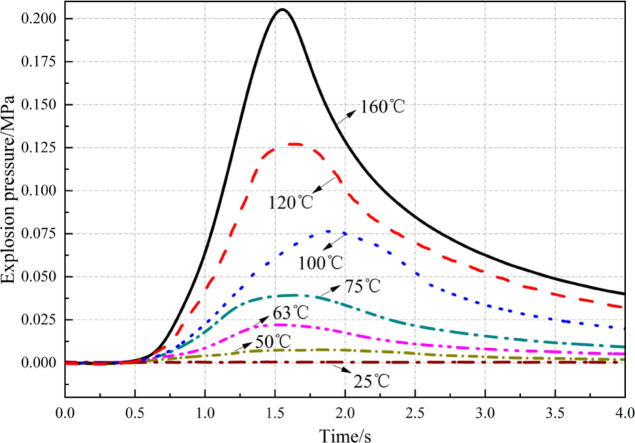
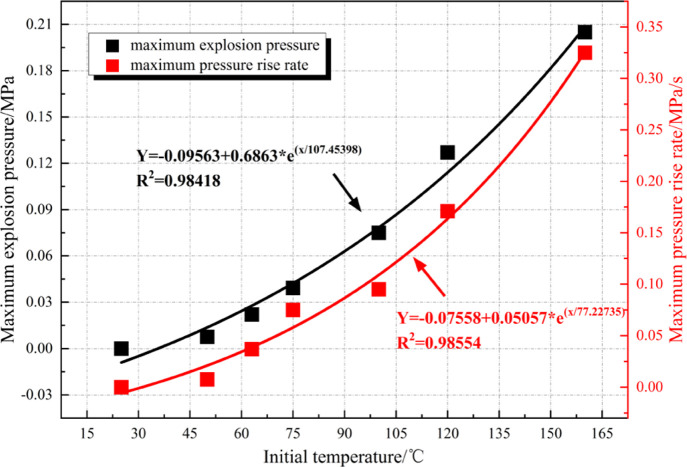
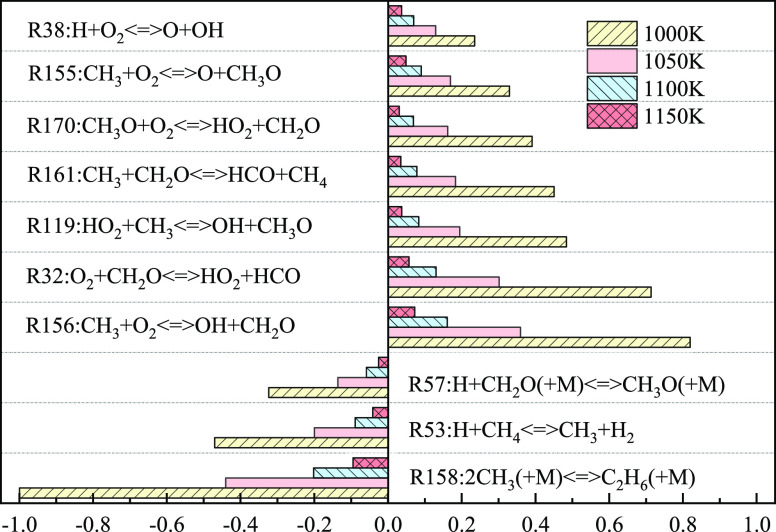
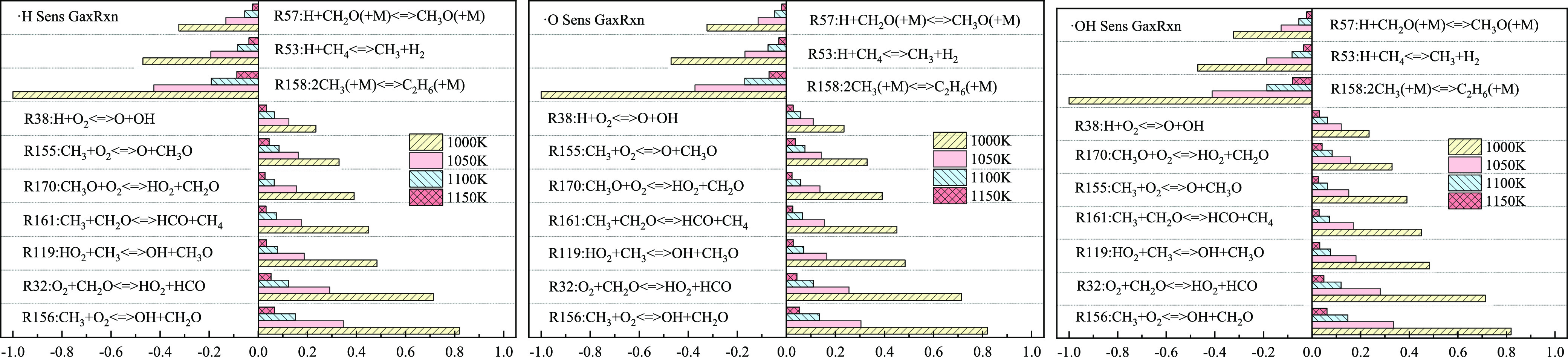
In the gas extraction and utilization process of coal mines, gas (mainly containing methane) explosion accidents happen occasionally under high-temperature conditions, causing serious casualties and economic losses. To reveal the mechanism and risk evolution of methane explosion under high-temperature conditions and control such accidents, the explosive characteristics of methane at 25∼200 °C were experimentally investigated by establishing a test platform for gas explosion under high-temperature conditions. In the experiments, three conditions were considered: the concentration near the upper explosion limit (CNUEL) (15.47 vol %), stoichiometric concentration (SC), and concentration near the lower explosion limit (4.68 vol %). Furthermore, the explosion pressure of methane-air mixtures and sensitivity characteristics of key free radicals at different high temperatures were determined based on the GRI-Mech 3.0 reaction mechanism of methane and using software CHEMKIN-PRO. The results show that at SC, decreases, while (D/D) remains unchanged as the temperature increases, indicating a gradual decrease in the explosion risk. Near the explosion limits, and (D/D) both grow as an exponential function, which implies that the explosion risk gradually increases. The temperature rise exerts a greater effect in improving the risk of explosion overpressure of methane at CNUEL (15.47 vol %), and compared with , the temperature rise has a greater improvement effect on (D/D). In the early stage of consuming methane, methane at SC mainly has two chemical reaction paths: CH → CH → CHO → CHO → HCO → CO and CH → CH → HCO → CO. The former and the latter to some extent separately promote and inhibit the explosive reactions. As the temperature increases, the proportion of methane consumed by the former reduces, while that by the latter slightly increases. The temperature rise inhibits the increase in the explosion risk of methane at SC, which is consistent with the experimental results.
在煤矿瓦斯抽采与利用过程中,瓦斯(主要成分为甲烷)在高温条件下偶尔会发生爆炸事故,造成严重的人员伤亡和经济损失。为揭示高温条件下甲烷爆炸的机理及风险演变规律并控制此类事故,通过搭建高温条件下瓦斯爆炸试验平台,对25~200℃甲烷的爆炸特性进行了实验研究。实验考虑了三种工况:接近爆炸上限浓度(CNUEL)(15.47体积%)、化学计量浓度(SC)和接近爆炸下限浓度(4.68体积%)。此外,基于甲烷的GRI-Mech 3.0反应机理,利用CHEMKIN-PRO软件确定了不同高温下甲烷-空气混合物的爆炸压力及关键自由基的敏感特性。结果表明,在化学计量浓度下,随着温度升高, 降低,而(D/D)保持不变,表明爆炸风险逐渐降低。在爆炸极限附近, 和(D/D)均呈指数函数增长,这意味着爆炸风险逐渐增加。温度升高对提高接近爆炸上限浓度(15.47体积%)的甲烷爆炸超压风险影响更大,与 相比,温度升高对(D/D)的改善作用更大。在甲烷消耗初期,化学计量浓度的甲烷主要有两条化学反应路径:CH→CH→CHO→CHO→HCO→CO和CH→CH→HCO→CO。前者和后者在一定程度上分别促进和抑制爆炸反应。随着温度升高,前者消耗的甲烷比例降低,而后者消耗的甲烷比例略有增加。温度升高抑制了化学计量浓度甲烷的爆炸风险增加,这与实验结果一致。