Institute of Systems Immunology, Philipps-University Marburg, Marburg, Germany.
Department of Gastroenterology, Endocrinology, Metabolism and Infection, Center for Tumor and Immunology (ZTI), Philipps-University Marburg, Marburg, Germany.
Gut. 2023 Aug;72(8):1510-1522. doi: 10.1136/gutjnl-2022-327855. Epub 2023 Feb 9.
Pancreatic ductal adenocarcinoma (PDAC) is characterised by an abundant desmoplastic stroma composed of cancer-associated fibroblasts (CAF) and interspersed immune cells. A non-canonical CD8 T-cell subpopulation producing IL-17A (Tc17) promotes autoimmunity and has been identified in tumours. Here, we evaluated the Tc17 role in PDAC.
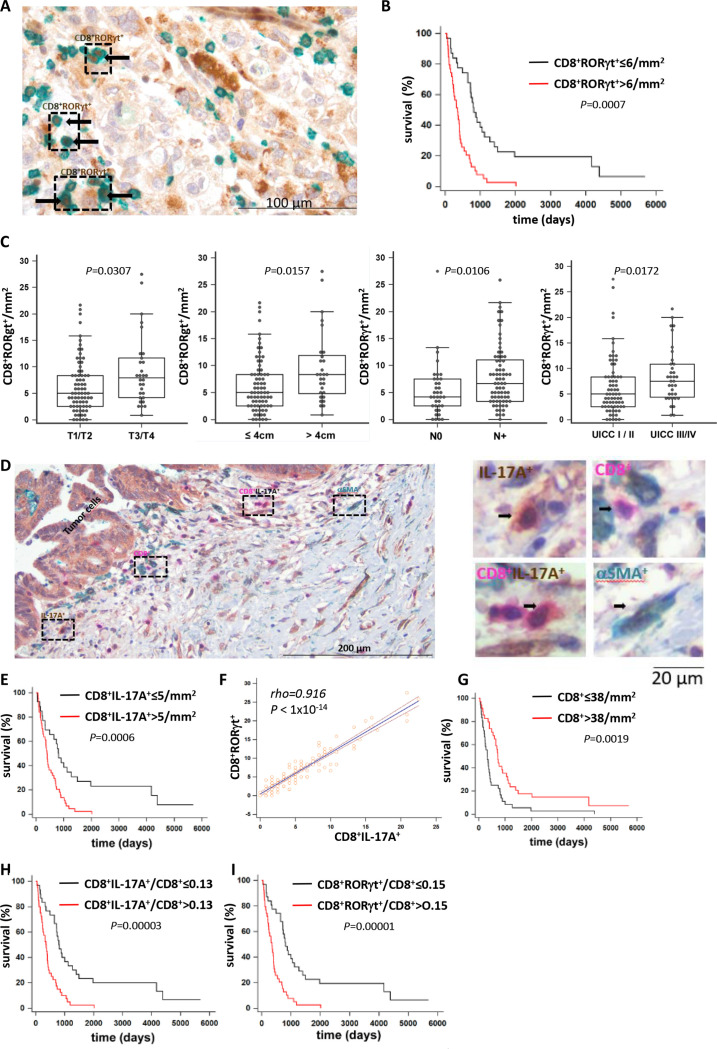
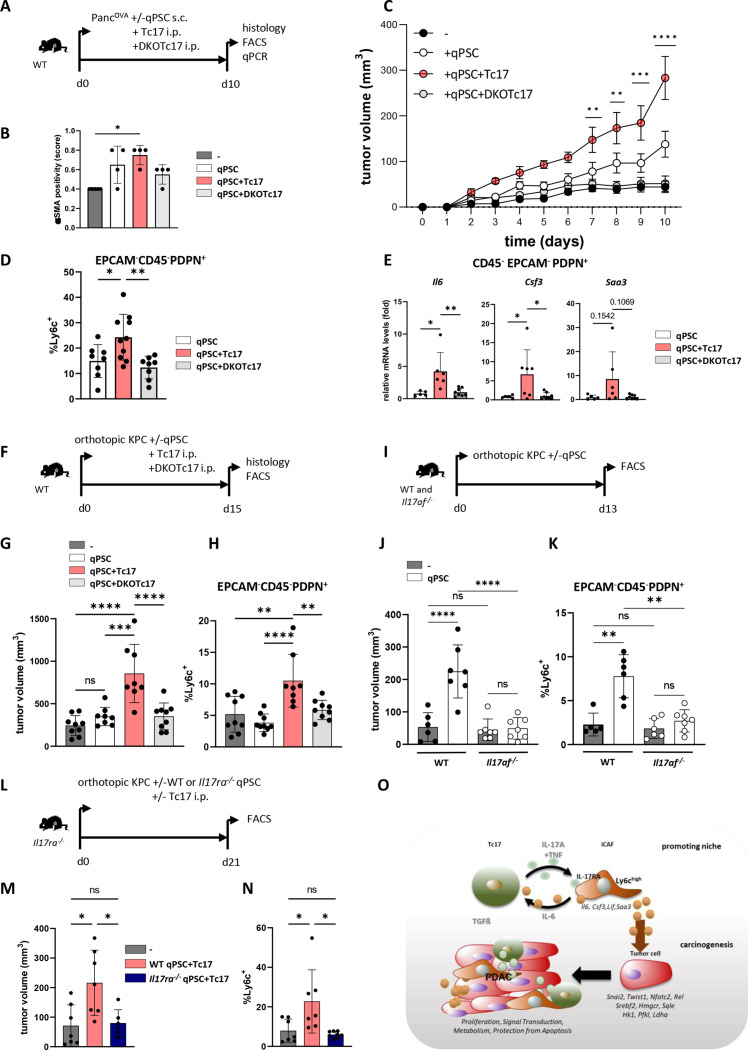
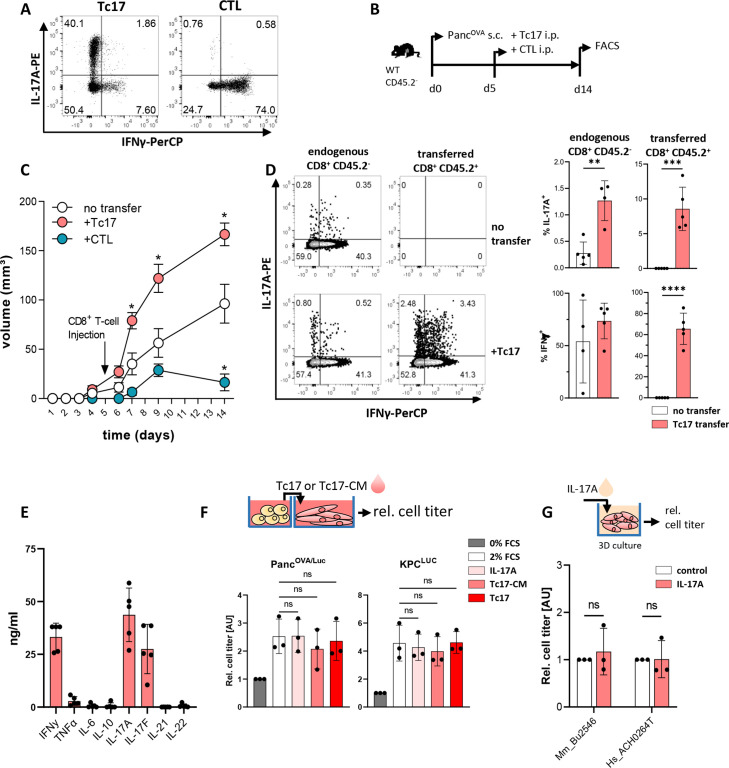
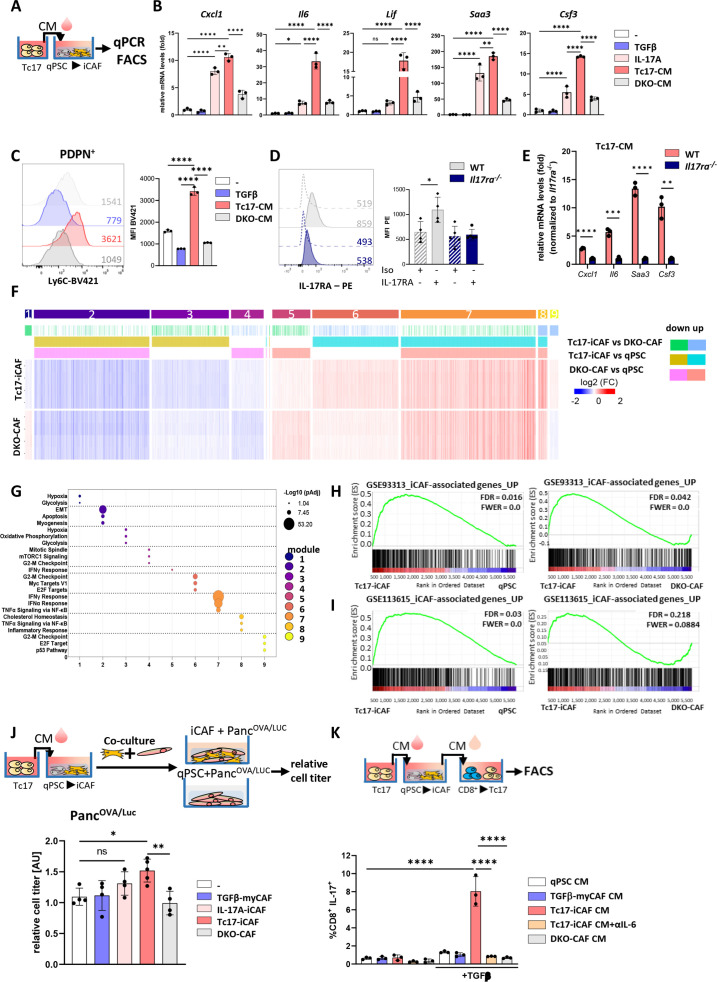
Infiltration of Tc17 cells in PDAC tissue was correlated with patient overall survival and tumour stage. Wild-type (WT) or quiescent pancreatic stellate cells (qPSC) were exposed to conditional media obtained from Tc17 cells (Tc17-CM); moreover, co-culture of Tc17-CM-induced inflammatory (i)CAF (Tc17-iCAF) with tumour cells was performed. IL-17A/F-, IL-17RA-, RAG1-deficient and mice were used to study the Tc17 role in subcutaneous and orthotopic PDAC mouse models.
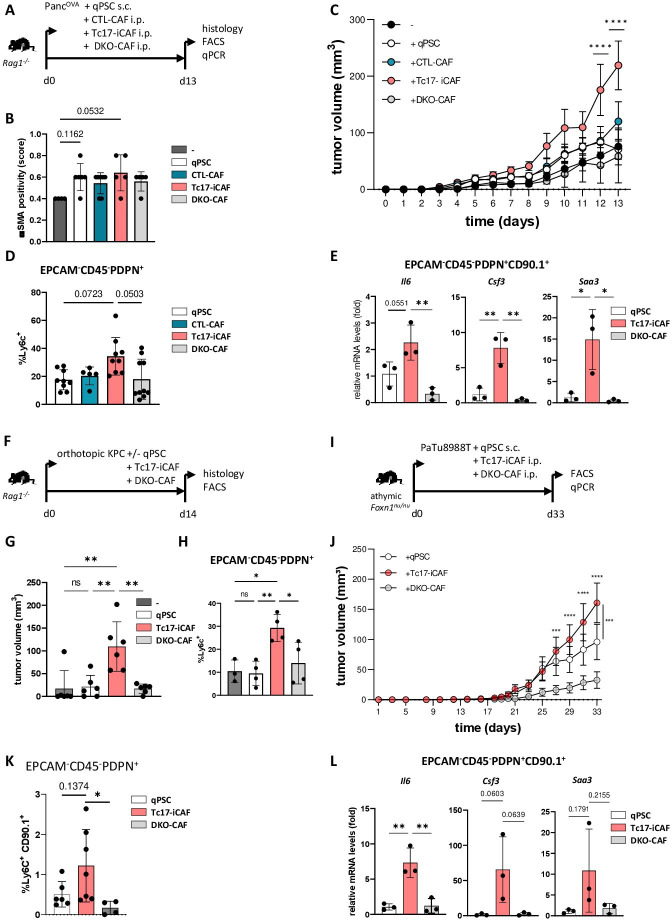
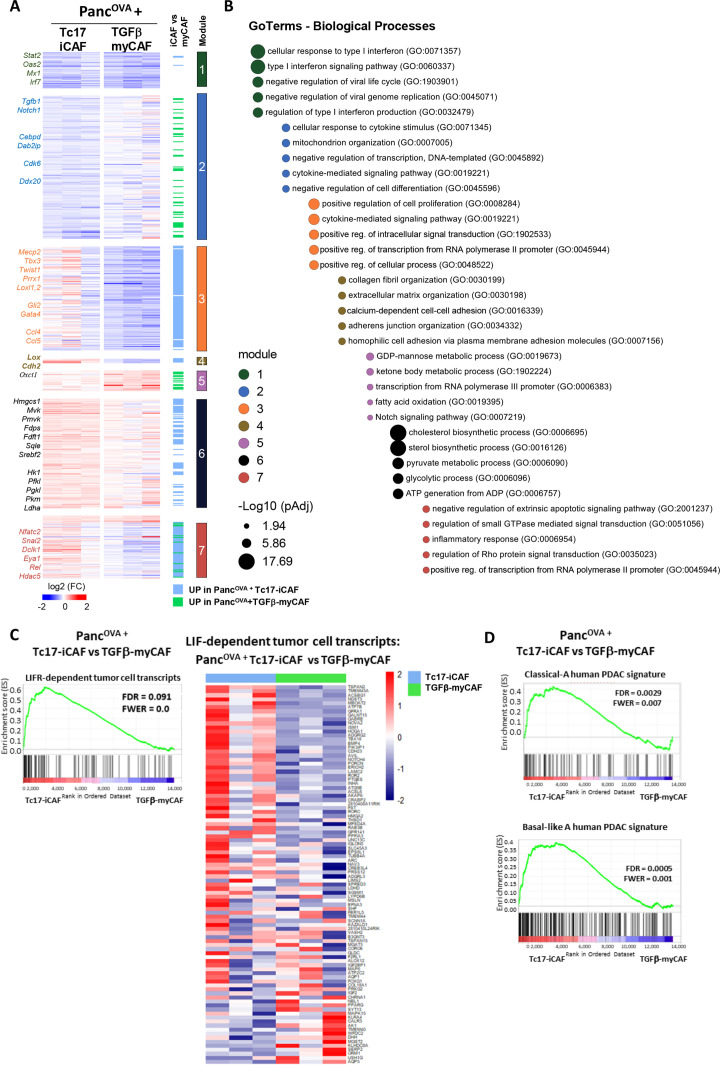
Increased abundance of Tc17 cells highly correlated with reduced survival and advanced tumour stage in PDAC. Tc17-CM induced iCAF differentiation as assessed by the expression of iCAF-associated genes via synergism of IL-17A and TNF. Accordingly, IL-17RA controlled the responsiveness of qPSC to Tc17-CM. Pancreatic tumour cells co-cultured with Tc17-iCAF displayed enhanced proliferation and increased expression of genes implicated in proliferation, metabolism and protection from apoptosis. Tc17-iCAF accelerated growth of mouse and human tumours in and mice, respectively. Finally, -expressed by fibroblasts was required for Tc17-driven tumour growth in vivo.
We identified Tc17 as a novel protumourigenic CD8 T-cell subtype in PDAC, which accelerated tumour growth via IL-17RA-dependent stroma modification. We described a crosstalk between three cell types, Tc17, fibroblasts and tumour cells, promoting PDAC progression, which resulted in poor prognosis for patients.
胰腺导管腺癌(PDAC)的特征是富含由癌相关成纤维细胞(CAF)和穿插的免疫细胞组成的丰富的细胞外基质。一种产生白细胞介素 17A(IL-17A)的非典型 CD8 T 细胞亚群(Tc17)促进自身免疫,并已在肿瘤中被鉴定。在这里,我们评估了 Tc17 在 PDAC 中的作用。
PDAC 组织中 Tc17 细胞的浸润与患者的总生存时间和肿瘤分期相关。野生型(WT)或静止的胰腺星状细胞(qPSC)暴露于来自 Tc17 细胞的条件培养基(Tc17-CM);此外,还进行了 Tc17-CM 诱导的炎性(i)CAF(Tc17-iCAF)与肿瘤细胞的共培养。使用 IL-17A/F-、IL-17RA-、RAG1-缺陷和 小鼠来研究 Tc17 在皮下和原位 PDAC 小鼠模型中的作用。
大量 Tc17 细胞的增加与 PDAC 患者生存率降低和肿瘤分期进展高度相关。Tc17-CM 通过 IL-17A 和 TNF 的协同作用诱导 iCAF 分化,表现为 iCAF 相关基因的表达。因此,IL-17RA 控制着 qPSC 对 Tc17-CM 的反应性。与 Tc17-iCAF 共培养的胰腺肿瘤细胞显示出增强的增殖和与增殖、代谢和抗凋亡保护相关的基因的表达增加。Tc17-iCAF 分别在 和 小鼠中加速了小鼠和人类肿瘤的生长。最后,成纤维细胞表达的 是 Tc17 驱动的体内肿瘤生长所必需的。
我们将 Tc17 鉴定为 PDAC 中一种新的促肿瘤发生的 CD8 T 细胞亚型,它通过依赖于 IL-17RA 的基质修饰加速肿瘤生长。我们描述了 Tc17、成纤维细胞和肿瘤细胞三种细胞类型之间的相互作用,促进了 PDAC 的进展,导致患者预后不良。