William Harvey Research Institute, National Institute for Health and Care Research Barts Biomedical Research Centre, Queen Mary University London, London, United Kingdom; Barts Heart Centre, St Bartholomew's Hospital, Barts Health National Health Service Trust, London, United Kingdom.
Department of Medical Biology, Amsterdam Cardiovascular Sciences, University of Amsterdam, Amsterdam University Medical Center, Amsterdam, the Netherlands.
JACC Cardiovasc Imaging. 2023 Mar;16(3):408-425. doi: 10.1016/j.jcmg.2022.12.026. Epub 2023 Feb 8.
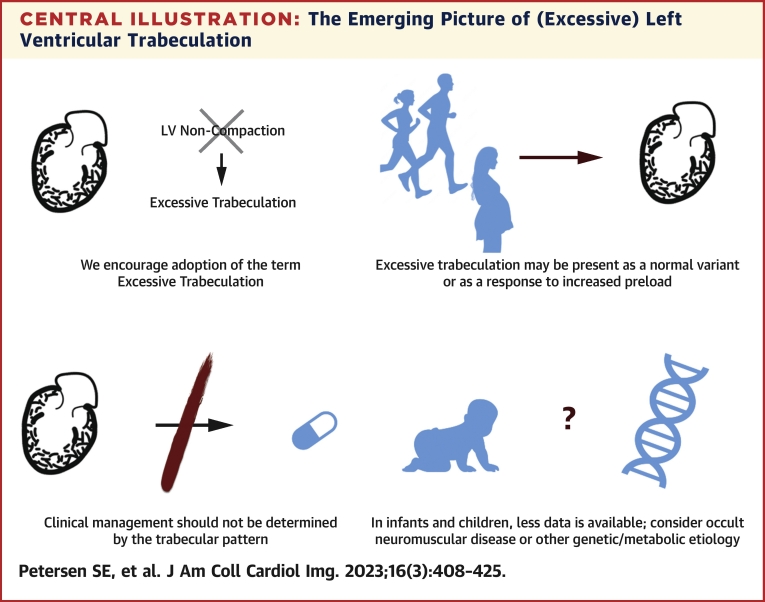
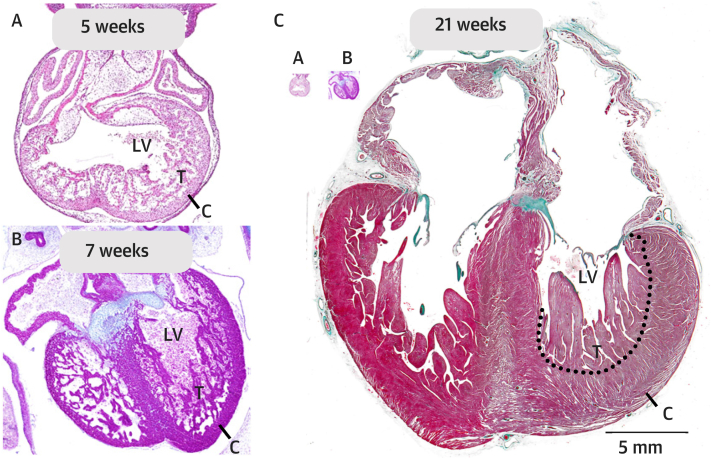
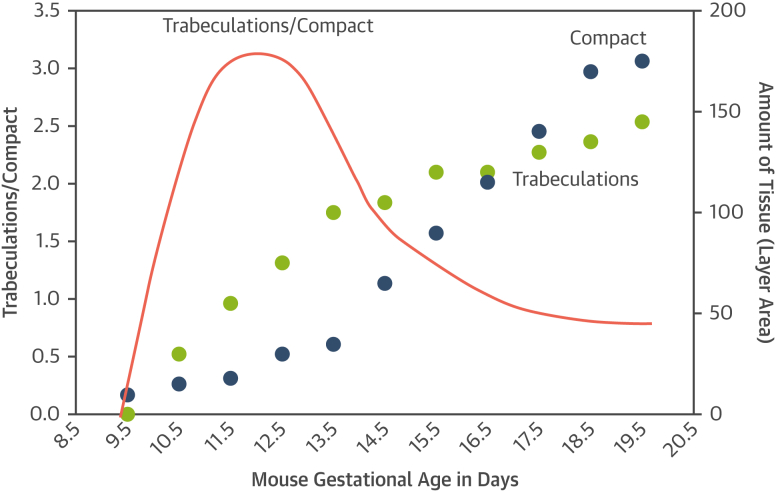
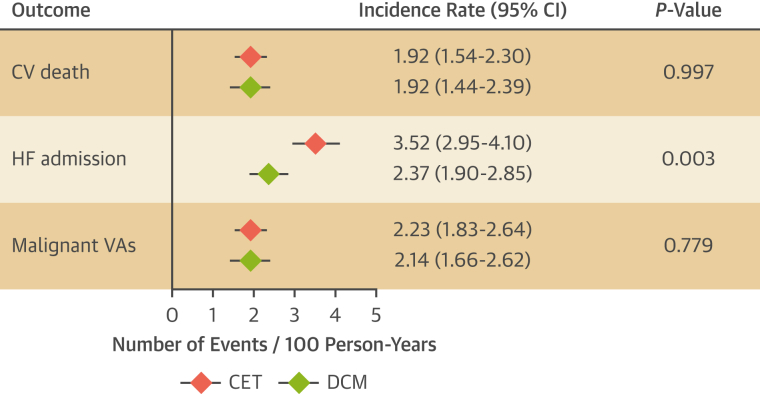
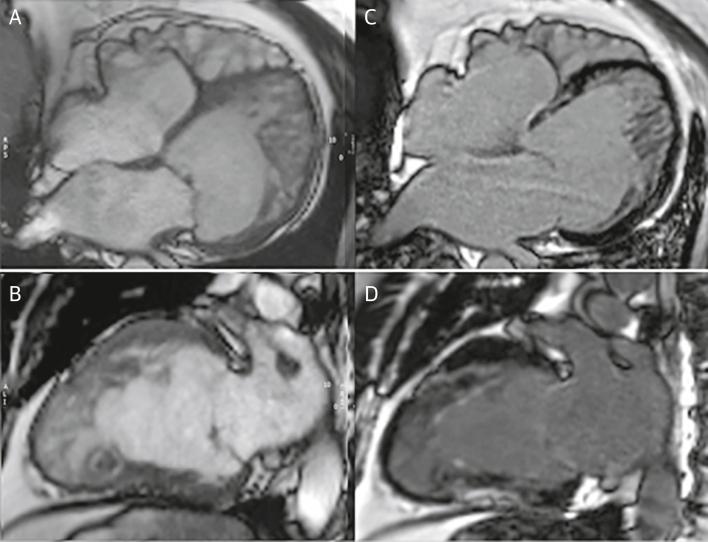
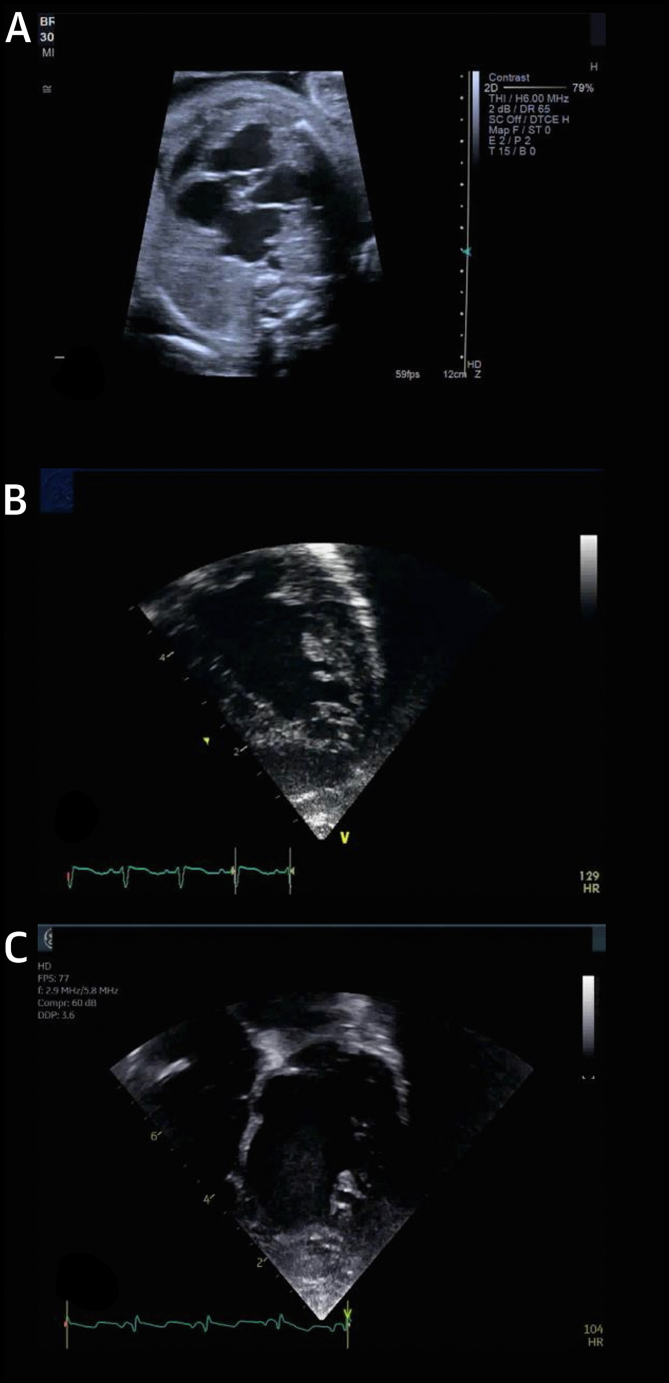
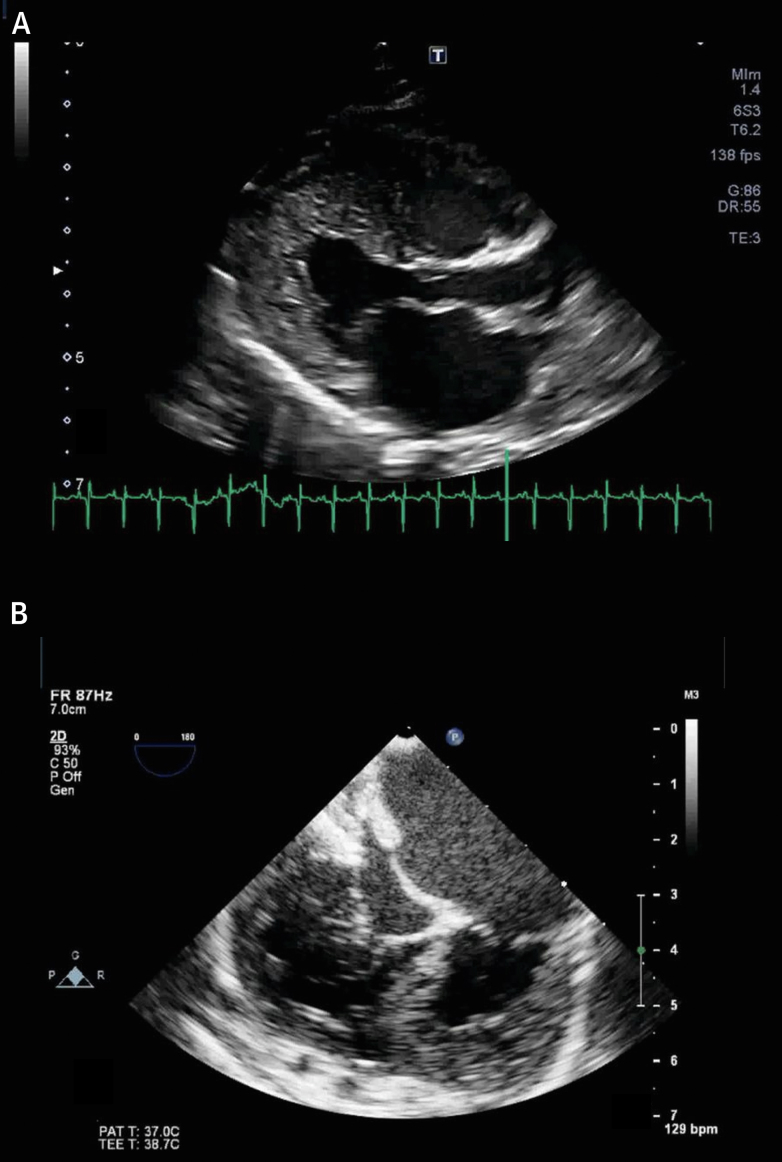
Excessive trabeculation, often referred to as "noncompacted" myocardium, has been described at all ages, from the fetus to the adult. Current evidence for myocardial development, however, does not support the formation of compact myocardium from noncompacted myocardium, nor the arrest of this process to result in so-called noncompaction. Excessive trabeculation is frequently observed by imaging studies in healthy individuals, as well as in association with pregnancy, athletic activity, and with cardiac diseases of inherited, acquired, developmental, or congenital origins. Adults with incidentally noted excessive trabeculation frequently require no further follow-up based on trabecular pattern alone. Patients with cardiomyopathy and excessive trabeculation are managed by cardiovascular symptoms rather than the trabecular pattern. To date, the prognostic role of excessive trabeculation in adults has not been shown to be independent of other myocardial disease. In neonates and children with excessive trabeculation and normal or abnormal function, clinical caution seems warranted because of the reported association with genetic and neuromuscular disorders. This report summarizes the evidence concerning the etiology, pathophysiology, and clinical relevance of excessive trabeculation. Gaps in current knowledge of the clinical relevance of excessive trabeculation are indicated, with priorities suggested for future research and improved diagnosis in adults and children.
心肌小梁过度增生,通常被称为“非致密化心肌”,可发生于各个年龄段,从胎儿到成人。然而,目前关于心肌发育的证据并不支持由非致密化心肌形成致密化心肌,也不支持这一过程的停滞导致所谓的非致密化心肌。在影像学研究中,在健康个体以及与妊娠、运动活动以及遗传性、获得性、发育性或先天性心脏疾病相关时,经常观察到心肌小梁过度增生。单纯基于小梁模式,偶然发现心肌小梁过度增生的成年人通常不需要进一步随访。心肌小梁过度增生和心肌病患者的治疗依据是心血管症状,而不是小梁模式。迄今为止,在成年人中,心肌小梁过度增生的预后作用尚未被证明独立于其他心肌疾病。对于心肌小梁过度增生且功能正常或异常的新生儿和儿童,鉴于其与遗传和神经肌肉疾病的相关性,临床应保持谨慎。本报告总结了心肌小梁过度增生的病因、病理生理学和临床相关性的证据。指出了目前对心肌小梁过度增生临床相关性的认识存在空白,并为未来的研究和成人及儿童的改进诊断提出了优先事项。