Department of General Surgery, The Second Xiangya Hospital, Central South University, No.139, Renmin Central Road, Changsha, 410011, China.
Department of General Surgery, Xiangya Hospital, Central South University, Changsha, China.
Breast Cancer Res. 2023 Feb 10;25(1):19. doi: 10.1186/s13058-022-01598-w.
Chemotherapy is an important strategy for the treatment of hormone receptor-positive/human epidermal growth factor receptor 2-negative (HR+HER2-) breast cancer (BC), but this subtype has a low response rate to chemotherapy. Growing evidence indicates that N-methyladenosine (mA) is the most common RNA modification in eukaryotic cells and that methyltransferase-like 3 (METTL3) participates in tumour progression in several cancer types. Therefore, exploring the function of METTL3 in HR+HER2- BC initiation and development is still important.
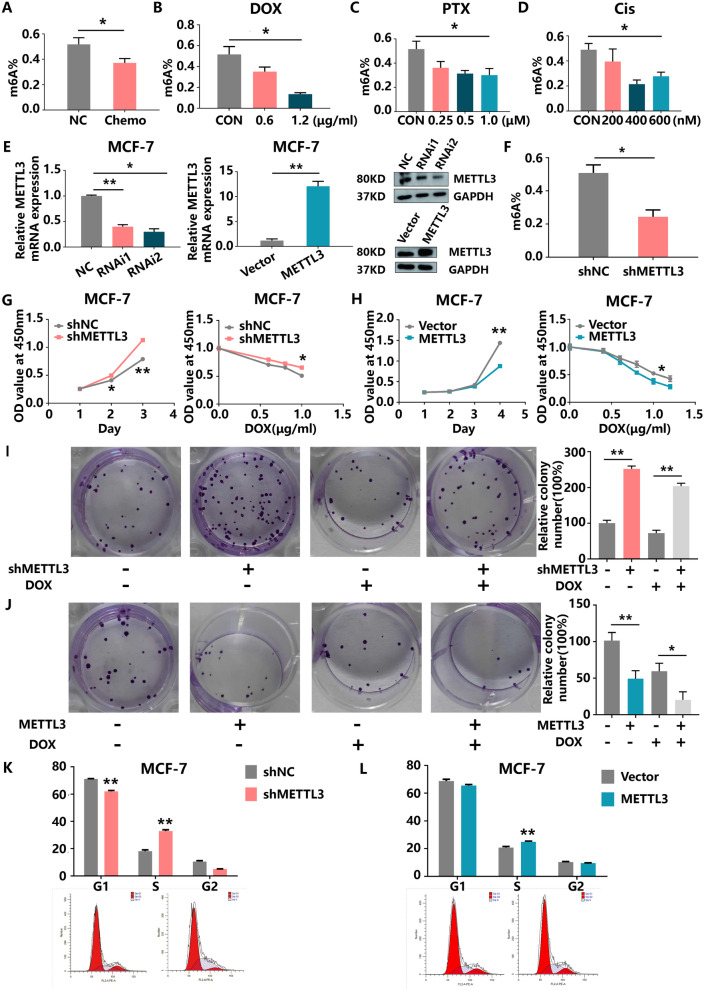
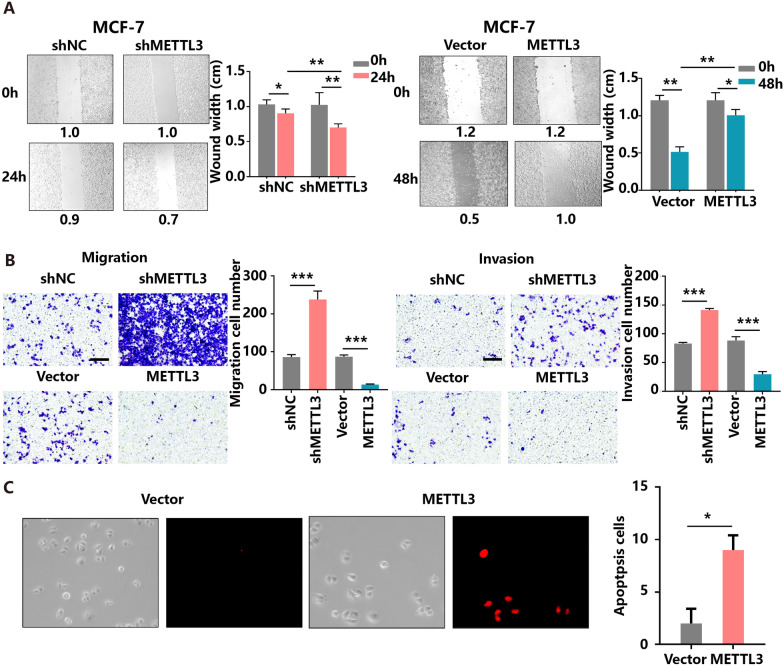
mRNA and protein expression levels were analysed by quantitative real-time polymerase chain reaction and western blotting, respectively. Cell proliferation was detected by CCK-8 and colony formation assays. Cell cycle progression was assessed by flow cytometry. Cell migration and invasion were analysed by wound healing assays and transwell assays, respectively, and apoptosis was analysed by TUNEL assays. Finally, mA modification was analysed by methylated RNA immunoprecipitation.
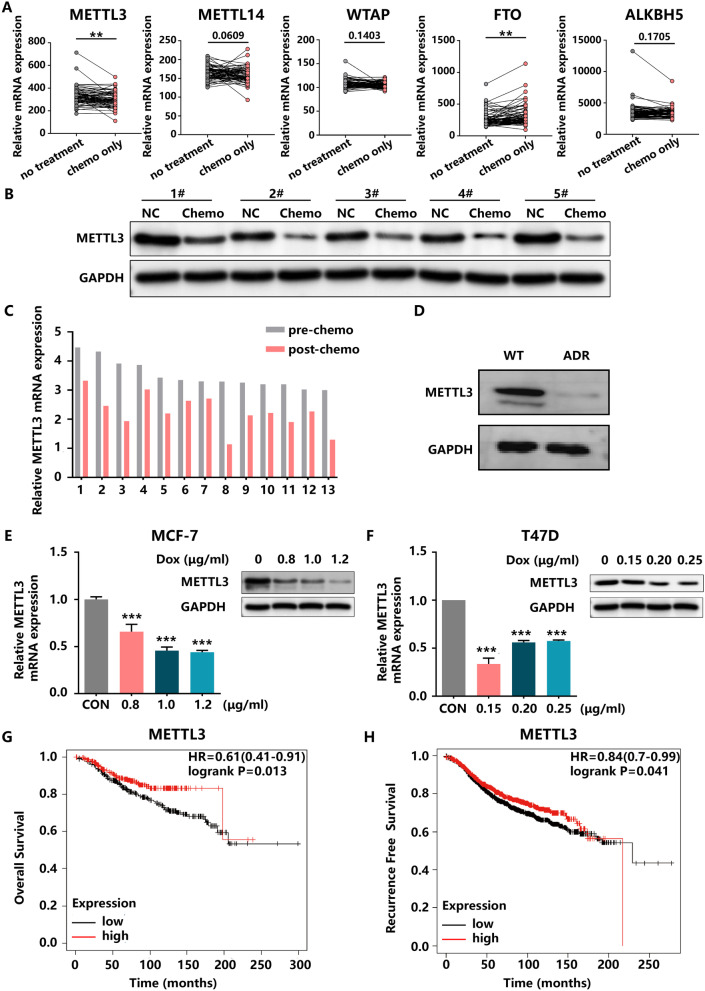
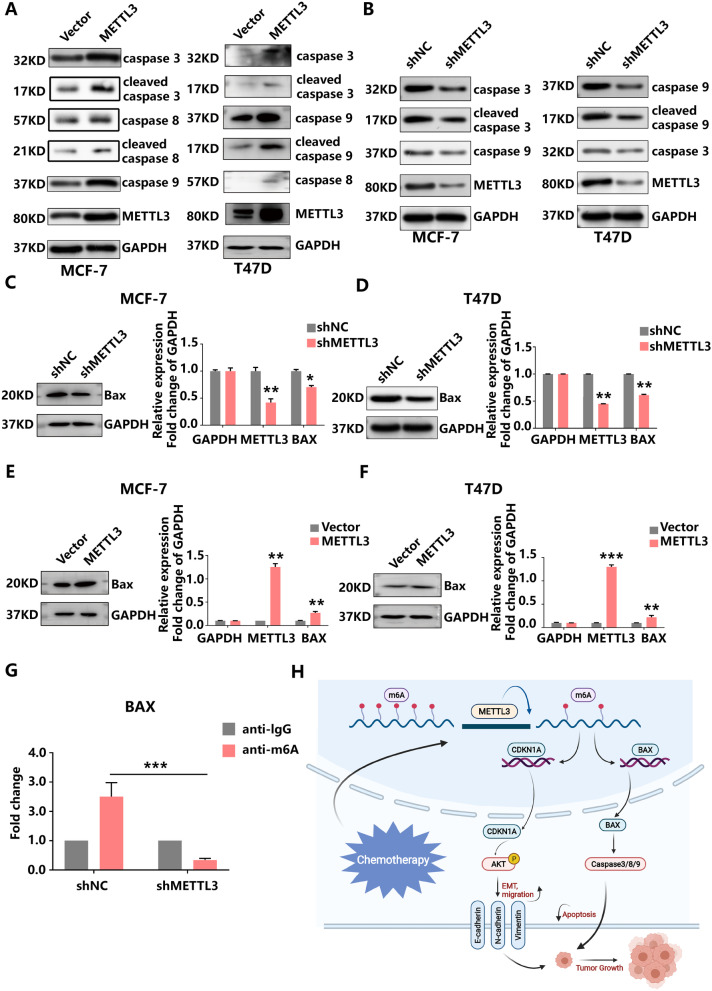
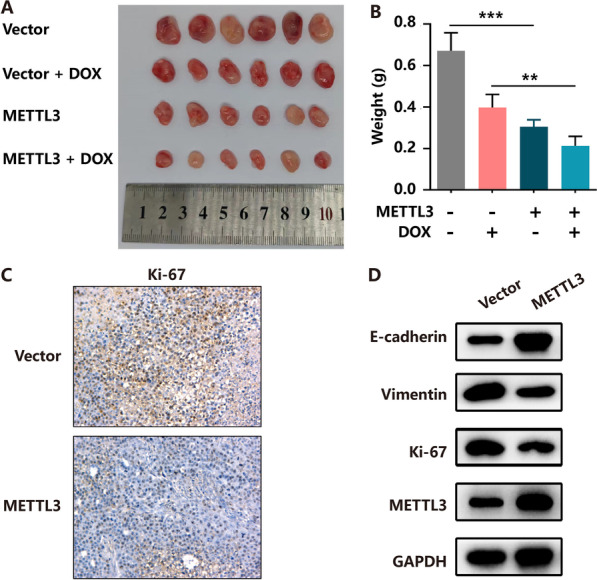
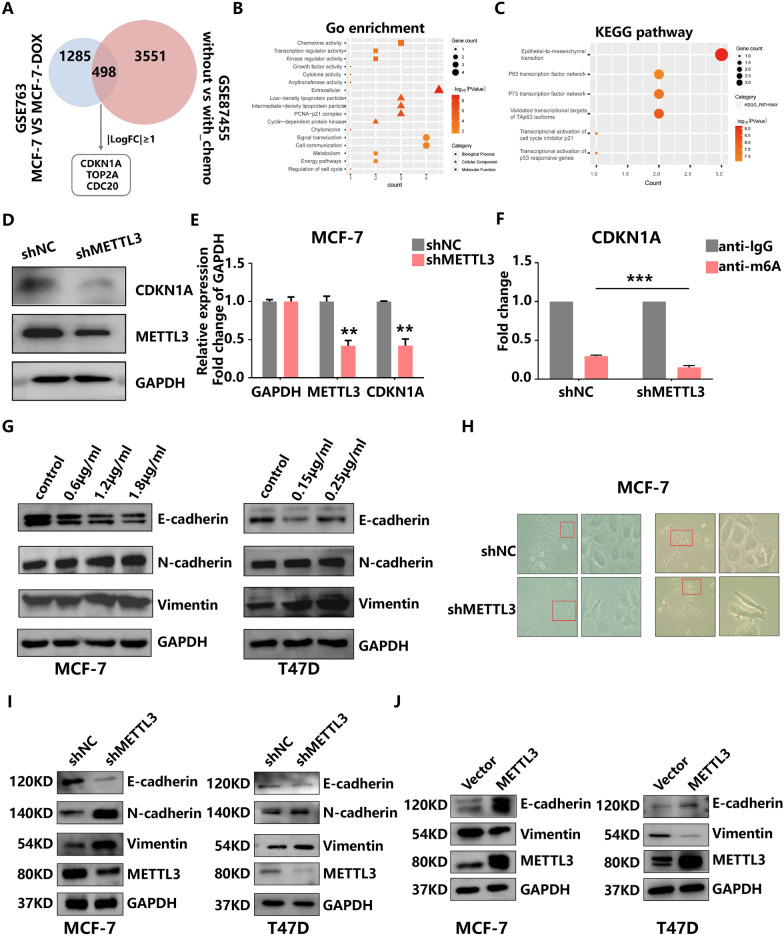
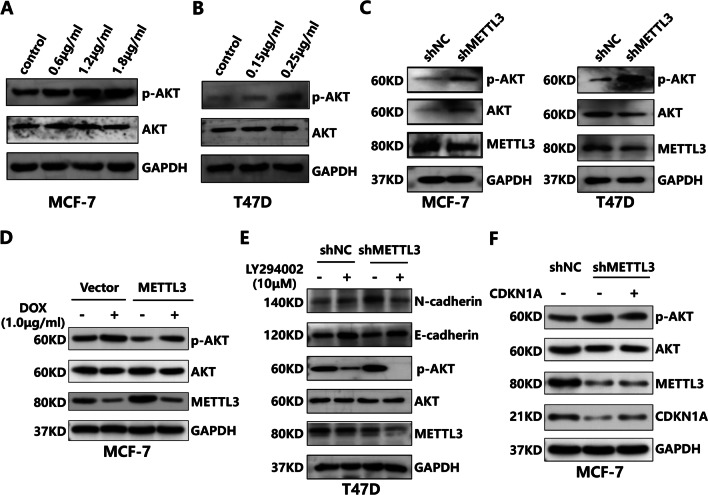
Chemotherapy-induced downregulation of the mA modification is regulated by METTL3 depletion in HR+HER2- BC. METTL3 knockdown in MCF-7/T47D cells decreased the drug sensitivity of HR+HER2- BC cells by promoting tumour proliferation and migration and inhibiting apoptosis. Mechanistically, CDKN1A is a downstream target of METTL3 that activates the AKT pathway and promotes epithelial-mesenchymal transformation (EMT). Moreover, a decrease in BAX expression was observed when mA modification was inhibited with METTL3 knockdown, and apoptosis was inhibited by the reduction of caspase-3/-9/-8.
METTL3 depletion promotes the proliferation and migration and decreases the drug sensitivity of HR+HER2- BC via regulation of the CDKN1A/EMT and mA-BAX/caspase-9/-3/-8 signalling pathways, which suggests METTL3 played a tumour-suppressor role and it could be a potential biomarker for predicting the prognosis of patients with HR+HER2- BC.
化疗是治疗激素受体阳性/人表皮生长因子受体 2 阴性(HR+HER2-)乳腺癌(BC)的重要策略,但这种亚型对化疗的反应率较低。越来越多的证据表明,N6-甲基腺苷(m6A)是真核细胞中最常见的 RNA 修饰,甲基转移酶样 3(METTL3)参与多种癌症类型的肿瘤进展。因此,探索 METTL3 在 HR+HER2- BC 发生和发展中的功能仍然很重要。
通过实时定量聚合酶链反应和 Western blot 分别分析 mRNA 和蛋白质表达水平。通过 CCK-8 和集落形成实验检测细胞增殖。通过流式细胞术评估细胞周期进程。通过划痕愈合实验和 Transwell 实验分别分析细胞迁移和侵袭,通过 TUNEL 实验分析细胞凋亡。最后,通过甲基化 RNA 免疫沉淀分析 mA 修饰。
化疗诱导的 mA 修饰下调受 HR+HER2- BC 中 METTL3 耗竭的调节。在 MCF-7/T47D 细胞中敲低 METTL3 可通过促进肿瘤增殖和迁移以及抑制凋亡来降低 HR+HER2- BC 细胞的药物敏感性。在机制上,CDKN1A 是 METTL3 的下游靶标,可激活 AKT 通路并促进上皮间质转化(EMT)。此外,当用 METTL3 敲低抑制 mA 修饰时,观察到 BAX 表达减少,并且 caspase-3/-9/-8 的减少抑制了细胞凋亡。
METTL3 耗竭通过调节 CDKN1A/EMT 和 mA-BAX/caspase-9/-3/-8 信号通路促进 HR+HER2- BC 的增殖和迁移并降低其药物敏感性,这表明 METTL3 发挥了肿瘤抑制作用,它可能是预测 HR+HER2- BC 患者预后的潜在生物标志物。