Faculty of Society and Design, Bond University, Gold Coast 4226, Australia.
Faculty of Health, Southern Cross University, Gold Coast 4225, Australia.
Int J Environ Res Public Health. 2023 Jan 21;20(3):2011. doi: 10.3390/ijerph20032011.
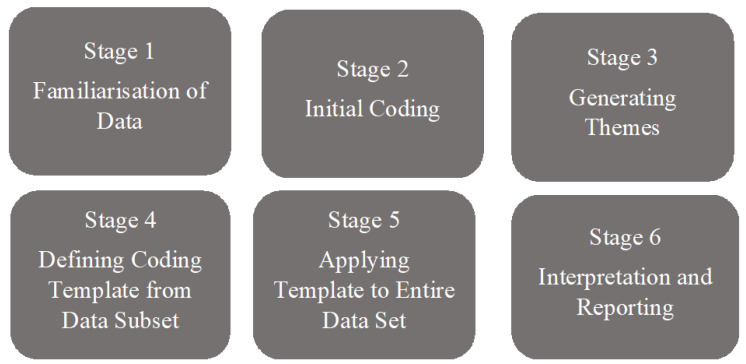
Epidemiological and intervention studies in nutritional psychiatry suggest that the risk of mood disorders is associated with what we eat. However, few studies use a person-centred approach to explore the food and mood relationship. In this qualitative study of 50 Australian participants, we explored individuals' experiences with food and mood as revealed during focus group discussions. Using a thematic template analysis, we identified three themes in the food and mood relationship: (i) , (ii) , and (iii) . Participants suggested that nutrients, food components or food patterns may not be the only way that food impacts mood. Rather, they described the social context of who, with, and where food is eaten, and that time, finances, and access to healthy fresh foods and bittersweet memories of foods shared with loved ones all impacted their mood. Findings suggest that quantitative studies examining the links between diet and mood should look beyond nutritional factors and give increased attention to the cultural, social, economic, and identity aspects of diet.
营养精神病学的流行病学和干预研究表明,情绪障碍的风险与我们所吃的食物有关。然而,很少有研究采用以个体为中心的方法来探索食物和情绪之间的关系。在这项对 50 名澳大利亚参与者的定性研究中,我们通过焦点小组讨论探讨了个体在食物和情绪方面的体验。通过主题模板分析,我们确定了食物和情绪关系中的三个主题:(i) ,(ii) ,和 (iii) 。参与者认为,营养素、食物成分或食物模式可能不是食物影响情绪的唯一途径。相反,他们描述了食物的社会背景,包括与谁一起吃、在哪里吃,以及时间、财务、获得健康新鲜食物的机会以及与所爱的人分享食物的酸甜苦辣的回忆,这些都影响了他们的情绪。研究结果表明,定量研究饮食与情绪之间的联系时,不应仅关注营养因素,而应更加关注饮食的文化、社会、经济和身份方面。