Wilk Kevin, Thomas Zachary M, Arrigo Christopher A, Davies George J
Vice President National Director Clinical Education & Research Champion Sports Medicine, Select Medical.
Director of Rehabilitative Research American Sports Medicine Institute.
Int J Sports Phys Ther. 2023 Feb 1;18(1):272-281. doi: 10.26603/001c.67988. eCollection 2023.
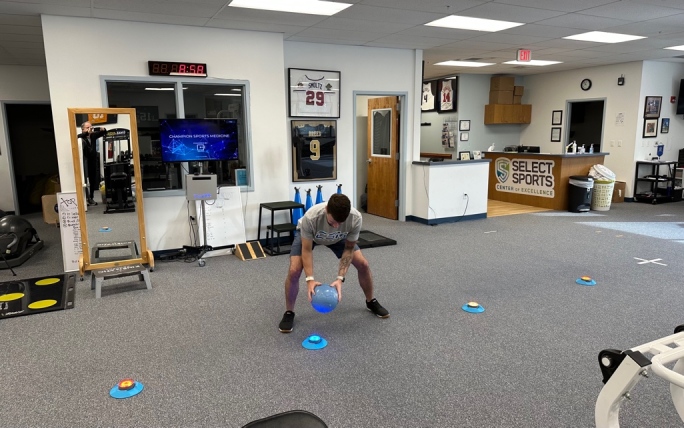
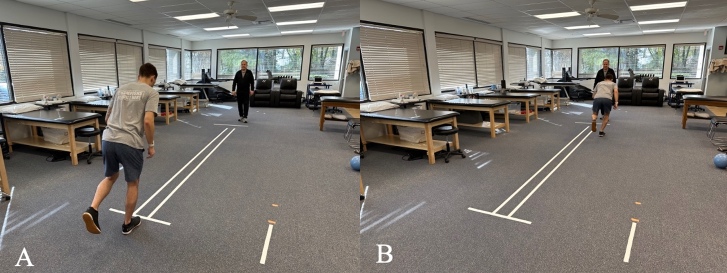
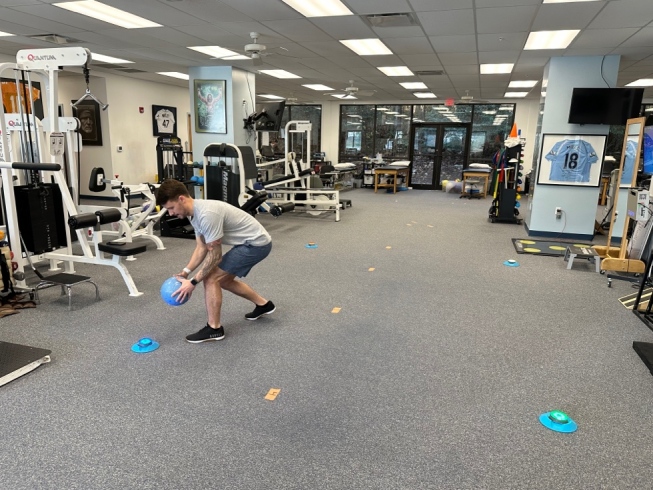
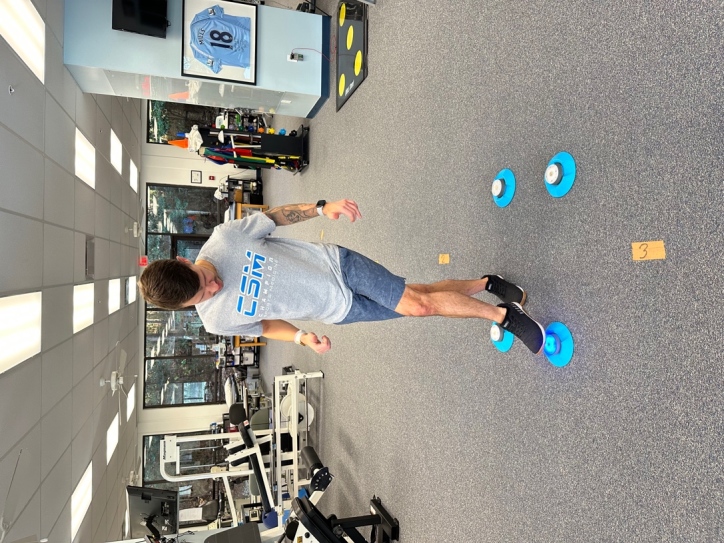
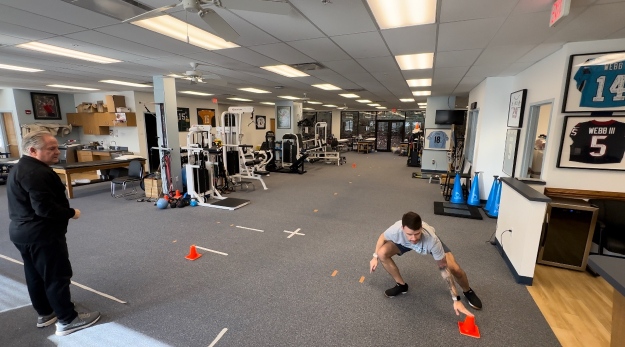
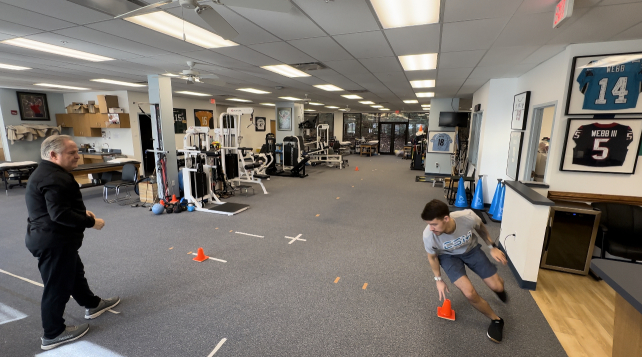
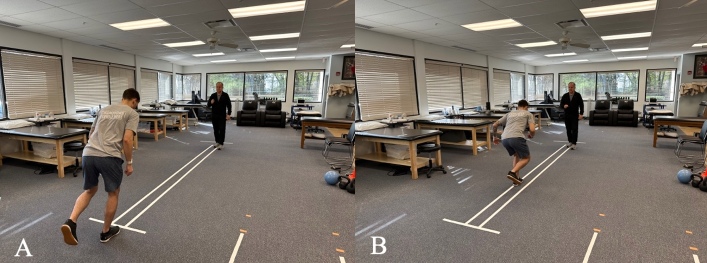
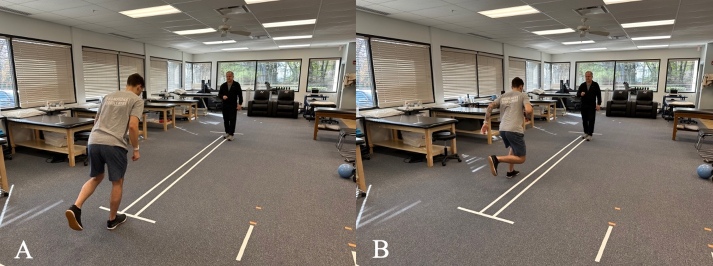
The incidence of knee injuries in sport, particularly involving the ACL, appears to be increasing yearly, especially in younger age athletes. Even more concerning is the frequency of ACL reinjury also appears to be increasing year after year. Improving the objective criteria and testing methods used to determine return to play (RTP) readiness following ACL surgery is one aspect of the rehabilitation process that can significantly help in reducing reinjury rates. Currently, the majority of clinicians are still using post operative time frames as their number one criterion for clearance to RTP. This flawed method demonstrates an inadequate reflection of the true unpredictable, dynamic environment athletes are returning to participate in. In our clinical experience, objective testing to allow for clearance to sport participation following an ACL injury should incorporate neurocognitive and reactive testing due to the nature of the injury typically occurs because of failed control of unanticipated reactive movements. The purpose of this manuscript is to share a neurocognitive testing sequence we currently employ consisting of 8 tests in 3 categories: Blazepod tests, reactive shuttle run tests, and reactive hop tests. The use of a more dynamic reactive testing battery may decrease the reinjury rates when an athlete is cleared for participation by measuring readiness in chaotic circumstances that are more truly reflective of the sporting environment the athlete is working to return to and in the process give them a greater sense of confidence.
运动中膝关节损伤的发生率,尤其是涉及前交叉韧带(ACL)的损伤,似乎每年都在上升,在年轻运动员中尤为明显。更令人担忧的是,ACL再次损伤的频率似乎也逐年增加。改善用于确定ACL手术后恢复运动(RTP)准备情况的客观标准和测试方法,是康复过程的一个方面,可显著有助于降低再次损伤率。目前,大多数临床医生仍将术后时间框架作为RTP许可的首要标准。这种有缺陷的方法无法充分反映运动员回归参与的真实不可预测的动态环境。根据我们的临床经验,由于ACL损伤通常是由于对意外反应性动作控制失败所致,因此在ACL损伤后允许运动员参加运动的客观测试应纳入神经认知和反应性测试。本文的目的是分享我们目前采用的神经认知测试序列,该序列由3类共8项测试组成:Blazepod测试、反应性穿梭跑测试和反应性单腿跳测试。当运动员被允许参赛时,使用更具动态性的反应性测试组合,通过测量在更真实反映运动员努力回归的运动环境的混乱情况下的准备情况,可能会降低再次损伤率,并在此过程中给他们更大的信心。