Department of Biochemistry, Max Planck Institute for Chemical Ecology, Jena, Germany.
Max Planck Center for next Generation Insect Chemical Ecology (nGICE), Department of Biology, Lund University, Lund, Sweden.
PLoS Biol. 2023 Feb 21;21(2):e3001887. doi: 10.1371/journal.pbio.3001887. eCollection 2023 Feb.
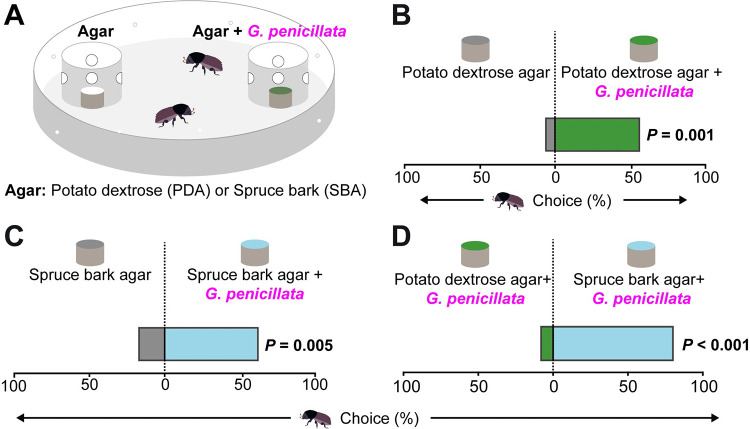
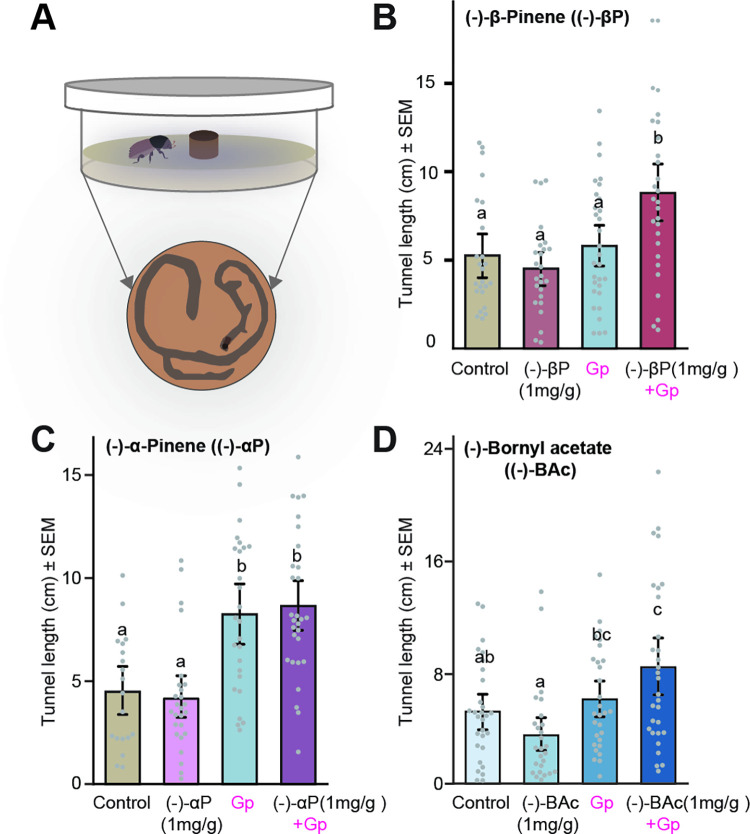
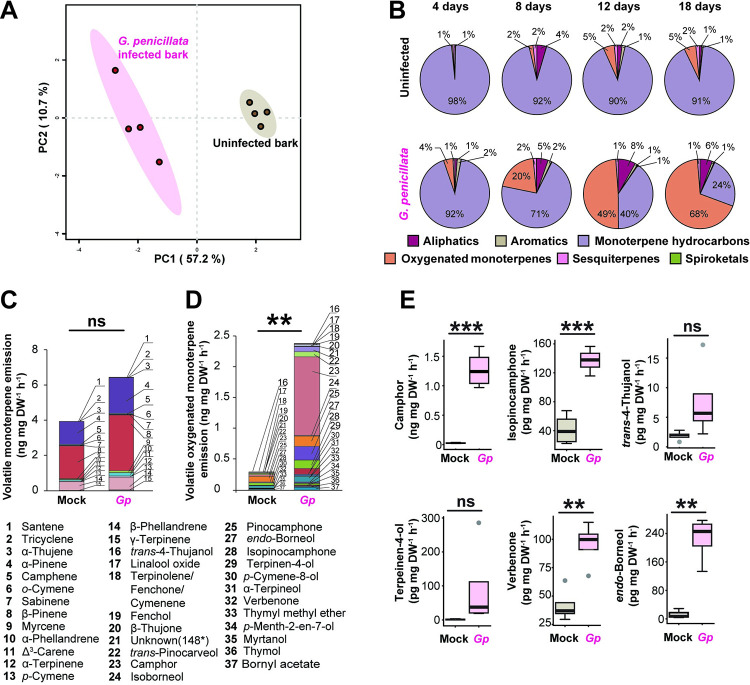
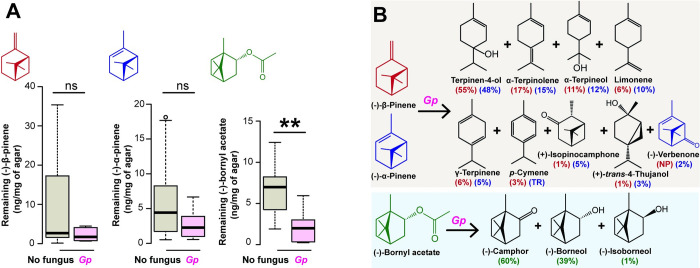
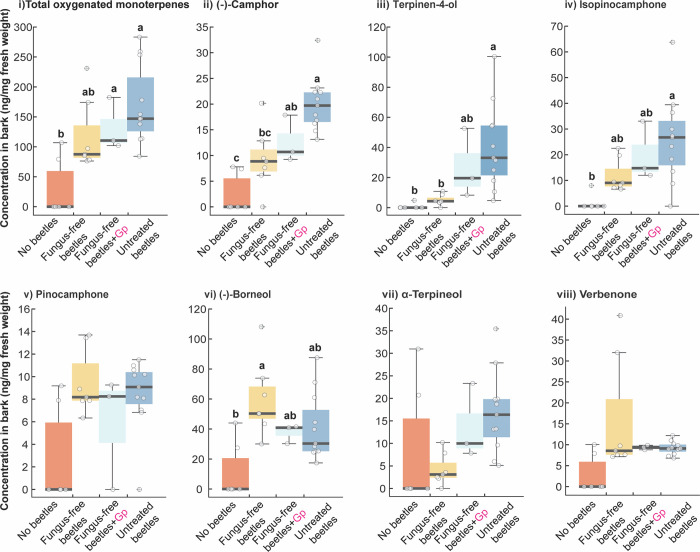
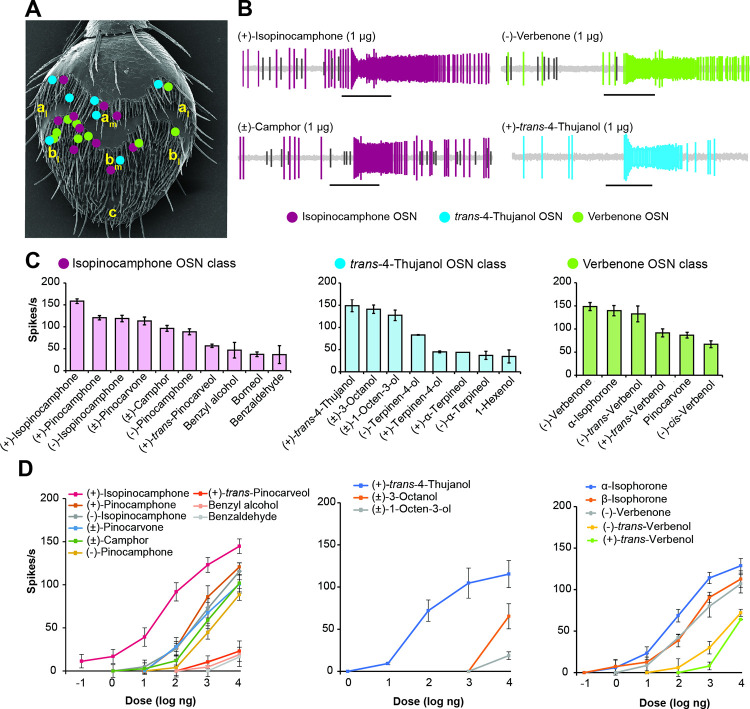
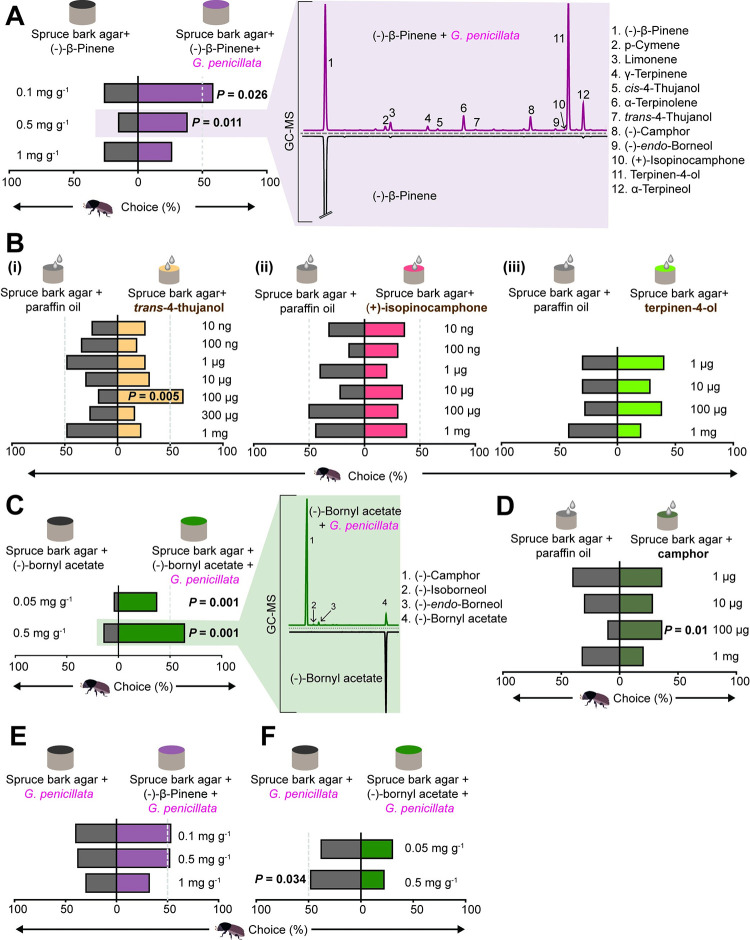
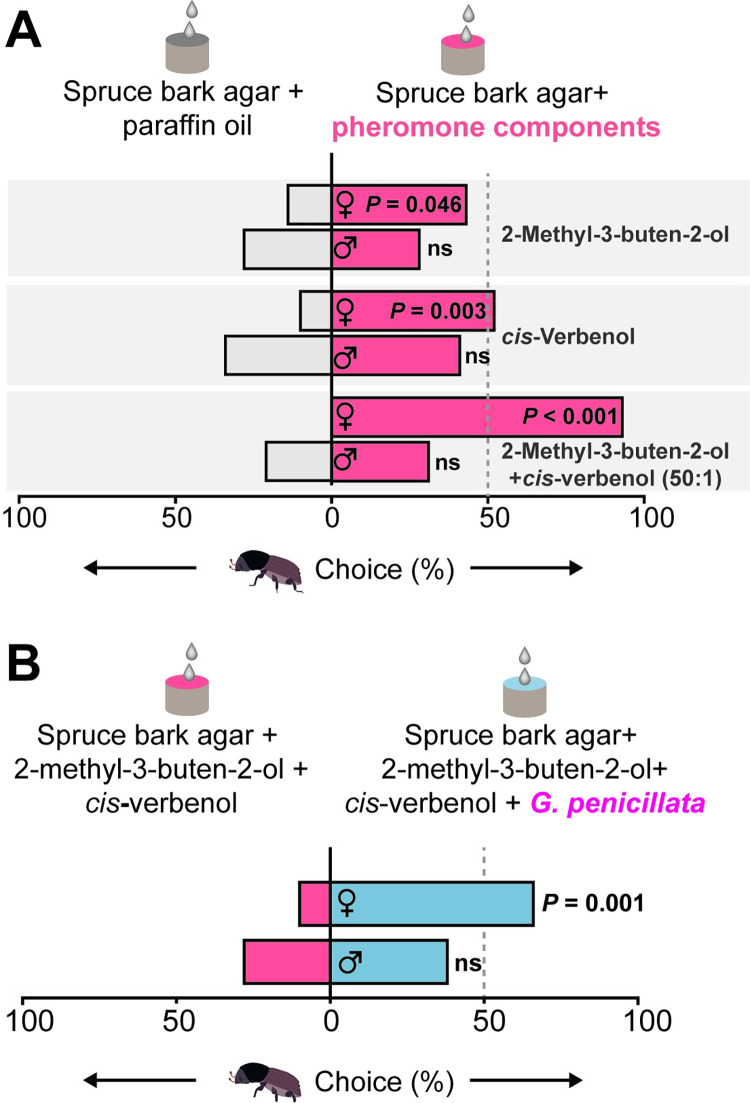
Outbreaks of the Eurasian spruce bark beetle (Ips typographus) have decimated millions of hectares of conifer forests in Europe in recent years. The ability of these 4.0 to 5.5 mm long insects to kill mature trees over a short period has been sometimes ascribed to two main factors: (1) mass attacks on the host tree to overcome tree defenses and (2) the presence of fungal symbionts that support successful beetle development in the tree. While the role of pheromones in coordinating mass attacks has been well studied, the role of chemical communication in maintaining the fungal symbiosis is poorly understood. Previous evidence indicates that I. typographus can distinguish fungal symbionts of the genera Grosmannia, Endoconidiophora, and Ophiostoma by their de novo synthesized volatile compounds. Here, we hypothesize that the fungal symbionts of this bark beetle species metabolize spruce resin monoterpenes of the beetle's host tree, Norway spruce (Picea abies), and that the volatile products are used as cues by beetles for locating breeding sites with beneficial symbionts. We show that Grosmannia penicillata and other fungal symbionts alter the profile of spruce bark volatiles by converting the major monoterpenes into an attractive blend of oxygenated derivatives. Bornyl acetate was metabolized to camphor, and α- and β-pinene to trans-4-thujanol and other oxygenated products. Electrophysiological measurements showed that I. typographus possesses dedicated olfactory sensory neurons for oxygenated metabolites. Both camphor and trans-4-thujanol attracted beetles at specific doses in walking olfactometer experiments, and the presence of symbiotic fungi enhanced attraction of females to pheromones. Another co-occurring nonbeneficial fungus (Trichoderma sp.) also produced oxygenated monoterpenes, but these were not attractive to I. typographus. Finally, we show that colonization of fungal symbionts on spruce bark diet stimulated beetles to make tunnels into the diet. Collectively, our study suggests that the blends of oxygenated metabolites of conifer monoterpenes produced by fungal symbionts are used by walking bark beetles as attractive or repellent cues to locate breeding or feeding sites containing beneficial microbial symbionts. The oxygenated metabolites may aid beetles in assessing the presence of the fungus, the defense status of the host tree and the density of conspecifics at potential feeding and breeding sites.
近年来,在欧洲,欧亚云杉树皮甲虫(Ips typographus)的爆发已经使数百万公顷的针叶林遭受了严重破坏。这些 4.0 到 5.5 毫米长的昆虫能够在短时间内杀死成熟的树木,这主要归因于两个因素:(1)对宿主树的大规模攻击以克服树木防御;(2)存在真菌共生体,这些共生体支持甲虫在树内成功发育。虽然信息素在协调大规模攻击中的作用已得到充分研究,但化学通讯在维持真菌共生关系中的作用却知之甚少。先前的证据表明,I. typographus 可以通过其从头合成的挥发性化合物来区分 Grosmannia、Endoconidiophora 和 Ophiostoma 属的真菌共生体。在这里,我们假设该树皮甲虫物种的真菌共生体代谢其宿主树挪威云杉(Picea abies)的树脂单萜,并且挥发性产物被甲虫用作定位具有有益共生体的繁殖地的线索。我们表明 Grosmannia penicillata 和其他真菌共生体通过将主要的单萜转化为有吸引力的含氧衍生物混合物来改变云杉树皮挥发物的特征。莰烯乙酸酯被代谢为樟脑,α-和β-蒎烯转化为反式-4-松醇和其他含氧产物。电生理测量表明,I. typographus 拥有专门的嗅觉感觉神经元来感应含氧代谢物。在步行嗅觉计实验中,樟脑和反式-4-松醇在特定剂量下都吸引了甲虫,而共生真菌的存在增强了雌性对信息素的吸引力。另一种同时存在的非有益真菌( Trichoderma sp.)也产生了含氧单萜,但这些对 I. typographus 没有吸引力。最后,我们表明,真菌共生体在云杉树皮饮食上的定植刺激甲虫在饮食中挖掘隧道。总的来说,我们的研究表明,针叶树单萜产生的含氧代谢物混合物被步行树皮甲虫用作有吸引力或排斥的线索,以定位含有有益微生物共生体的繁殖或取食场所。含氧代谢物可能有助于甲虫评估真菌的存在、宿主树的防御状态以及潜在取食和繁殖场所中同种甲虫的密度。