Al-Akashi Ziadoon, Zujur Denise, Kamiya Daisuke, Kato Tomohisa, Kondo Toru, Ikeya Makoto
Center for iPS Cell Research and Application (CiRA), Kyoto University, Kyoto, Japan.
Takeda-CiRA Joint Program, Fujisawa, Kanagawa, Japan.
Front Cell Dev Biol. 2023 Feb 6;11:1089945. doi: 10.3389/fcell.2023.1089945. eCollection 2023.
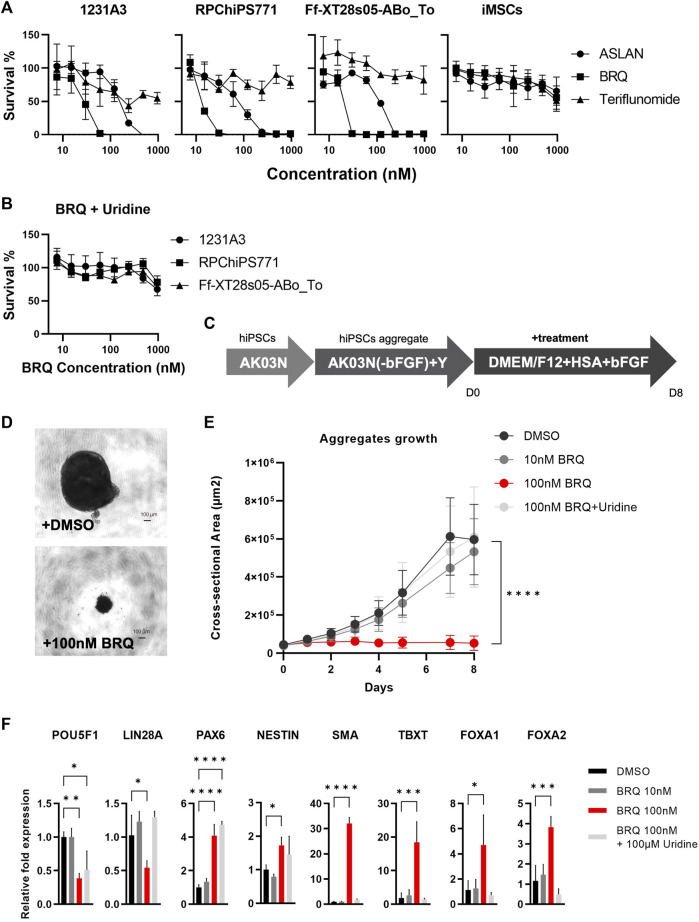
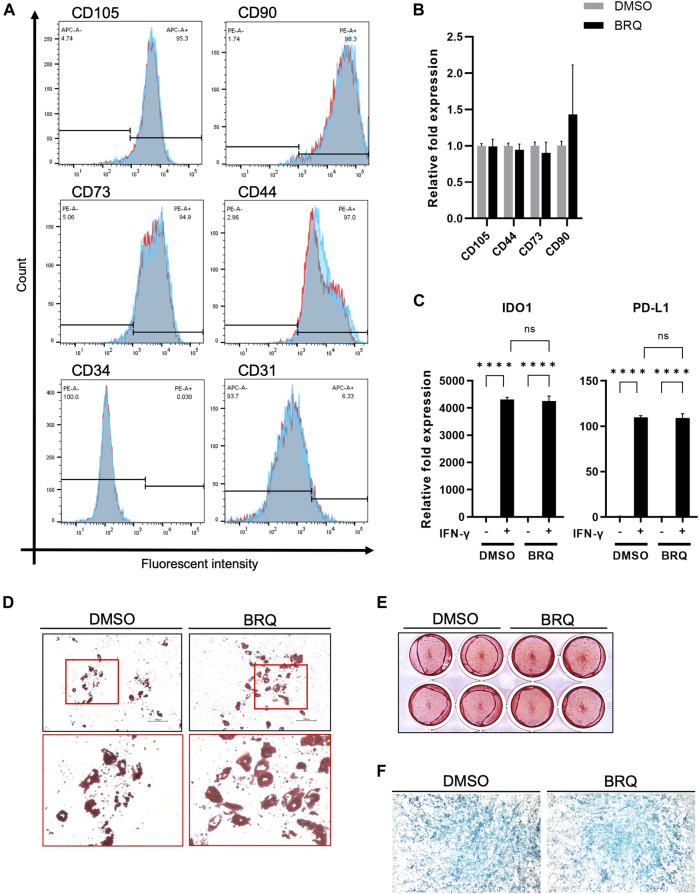
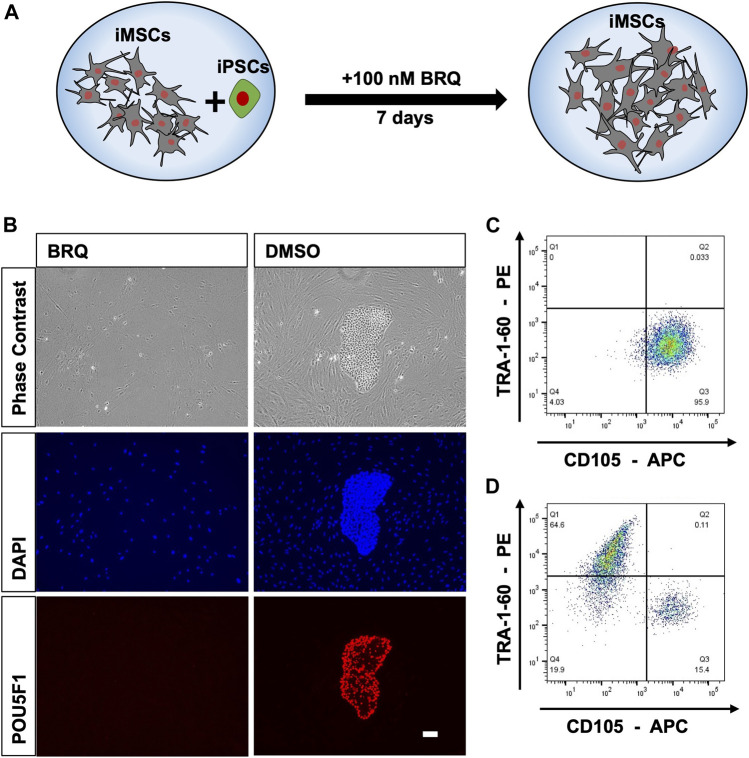
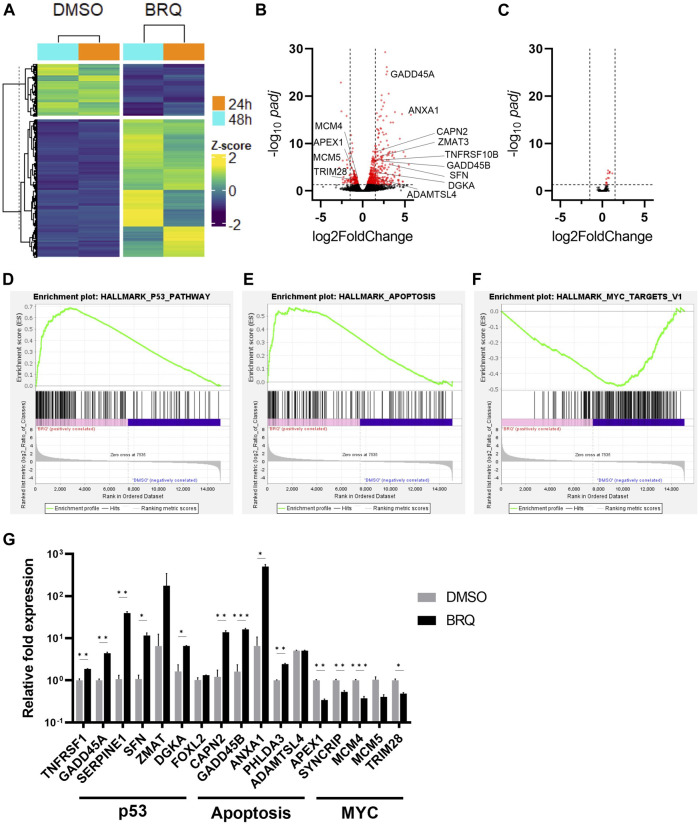
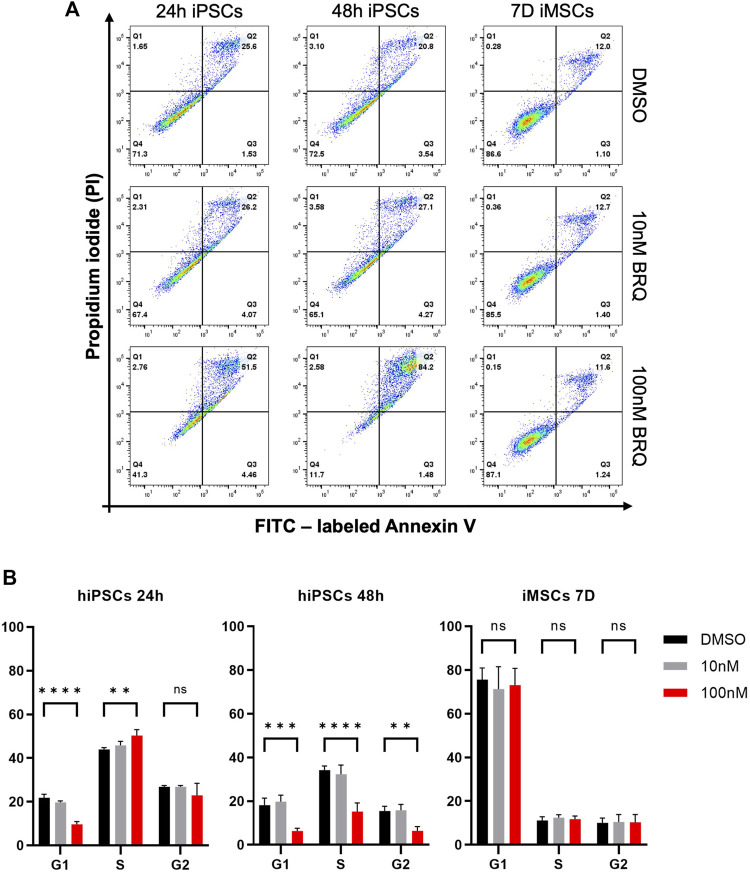
The use of induced mesenchymal stem/stromal cells (iMSCs) derived from human induced pluripotent stem cells (hiPSCs) in regenerative medicine involves the risk of teratoma formation due to hiPSCs contamination in iMSCs. Therefore, eradicating the remaining undifferentiated hiPSCs is crucial for the effectiveness of the strategy. The present study demonstrates the Brequinar (BRQ)-induced inhibition of dihydroorotate dehydrogenase (DHODH), a key enzyme in pyrimidine biosynthesis, selectively induces apoptosis, cell cycle arrest, and differentiation; furthermore, it promotes transcriptional changes and prevents the growth of 3-dimensional hiPSC aggregates. Contrastingly, BRQ-treated iMSCs showed no changes in survival, differentiation potential, or gene expression. The results suggest that BRQ is a potential agent for the effective purification of iMSCs from a mixed population of iMSCs and hiPSCs, which is a crucial step in successful iMSC-based therapy.
在再生医学中使用源自人诱导多能干细胞(hiPSC)的诱导间充质干细胞(iMSC),因iMSC中存在hiPSC污染而有形成畸胎瘤的风险。因此,消除剩余的未分化hiPSC对于该策略的有效性至关重要。本研究表明,布雷喹那(BRQ)诱导抑制二氢乳清酸脱氢酶(DHODH),这是嘧啶生物合成中的关键酶,可选择性诱导细胞凋亡、细胞周期停滞和分化;此外,它还能促进转录变化并阻止三维hiPSC聚集体的生长。相比之下,经BRQ处理的iMSC在存活率、分化潜能或基因表达方面没有变化。结果表明,BRQ是一种从iMSC和hiPSC混合群体中有效纯化iMSC的潜在药物,这是基于iMSC的成功治疗的关键步骤。