Yang Hong, Cui Ye, Zhu YuMing
Department of Hepatobiliary and Pancreatic Surgery, The Third Affiliated Hospital of Chongqing Medical University (Gener Hospital), Chongqing, China.
Beijing GAP BioTechnology, Beijing, China.
Front Genet. 2023 Feb 6;14:1117145. doi: 10.3389/fgene.2023.1117145. eCollection 2023.
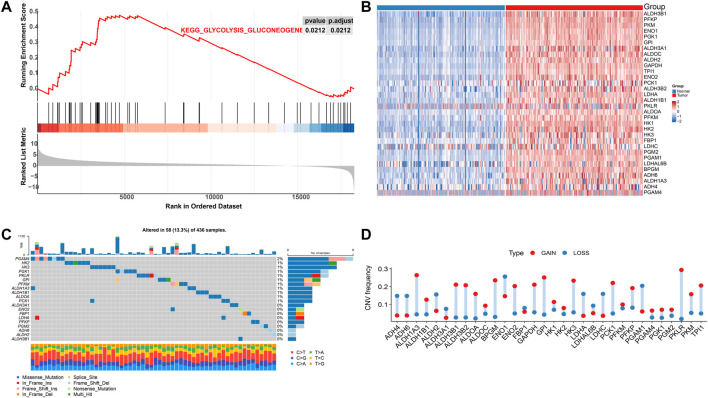
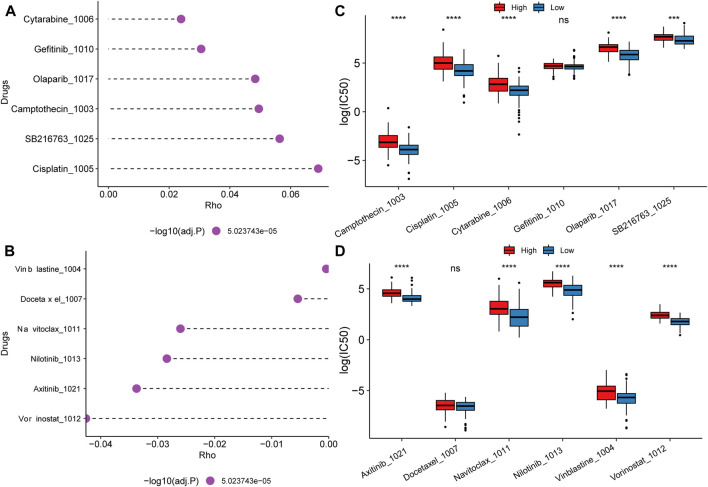
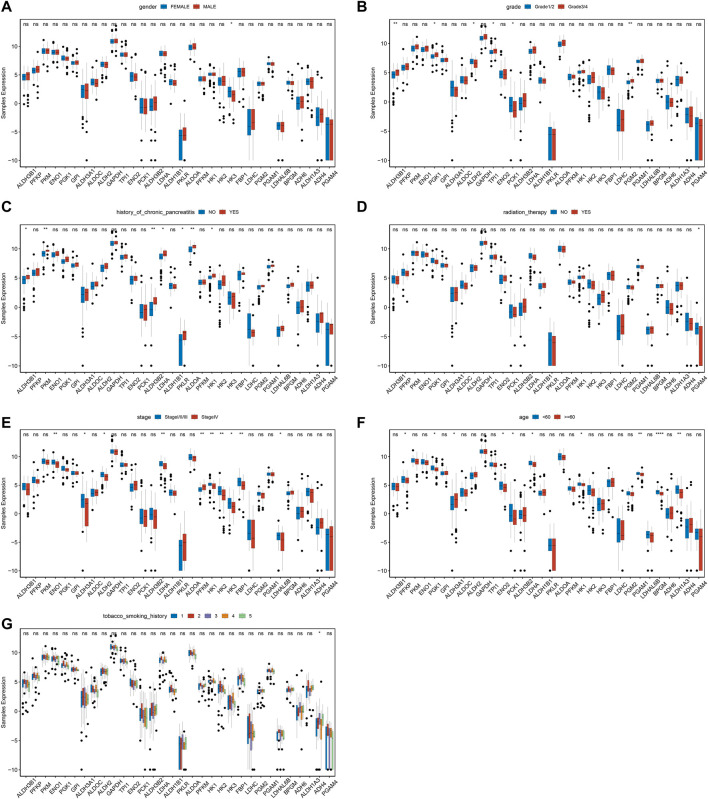
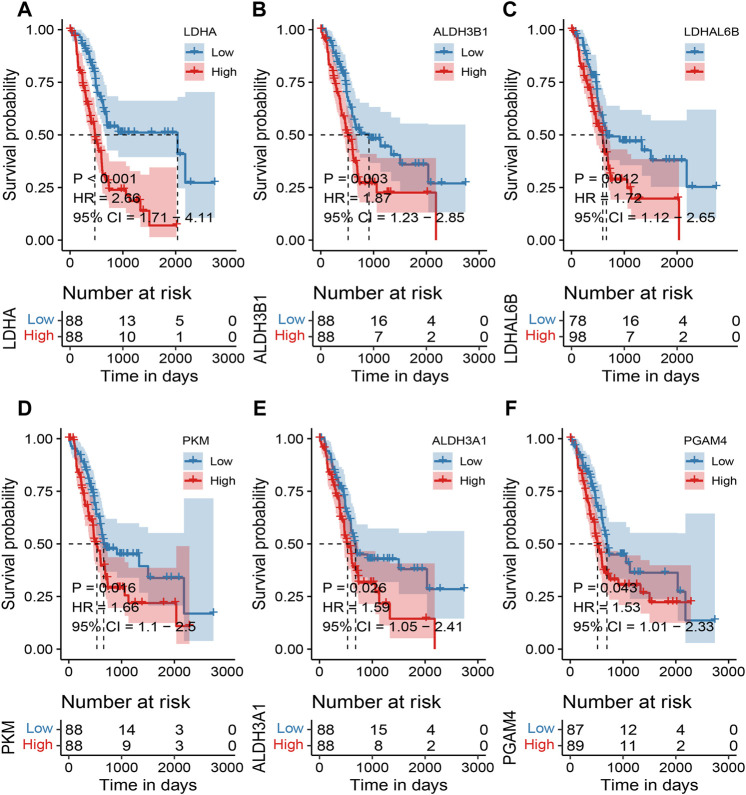
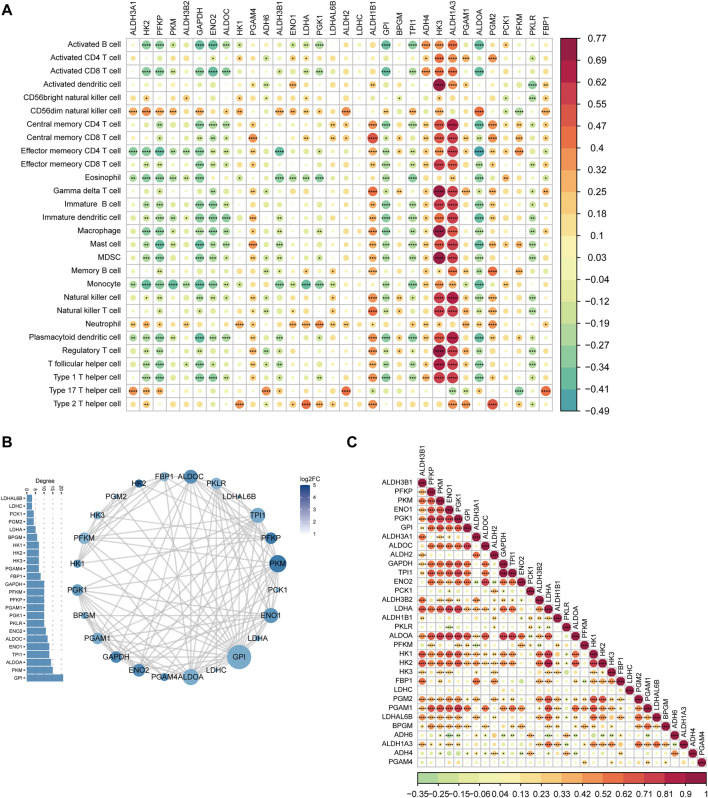
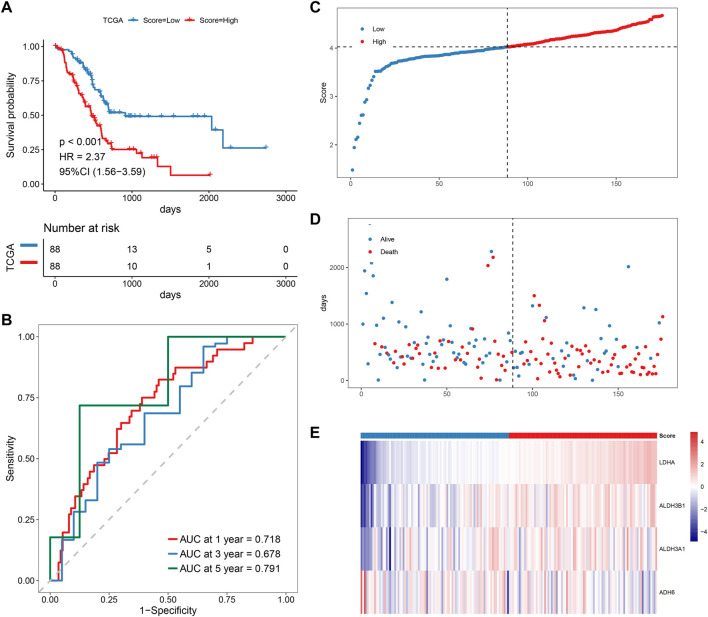
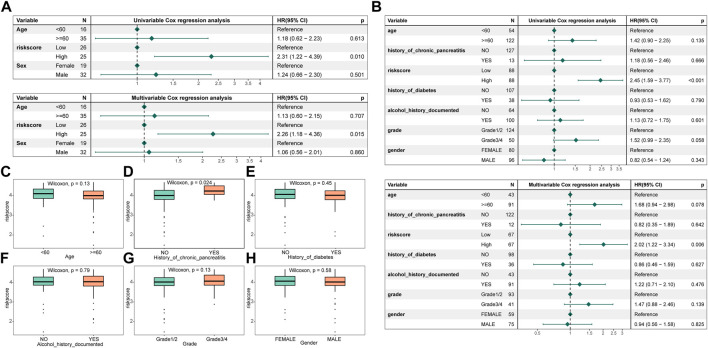
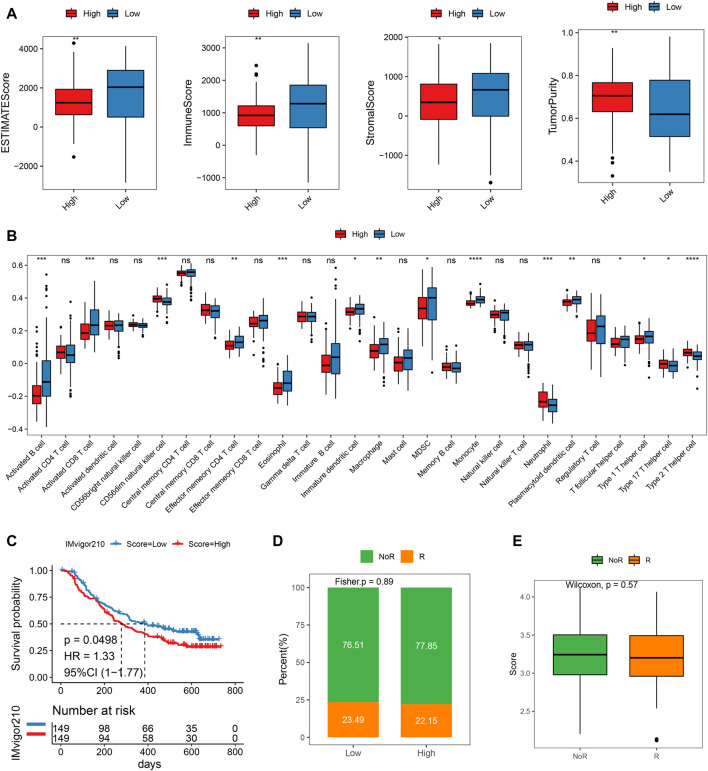
Pancreatic cancer (PAAD) is one of the most malignant tumors with the worst prognosis. The abnormalities in the mitochondrial energy metabolism pathway are intimately correlated with the occurrence and progression of cancer. For the diagnosis and treatment of pancreatic cancer, abnormal genes in the mitochondrial energy metabolism system may offer new targets and biomarkers. In this study, we compared the dysregulated mitochondrial energy metabolism-associated pathways in PAAD based on pancreatic cancer samples in the Cancer Genome Atlas (TCGA) database and normal pancreas samples from the Genotype Tissue Expression project (GTEx) database. Then identified 32 core genes of mitochondrial energy metabolism pathway-related genes (MMRG) were based on the gene set enrichment analysis (GSEA). We found most of these genes were altered among different clinical characteristic groups, and showed significant prognostic value and association with immune infiltration, suggesting critical roles of MMRG involve tumor genesis of PAAD. Therefore, we constructed a four-gene (LDHA, ALDH3B1, ALDH3A1, and ADH6) prognostic biomarker after eliminating redundant factors, and confirming its efficiency and independence. Further analysis indicated the potential therapeutic compounds based on the mitochondrial energy metabolism-associated prognostic biomarker. All of the above analyses dissected the critical role of mitochondrial energy metabolism signaling in pancreatic cancer and gave a better understanding of the clinical intervention of PAAD.
胰腺癌(PAAD)是预后最差的恶性肿瘤之一。线粒体能量代谢途径的异常与癌症的发生和进展密切相关。对于胰腺癌的诊断和治疗,线粒体能量代谢系统中的异常基因可能提供新的靶点和生物标志物。在本研究中,我们基于癌症基因组图谱(TCGA)数据库中的胰腺癌样本和基因型组织表达项目(GTEx)数据库中的正常胰腺样本,比较了PAAD中线粒体能量代谢相关途径的失调情况。然后基于基因集富集分析(GSEA)确定了线粒体能量代谢途径相关基因(MMRG)的32个核心基因。我们发现这些基因中的大多数在不同临床特征组之间存在改变,并显示出显著的预后价值以及与免疫浸润的关联,提示MMRG在PAAD肿瘤发生中起关键作用。因此,在消除冗余因素并确认其有效性和独立性后,我们构建了一个四基因(LDHA、ALDH3B1、ALDH3A1和ADH6)预后生物标志物。进一步分析表明了基于线粒体能量代谢相关预后生物标志物的潜在治疗化合物。上述所有分析揭示了线粒体能量代谢信号在胰腺癌中的关键作用,并有助于更好地理解PAAD的临床干预。