Domínguez-Zorita Sonia, Cuezva José M
Departamento de Biología Molecular, Centro de Biología Molecular Severo Ochoa, Consejo Superior de Investigaciones Científicas-Universidad Autónoma de Madrid (CSIC-UAM), 28049 Madrid, Spain.
Centro de Investigación Biomédica en Red de Enfermedades Raras (CIBERER) ISCIII, 28029 Madrid, Spain.
Cancers (Basel). 2023 Jul 25;15(15):3775. doi: 10.3390/cancers15153775.
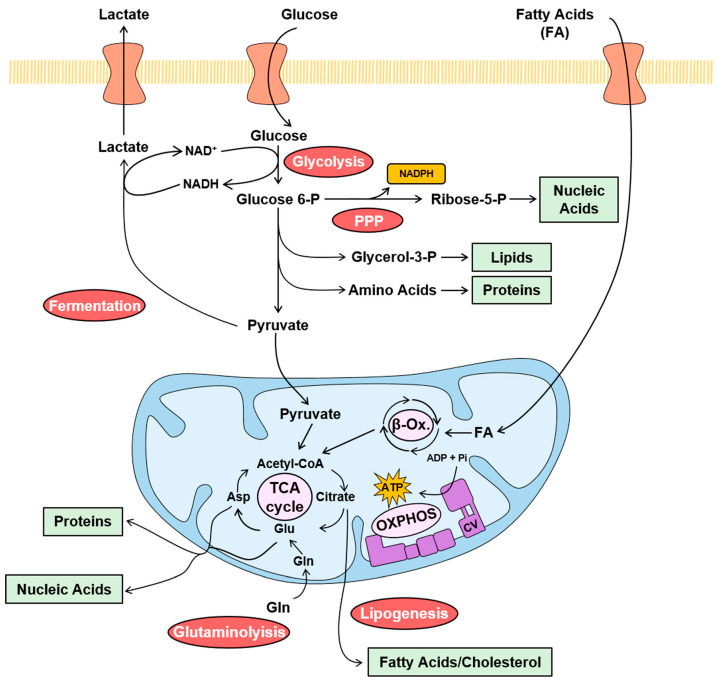
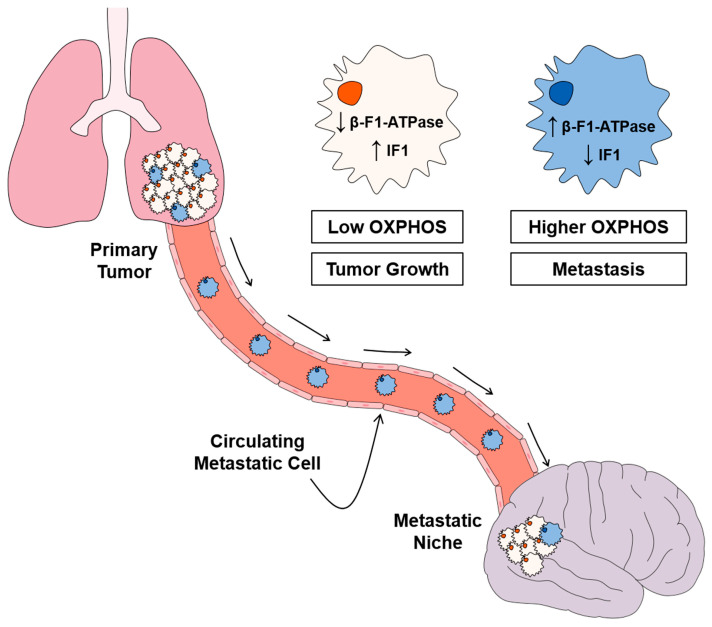
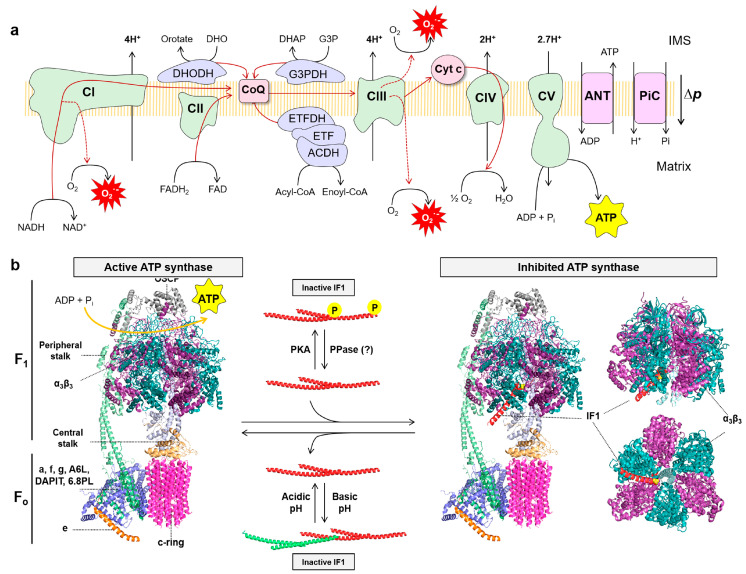
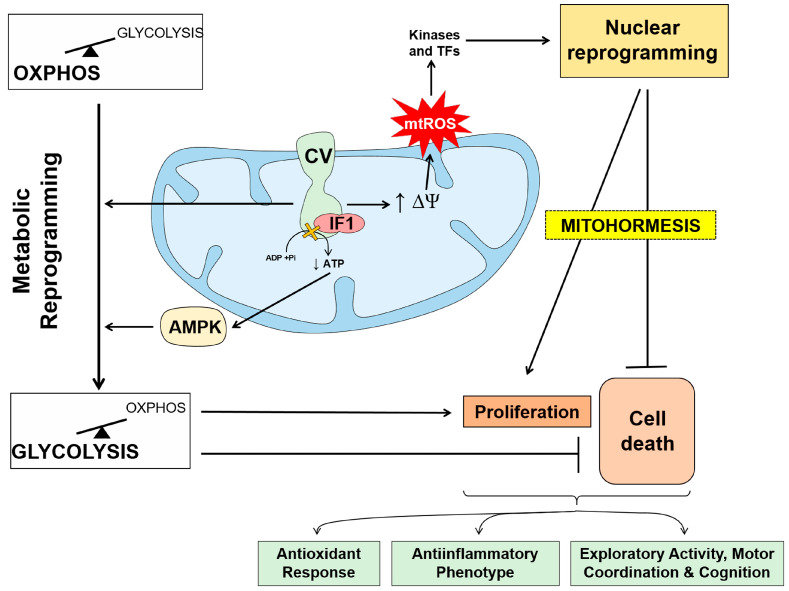
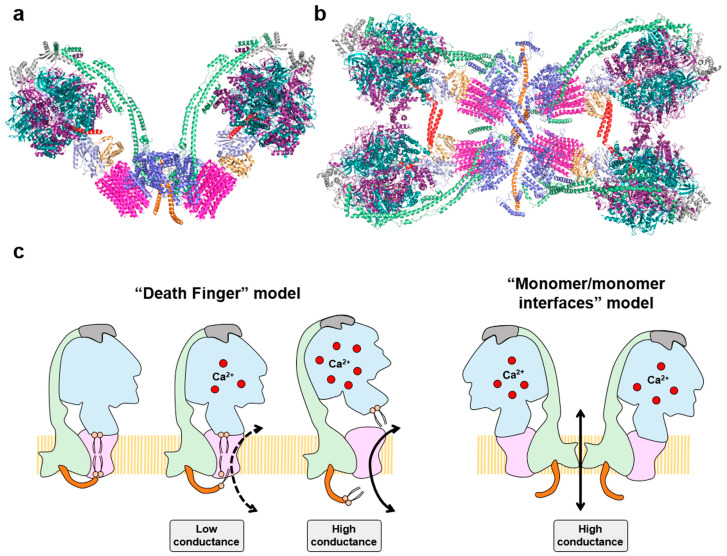
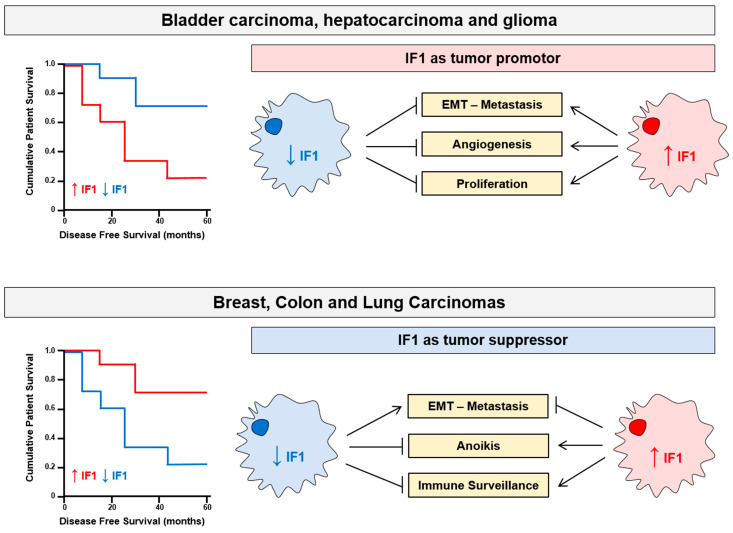
Cancer poses a significant global health problem with profound personal and economic implications on National Health Care Systems. The reprograming of metabolism is a major trait of the cancer phenotype with a clear potential for developing effective therapeutic strategies to combat the disease. Herein, we summarize the relevant role that the mitochondrial ATP synthase and its physiological inhibitor, ATPase Inhibitory Factor 1 (IF1), play in metabolic reprogramming to an enhanced glycolytic phenotype. We stress that the interplay in the ATP synthase/IF1 axis has additional functional roles in signaling mitohormetic programs, pro-oncogenic or anti-metastatic phenotypes depending on the cell type. Moreover, the same axis also participates in cell death resistance of cancer cells by restrained mitochondrial permeability transition pore opening. We emphasize the relevance of the different post-transcriptional mechanisms that regulate the specific expression and activity of ATP synthase/IF1, to stimulate further investigations in the field because of their potential as future targets to treat cancer. In addition, we review recent findings stressing that mitochondria metabolism is the primary altered target in lung adenocarcinomas and that the ATP synthase/IF1 axis of OXPHOS is included in the most significant signature of metastatic disease. Finally, we stress that targeting mitochondrial OXPHOS in pre-clinical mouse models affords a most effective therapeutic strategy in cancer treatment.
癌症是一个重大的全球健康问题,对国家医疗保健系统有着深远的个人和经济影响。代谢重编程是癌症表型的一个主要特征,具有开发有效治疗策略来对抗该疾病的明显潜力。在此,我们总结了线粒体ATP合酶及其生理抑制剂ATP酶抑制因子1(IF1)在代谢重编程以增强糖酵解表型中所起的相关作用。我们强调,ATP合酶/IF1轴中的相互作用在信号传导线粒体应激程序、促癌或抗转移表型方面具有额外的功能作用,这取决于细胞类型。此外,同一轴还通过抑制线粒体通透性转换孔的开放参与癌细胞的抗细胞死亡。我们强调调节ATP合酶/IF1的特定表达和活性的不同转录后机制的相关性,以刺激该领域的进一步研究,因为它们作为未来治疗癌症的靶点具有潜力。此外,我们回顾了最近的研究结果,强调线粒体代谢是肺腺癌中主要改变的靶点,并且氧化磷酸化的ATP合酶/IF1轴包含在转移性疾病的最显著特征中。最后,我们强调在临床前小鼠模型中靶向线粒体氧化磷酸化在癌症治疗中提供了一种最有效的治疗策略。